
Has your once-vibrant green lawn started developing strange brown patches? Are you asking yourself, “Why is my lawn dying in spots?” This common problem can be frustrating, but with a little investigation, you can pinpoint the culprit and bring your lawn back to life. Generally, dead or dying spots on your lawn are caused by a combination of environmental factors, pests, diseases, or poor maintenance practices.
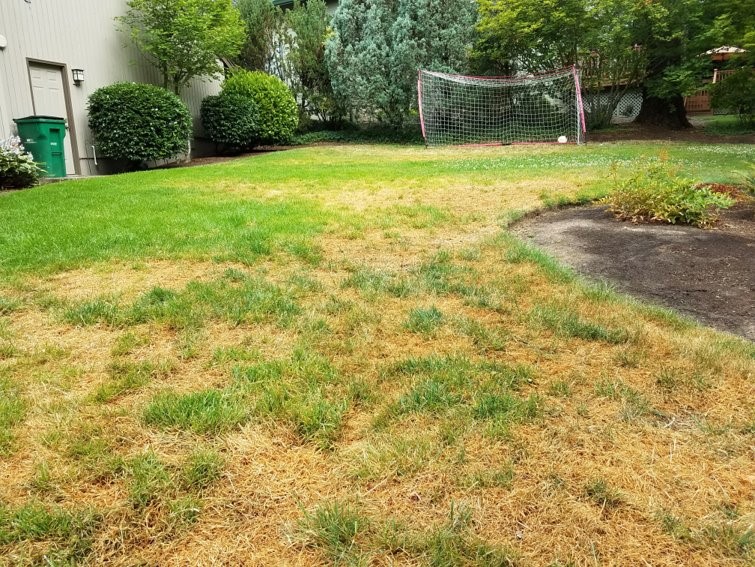
Image Source: www.landscapeeast.com
Deciphering the Patches: Common Culprits
Your lawn is a living ecosystem, and when something is out of balance, it shows. Those brown or yellow spots are signals that something is wrong. Let’s dive into the most frequent reasons your lawn might be struggling in specific areas.
Fungal Diseases: The Unseen Invaders
Fungal diseases are a major player in the “lawn dying in spots” mystery. These microscopic organisms thrive in certain conditions, often exacerbated by specific mowing or watering habits. They attack the grass blades, roots, or crowns, leading to discolored patches that can spread rapidly.
Identifying Common Fungal Culprits
- Brown Patch: This disease appears as circular or irregular patches that are often tan or brown with a darker brown border. It’s most common in warm, humid weather.
- Dollar Spot: Characterized by small, straw-colored spots about the size of a silver dollar, this disease often has a “web-like” mycelium visible in the early morning dew.
- Red Thread: This disease causes reddish-pink threads to appear on the grass blades, giving the lawn a generally unkempt and stressed look. It’s often seen in cooler, moist conditions when nitrogen levels are low.
- Pythium Blight (Damping Off): This aggressive disease can cause seedlings and mature grass to collapse and die quickly, often appearing as greasy, water-soaked patches.
How Fungi Take Hold
Several factors contribute to the onset and spread of fungal diseases:
- Excessive Moisture: Prolonged periods of wetness on the grass blades, especially overnight, create the ideal environment for fungal spores to germinate.
- Poor Air Circulation: Dense thatch layers or overgrown shrubs can reduce airflow, trapping moisture and promoting disease.
- Overwatering: Watering too frequently or for too long can saturate the soil, stressing grass roots and making them susceptible to diseases.
- Drought Stress: Ironically, weakened grass during dry periods can also be more vulnerable to certain fungal infections.
- Improper Fertilization: Both too much and too little nitrogen can make grass susceptible to specific diseases.
Insect Infestations: The Hidden Attackers
Lawn pests can be stealthy saboteurs, silently chewing through roots or blades, leading to significant damage and dead spots. Identifying these tiny troublemakers is crucial for effective treatment.
Common Lawn Pests and Their Damage
- Grubs: These C-shaped larvae of beetles feed on grass roots, causing sections of the lawn to turn brown and lift easily, like a carpet. You might see increased bird or animal activity as they dig for grubs.
- Chinch Bugs: These small insects suck the juices from grass blades, causing irregular brown patches that often expand outwards. They prefer sunny, hot areas and are particularly damaging to certain grass types like fine fescues and St. Augustine.
- Sod Webworms: The larvae of lawn moths, sod webworms chew on grass blades, often leaving behind chewed-off blades that turn brown. Their damage is typically more superficial than grub damage.
- Armyworms: These caterpillars can move in large numbers, “marching” across the lawn and consuming grass blades rapidly, creating large, irregular dead areas.
Signs of Pest Activity
- Easily Lifted Turf: If you can easily pull up sections of your lawn like a carpet, you likely have a grub problem.
- Yellowing and Browning: Many pests cause the grass to turn yellow before browning and dying.
- Increased Bird Activity: Birds digging in your lawn are often a sign of grubs.
- Visible Insects: In some cases, you might see the pests themselves, especially in the early morning or late evening.
Pet Urine Damage: A Common But Fixable Issue
If you have furry friends, pet urine damage is a highly probable cause for localized brown spots, often with a distinct green ring around the edge. The high nitrogen content in pet urine can “burn” the grass.
Why Pet Urine Burns Grass
- Concentrated Nitrogen: Animal urine contains a high concentration of nitrogen and salts.
- Application: When a pet repeatedly urinates in the same spot, the concentration becomes too high for the grass to tolerate.
Recognizing Pet Urine Spots
- Circular or Irregular Patches: These spots are typically small and can vary in size.
- Green Ring: A ring of darker green, lush grass often surrounds the brown patch, caused by the nitrogen acting as a fertilizer in that specific zone.
- Repeated Occurrence: If you notice these spots appearing in the same locations frequently, it’s a strong indicator of pet activity.
Poor Drainage: Waterlogged Roots Suffocate
Poor drainage can lead to waterlogged soil, which deprives grass roots of oxygen and creates an environment where fungal diseases can thrive. This results in yellowing and eventually death in affected areas.
How Poor Drainage Harms Your Lawn
- Root Suffocation: Waterlogged soil prevents oxygen from reaching the grass roots, essentially drowning them.
- Fungal Growth: Standing water creates ideal conditions for many soil-borne fungal diseases.
- Shallow Root Development: Grass will try to grow shallower roots in constantly wet soil, making it less resilient to drought.
Indicators of Drainage Problems
- Standing Water: Puddles that persist for several hours after rain or watering.
- Mushy Soil: The soil feels spongy and doesn’t dry out easily.
- Moss or Algae Growth: These often thrive in consistently damp conditions.
- Yellowing Grass: Grass may turn yellow before dying in these areas.
Nutrient Deficiency: A Lack of Essential Food
Just like any living thing, grass needs nutrients to grow strong and healthy. A nutrient deficiency can weaken your lawn, making it more susceptible to disease and pests, and causing patchy growth.
Key Nutrients and Their Roles
- Nitrogen (N): Essential for leaf growth and the green color of the grass. A deficiency leads to pale green or yellowing grass and slow growth.
- Phosphorus (P): Crucial for root development and energy transfer. Low phosphorus can result in stunted growth and poor root systems.
- Potassium (K): Important for overall plant health, disease resistance, and drought tolerance. Low potassium can make grass more vulnerable to stress.
Signs of Nutrient Deficiency
- General Yellowing: The entire lawn might appear a pale green or yellow, not just in specific spots, though deficiencies can manifest unevenly.
- Stunted Growth: The grass simply isn’t growing as vigorously as it should.
- Thinning Turf: The lawn becomes less dense and more prone to weed invasion.
- Specific Spotting Patterns: Some deficiencies can cause distinct yellow or brown spotting patterns.
Overwatering and Underwatering: The Extremes of Thirst
Both overwatering and drought stress can cause significant damage and lead to dead spots. The key is finding the right balance.
The Dangers of Overwatering
Overwatering is a common mistake. While grass needs water, too much can be detrimental.
- Shallow Rooting: Frequent, light watering encourages shallow root growth, making the grass less resilient.
- Disease Encouragement: As mentioned, constantly wet conditions are perfect for fungal diseases.
- Nutrient Leaching: Excessive watering can wash essential nutrients out of the soil.
The Impact of Drought Stress
Drought stress occurs when the lawn doesn’t receive enough water.
- Wilting and Browning: Grass blades will turn a dull green, then yellow, and finally brown as they dehydrate.
- Dormancy: Healthy lawns may go dormant during drought, turning brown but recovering with water. However, prolonged drought can kill the grass.
- Increased Susceptibility: Weakened by lack of water, the grass becomes more vulnerable to pests and diseases.
Identifying Over/Underwatering Signs
- Overwatering: Wilting grass even though the soil is moist, yellowing, and a general lack of vigor.
- Underwatering: Grass turning blue-green, then yellow, and finally brown; footprints remaining visible on the lawn for extended periods.
Diagnosing the Problem: Lawn Care Solutions Start Here
Before you can implement lawn care solutions, you need to accurately diagnose the problem. This involves careful observation and a systematic approach.
Step 1: Close Inspection of the Spots
Get down on your hands and knees and examine the dying patches closely.
What to Look For:
- Pattern of Damage: Are the spots circular, irregular, or linear? Do they have defined edges?
- Grass Blade Appearance: Are the blades dry and brittle, yellowed, or do they have spots or lesions on them?
- Root System: Gently pull on a section of the affected turf. Does it lift easily like a carpet? This suggests grub damage.
- Soil Moisture: Is the soil overly wet, dry, or normal?
- Presence of Insects: Look for small insects on the grass blades or in the soil. You might need a magnifying glass for this.
- Fungal Signs: Look for any webbing, fuzzy growth, or unusual coloration on the grass blades, especially in the morning.
Step 2: Consider Environmental Factors
Think about recent weather patterns and your lawn care practices.
Questions to Ask Yourself:
- Weather: Has it been unusually hot, dry, wet, or humid?
- Watering Schedule: How often and for how long do you water? Are you watering in the morning or evening?
- Mowing Habits: How short are you mowing? Are you collecting or mulching clippings?
- Fertilization: When was the last time you fertilized, and with what type of fertilizer?
- Foot Traffic: Is there unusually heavy foot traffic in these specific areas?
- Pet Activity: Is this a common spot for pets to relieve themselves?
Step 3: Utilize Disease Identification Tools
If you suspect fungal diseases or insect infestations, specific identification is key.
Resources for Identification:
- University Extension Offices: Many universities have agricultural extension offices that offer free or low-cost plant diagnostic services. You can often submit photos or samples.
- Online Resources: Websites like the Lawn Care Association or university horticultural departments provide detailed information and images of common lawn diseases and pests.
- Local Garden Centers: Staff at reputable garden centers can often help identify common lawn problems based on your description or a sample.
Implementing Effective Lawn Care Solutions
Once you have a good idea of what’s causing your lawn’s problems, you can implement targeted lawn care solutions.
Addressing Fungal Diseases
- Improve Air Circulation: Aerate your lawn annually to reduce thatch buildup and improve airflow. Trim overgrown shrubs near affected areas.
- Adjust Watering Practices: Water deeply and infrequently, preferably in the early morning. This allows the grass to dry off before nightfall.
- Correct Mowing Height: Raise your mower blade. Taller grass shades the soil, keeping it cooler and moister, and is generally more resistant to disease.
- Fertilize Appropriately: Avoid over-fertilizing with nitrogen, especially during hot, humid weather. Use a slow-release fertilizer.
- Fungicides: For severe or persistent fungal infections, a fungicide may be necessary. Always follow product instructions carefully. Disease identification is critical to choosing the correct fungicide.
Combating Insect Infestations
- Grub Control: Apply a grub control product according to label directions, typically in late summer or early fall for the best results against developing grubs.
- Chinch Bug Treatment: Control chinch bugs with insecticides specifically labeled for them. Proper watering can help mitigate their damage.
- Sod Webworm and Armyworm Control: Insecticides can also be effective against these surface-feeding caterpillars.
Repairing Pet Urine Damage
- Water the Area: Immediately after a pet urinates, thoroughly water the spot to dilute the nitrogen.
- Reseed: Once the patch has dried, remove any dead grass and reseed the area with a good quality grass seed.
- Train Your Pet: If possible, train your pet to use a designated area for relief.
Fixing Poor Drainage
- Aeration: Core aeration can help break up compacted soil, allowing water to penetrate better.
- Topdressing: Adding compost or other organic matter can improve soil structure and drainage over time.
- Regrading: For severe drainage issues, you may need to regrade the affected areas to direct water away from the lawn.
- French Drains: In persistent problem areas, consider installing a French drain system.
Correcting Nutrient Deficiencies
- Soil Testing: The best way to determine nutrient deficiencies is through a soil test. Your local extension office can provide kits and analysis.
- Fertilization: Based on soil test results, apply a balanced fertilizer that provides the missing nutrients. Follow application rates carefully.
- Organic Matter: Adding compost and other organic materials can improve soil fertility and nutrient availability over time.
Balancing Watering: The Sweet Spot
- Deep and Infrequent Watering: Aim for about 1 inch of water per week, delivered in one or two deep watering sessions rather than short, frequent sprinklings.
- Water in the Morning: This is the best time to water, allowing the grass to dry before nightfall.
- Observe Your Lawn: Learn to recognize the signs of thirst – a bluish tint to the grass or footprints that don’t spring back.
Managing Thatch
A thick thatch layer (more than ½ inch) can impede water and nutrient movement and harbor diseases and pests.
- Dethatching: Use a power rake or dethatcher in the spring or fall to remove excess thatch.
Preventive Measures: Keeping Your Lawn Healthy
The best offense is a good defense. Regular, proper lawn care solutions can prevent many of these problems from occurring in the first place.
Healthy Lawn Practices
- Regular Mowing: Mow at the correct height for your grass type, keeping mower blades sharp.
- Proper Fertilization: Feed your lawn at the right times of year with the appropriate fertilizer.
- Consistent Watering: Water deeply and infrequently, adjusting based on weather conditions.
- Aeration and Dethatching: Perform these tasks annually or as needed to maintain healthy soil and root systems.
- Overseeding: Overseeding in the fall can fill in thin areas and introduce more disease-resistant grass varieties.
- Integrated Pest Management (IPM): Use the least toxic methods first to control pests and diseases.
Frequently Asked Questions (FAQ)
What are the most common causes of brown spots in my lawn?
The most common causes include fungal diseases, insect infestations, pet urine damage, poor drainage, nutrient deficiency, and improper watering (overwatering or drought stress).
Can I treat multiple problems at once?
Often, yes. For example, improving poor drainage can help prevent fungal diseases. However, it’s best to address the primary cause first for the most effective treatment. Disease identification is crucial before applying treatments.
How do I know if it’s a disease or an insect problem?
Close inspection is key. Fungal diseases often manifest as lesions on blades or fuzzy growth, while insect damage might involve chewed blades, damaged roots (leading to easily lifted turf), or visible insects themselves.
Is it safe to use chemicals on my lawn?
Chemical treatments like fungicides and insecticides can be effective, but they should be used cautiously and according to label instructions. Always consider eco-friendly alternatives and focus on improving overall lawn health first.
How often should I water my lawn?
This depends on your grass type, climate, and soil. Generally, aim for about 1 inch of water per week, delivered in one or two deep watering sessions, preferably in the morning.
My dog always pees in the same spot. How can I stop it?
You can try to train your dog to use a designated area, water the spot immediately after they urinate, or plant a more urine-tolerant ground cover in that area.
By carefully observing your lawn and understanding the potential causes, you can effectively treat the dying spots and restore your lawn to its former glory. Consistent, appropriate lawn care solutions are the best way to maintain a healthy and beautiful landscape.