
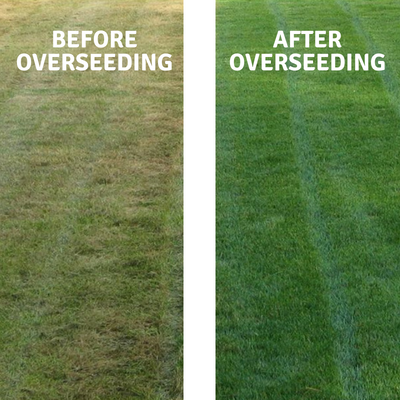
Image Source: www.turfunlimited.com
How Often Should You Reseed Your Lawn? A Comprehensive Guide
Do you need to reseed your lawn? You should reseed your lawn when it looks thin, patchy, has bare spots, or when weed and moss growth overtakes the grass. This guide will help you figure out the best way to get your lawn looking lush and healthy again.
A beautiful, green lawn can significantly boost your home’s curb appeal and provide a wonderful space for recreation. However, maintaining that perfect carpet of grass isn’t always straightforward. Over time, lawns can become thin, worn out, or damaged by pests, diseases, or harsh weather. This is where reseeding comes in. But how often should you actually reseed your lawn? The answer isn’t a simple one-size-fits-all number; it depends on several factors. Let’s dive deep into understanding lawn overseeding frequency and create a solid lawn maintenance reseeding plan.
Why Reseed Your Lawn?
Before we talk about frequency, let’s consider why reseeding is often necessary. Your lawn is a living ecosystem that faces constant challenges.
- Wear and Tear: High foot traffic, pets playing, and general use can compact the soil and damage grass blades, leading to bare patches.
- Pests and Diseases: Grubs, chinch bugs, and various fungal diseases can decimate healthy grass, leaving unsightly brown or yellow areas.
- Weeds and Moss: Over time, weeds and moss can creep in, outcompeting your grass for sunlight, water, and nutrients. Reseeding helps introduce thicker grass to push these out.
- Environmental Stress: Drought, extreme heat, or prolonged cold can weaken grass, making it more susceptible to damage and thinning.
- Poor Establishment: If the initial lawn was seeded with low-quality seed or not properly maintained, it may never have achieved full density.
- Species Decline: Some grass types naturally thin out over several years and benefit from the introduction of new, vigorous seed.
When is the Best Time to Reseed a Lawn?
The timing of your reseeding efforts is crucial for success. For most cool-season grasses, like fescue and bluegrass, the ideal windows are in the fall lawn seeding and spring lawn seeding periods.
Fall: The Golden Season for Reseeding
Many lawn care professionals consider fall the best time to reseed lawn for cool-season grasses. Here’s why:
- Temperatures are Ideal: The soil is still warm from summer, encouraging rapid seed germination. The air temperatures are cooler, which is perfect for young grass growth without the stress of intense heat.
- Reduced Weed Competition: Summer annual weeds are declining, and winter annual weeds haven’t yet become a significant problem. This gives your new grass seedlings a better chance to establish.
- Moisture Availability: Fall often brings more consistent rainfall, reducing the need for constant manual watering.
- Root Development: Cooler temperatures allow new grass roots to grow deeper and stronger before winter dormancy, setting them up for a robust spring.
Spring: A Viable Second Option
While fall is generally preferred, spring lawn seeding can also be successful, provided you manage it carefully.
- Good Germination Conditions: Spring offers similar temperature benefits to fall, with warming soil and cooler air.
- Potential for Weed Pressure: The main challenge in spring is the increased presence of annual weeds that germinate at the same time as your grass seed. You’ll need to be vigilant with weed control.
- Heat Stress Risk: If spring turns into a hot, dry summer quickly, young seedlings may struggle to establish before facing extreme conditions. Consistent watering is paramount.
How Often Should You Reseed Your Lawn? Considering Lawn Overseeding Frequency
Determining lawn overseeding frequency depends on your lawn’s current condition and your desired outcome.
Annual Lawn Reseeding: For Continuous Improvement
If your lawn is consistently thinning, showing signs of wear, or if you want to actively improve its density and resilience, consider annual lawn reseeding. This proactive approach helps:
- Maintain Density: It replaces grass that has died off due to stress or age.
- Improve Disease Resistance: Introducing newer, disease-resistant grass varieties can make your lawn hardier.
- Enhance Color and Texture: Overseeding can improve the overall aesthetic appeal of your lawn.
- Push Out Weeds and Moss: A thicker lawn naturally crowds out unwanted growth.
Annual lawn reseeding is particularly beneficial for lawns that experience heavy use or are in areas with challenging climates.
Reseeding Every 2-3 Years: For Moderate Maintenance
If your lawn is generally healthy but has a few thin spots or you notice some decline over the years, reseeding every two to three years might be sufficient. This approach focuses on addressing minor issues before they become major problems. It’s a good balance between proactive care and less frequent intervention.
Reseeding as Needed: For Specific Problems
In some cases, reseeding is purely reactive. You might only reseed after:
- Severe Pest or Disease Outbreaks: If an infestation or disease has killed large patches of grass.
- Damage from Construction or Other Activities: Areas that have been heavily disturbed or compacted.
- Winter Kill: If extreme cold has damaged a significant portion of your lawn.
This “as needed” approach means you’re not on a strict schedule but address problems as they arise.
How to Prepare for Reseeding
Regardless of your chosen frequency, proper preparation is key to successful reseeding.
Step 1: Assess Your Lawn
Before you buy seed, walk your lawn and identify the problem areas. Is it thin all over, or are there specific bare patches? Are weeds or moss the primary issue? This assessment will help you choose the right seed mix.
Step 2: Deal with Weeds and Moss
It’s best to tackle weeds and moss before overseeding.
- Herbicides: For widespread weed problems, consider using a selective herbicide a week or two before you plan to reseed. Always follow product instructions carefully.
- Manual Removal: For smaller weed patches, manual pulling can be effective.
- Moss Control: Aeration and improving drainage can help reduce moss. Some moss control products can be applied before reseeding.
Step 3: Mow Low
Mow your existing lawn a bit shorter than usual. This helps the new seeds get better access to sunlight and makes it easier to prepare the soil surface.
Step 4: Aerate Your Lawn
Aeration is a vital step that shouldn’t be skipped, especially if you have compacted soil.
- How it Works: Aeration involves removing small plugs of soil from the lawn using a core aerator. This loosens compacted soil, improves air and water penetration, and creates better seed-to-soil contact.
- When to Aerate: Aerate just before overseeding.
Step 5: Dethatch if Necessary
If your lawn has more than half an inch of thatch (a layer of dead grass stems and roots between the green grass and the soil), dethatching is important.
- How it Works: Dethatching, also known as scarifying, uses specialized equipment to rake out the thatch layer.
- When to Dethatch: Dethatch before aerating and overseeding. Too much thatch can prevent seeds from reaching the soil.
Step 6: Loosen the Soil Surface
Lightly rake the lawn to loosen the top layer of soil. This creates a good seedbed for the new grass seeds to fall into and germinate. You don’t want to dig deeply, just create a slightly roughened surface.
Choosing the Right Grass Seed
Selecting the correct grass seed is as important as the timing and preparation.
Cool-Season Grasses
These grasses thrive in moderate climates with distinct seasons.
- Fescue (Tall Fescue, Fine Fescue): Tall fescue is known for its durability, drought tolerance, and ability to withstand heavy traffic. It’s a popular choice for many home lawns. Fine fescues are good for shady areas and have a softer texture. How often to overseed fescue can be annual or biannual, as it can thin over time.
- Kentucky Bluegrass: This grass forms a dense, attractive turf with excellent self-repairing qualities. It prefers cooler temperatures and can go dormant in extreme heat. How often to overseed Kentucky bluegrass is typically every 1-3 years to maintain its density and disease resistance, as individual plants have a moderate lifespan.
- Perennial Ryegrass: Known for rapid germination and establishment, it’s often used in overseeding mixes to fill in thin areas quickly. It has a finer texture than tall fescue.
- Bentgrass: Often found in golf courses, it requires intensive maintenance and is not typically recommended for average home lawns.
Warm-Season Grasses
These grasses thrive in hotter climates and go dormant in the winter. Examples include Bermudagrass, Zoysiagrass, and St. Augustinegrass. If you have a warm-season lawn, the reseeding timing shifts to late spring or early summer when temperatures are consistently warm.
The Reseeding Process: Step-by-Step
With preparation complete and the right seed in hand, it’s time to sow.
-
Apply the Seed:
- Broadcasting: For widespread overseeding, use a spreader. Divide the seed in half and make two passes, perpendicular to each other, to ensure even coverage.
- Hand Spreading: For smaller areas, you can hand-broadcast the seed.
-
Ensure Seed-to-Soil Contact:
- Gently rake the newly seeded areas to lightly cover the seeds with about 1/4 inch of soil. This protects them from drying out and birds, and encourages better germination.
- Alternatively, you can lightly walk over the seeded area or use a roller to press the seeds into the soil.
-
Water Consistently:
- Initial Watering: Water the seeded area thoroughly immediately after sowing.
- Ongoing Watering: Keep the top inch of soil consistently moist until germination occurs. This might mean watering lightly once or twice a day, depending on the weather. Avoid letting the soil dry out completely.
- Reducing Frequency: Once the seedlings are about an inch tall, you can gradually reduce watering frequency but water more deeply to encourage deeper root growth.
-
Protect the New Seedlings:
- Avoid Heavy Traffic: Keep people and pets off the newly seeded areas until the grass is well established (typically 3-4 weeks).
- Mowing: When mowing, use a sharp blade and set your mower to a higher setting than usual. Avoid cutting more than one-third of the grass blade height at a time. Do not use a mulching mower until the new grass is established, as it can smother young seedlings.
Factors Influencing Your Reseeding Schedule
Several elements will dictate how often your lawn needs a refresh.
Lawn Age and Type
- Newer Lawns: Might not need reseeding for several years.
- Older Lawns: Especially those with perennial ryegrass or bluegrass that naturally thins, may benefit from annual reseeding.
- Grass Species: As mentioned, how often to overseed Kentucky bluegrass differs from how often to overseed fescue. Some grasses have a longer natural lifespan and denser growth habit.
Environmental Conditions
- Climate: Lawns in areas with extreme heat, cold, or drought will likely require more frequent reseeding to recover from stress.
- Sunlight: Lawns in full sun are often more prone to stress and thinning than those in partial shade.
Usage and Traffic
- High Traffic Areas: Lawns used for sports, children’s play, or where pets frequently roam will wear out faster and need reseeding more often.
Soil Health
- Compacted Soil: Leads to poor root growth and thinning grass. Regular aeration is key.
- Poor Nutrient Levels: Can weaken grass and make it susceptible to problems. Regular fertilization is important.
Pest and Disease History
- Recurring Issues: If your lawn is prone to specific pests or diseases, you may need to reseed annually with resistant varieties.
Creating a Lawn Renovation Schedule
A lawn renovation schedule can help you plan your reseeding and other essential lawn care tasks throughout the year.
Spring (March-May)
- Early Spring: Rake up debris, dethatch if needed, aerate, and begin overseeding if you missed fall seeding or for quick green-up. Apply a pre-emergent herbicide if crabgrass is a concern, but be mindful that some prevent seed germination.
- Late Spring: Apply a slow-release fertilizer, monitor for weeds and pests, and begin regular mowing.
Summer (June-August)
- Mowing: Mow regularly, keeping grass slightly longer to help shade the soil and retain moisture.
- Watering: Water deeply and infrequently to encourage deep root growth.
- Pest & Disease Control: Be vigilant and treat any outbreaks promptly. Avoid heavy traffic and fertilizing during extreme heat.
Fall (September-November)
- Early Fall: This is the prime time for fall lawn seeding and overseeding cool-season grasses. Aerate and dethatch before seeding. Apply a starter fertilizer.
- Mid-Fall: Continue watering new seed. Apply a fall fertilizer to help the grass store energy for winter.
- Late Fall: Perform a final mow, remove leaves, and prepare for winter.
Winter (December-February)
- Minimal Activity: Keep off the lawn when it’s frozen or saturated to prevent damage.
- Planning: Review your lawn care notes from the past year and plan for the upcoming season.
Specific Grass Type Considerations
Let’s look at the reseeding needs for some popular grass types.
How Often to Overseed Fescue
Fescue, particularly tall fescue, is a resilient grass. However, individual plants have a moderate lifespan, and it can thin out over time due to wear and tear or disease.
- Annual Overseeding: Recommended for lawns with high traffic, or if you notice thinning each year. This helps maintain density and vigor.
- Every 2-3 Years: Suitable for less-trafficked lawns or if you’re using improved, disease-resistant fescue varieties.
- When to Overseed: Fall is the absolute best time for fescue overseeding. Spring is a secondary option.
How Often to Overseed Kentucky Bluegrass
Kentucky bluegrass is known for its beautiful appearance and ability to spread by rhizomes, which helps it fill in bare spots naturally. However, it can be susceptible to drought, heat, and certain diseases, leading to thinning.
- Annual Overseeding: Beneficial for maintaining that dense, plush look, especially in challenging climates or if you have a history of summer browning.
- Every 2-4 Years: For many home lawns, overseeding every few years is sufficient to revitalize the turf and introduce newer, improved cultivars.
- When to Overseed: Fall is ideal for Kentucky bluegrass overseeding. Spring seeding is possible but requires extra care due to weed competition and potential summer stress.
The Benefits of Overseeding vs. Full Resodding
Overseeding is a more practical and cost-effective solution for most homeowners compared to full resodding.
- Cost-Effective: Seed is significantly cheaper than sod.
- Less Disruptive: You don’t have to tear up your entire lawn.
- Gradual Improvement: It allows for a more natural transition and improvement over time.
- Variety Introduction: You can introduce new, improved grass varieties or blends that are better suited to your climate or specific lawn conditions.
Resodding is typically reserved for situations where a lawn is completely destroyed or needs an instant, perfect finish, such as before a major event or if there are severe soil issues.
Common Mistakes to Avoid
- Skipping Preparation: Not aerating, dethatching, or loosening the soil will severely hamper seed germination.
- Wrong Seeding Rate: Too little seed will result in thin patches; too much can lead to competition and weak seedlings.
- Inconsistent Watering: Letting the seedbed dry out is a common reason for failure.
- Mowing Too Soon or Too Low: Damaging young seedlings can set back your efforts.
- Using Poor Quality Seed: Always opt for high-quality, certified seed.
- Over-Fertilizing New Seed: A starter fertilizer is needed, but excessive nitrogen can burn young grass.
Frequently Asked Questions (FAQ)
Q1: Can I reseed my lawn in the summer?
While it’s generally not recommended, you can attempt to reseed in summer in a pinch, especially with heat-tolerant grass varieties. However, you must commit to frequent watering, as the heat and potential drought will be challenging for new seedlings. Fall and spring are far more forgiving seasons.
Q2: How long does it take for grass seed to sprout?
Germination times vary by grass type and conditions, but most cool-season grasses will sprout within 7-21 days. Some, like perennial ryegrass, can germinate in as little as 5 days, while others, like fescue, might take a bit longer. Consistent moisture is crucial for germination.
Q3: What is the best grass seed to buy for overseeding?
The best seed depends on your region, existing grass type, and sunlight conditions. For most cool-season lawns, a blend of fescue varieties (like Tall Fescue and Fine Fescues) and Perennial Ryegrass is a good choice for overseeding. If you have Kentucky Bluegrass, overseeding with a quality KBG blend is ideal. Always check local recommendations.
Q4: Do I need to fertilize after overseeding?
Yes, it’s beneficial to use a starter fertilizer that is low in nitrogen and higher in phosphorus. Phosphorus aids in root development, which is critical for new seedlings. Apply it according to the product’s instructions, usually at the time of seeding or shortly after.
Q5: How soon can I mow my newly reseeded lawn?
You should wait until the new grass blades reach about 3-4 inches tall. When you do mow, use a sharp blade and set your mower to a higher setting than usual. Avoid cutting more than one-third of the grass blade length in a single mowing.
Q6: What is the difference between overseeding and reseeding?
Often used interchangeably, “overseeding” typically refers to sowing new grass seed into an existing lawn to thicken it up and improve its overall health and appearance. “Reseeding” can sometimes imply a more complete renovation or rebuilding of the lawn, potentially after significant damage. In practical terms for most homeowners, the process and goals are very similar.
By following this comprehensive guide, you can confidently determine the right lawn overseeding frequency for your specific needs and create a thriving, beautiful lawn that you can enjoy for years to come. Remember that consistent care and attention are the cornerstones of a healthy lawn, and strategic reseeding plays a vital role in achieving that goal.