
Can you revive a dead lawn? Yes, you absolutely can! Bringing a dead lawn back to life is achievable with the right approach and consistent effort. This comprehensive lawn repair guide will walk you through the secrets to transforming a brown, lifeless landscape into a vibrant, green oasis.
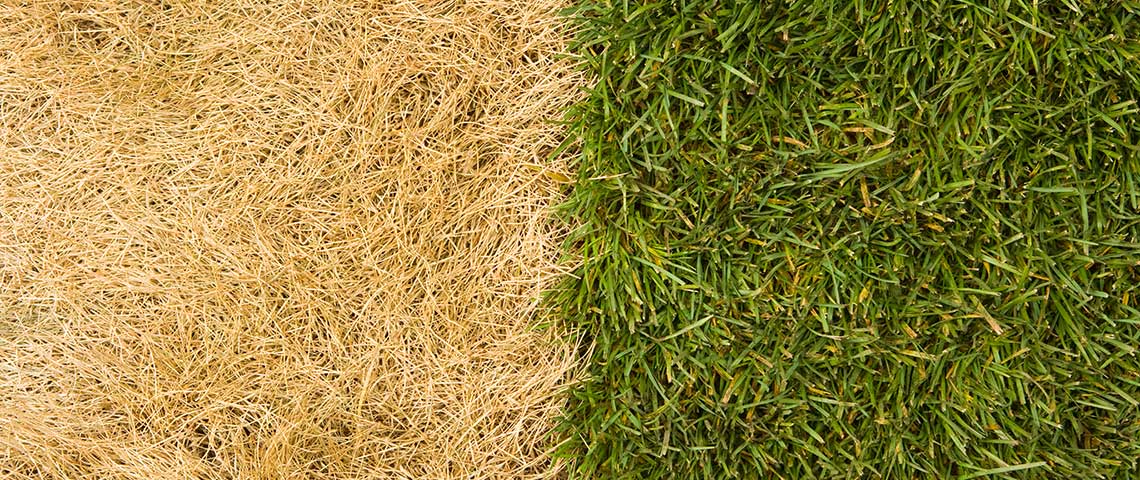
Image Source: www.pennington.com
Reviving Your Parched Patch: The First Steps
When your lawn looks like it’s given up the ghost, it’s crucial to act fast. But before you start throwing products at it, a little detective work is necessary.
Assessing the Damage: What’s Really Going On?
Is it truly dead, or just dormant? This is the million-dollar question. Many grasses, especially in hot climates, will go dormant during dry spells. Dormant grass turns brown, but the crown and roots are still alive. If you can easily pull up clumps of brown grass, it’s likely dead. If the roots are strong and the crown (the base of the plant where the leaves emerge) is firm and white or greenish, it might just be sleeping.
Common Causes of Lawn Death:
- Drought: Prolonged lack of water is a primary culprit.
- Disease: Fungal infections can decimate a lawn quickly.
- Pests: Grubs, chinch bugs, and other lawn insects can eat roots.
- Poor Soil Health: Compacted, nutrient-poor soil can’t support healthy grass.
- Over-fertilization or Incorrect Fertilization: Burning the grass with too much fertilizer or the wrong type can be fatal.
- Lack of Sunlight: Dense shade can prevent grass from thriving.
- Traffic: Constant foot traffic can compact the soil and damage grass blades.
Step 1: A Thorough Watering Session
If your lawn is dormant due to drought, a deep watering is your first priority. This is key to rehydrating dormant grass.
- Water Deeply: Aim to moisten the soil at least 4-6 inches deep. This encourages deeper root growth, making the lawn more resilient in the future.
- Water Infrequently: Instead of light, frequent watering, opt for longer, less frequent sessions. This prevents shallow root systems.
- Timing is Key: Water in the early morning (before 10 AM) to minimize evaporation and reduce the risk of fungal diseases that thrive in prolonged dampness.
Rebuilding the Foundation: Soil Health for Brown Grass
A healthy lawn starts with healthy soil. If your lawn is struggling, the soil is often the root cause. Focusing on soil health for brown grass is paramount to long-term success.
Aeration: Letting Your Soil Breathe
Compacted soil suffocates grass roots, preventing water and nutrients from reaching them. Aeration is the process of creating small holes in the soil to relieve compaction.
- How to Aerate: You can rent a core aerator or use spike aerators. Core aerators pull out plugs of soil, which are best. Spike aerators simply poke holes, which can sometimes compact the soil further.
- When to Aerate: The best time to aerate is when your grass is actively growing. For cool-season grasses (like fescue, bluegrass, rye), this is typically in the fall or spring. For warm-season grasses (like Bermuda, Zoysia, St. Augustine), it’s during their active growing season in late spring or summer.
Dethatching: Removing the Blanket
Thatch is a layer of dead and living grass stems and roots that accumulates between the green grass blades and the soil surface. A thin layer (less than ½ inch) is beneficial, but excessive thatch can prevent water, air, and nutrients from reaching the soil.
- How to Dethatch: You can use a power rake or a manual dethatching rake. Power raking is more aggressive and effective for heavy thatch buildup.
- When to Dethatch: Like aeration, dethatch when the grass is actively growing.
Amending the Soil: Giving it a Boost
Once aerated and detatched, it’s time to enrich the soil.
- Compost: Topdressing with a thin layer of high-quality compost is one of the best things you can do. Compost improves soil structure, drainage, and nutrient content.
- Soil Test: For a truly targeted approach, get a soil test. This will reveal pH levels and deficiencies in essential nutrients like nitrogen, phosphorus, and potassium. Your local extension office can usually help with this.
Bringing Dead Lawn Back to Life: The Restoration Process
Now that you’ve addressed the underlying issues, it’s time for the active revival. This is where we focus on feeding a dying lawn and encouraging new growth.
Step 2: Fertilizing for Recovery
Feeding a dying lawn requires a carefully chosen fertilizer. You want a balanced fertilizer that provides essential nutrients.
- Starter Fertilizer: Often recommended for new lawns, starter fertilizers contain a higher percentage of phosphorus, which is crucial for root development. This can be very beneficial for reviving struggling grass.
- Slow-Release Nitrogen: Look for fertilizers with slow-release nitrogen. This provides a steady supply of nutrients over time, preventing the “flush and crash” effect of fast-release fertilizers.
- Application: Follow the product’s instructions carefully. Applying too much fertilizer can burn the grass, doing more harm than good.
Step 3: Overseeding for Density
If large areas of your lawn are dead or severely thinned, overseeding is essential for restoring a full, lush appearance. Overseeding a dead lawn is a common and effective practice.
- Choosing the Right Seed: Select grass seed that is appropriate for your climate and the existing grass type. For best results, use a high-quality seed blend designed for your region.
- Timing: The best time to overseed is typically in the fall for cool-season grasses, allowing the new seedlings to establish roots before winter. For warm-season grasses, late spring or early summer is ideal.
- Preparation: Make sure the soil is loose (aeration helps!) and free of debris. Rake the area to create good seed-to-soil contact.
- Application: Spread the seed evenly according to the package directions.
- Watering After Seeding: Keep the newly seeded area consistently moist (but not waterlogged) until the seeds germinate and the seedlings are established.
Lawn Care for Dry Spells and Drought Resilience
Dealing with a parched lawn means adopting lawn care for dry spells that promotes resilience. The best lawn treatments for drought focus on conservation and smart watering.
Smart Watering Strategies
- Water only when necessary: Don’t water on a schedule; water based on the lawn’s needs. Signs include a bluish-gray tint to the grass or footprints that remain long after you walk on it.
- Adjust sprinklers: Ensure sprinklers are watering the lawn, not sidewalks or driveways.
- Consider drought-tolerant grass varieties: If you live in a drought-prone area, consider overseeding with or replacing your lawn with grass species that are more drought-tolerant.
Mulching and Shade
- Mulch around trees and shrubs: This helps retain soil moisture.
- Consider shade solutions: If specific areas get too much sun, consider planting shade-tolerant ground covers or installing shade structures.
Restoring Patchy Lawn: Targeted Treatments
A patchy lawn requires a more localized approach. Restoring patchy lawn areas involves identifying the cause of the patchiness and addressing it directly.
Identifying Patch Causes
- Pet Urine: Dog urine can create brown spots. Water the affected area immediately and heavily to dilute the nitrogen.
- Grub Damage: If you find loose, brown patches that roll up like a carpet, you likely have grub worms. Dig up a small section to check. If grubs are present, treat with an appropriate grub control product.
- Fungal Diseases: Look for discolored rings or spots. Ensure good air circulation and avoid overwatering. Fungicides may be necessary for severe outbreaks.
- Compaction: Areas with heavy foot traffic often become compacted and thin. Aeration and overseeding are key.
Repairing Patches
- Remove Dead Grass: Rake out the dead grass from the patch.
- Loosen Soil: Lightly loosen the soil in the patch with a rake or trowel.
- Add Topsoil/Compost: Fill the patch with a mix of topsoil and compost.
- Seed: Sow new grass seed, pressing it gently into the soil for good contact.
- Water: Keep the patch consistently moist until the new grass germinates and establishes.
- Protect: Consider placing a light layer of straw or mulch over the patch to retain moisture and protect the seeds.
Bringing a Dead Lawn Back to Life: Advanced Tips
For those truly struggling, here are some advanced strategies to consider.
Soil pH Correction
As mentioned, a soil test is vital. If your soil pH is too high or too low, grass will struggle to absorb nutrients, even if they are present.
- Acidic Soil (Low pH): Apply lime according to soil test recommendations.
- Alkaline Soil (High pH): Apply elemental sulfur or other acidifying agents, again, following soil test advice.
Micronutrients
While macronutrients (nitrogen, phosphorus, potassium) are the most discussed, micronutrients (iron, manganese, zinc, etc.) are also crucial for lawn health. A soil test can indicate deficiencies. Iron supplements, for example, can help green up a lawn quickly without promoting excessive top growth.
Grub and Pest Control
If pests are the problem, timely and appropriate treatment is necessary.
- Identify the Pest: Accurately identifying the pest is crucial for choosing the right control method.
- Timing of Application: Many pest control products work best when applied at specific times in the pest’s life cycle.
- Beneficial Nematodes: For an organic approach to grub control, consider beneficial nematodes.
Overseeding a Dead Lawn – Best Practices Summary
To reiterate, overseeding a dead lawn is often a necessary step.
- Prepare the ground: Aeration, dethatching, and light raking are key.
- Choose quality seed: Don’t skimp on seed quality.
- Ensure seed-to-soil contact: This is critical for germination.
- Water consistently: Maintain moisture until establishment.
- Patience: It takes time for a lawn to recover and thicken.
Maintaining Your Revived Lawn
Once you’ve put in the work and seen results, ongoing maintenance is essential to keep your lawn healthy and vibrant.
Regular Mowing
- Mow High: Set your mower to a higher setting. Taller grass shades the soil, conserves moisture, and discourages weeds.
- Sharp Blades: Always use sharp mower blades. Dull blades tear grass, making it susceptible to disease and stress.
- Don’t Remove Too Much: Never remove more than one-third of the grass blade’s height in a single mowing.
Consistent Watering (Smartly!)
Continue with deep, infrequent watering. Monitor weather patterns and adjust your watering accordingly.
Seasonal Fertilization
Follow a fertilization schedule appropriate for your grass type and climate. This usually involves 2-4 applications per year.
Weed and Pest Management
Address weeds and pests proactively. Healthy, dense turf is the best defense against them.
Common Mistakes to Avoid
- Over-fertilizing: Applying too much fertilizer can burn and kill grass.
- Underwatering: Not watering deeply enough leads to shallow roots.
- Mowing too short: This stresses the grass and exposes the soil.
- Ignoring soil problems: Addressing surface issues without fixing underlying soil compaction or nutrient deficiencies is often futile.
- Using the wrong grass seed: Seed not suited to your climate or soil will struggle.
- Expecting overnight results: Lawn revival is a process that takes time and patience.
Frequently Asked Questions (FAQ)
Q1: How long does it take to revive a dead lawn?
A1: The timeline varies greatly depending on the extent of damage, the cause, and the methods used. Minor dormancy might recover in a few weeks with proper watering. For severely damaged or dead lawns that require overseeding, it can take an entire growing season or longer to achieve a full, lush appearance.
Q2: Can I use grass seed on a completely bare patch of lawn?
A2: Yes, you can absolutely sow grass seed on a bare patch. Ensure the soil is prepped by loosening it, adding a thin layer of compost, and ensuring good seed-to-soil contact. Keep the area consistently moist until germination.
Q3: What are the best lawn treatments for drought conditions?
A3: The best treatments for drought conditions involve smart watering techniques (deep, infrequent watering), reducing mowing height, and potentially using drought-tolerant grass seed varieties. Improving soil health through aeration and compost also significantly boosts drought resilience.
Q4: My lawn is brown and crunchy. Is it dead?
A4: A brown and crunchy lawn is likely suffering from severe dehydration. It might be dormant, or it might be dead. Test it by tugging on a clump. If it pulls up easily with few roots, it’s probably dead. If roots are present and the crown feels firm, it may still be salvageable with deep watering.
Q5: When is the best time to overseed a dead lawn?
A5: For cool-season grasses (like fescue, bluegrass, ryegrass), the best time is early to mid-fall. This allows the new seeds to germinate and establish before winter. For warm-season grasses (like Bermuda, Zoysia), overseeding is best done in late spring or early summer when temperatures are consistently warm.
Q6: What is the role of soil health in lawn revival?
A6: Soil health is fundamental. Healthy soil provides the necessary nutrients, water retention, and aeration for grass roots to thrive. For brown grass, improving soil health by reducing compaction (aeration), adding organic matter (compost), and correcting pH imbalances is crucial for any revival effort.
Q7: How can I make my lawn more resistant to future dry spells?
A7: To make your lawn more resistant to future dry spells, focus on establishing deep root systems through proper watering, improving soil health with organic matter, and selecting drought-tolerant grass varieties. Regular aeration also helps water penetrate deeper into the soil.
By following these steps and dedicating yourself to consistent care, you can indeed revive your brown grass and enjoy a beautiful, healthy lawn once again.