
Can you get rid of clover in your lawn? Yes, you absolutely can get rid of clover in your lawn using a combination of effective methods.
Clover, with its distinctive three-leaf pattern and white flowers, is a common sight in many lawns. While it can add a touch of charm for some, for many homeowners, it’s an unwanted guest that disrupts the uniform green carpet they strive for. This persistent plant often thrives in conditions where grass struggles, such as compacted soil, low nitrogen levels, or uneven moisture. If you’re wondering how to achieve a pristine, clover-free lawn, you’ve come to the right place. This guide will delve into the best methods for clover removal, ensuring your turf care is top-notch.
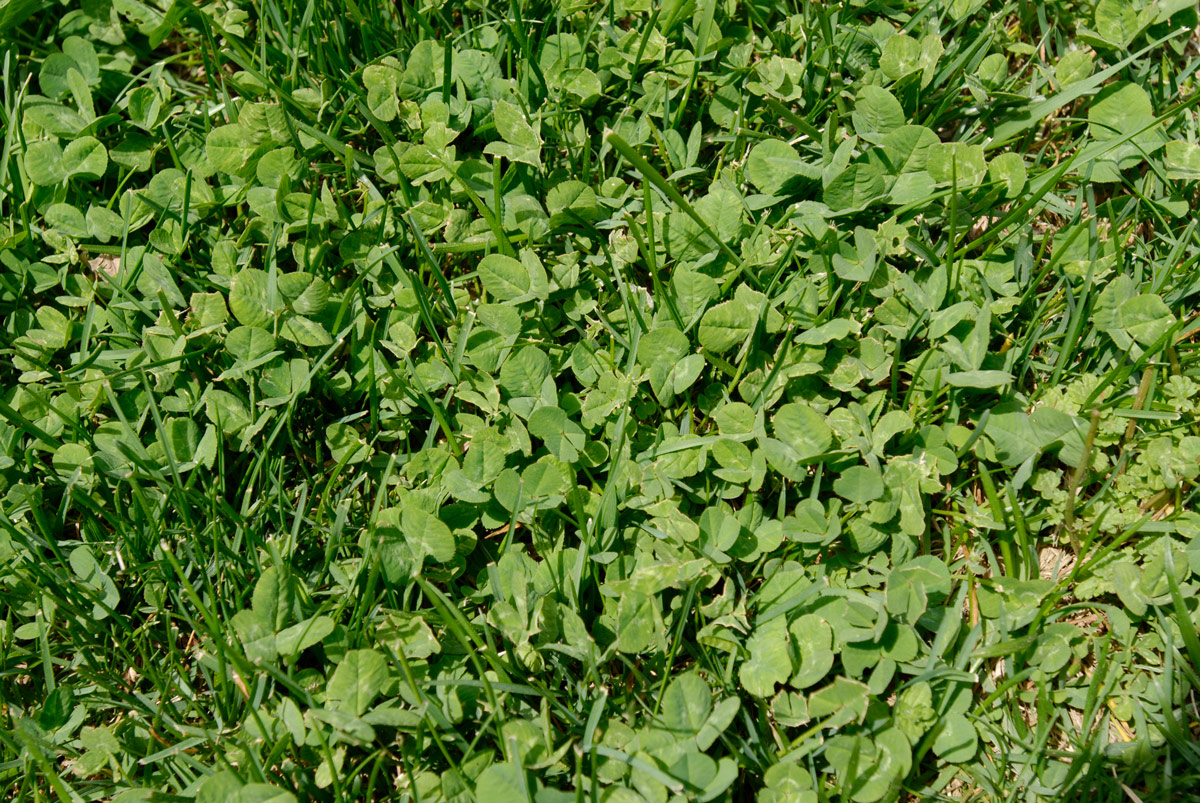
Image Source: naturalawn.com
Why Clover Appears in Your Lawn
Before we jump into the removal process, it’s helpful to understand why clover seems to love your lawn so much. Clover is a nitrogen-fixing plant. This means it takes nitrogen from the air and converts it into a form that plants can use. While this sounds beneficial, it often leads to clover outcompeting your grass, especially if your lawn is lacking in nitrogen.
Several factors contribute to clover’s success:
- Poor Soil Health: Compacted soil, low fertility, and poor drainage create an ideal environment for clover. Grass roots struggle to grow deep in these conditions, giving clover an advantage.
- Low Mowing Heights: Mowing your grass too short weakens it, making it more susceptible to weed invasion. Taller grass shades the soil, preventing weed seeds from germinating and provides a stronger root system for your turf.
- Infrequent Watering: Drought-stressed lawns are more vulnerable. Clover can tolerate drier conditions better than many types of grass.
- Excessive Thatch: A thick layer of thatch can smother grass and provide a good growing medium for clover.
Methods for Clover Removal
Getting rid of clover involves a multi-pronged approach, often combining different strategies for the most effective results. Let’s explore the best methods for clover removal.
1. Manual Weeding: The Hands-On Approach
For smaller patches of clover, manual weeding is a simple and effective solution. This method is particularly good for new infestations or when you want to avoid chemicals.
How to Manually Remove Clover
- Timing is Key: The best time to pull clover is when the soil is moist. This makes it easier to get the entire root system out. Water your lawn thoroughly the day before.
- Tools for the Job: Use a weeding tool, trowel, or even just your hands to grasp the clover plant firmly at its base.
- Pulling Technique: Gently but firmly pull the clover plant upwards. Try to extract as much of the root as possible. Leaving roots behind can allow the plant to regrow.
- Clean Up: Dispose of the pulled clover immediately. Do not leave it on the lawn, as it might re-root or the seeds could spread.
- Filling Gaps: After removing clover, fill any bare spots with good quality topsoil and reseed with your desired grass type. This prevents new weeds from taking hold.
Pros of Manual Weeding:
- Environmentally friendly.
- No chemicals are used.
- Effective for small, localized infestations.
- Helps aerate the soil slightly where the weeds are pulled.
Cons of Manual Weeding:
- Time-consuming and labor-intensive for larger lawns.
- May not remove all the roots, leading to regrowth.
- Can be difficult in very dry or compacted soil.
2. Chemical Weed Control: Targeted Solutions
Chemical weed control is a popular and often highly effective method for tackling widespread clover issues. The key is to use the right product at the right time.
Broadleaf Herbicides
Most herbicides designed for lawns are broadleaf herbicides. These are formulated to kill broadleaf weeds like clover, dandelions, and other common lawn invaders, while leaving your grass unharmed (assuming it’s a cool-season or warm-season grass type that the herbicide is safe for).
-
Active Ingredients to Look For: Common active ingredients in clover-killing herbicides include:
- 2,4-D: A widely used herbicide that targets broadleaf weeds.
- MCPP (Mecoprop): Often combined with 2,4-D for broader spectrum control.
- Dicamba: Another effective broadleaf herbicide that can penetrate tough weeds.
- Triclopyr: Particularly effective against woody plants and stubborn broadleaf weeds.
- Quinclorac: Known for its effectiveness against crabgrass but also targets clover.
-
Application Methods:
- Liquid Sprays: These can be applied using a hose-end sprayer or a backpack sprayer. Follow the dilution instructions on the product label carefully.
- Granular Weed-and-Feed Products: These combine fertilizer with a weed killer. They are convenient but can sometimes lead to uneven application if not spread properly.
When to Apply Broadleaf Herbicides
The timing of herbicide application is crucial for successful clover removal.
- Best Time: The most effective time to apply a broadleaf herbicide for clover is when the clover is actively growing and has plenty of leaf surface to absorb the chemical. This typically occurs in the spring as temperatures warm up and again in the fall as temperatures begin to cool but before the first hard frost.
- Avoid Stress: Do not apply herbicides when your grass is stressed due to drought, heat, or extreme cold. Healthy grass is more resilient to herbicide treatment.
- Read the Label: Always read and follow the product label instructions meticulously. This includes recommended application rates, target weeds, and grass types the product is safe for.
Important Considerations for Chemical Weed Control
- Target Specificity: Ensure the herbicide you choose is labeled for clover control and safe for your specific lawn grass type. Not all herbicides work on all grass types.
- Environmental Conditions: Avoid applying herbicides on windy days to prevent drift onto desirable plants or neighboring properties. Do not apply when rain is expected, as it can wash the herbicide away.
- Follow-Up: You may need multiple applications to completely eradicate clover, especially if the infestation is severe.
Dandelion Killer and Clover
Many products marketed as dandelion killer also effectively target clover because both are broadleaf weeds. If you see a product that lists clover as a target weed along with dandelions, it’s a good candidate for your lawn care needs.
3. Natural Weed Control Methods
For those who prefer to minimize or avoid chemical use, several natural weed control methods can be employed. These often focus on improving lawn health and making the environment less hospitable to clover.
Improving Lawn Health
- Proper Mowing: Mow your lawn at the higher end of the recommended height for your grass type. This encourages deeper root growth and shades out weed seeds. Aim for 2.5 to 3.5 inches for most cool-season grasses.
- Fertilization: A well-fed lawn is a strong lawn. Apply a balanced fertilizer in the fall and spring to ensure your grass has the nutrients it needs to outcompete weeds. Focus on nitrogen to promote vigorous grass growth.
- Aeration: Compacted soil is a major reason clover thrives. Aerating your lawn (removing small plugs of soil) allows air, water, and nutrients to reach the grass roots more effectively. This improves drainage and reduces soil compaction.
- Overseeding: After aeration, overseeding with a high-quality grass seed can help thicken your lawn and fill in any bare spots where clover might be trying to establish itself.
- Watering Wisely: Water your lawn deeply and less frequently. This encourages grass to develop deep roots, making it more drought-tolerant and competitive against shallow-rooted weeds like clover.
Natural Spot Treatments
- Vinegar: Horticultural vinegar (with a higher acetic acid content than household vinegar) can burn and kill clover on contact. However, it can also harm your grass. Use it with extreme caution and only on individual clover plants, avoiding the surrounding grass. It is not a long-term solution as it doesn’t typically kill the roots.
- Boiling Water: Pouring boiling water directly onto clover patches can kill them. This is best for small areas and requires care to avoid damaging your grass or burning yourself. Like vinegar, it may not kill the roots effectively.
Natural Weed Control: Pros and Cons
- Pros: Environmentally friendly, safe for pets and children (once dry), promotes overall lawn health.
- Cons: Can take longer to see results, may require repeated applications, less effective on severe infestations compared to chemical treatments.
4. Pre-Emergent Herbicides: Preventing Future Growth
While pre-emergent herbicides are primarily used to prevent the germination of annual weeds like crabgrass, some formulations can also help prevent clover seeds from establishing.
- How They Work: Pre-emergent herbicides create a chemical barrier in the soil that stops weed seeds from sprouting.
- Timing: The key to pre-emergent application is timing. For most common lawn weeds, the application window is early spring, just before soil temperatures consistently reach 55°F.
- Limitations: Pre-emergent herbicides are not effective against established clover plants. They are a preventative measure for future growth.
Combining Methods for Comprehensive Lawn Maintenance
The most successful approach to lawn maintenance and weed control, including clover removal, often involves a combination of strategies. Think of it as a holistic turf care plan.
Here’s a sample integrated approach:
Spring:
- Aeration and Dethatching: Address soil compaction and thatch buildup.
- Fertilization: Apply a spring fertilizer to encourage grass growth.
- Spot Treatment: Manually pull any visible clover patches or use a targeted natural spray.
- Broadleaf Herbicide Application: If clover is widespread, apply a selective broadleaf herbicide when clover is actively growing.
Summer:
- Proper Mowing: Maintain a higher mowing height.
- Deep Watering: Water deeply but infrequently.
- Monitor and Spot Treat: Continue to pull or spot-treat any new clover growth.
Fall:
- Overseeding: Fill in any thin areas with new grass seed.
- Fall Fertilization: Apply a fall fertilizer to help grass recover from summer stress and prepare for winter.
- Broadleaf Herbicide Application: A second application of broadleaf herbicide can be very effective in the fall to control clover and other perennial weeds before they go dormant.
- Pre-Emergent Application (Optional): If you have issues with annual weeds in addition to clover, consider a pre-emergent herbicide in early spring.
Frequently Asked Questions (FAQ)
Q1: Will pulling clover by hand actually get rid of it?
A: Yes, pulling clover by hand can be effective, especially for small patches. The key is to remove the entire root system to prevent regrowth. If you can’t get the whole root, the plant may sprout again from the remaining pieces.
Q2: Can I use a regular weed killer for clover?
A: You should use a broadleaf herbicide specifically designed for lawns. General-purpose weed killers might damage or kill your grass. Always check the product label to ensure it’s safe for your lawn type and targets clover.
Q3: Is clover bad for my lawn?
A: Clover can be a sign of underlying lawn problems like low nitrogen levels or compacted soil. While it can remain green during dry spells and fix nitrogen, it can also outcompete your grass for resources, leading to a patchy and less desirable lawn.
Q4: When is the best time to apply herbicide for clover?
A: The best time to apply a broadleaf herbicide to kill clover is when it is actively growing, which is typically in the spring and fall when temperatures are moderate. Avoid applying during extreme heat or drought.
Q5: Can I prevent clover from coming back?
A: Yes, you can prevent clover from coming back by maintaining a healthy, dense lawn. This includes proper mowing, regular fertilization, adequate watering, and aeration. Addressing soil conditions that favor clover is crucial for long-term prevention.
Q6: Is a dandelion killer also a clover killer?
A: Many products formulated as dandelion killer are broadleaf herbicides and will also kill clover, as both are broadleaf plants. Always check the product label to confirm that clover is listed as a target weed.
Q7: I have pets. Are there safe ways to get rid of clover?
A: For pet-safe clover removal, manual weeding and improving overall lawn health through natural methods (aeration, proper watering, fertilization) are the best options. If you choose to use herbicides, ensure you follow the label instructions carefully regarding re-entry times for pets and children.
Q8: What is the role of a pre-emergent herbicide in clover control?
A: A pre-emergent herbicide is used to prevent weed seeds from germinating. It is not effective on established clover plants but can help prevent new clover from establishing in your lawn if applied at the correct time in early spring.
By implementing these methods, you can effectively manage and eliminate clover from your lawn, leading to a healthier, more vibrant, and enjoyable outdoor space. Consistent lawn care and vigilance are your best allies in this endeavor.