
Can you get rid of mushrooms in your yard permanently? While complete and permanent eradication is challenging due to the ubiquitous nature of fungal spores, you can significantly control and minimize mushroom presence through consistent and targeted yard maintenance.
Mushrooms, often appearing after rain or on damp soil, are the fruiting bodies of fungi. These fungi exist in the soil year-round, feeding on decaying organic matter. When conditions are right – moisture, temperature, and available food – they sprout. Getting rid of them isn’t just about tidying up your lawn; it’s about addressing the underlying conditions that encourage fungal growth.
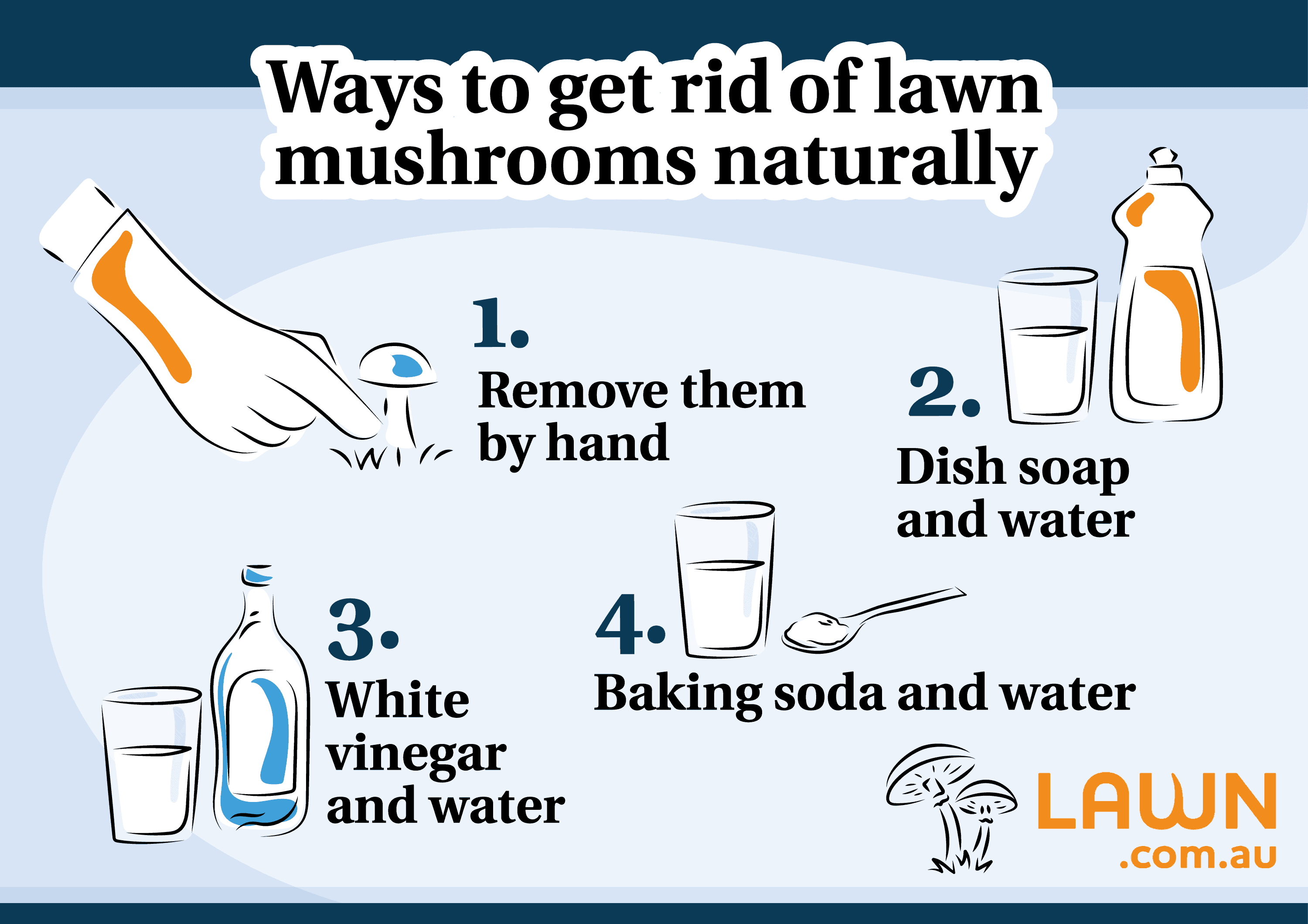
Image Source: lawn.com.au
Deciphering the Mushroom Menace: Why They Appear
Before we can tackle mushroom removal, we need to understand why they pop up. Mushrooms are the visible signs of a much larger underground network of mycelium. This network is a natural part of a healthy ecosystem, breaking down dead plant material. However, when this process leads to unsightly and sometimes concerning clusters in your yard, it’s time for action.
Several factors contribute to mushroom proliferation:
- Excess Moisture: Fungi thrive in damp environments. Poor drainage, overwatering, or prolonged periods of wet weather create ideal breeding grounds.
- Organic Matter: Decomposing leaves, grass clippings, wood chips, and even buried pet waste provide a food source for fungi.
- Shady Conditions: Areas with limited sunlight tend to stay moist longer, promoting fungal activity.
- Compacted Soil: Compacted soil hinders water drainage and air circulation, making it favorable for fungi.
- Thatch Buildup: A thick layer of thatch (dead grass stems and roots) can trap moisture and provide food for fungi.
Identifying Mushrooms in Your Lawn
It’s crucial to be able to identify the mushrooms you’re seeing. While most lawn mushrooms are harmless to the lawn itself, some can be toxic if ingested by pets or children. Identifying mushrooms correctly is the first step. Many common lawn mushrooms appear as small, brown, or white toadstools. They often form rings, known as “fairy rings,” or appear in clusters. If you’re unsure about the type of mushroom, it’s best to err on the side of caution and keep pets and children away from them.
Strategies for Mushroom Removal and Controlling Fungi
Getting rid of mushrooms involves a multi-pronged approach, focusing on eliminating the conditions that allow them to grow. This means consistent lawn care and addressing the root causes of fungal growth.
1. Physical Removal: The Immediate Fix
The simplest method for immediate mushroom removal is to pick them by hand.
- How to do it: Wear gloves and pull the mushrooms up from the base. Try to get as much of the underground stem (mycelium) as possible.
- Disposal: Place them in a sealed plastic bag and dispose of them in the trash. Do not compost mushroom-laden material, as this can spread spores.
- Why it helps: While this doesn’t solve the underlying problem, it removes the visible mushrooms and prevents them from releasing more spores.
h4: Raking and Aeration for Fungal Control
Regular raking can help dislodge mushrooms and remove fallen organic debris that feeds them.
- Benefits of Raking:
- Breaks up mushroom caps, preventing spore release.
- Removes thatch and leaf litter.
- Improves air circulation.
- Soil Aeration: This is a vital step in controlling fungi. Aeration creates small holes in the soil, allowing for better water penetration, improved drainage, and increased air circulation. This makes the soil less hospitable to fungi.
- Tools: You can use a manual core aerator, spike aerator, or a rented power aerator for larger areas.
- Timing: Aerate when your lawn is actively growing. For cool-season grasses, this is typically spring and fall. For warm-season grasses, late spring or early summer is best.
2. Addressing Moisture and Drainage Issues
Mushrooms love a damp environment. Tackling drainage issues is key to long-term mushroom removal.
- Reduce Watering: Ensure you are not overwatering your lawn. Water deeply but infrequently, allowing the soil to dry out slightly between watering sessions. Water in the morning so the grass can dry before nightfall.
- Improve Drainage:
- Check for Low Spots: Identify areas where water pools after rain or watering.
- Amend Soil: If your soil is heavily compacted clay, consider amending it with organic matter like compost to improve its structure and drainage.
- French Drains: For persistent standing water problems, consider installing French drains.
- Regrading: In severe cases, regrading your yard might be necessary to direct water away from your lawn.
- Manage Shade: Trim overhanging branches from trees and shrubs to allow more sunlight to reach the affected areas. This will help the soil dry out more quickly.
3. Managing Organic Matter and Thatch
Fungi need food, and decaying organic matter is their buffet.
- Regularly Rake Leaves: Don’t let fallen leaves accumulate on your lawn, especially during damp periods.
- Remove Grass Clippings: While grass clippings can be a good source of nitrogen, excessive amounts left on the lawn can contribute to thatch buildup and provide food for fungi. Consider mulching them finely or collecting them.
- Clear Debris: Remove any fallen branches, dead plants, or other organic debris from your lawn and garden beds.
- Compost Management: If you have a compost pile, ensure it is properly managed. Hot composting kills fungal spores. Keep compost away from your lawn.
- Wood Mulch: If you use wood mulch in garden beds, be aware that it will decompose and can support mushroom growth. Consider replacing it with gravel or inorganic mulch in problem areas, or ensure good drainage around these beds.
4. Enhancing Lawn Health: A Strong Defense
A healthy, vigorous lawn is more resistant to fungal problems.
- Proper Fertilization: Feed your lawn with the right nutrients at the right times. Avoid over-fertilizing, especially with nitrogen, as this can lead to lush growth that is more susceptible to disease.
- Mow at the Correct Height: Mow your lawn to the recommended height for your grass type. Taller grass shades the soil, keeping it moist, while grass cut too short can stress the roots and make it vulnerable.
- Overseeding: Fill in bare spots by overseeding. A dense lawn has fewer opportunities for weeds and fungi to establish.
Natural Remedies for Mushroom Control
Many homeowners prefer natural remedies to avoid chemical treatments. These methods focus on altering the environment to discourage fungal growth.
- Vinegar Solution: A diluted vinegar solution can help kill surface fungi.
- Recipe: Mix one part white vinegar with two parts water.
- Application: Spray directly onto the mushrooms and surrounding affected area. Be cautious, as vinegar can also kill grass if applied too concentrated or too frequently. Test in a small area first.
- Frequency: Apply as needed, but monitor your lawn’s response.
- Baking Soda: Baking soda can change the soil pH, making it less favorable for some fungi.
- Application: Sprinkle baking soda lightly over the affected areas.
- Caution: Like vinegar, overuse can affect grass health.
- Beneficial Fungi: Introducing beneficial fungi to your soil can outcompete the harmful ones. Products containing mycorrhizal fungi can help create a healthier soil ecosystem.
- Lime: In some cases, adding lime to the soil can raise the pH and make it less acidic, which can deter certain types of fungi. However, it’s best to test your soil pH first and consult with a local gardening expert before applying lime.
When to Consider Pesticide Use
While natural remedies are often preferred, in severe cases of fungal growth, targeted pesticide use might be considered. However, this should be a last resort and approached with caution.
- Types of Fungicides:
- Contact Fungicides: These kill fungi on contact. They need to be reapplied frequently.
- Systemic Fungicides: These are absorbed by the plant and kill fungi from within. They offer longer-lasting protection.
- Application:
- Read the Label: Always read and follow the manufacturer’s instructions carefully.
- Targeted Application: Apply only to the affected areas.
- Safety: Wear protective clothing, including gloves and a mask, during application.
- Environmental Impact: Be aware of the potential impact on beneficial insects, pets, and wildlife.
- Important Considerations:
- Identify the Fungus: Knowing the specific type of fungus can help you choose the most effective fungicide.
- Timing: Apply fungicides at the first sign of infection for best results.
- Consult Experts: If you’re unsure about which pesticide to use, consult with a local garden center or agricultural extension office.
h4: The Role of Soil Aeration in Pesticide Effectiveness
If you do decide to use a fungicide, soil aeration can actually improve its effectiveness. By creating pathways into the soil, aeration allows the fungicide to penetrate deeper and reach the mycelium more effectively.
Maintaining a Mushroom-Free Yard: Long-Term Yard Maintenance
Permanent mushroom removal is more about consistent yard maintenance than a one-time fix. The goal is to create an environment that is less hospitable to fungi.
- Regular Inspections: Keep an eye on your lawn for early signs of mushrooms, especially after periods of rain.
- Seasonal Cleanup: Dedicate time each spring and fall to thorough cleanup, removing all organic debris.
- Watering Wisely: Adjust your watering schedule based on the weather and your lawn’s needs.
- Aeration Schedule: Make soil aeration a regular part of your lawn care routine, perhaps once or twice a year.
- Thatch Management: Monitor your thatch layer and dethatch your lawn if it becomes too thick.
- Soil Testing: Periodically test your soil to ensure proper pH and nutrient levels.
h5: Common Pitfalls to Avoid
- Ignoring the Root Cause: Simply removing mushrooms without addressing moisture, drainage, or organic matter issues will lead to their return.
- Overwatering: This is a very common mistake that fuels fungal growth.
- Using Harsh Chemicals Without Need: Start with the least invasive methods and escalate only if necessary.
- Not Being Consistent: Lawn care is an ongoing process. Sporadic efforts won’t yield lasting results.
Frequently Asked Questions (FAQ)
Q1: Are lawn mushrooms poisonous?
A1: Many lawn mushrooms are not poisonous, but some can be. It’s impossible to know for sure without proper identifying mushrooms expertise. To be safe, keep children and pets away from any mushrooms in your yard.
Q2: Can I just mow over the mushrooms?
A2: Mowing over mushrooms can help break them up and prevent spore release, but it won’t eliminate the underlying fungal issue. It’s better to remove them physically.
Q3: How often should I aerate my lawn?
A3: For most lawns, aerating once a year is sufficient. If you have heavy clay soil or significant thatch buildup, twice a year may be beneficial.
Q4: Will lime get rid of mushrooms?
A4: Lime can help adjust soil pH and make it less favorable for certain fungi, but it’s not a guaranteed solution for all types of mushrooms. Always test your soil pH before applying lime.
Q5: Is it bad for my lawn if I see mushrooms?
A5: Mushrooms themselves don’t typically harm your grass directly. They are a symptom of underlying conditions, usually excess moisture or decaying organic matter, which can indirectly weaken your lawn over time.
Q6: Can I use commercial mushroom removal products?
A6: Yes, there are commercial lawn products designed to help control fungal growth and manage mushrooms. These often work by altering soil conditions or containing fungicides. Always follow product instructions carefully.
By implementing these strategies, you can effectively manage and significantly reduce the presence of mushrooms in your yard, leading to a healthier and more aesthetically pleasing lawn. Consistent yard maintenance is your best ally in controlling fungi.