
Many homeowners wonder if earthworms are good for their lawns. Earthworms are generally beneficial for soil health, as they break down organic matter and aerate the soil, leading to healthier plant growth and reducing the need for chemical fertilizers. However, in cases of a worm infestation, or when earthworm castings become unsightly, you might be looking for ways for earthworm control and eliminating earthworms from your lawn. This guide will explore natural methods and essential lawn care practices to manage earthworm populations.
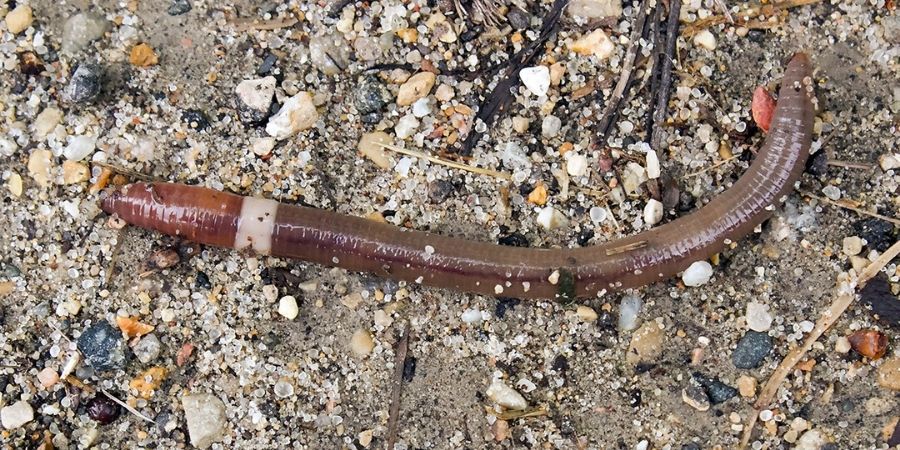
Image Source: www.milorganite.com
The Role of Earthworms in Your Lawn
Earthworms are nature’s little tillers. They are vital for a healthy ecosystem in your soil. As they move through the soil, they create tunnels. These tunnels help water and air reach the plant roots. This is very important for grass growth.
Benefits of Earthworms
- Soil Aeration: Their burrowing action naturally loosens compacted soil. This allows oxygen and water to penetrate deeper, which is crucial for root development.
- Nutrient Cycling: Earthworms consume dead organic material, such as fallen leaves and grass clippings. They excrete this processed material as earthworm castings, which are rich in nutrients like nitrogen, phosphorus, and potassium. These castings are excellent natural fertilizers for your lawn.
- Improved Soil Structure: The constant movement and excretion of castings help create a more crumbly, well-structured soil. This improves drainage and water retention.
- Pest Control: Some earthworm species consume small insect larvae and other soil-dwelling pests, contributing to a more balanced soil environment.
When Earthworms Become a Problem
While beneficial, there are situations where you might want to reduce earthworm activity.
- Excessive Castings: Large numbers of earthworms can produce an abundance of earthworm castings on the surface of your lawn. These mounds can make mowing difficult and create an uneven playing field. They can also be a nuisance for outdoor activities.
- Specific Soil Conditions: In very rare cases, certain soil conditions or specific earthworm species might contribute to turf stress, although this is not a common issue for most home lawns.
- Aesthetic Concerns: For those who prefer a perfectly smooth, manicured lawn, the visual impact of earthworm castings can be undesirable.
Natural Methods for Earthworm Control
When aiming for natural earthworm control, the focus is on creating an environment that is less inviting to excessive earthworm populations while still maintaining overall soil health. The goal is not to eradicate earthworms entirely, but to manage their numbers to a level that is beneficial rather than problematic.
1. Maintaining Proper Lawn Mowing Practices
The height at which you mow your lawn plays a significant role in its overall health and, consequently, the earthworm population.
Mowing Height Recommendations
- Higher Mowing: Aim to mow your grass at a higher setting. For most cool-season grasses, this means keeping the grass blades at least 2.5 to 3 inches tall. Taller grass shades the soil surface, keeping it cooler and moister, which is generally favorable for earthworms. However, very tall grass can sometimes lead to a buildup of thatch.
- Regular Mowing: Mow regularly to prevent the grass from becoming too tall. Remove no more than one-third of the grass blade length at any single mowing.
2. Managing Thatch Buildup
Thatch removal is a crucial aspect of lawn care that can indirectly influence earthworm populations. Thatch is a layer of dead and living stems, roots, and other organic matter that accumulates between the green grass blades and the soil surface.
What is Thatch?
Thatch is a natural byproduct of grass growth. A thin layer (less than ½ inch) is beneficial as it insulates the soil and conserves moisture. However, when it becomes too thick, it can create problems.
How Thatch Affects Earthworms
A thick thatch layer can provide a moist, protected environment for earthworms to thrive. While earthworms are beneficial, an overly dense thatch can also impede the benefits they provide, such as soil aeration and nutrient penetration.
Thatch Removal Techniques
- Dethatching: This process involves physically removing the excess thatch layer. This can be done with a power rake (dethatcher) or a verticutter. It’s best to do this in the spring or fall when the grass is actively growing.
- Core Aeration: Lawn aeration involves using a machine to remove small plugs of soil from the lawn. This is highly effective at reducing thatch and improving air, water, and nutrient penetration to the root zone. Aeration also loosens compacted soil, which can be beneficial for earthworm activity in a positive way, but it also disrupts their environment on the surface.
- Proper Watering and Fertilizing: Over-watering and over-fertilizing can contribute to rapid thatch buildup. Adjust your watering schedule to water deeply but infrequently, and use fertilizers judiciously.
3. Improving Drainage
Earthworms prefer moist, but not waterlogged, soil. Poorly draining lawns can create conditions that are too wet, which may deter some earthworm activity or encourage certain species that tolerate wetter conditions.
Drainage Solutions
- Lawn Aeration: As mentioned, lawn aeration improves drainage by creating pathways for water to move through the soil.
- Amend Soil: If you have heavy clay soil, incorporating organic matter like compost can improve its structure and drainage over time.
- Regrading: In severe cases of poor drainage, you might need to regrade your lawn to ensure water flows away from the house and lawn area.
4. Adjusting Watering Practices
While earthworms need moisture, extremely saturated soil can be detrimental to their survival.
Watering Strategies
- Water Deeply, Less Often: Encourage deep root growth by watering your lawn deeply but less frequently. This allows the surface to dry out slightly between waterings, which can make it less hospitable for earthworms seeking constant moisture.
- Avoid Overwatering: Monitor your irrigation system to ensure you are not overwatering. Overwatering can lead to soggy conditions that might be less ideal for some earthworm populations.
5. Using Natural Amendments and Soil Conditioners
Certain natural materials can alter the soil’s pH or composition, making it less favorable for earthworms.
Corn Gluten Meal
- How it Works: Corn gluten meal is a natural pre-emergent herbicide and fertilizer. It’s often cited as a natural deterrent for earthworms, although scientific evidence is mixed. The theory is that it dehydrates them.
- Application: Apply corn gluten meal in early spring before earthworms become highly active. Follow product instructions carefully. It also adds nitrogen to the soil, acting as a slow-release fertilizer.
Sandy Topdressing
- How it Works: Topdressing your lawn with a thin layer of coarse sand can alter the soil texture. Earthworms generally prefer finer, more organic soil.
- Application: Apply a light layer of sand (about ¼ inch) and rake it into the turf. Repeat this process over several seasons for noticeable effects. This also helps improve drainage and reduce thatch.
6. Encouraging Beneficial Predators
A healthy ecosystem includes predators that help keep insect and invertebrate populations in balance.
Natural Predators
- Birds: Many bird species, such as robins and starlings, feed on earthworms. Encouraging a diverse bird population can help naturally control earthworm numbers.
- Moles and Shrews: While these animals can sometimes cause their own lawn problems (mounds and tunnels), they are natural predators of earthworms.
7. Aeration and Overseeding
Performing regular lawn aeration and overseeding is a cornerstone of good lawn care. It not only addresses thatch and soil compaction but also promotes a denser, healthier turf.
Aeration Benefits
- Improved Soil Structure: Breaking up compacted soil allows for better air and water exchange.
- Reduced Thatch: Core aeration physically removes soil and thatch.
- Healthier Roots: Encourages deeper and stronger root systems.
Overseeding Benefits
- Denser Turf: A thicker lawn can outcompete weeds and create a more uniform surface, masking the appearance of earthworm castings.
- Improved Resilience: Healthier turf is more resistant to pests and diseases.
8. Understanding Soil pH
While earthworms are generally tolerant of a range of soil pH levels, extreme pH can affect their activity.
pH Adjustments
- Alkalinity: Some gardeners report that slightly more alkaline soil conditions can deter earthworms. You can raise soil pH by applying lime.
- Acidity: Conversely, very acidic soils can also be less favorable. Adding sulfur can lower soil pH.
- Testing: It’s important to get your soil tested to determine its current pH and nutrient levels before making any amendments.
Specific Strategies for Eliminating Earthworms
If you are looking for more direct methods for eliminating earthworms, particularly when dealing with a significant worm infestation, these approaches may be considered, though a balanced perspective on their ecological role is always advised.
1. Using Worm-Repelling Plants
Certain plants are believed to have properties that deter earthworms.
Examples of Repellent Plants
- Marigolds: Known for their pest-repelling qualities.
- Garlic and Onions: Their strong scent can be off-putting.
- Walnut Trees: Contain juglone, a natural herbicide and repellent.
Gardening tips often suggest interplanting these species in garden beds, but their direct impact on a large lawn is limited.
2. Natural Repellents
Some natural substances can be applied to the lawn to deter earthworms.
Rhubarb Leaves
- How it Works: Rhubarb leaves contain oxalic acid, which is toxic to earthworms.
- Application: Chop rhubarb leaves and scatter them on the affected areas of your lawn. This is a temporary measure.
Coffee Grounds
- How it Works: While often cited for composting, some believe that the caffeine and acidity in coffee grounds can deter earthworms.
- Application: Sprinkle used coffee grounds thinly over the lawn. Avoid thick layers, which can mat down and hinder grass growth.
3. Chemical Control (Use with Caution)
While this guide focuses on natural methods, it’s important to acknowledge that chemical solutions exist. However, the use of pesticides or chemicals specifically designed to kill earthworms is generally not recommended for several reasons:
- Ecological Impact: Earthworms are crucial for soil health. Killing them can disrupt the soil ecosystem.
- Harm to Other Organisms: Chemical treatments can also harm beneficial insects, soil microbes, and even pets or wildlife that consume earthworms.
- Unintended Consequences: Some chemicals can persist in the soil and have long-term negative effects on your lawn and the surrounding environment.
If you are experiencing a severe worm infestation that is causing significant damage, it is advisable to consult with a local horticulturalist or a certified lawn care professional. They can help diagnose the specific issue and recommend the most appropriate and environmentally sound solutions.
Lawn Care Tips for a Healthier, Balanced Lawn
Beyond specific earthworm control methods, focusing on overall lawn care will naturally promote a balanced ecosystem where earthworm populations remain beneficial rather than problematic.
1. Regular Soil Testing
Knowing your soil’s characteristics is the first step to effective lawn care.
Benefits of Soil Testing
- pH Level: Helps determine if pH adjustments are needed.
- Nutrient Levels: Informs you about essential nutrients missing or in excess.
- Soil Type: Identifies if your soil is clay, sandy, or loamy, which affects drainage and aeration needs.
How to Test
- DIY Kits: Available at garden centers.
- Local Extension Office: Most agricultural extension offices offer affordable soil testing services.
2. Proper Fertilization
Fertilizing your lawn correctly supports healthy grass growth and can indirectly influence earthworm activity.
Fertilization Best Practices
- Slow-Release Fertilizers: These release nutrients gradually, preventing rapid, excessive growth that can lead to thatch.
- Apply at the Right Time: Fertilize during your lawn’s active growing seasons (spring and fall for cool-season grasses).
- Avoid Over-Fertilizing: Too much fertilizer can harm soil microbes and contribute to thatch buildup. Follow product recommendations carefully.
3. Overseeding for Density
A dense lawn is more resilient and can better withstand the appearance of earthworm castings.
Overseeding Process
- Timing: Fall is typically the best time to overseed cool-season lawns.
- Seed Selection: Choose grass varieties suited to your climate and existing turf.
- Preparation: Mow the lawn low, dethatch if necessary, and lightly rake the soil surface to ensure good seed-to-soil contact.
4. Watering Wisely
Consistent, appropriate watering is key.
Watering Guidelines
- Depth: Aim for about 1 inch of water per week, delivered in one or two deep watering sessions.
- Timing: Water early in the morning to minimize evaporation and reduce the risk of fungal diseases.
- Observation: Pay attention to your lawn’s needs. Wilted grass is a sign it needs water.
5. Seasonal Lawn Maintenance Schedule
A consistent maintenance schedule ensures your lawn stays healthy throughout the year.
Seasonal Tasks
| Season | Key Tasks | Earthworm Considerations |
|---|---|---|
| Spring | Lawn aeration, thatch removal, fertilizing, overseeding | Aeration and dethatching can disrupt surface egg masses and populations. |
| Summer | Mowing, watering, spot treating weeds | Maintain proper mowing height. Avoid overwatering to prevent overly saturated conditions. |
| Fall | Lawn aeration, overseeding, fertilizing, leaf removal, final mow | Fall aeration is excellent for overall soil health. Leaf removal prevents dense thatch. |
| Winter | Minimal activity, prepare tools | Earthworms are less active in cooler temperatures. |
Frequently Asked Questions (FAQ)
Are earthworms bad for lawns?
No, earthworms are generally very good for lawns. They improve soil structure, aeration, and nutrient availability through their earthworm castings. Problems arise only with a significant worm infestation or aesthetic concerns related to excessive earthworm castings.
How can I tell if I have too many earthworms?
You’ll know if you have too many earthworms primarily by the excessive number of earthworm castings appearing on your lawn’s surface, making it uneven and difficult to mow.
Can I get rid of earthworms completely?
It is not advisable or typically necessary to get rid of earthworms completely. They are beneficial soil organisms. The goal is to manage their population through good lawn care practices to prevent them from becoming a nuisance.
Is corn gluten meal effective for earthworm control?
The effectiveness of corn gluten meal as a deterrent for earthworms is debated. Some anecdotal evidence suggests it can work as a natural repellent, while scientific studies are mixed. It’s also a good natural fertilizer.
What is the best time for lawn aeration and thatch removal?
The best times for lawn aeration and thatch removal are during the active growing seasons of your grass, typically spring or fall. This allows the turf to recover quickly from the process.
How do earthworm castings affect my lawn?
Earthworm castings are incredibly beneficial for your lawn. They are packed with nutrients, improve soil structure, and enhance water retention. The only downside is when they are produced in excessive quantities, creating mounds.
Should I use chemicals to get rid of earthworms?
Using chemicals for earthworm control is generally not recommended. Earthworms are vital for soil health, and chemicals can harm beneficial organisms, pets, and the environment. Natural methods and good lawn care practices are preferred.
What if I see a lot of earthworms on the surface after rain?
Seeing earthworms on the surface after heavy rain is a natural phenomenon. The rain can dislodge them from their burrows, and they may come to the surface to breathe if the soil becomes saturated. This is usually temporary and not indicative of an infestation.