
Can you keep mice out of your garden naturally? Yes, you absolutely can! By using natural deterrents and implementing smart garden protection strategies, you can effectively deter rodents and prevent infestation without resorting to harsh chemicals. This guide will explore various organic solutions and methods to exclude mice and keep your garden thriving.
Mice in the garden can be a real nuisance. They nibble on seeds, young seedlings, vegetables, fruits, and even gnaw on garden hoses and irrigation systems. While some creatures are beneficial to a garden ecosystem, mice often fall into the pest category, causing damage that can set back your planting efforts. The good news is that you don’t need to resort to poisons or traps that can harm other wildlife. There are many natural deterrents and mouse proofing techniques that are effective and environmentally friendly.
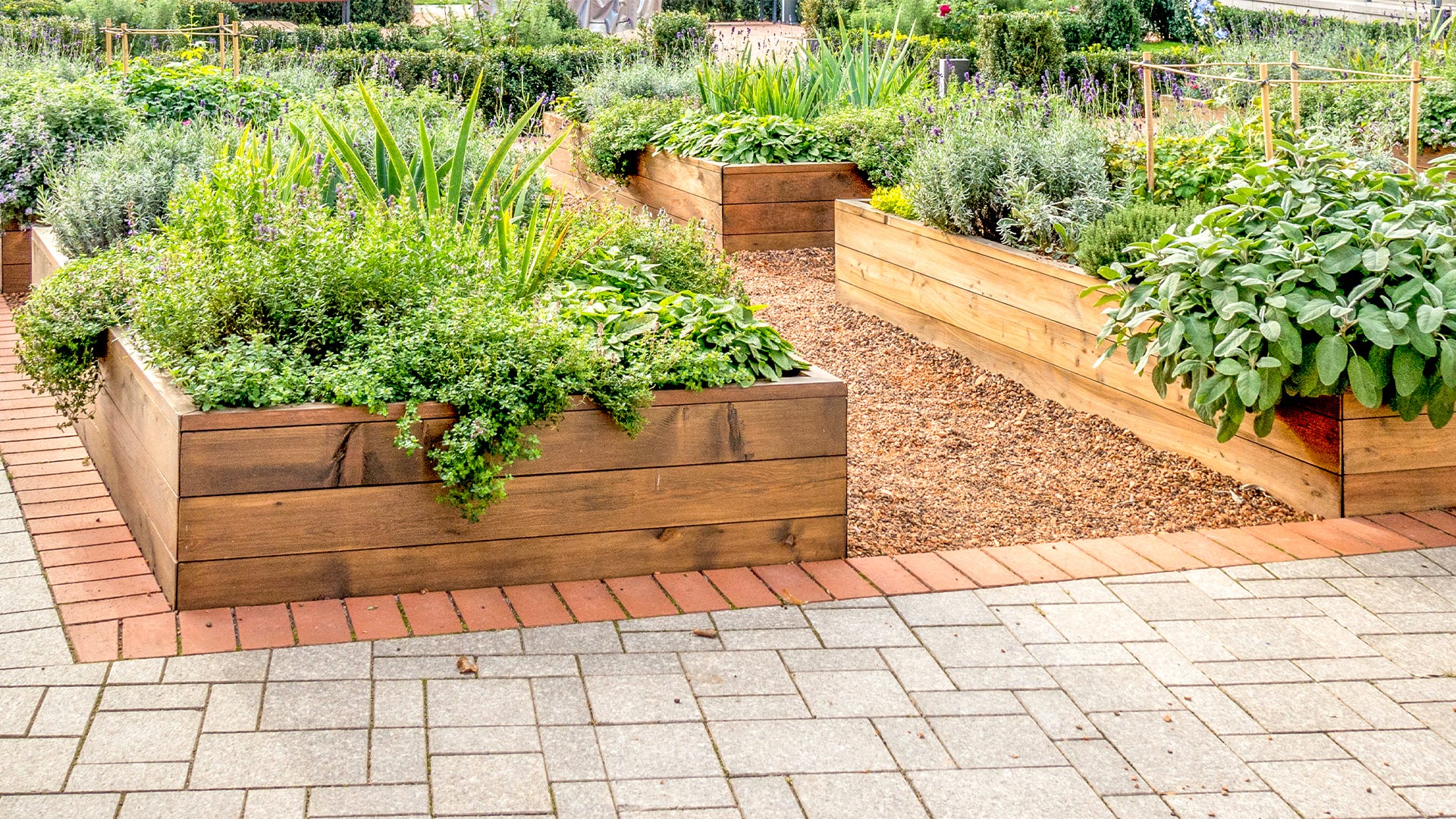
Image Source: www.victorpest.com
The Challenge of Garden Invaders
Mice are small, agile, and reproduce quickly. This makes them a persistent problem for gardeners. They are attracted to gardens for several key reasons:
- Food Sources: Gardens offer a smorgasbord of food, from seeds and sprouts to tender leaves, ripe berries, and fallen fruit.
- Shelter: Dense foliage, overgrown areas, compost piles, and structures like sheds or woodpiles provide excellent hiding places and nesting sites.
- Water: While less common, access to water sources can also draw mice in.
Addressing the problem requires a multi-pronged approach focused on making your garden less inviting and more difficult for them to access. This involves understanding their habits and implementing proactive measures for garden protection.
Natural Deterrents: Making Your Garden Unappealing
The core of keeping mice out naturally lies in using scents, tastes, and textures that they find unpleasant. These natural deterrents work by confusing their sense of smell or making the environment uncomfortable for them.
Scent-Based Deterrents
Mice have a keen sense of smell, which they rely on heavily for navigation and finding food. Disrupting this sense can make your garden an unattractive place.
1. Peppermint Oil
Peppermint is a classic rodent repellent. The strong scent is overpowering to mice and can even irritate their respiratory systems, making them avoid the area.
- How to Use:
- Soak cotton balls in pure peppermint essential oil.
- Place these cotton balls strategically around your garden beds, near entry points to your shed, or any areas where you’ve seen mouse activity.
- Re-soak the cotton balls every few days as the scent fades.
- You can also create a spray by mixing a few drops of peppermint oil with water and a little dish soap (to help the oil disperse) in a spray bottle. Mist this around vulnerable plants and garden borders.
2. Cayenne Pepper and Other Spicy Powders
The capsaicin in cayenne pepper is a natural irritant that mice dislike. Other spicy powders like black pepper or chili powder can also work.
- How to Use:
- Sprinkle cayenne pepper directly around the base of plants you want to protect.
- Create a spray by mixing cayenne pepper with water and a bit of dish soap. Be cautious with this spray, as it can irritate your skin and eyes, so wear gloves and eye protection. Test on a small area of a plant first to ensure it doesn’t cause damage.
- Caution: While effective, repeated application of pepper can sometimes affect soil quality or harm beneficial insects if overused.
3. Garlic
The strong odor of garlic is another natural rodent repellent.
- How to Use:
- Plant garlic cloves or garlic bulbs around your garden beds. As they grow, their scent can deter mice.
- Make a garlic spray by boiling crushed garlic cloves in water, letting it steep, straining it, and then spraying the liquid around your garden.
- You can also sprinkle garlic powder around susceptible plants.
4. Ammonia-Soaked Rags
The smell of ammonia is similar to urine from predators, which can scare mice away.
- How to Use:
- Soak rags or cotton balls in household ammonia.
- Place these in open containers (like old yogurt cups) around the garden.
- Important Note: Ammonia is a strong chemical. Use it with extreme caution. Ensure pets and children cannot access these areas. Avoid direct contact with plants, as it can harm them. This is a less preferred method due to potential collateral damage and strong fumes.
5. Coffee Grounds
Used coffee grounds have a strong aroma that can mask other enticing scents and also provide a slightly abrasive texture that mice may find uncomfortable to walk on.
- How to Use:
- Sprinkle used coffee grounds liberally around the perimeter of your garden beds and around individual plants.
- This also has the added benefit of adding nitrogen to your soil as they decompose.
6. Cloves and Clove Oil
The potent smell of cloves is also disliked by mice.
- How to Use:
- Place whole cloves or cotton balls soaked in clove oil around your garden.
Taste and Texture Deterrents
Some materials can deter mice by being unpalatable or uncomfortable to handle.
1. Diatomaceous Earth (Food Grade)
Food-grade diatomaceous earth (DE) is a powdery substance made from fossilized aquatic organisms. Its microscopic sharp edges scratch the exoskeletons of insects and rodents, causing them to dehydrate and die.
- How to Use:
- Lightly sprinkle a barrier of food-grade DE around your garden beds or vulnerable plants.
- Important: DE loses its effectiveness when wet, so reapply after rain or watering. It’s also a dust, so wear a mask when applying to avoid inhalation.
2. Eggshells
Crushed eggshells can create a sharp, uncomfortable barrier for mice to traverse.
- How to Use:
- Crush clean eggshells into small pieces.
- Sprinkle them around plants and garden borders.
3. Pine Needles and Coarse Mulch
Mice prefer soft, easy-to-navigate surfaces. Coarser materials can make movement more difficult and less appealing.
- How to Use:
- Use coarser mulches like pine needles or wood chips around your plants.
- Avoid fine mulches like straw, which can provide excellent cover and nesting material.
Repellent Plants (Companion Planting)
Certain plants naturally repel mice and other rodents with their strong scents. Integrating these into your garden design can offer a layer of garden protection.
- Mint Varieties: Besides peppermint, other mints like spearmint and catmint can deter mice. Plant them in containers with permeable bottoms or in areas where you can control their spread, as mint can be invasive.
- Onions and Garlic: As mentioned for scent, these are also excellent companion plants.
- Marigolds: The scent of marigolds is often said to deter a range of pests, including rodents.
- Radishes: Their strong peppery flavor can be off-putting.
- Rue: This herb has a strong, distinct smell that mice reportedly dislike.
Garden Protection: Physical Barriers and Habitat Modification
Beyond scents, physical barriers and modifying the garden environment are crucial for effective mouse proofing and pest control.
Creating Physical Barriers
Preventing mice from accessing your garden and specific plants is a direct way to exclude mice.
1. Hardware Cloth Fencing
Hardware cloth (wire mesh with small openings, typically 1/4 inch or smaller) is an excellent material for creating physical barriers.
- How to Use:
- Raised Beds: If you have raised garden beds, line the bottom and sides of the bed with hardware cloth before filling it with soil. Ensure the mesh extends a few inches above the soil line and is secured firmly.
- Individual Plant Protection: For valuable or newly planted seedlings, create cages or sleeves from hardware cloth that completely enclose the plant and extend a few inches into the soil.
- Perimeter Fencing: For larger garden areas, you can erect a hardware cloth fence. It should be at least 2-3 feet high and buried at least 6-12 inches into the ground to prevent burrowing underneath. Bend the bottom 6 inches outward to create an “L” shape, which further deters digging.
2. Tree Guards and Trunk Wraps
Young trees and shrubs can be vulnerable to mice gnawing on their bark, especially in winter when other food sources are scarce.
- How to Use:
- Wrap the base of tree trunks with hardware cloth, sturdy plastic guards, or even thick layers of newspaper secured with twine.
- Ensure the guard extends high enough to protect the vulnerable lower trunk.
3. Netting for Fruits and Vegetables
Protecting ripening fruits and vegetables directly can prevent mice from getting a feast.
- How to Use:
- Drape fine netting or row covers over plants bearing fruit or vegetables as they begin to ripen.
- Ensure the netting reaches the ground and is secured to prevent mice from crawling underneath.
Habitat Modification: Removing Attractions
Mice are drawn to gardens that offer convenient food, water, and shelter. Reducing these attractants is a key part of pest control.
1. Keep Your Garden Tidy
Overgrown vegetation, fallen leaves, and debris provide ideal hiding spots and nesting materials for mice.
- What to Do:
- Weed Regularly: Keep weed growth under control.
- Clean Up Debris: Remove fallen leaves, dead plants, and garden waste promptly.
- Manage Mulch: Use mulch sparingly around plants that mice seem to favor, and avoid piling mulch high against plant stems. Choose coarser mulches over fine ones.
- Clear Around Sheds and Structures: Keep the areas around sheds, garages, and compost bins free of clutter, woodpiles, and tall grass.
2. Secure Your Compost Pile
Compost piles can be a prime dining and nesting spot for mice, especially if they contain food scraps.
- How to Make it Mouse-Proof:
- Use a compost bin with a lid and a sturdy wire mesh bottom.
- Avoid adding meat, dairy, or oily food scraps to your compost, as these are particularly attractive to rodents.
- Turn your compost regularly to aerate it and make it less appealing as a nesting site.
3. Store Garden Supplies Properly
Bags of seeds, potting soil, and even garden tools can be attractive to mice looking for nesting materials or food.
- What to Do:
- Store all garden supplies in rodent-proof containers. Metal bins or sturdy plastic bins with tight-fitting lids are ideal.
- Keep these storage areas clean and free of spills.
4. Manage Water Sources
While not the primary attraction, standing water can be a bonus for mice.
- What to Do:
- Fix leaky hoses and irrigation systems.
- Ensure bird baths or other water features are managed to avoid stagnant pools.
Encouraging Natural Predators
One of the most effective organic solutions for long-term pest control is to encourage natural predators of mice in your garden.
- Beneficial Birds: Owls, hawks, and other birds of prey are excellent at hunting mice.
- How to Attract: Install owl boxes or perching posts in your yard. Plant trees and shrubs that provide shelter for these birds.
- Snakes: Many non-venomous snakes are natural predators of rodents.
- How to Attract: Provide safe basking areas (rocks, logs) and brush piles in areas away from your main garden. Avoid eradicating snakes; they play a vital role in the ecosystem.
- Predatory Insects: While less effective for adult mice, some predatory insects can help control very young rodents or deter them through their presence.
- Domestic Cats and Dogs: While not always a practical solution for every gardener, some pets can be effective at deterring or catching mice. Ensure their access to the garden is supervised if you have concerns about them disturbing beneficial wildlife.
Considerations for Safe Mouse Removal
When implementing these strategies, the goal is to make your garden unwelcoming to mice, encouraging them to move elsewhere. If you find a persistent problem, you might consider safe mouse removal options.
- Live Traps: These traps catch mice without harming them.
- How to Use: Place live traps along known mouse pathways. Bait them with peanut butter or seeds. Check traps regularly and release any caught mice far from your home and garden (at least a mile away). Releasing them too close might just send them back.
- Humane Traps: Similar to live traps, these are designed for humane capture.
Important: Avoid using rodenticides (poisons). These are not targeted, can harm pets, children, and beneficial wildlife, and can cause suffering to the mice. They also pose a risk to predators that might consume poisoned rodents.
Prevention: The Best Defense
The most effective strategy for keeping mice out of your garden is consistent prevention. Regularly inspect your garden for signs of mice (droppings, gnawed plants, burrow entrances) and address any issues promptly.
Table: Mouse Deterrent Summary
| Deterrent Type | Examples | How it Works | Application Notes |
|---|---|---|---|
| Scent Deterrents | Peppermint Oil, Cayenne Pepper, Garlic | Overpowers scent, irritates respiratory system. | Reapply frequently, especially after rain. Test sprays on plants. |
| Taste/Texture | Diatomaceous Earth, Eggshells, Mulch | Unpleasant texture, abrasive, unpalatable. | DE loses effectiveness when wet. Eggshells need regular replenishment. |
| Repellent Plants | Mint, Marigolds, Garlic, Onions | Strong scents mice dislike. | Plant strategically. Control invasive plants like mint. |
| Physical Barriers | Hardware Cloth, Tree Guards, Netting | Prevents physical access to plants or garden. | Bury edges to prevent burrowing. Ensure no gaps. |
| Habitat Control | Tidy garden, secure compost, storage | Removes food, shelter, and nesting opportunities. | Regular cleaning and maintenance are key. |
| Natural Predators | Owls, Snakes, Birds of Prey | Prey on mice, keeping populations in check. | Provide habitat and perches. Avoid harming beneficial wildlife. |
Frequently Asked Questions (FAQ)
Q1: Will planting certain flowers keep mice away from my vegetable garden?
A1: Yes, some flowers and herbs act as natural deterrents. Marigolds, mint, and catmint are often cited for their ability to deter rodents due to their strong scents. Integrating these into your garden design can contribute to overall garden protection.
Q2: How can I protect my newly planted seeds from mice?
A2: You can exclude mice from newly planted seeds by covering the area with a layer of hardware cloth or chicken wire. Make sure the mesh is fine enough (1/4 inch) and push it slightly into the soil. Alternatively, you can sprinkle crushed eggshells or food-grade diatomaceous earth around the seeded area.
Q3: Is it safe to use peppermint oil in my garden?
A3: Yes, peppermint oil is considered a safe and effective rodent repellent. It’s an organic solution that doesn’t harm plants or beneficial insects when used correctly. Soak cotton balls and place them around vulnerable areas, or dilute it in water for a spray. Remember to reapply as the scent fades.
Q4: What’s the best way to prevent mice from nesting in my garden shed?
A4: Mouse proofing your garden shed involves sealing any cracks or holes they can enter through. Store all garden supplies and food items in rodent-proof metal or sturdy plastic containers with tight-fitting lids. Keep the shed clean and free of clutter, old bags, or nesting materials.
Q5: Can I use natural methods to remove mice already in my garden?
A5: Yes, you can employ safe mouse removal and pest control methods that are natural. Encouraging predators, using live traps, and applying scent deterrents can help. The goal is to make the environment unattractive so they leave on their own or can be humanely relocated.
By combining these natural deterrents and garden protection strategies, you can create a garden that is less appealing to mice, ensuring your plants can grow and flourish without unwanted nibblers. Consistency is key, so regularly maintain your defenses and enjoy a healthier, mouse-free garden.