
Can you keep raccoons out of your garden? Yes, you absolutely can! This guide provides quick and effective tips to prevent raccoons from raiding your precious plants and protect vegetables.
Raccoons are intelligent, resourceful, and often opportunistic creatures. Their curious nature and adept paws make them frequent visitors to gardens, where they can cause significant damage. They are attracted by easily accessible food sources, including fruits, vegetables, berries, nuts, seeds, and even insects found in the soil. For many gardeners, the battle to control raccoons is an ongoing one. This article will delve into various methods to deter raccoons and create a raccoon proof garden, ensuring your hard work isn’t undone by these masked bandits.
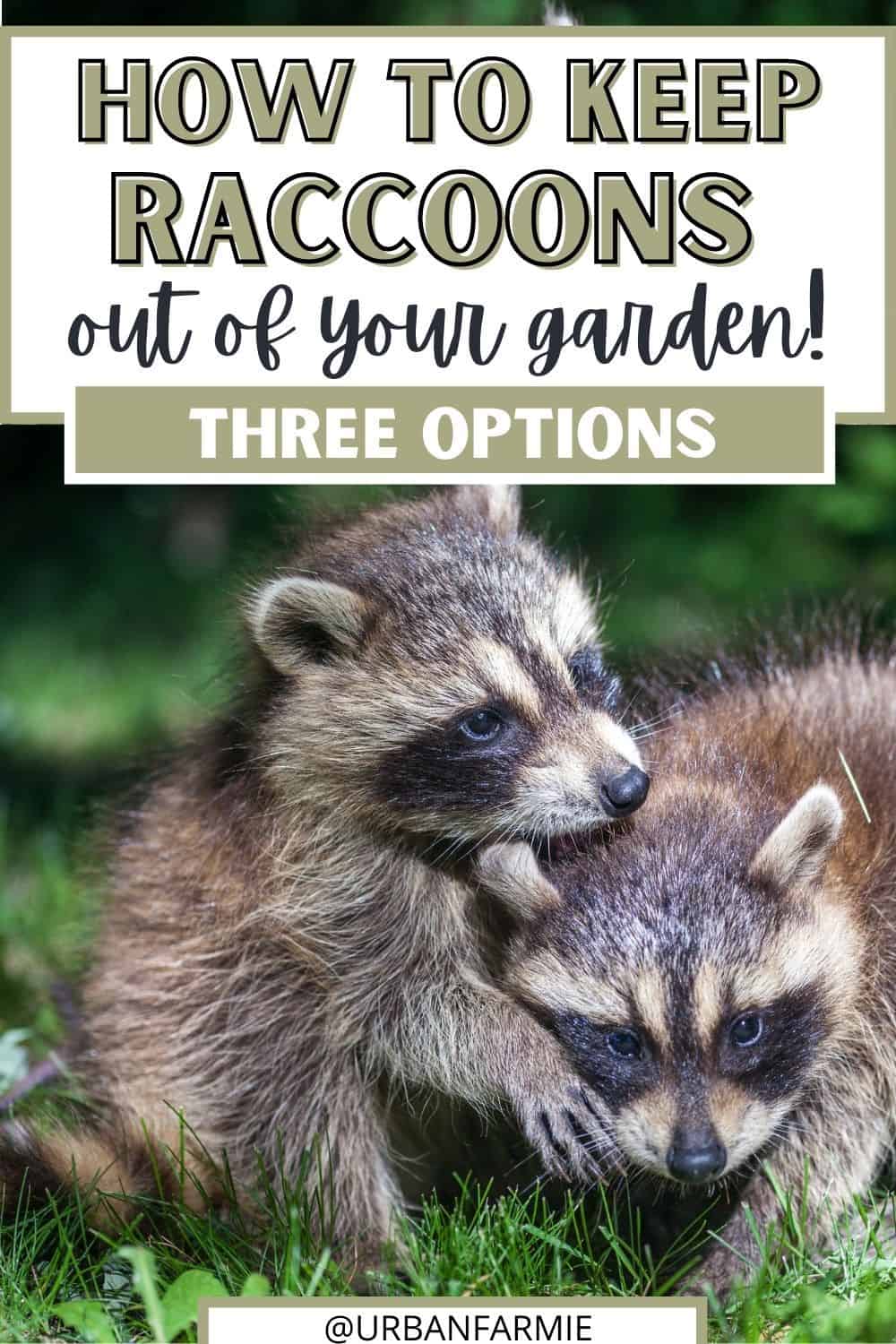
Image Source: urbanfarmie.com
Why Raccoons Target Gardens
Raccoons are omnivores, meaning they eat both plants and animals. Your garden offers a smorgasbord of delights for them. They have a particular fondness for:
- Ripe Fruits and Vegetables: Tomatoes, corn, berries, melons, and cucumbers are prime targets.
- Grains and Seeds: Any seeds or grains left accessible can attract them.
- Insects and Grubs: Digging in the soil for tasty invertebrates is a common raccoon behavior.
- Pet Food: If you leave pet food outdoors, it’s a dinner bell for raccoons.
- Garbage: Unsecured trash cans are a significant attractant.
Effective Strategies to Deter Raccoons
Keeping raccoons out of your garden involves a multi-pronged approach. The goal is to make your garden an unappealing and inaccessible place for them.
Garden Fencing: The First Line of Defense
A robust garden fencing solution is one of the most effective ways to prevent raccoons from entering your garden. However, not just any fence will do. Raccoons are excellent climbers and can squeeze through surprisingly small gaps.
Key Features of Effective Garden Fencing:
- Height: The fence should be at least 3 feet (0.9 meters) tall to deter climbing.
- Material: Strong materials like galvanized wire mesh or sturdy metal are best. Avoid flimsy chicken wire that raccoons can easily tear.
- Mesh Size: The mesh openings should be no larger than 1 inch (2.5 cm) to prevent smaller raccoons or young ones from getting through.
- Burrow Proofing: Raccoons are diggers. To prevent raccoons from digging under the fence, bury the bottom edge of the mesh at least 12 inches (30 cm) deep into the ground. Alternatively, you can bend the bottom 6-12 inches outward (forming an L-shape) at a 90-degree angle and bury it, creating an “anti-dig” skirt. This makes it harder for them to get a foothold to burrow.
- Overhanging Lids: For particularly persistent climbers, consider adding an inward-facing overhang at the top of the fence. This can be a section of mesh angled inwards, making it difficult for them to grip and climb over.
- Secure Gates: Ensure any gates are as secure as the fence itself, fitting snugly and latching properly.
Table: Fence Material Considerations
| Material | Pros | Cons | Best Use |
|---|---|---|---|
| Galvanized Wire | Durable, strong, effective mesh sizes available | Can be more expensive, requires proper installation | Main fence barrier, including underground skirt. |
| Welded Wire Mesh | Strong, good for deterring climbing and digging | Can be heavier, requires sturdy posts. | Around raised beds or perimeter fencing. |
| Chicken Wire | Inexpensive, easy to work with | Flimsy, easily damaged, raccoons can tear or climb it. | Not recommended as primary defense. |
| Electric Fencing | Highly effective deterrent, humane if installed correctly | Requires power source, can be a hazard if not maintained | Perimeter fencing for stubborn raccoons. |
Creating a Raccoon Proof Garden: Beyond Fencing
While fencing is crucial, several other measures can significantly contribute to a raccoon proof garden.
Eliminating Attractants
The most effective way to deter raccoons is to remove what draws them in.
- Secure Garbage: Always use sturdy bins with tight-fitting lids. Consider locking lids or placing bins in a secure shed or garage. Never leave garbage bags outside overnight.
- Manage Pet Food: Do not leave pet food or water bowls outdoors, especially overnight. Feed pets at specific times and remove any uneaten food promptly.
- Harvest Promptly: Pick ripe fruits and vegetables as soon as they are ready. Don’t leave fallen fruit or vegetables lying on the ground, as these are easy targets.
- Compost Wisely: If you compost, ensure your compost bin is completely enclosed and made of sturdy materials. Avoid adding meat scraps or dairy products, which are particularly attractive to raccoons.
Motion-Activated Deterrents
Raccoons are wary of sudden movements and loud noises.
- Motion-Activated Sprinklers: These devices detect movement and spray a burst of water. The sudden surprise can be enough to send a raccoon scurrying away. They are a natural raccoon deterrent as they don’t harm the animal.
- Motion-Activated Lights: Bright lights that suddenly switch on can startle nocturnal animals like raccoons.
- Ultrasonic Devices: These emit high-frequency sounds that are unpleasant to raccoons but generally inaudible to humans and pets. Their effectiveness can vary, and raccoons may eventually get used to them.
Natural Raccoon Deterrents
Many gardeners prefer to use natural raccoon deterrents to keep these animals away. These methods aim to make the garden smell or taste unpleasant to raccoons.
- Strong Scents: Raccoons have a keen sense of smell.
- Peppermint Oil: Soak cotton balls in peppermint oil and place them around the garden perimeter, especially near vulnerable plants. Reapply regularly as the scent fades.
- Cayenne Pepper/Hot Sauce: Sprinkle cayenne pepper or spray diluted hot sauce around plants. Reapply after rain. Be cautious, as this can irritate your skin and eyes.
- Ammonia-Soaked Rags: Place rags soaked in ammonia in a perforated plastic bag and place them around the garden. The strong smell can be a raccoon repellent. Be careful not to get ammonia directly on your plants.
- Epsom Salts: Some anecdotal evidence suggests raccoons dislike the taste or texture of Epsom salts sprinkled around plants.
- Predator Urine: Products made from the urine of predators like coyotes or foxes can be used as a raccoon repellent. These scents signal danger and can make raccoons feel unsafe. Follow product instructions for application.
- Dirty Diapers: The scent of human waste can be a surprisingly effective natural raccoon deterrent, as it signals the presence of humans, which raccoons tend to avoid. Place used diapers in perforated bags around the garden.
Physical Barriers and Obstacles
Sometimes, simple physical deterrents can work wonders.
- Protective Covers: Use netting, row covers, or cages made from wire mesh to cover particularly tempting plants like corn or berry bushes. Ensure these covers are secured to the ground to prevent raccoons from lifting them.
- Cages Around Specific Plants: For individual plants like tomato plants, you can create small cages from chicken wire or hardware cloth.
- Scare Tactics:
- Scarecrows and Reflective Objects: While traditional scarecrows might not fool a determined raccoon for long, shiny objects like old CDs, aluminum foil strips, or pinwheels can create visual distractions that may momentarily deter them. Move these items around regularly to keep them novel.
- Wind Chimes or Radios: Placing a radio tuned to a talk station or a wind chime near the garden can create noise that might startle raccoons.
Companion Planting for Deterrence
Some plants are said to have scents that deter raccoons. While not a foolproof method, incorporating these into your garden design might offer some additional protection.
- Mint: Known for its strong scent, mint can be planted around the garden’s edge. Be mindful that mint can spread aggressively.
- Marigolds: Their pungent aroma is believed to deter various pests, possibly including raccoons.
- Garlic and Onions: The strong scent of these alliums might be off-putting to raccoons.
What To Do If Raccoons Are Already in the Garden
If you already have raccoons actively raiding your garden, you might need to consider more direct intervention.
Humane Raccoon Removal
If raccoons have become a persistent problem, humane raccoon removal might be necessary. This typically involves trapping the animals and relocating them.
- Live Traps: Use a live trap baited with something appealing like marshmallows, canned sardines, or peanut butter.
- Placement: Place the trap near areas where you’ve seen raccoon activity, such as near burrows or entry points.
- Checking Traps: Check the traps frequently, at least twice a day (morning and evening). Never leave a trapped animal in the trap for extended periods, especially in extreme weather.
- Relocation: If you successfully trap a raccoon, consult your local wildlife authorities for guidance on legal and humane relocation practices. Relocating animals can be complex and may not be effective if done improperly, as they may not survive in a new territory or can become a nuisance elsewhere. It’s often best to contact a professional wildlife removal service.
Important Note on Relocation: Relocating wildlife is often regulated by local laws. Always check with your state’s Department of Natural Resources or Fish and Wildlife agency before attempting to trap and relocate any animal. In many cases, it’s illegal or requires special permits.
Professional Wildlife Control
For severe infestations or when other methods fail, hiring a professional wildlife control service is a sensible option. They have the expertise and equipment for effective and humane raccoon removal and can offer customized solutions for your specific situation.
Maintaining a Raccoon Proof Garden: Long-Term Success
Keeping raccoons out of your garden is an ongoing effort. Consistency is key.
- Regular Maintenance: Continue to check fences for breaches, replenish raccoon repellent scents, and maintain secure garbage and pet food practices.
- Observe and Adapt: Pay attention to what seems to work and what doesn’t. Raccoons are intelligent and can adapt to deterrents, so you may need to switch up your methods periodically.
- Community Effort: If you live in a neighborhood with raccoon problems, talk to your neighbors. A coordinated effort to eliminate attractants and implement deterrents can be much more effective.
Frequently Asked Questions About Deterring Raccoons
Q1: What is the most effective raccoon repellent?
A1: While effectiveness can vary, a combination of strong physical barriers like sturdy fencing and eliminating attractants (like unsecured garbage and pet food) is the most reliable approach. For repellents, strong scents like peppermint oil or predator urine can be effective but require regular reapplication.
Q2: Can I use human hair or soaps to deter raccoons?
A2: Some people believe that scattering human hair or placing bars of strong-smelling soap (like Irish Spring) around the garden can deter raccoons. The theory is that these scents mimic predators or are generally unpleasant. However, anecdotal evidence is mixed, and their effectiveness is often temporary.
Q3: How deep should I bury my garden fence to prevent raccoons from digging under it?
A3: To effectively prevent raccoons from digging under your garden fencing, you should bury the bottom edge at least 12 inches (30 cm) deep. Alternatively, create an outward-facing L-shaped skirt of wire mesh at the base, buried just below the surface, to discourage digging.
Q4: Are ultrasonic devices effective for deterring raccoons?
A4: Ultrasonic devices emit high-frequency sounds that are supposed to be unpleasant for raccoons. Their effectiveness is debated, and raccoons may become accustomed to the sound over time. They are generally considered a supplementary deterrent rather than a primary solution.
Q5: What are the best plants to deter raccoons naturally?
A5: While not a foolproof method, plants with strong scents like mint, marigolds, garlic, and onions are often suggested as natural raccoon deterrents. Planting these around the perimeter of your garden may offer some passive protection.
Q6: Is it legal to trap and relocate raccoons?
A6: Laws regarding trapping and relocating wildlife vary significantly by location. It is crucial to check with your local wildlife authorities (e.g., state Department of Natural Resources) before attempting any form of trapping or relocation. In many areas, it is illegal or requires special permits.
Q7: What should I do if I find a raccoon in my garden during the day?
A7: While raccoons are primarily nocturnal, they can be active during the day, especially if they are sick, injured, or have young to care for. If you see one, do not approach it. Make noise from a distance to encourage it to leave, and then secure any potential food sources it might be attracted to. If it appears sick or aggressive, contact animal control.
Q8: How can I protect my corn from raccoons?
A8: Corn is a favorite for raccoons. The best ways to protect vegetables like corn are to enclose the entire corn patch with sturdy, buried fencing (at least 3 feet tall with an anti-dig skirt), or cover individual ears or plants with fine-mesh netting or bags secured tightly. Harvesting corn as soon as it’s ripe is also crucial.
Q9: Are there any smells that raccoons hate?
A9: Raccoons generally dislike strong, pungent smells. This includes the scents of ammonia, strong essential oils like peppermint, and the urine of natural predators like coyotes and foxes. Using these as raccoon repellent can be effective, but the smells need to be reapplied regularly.
Q10: How can I make my garden “raccoon proof” without using harsh chemicals?
A10: Making your garden raccoon proof naturally involves a combination of physical barriers (like sturdy, buried fencing), eliminating attractants (garbage, pet food), using natural raccoon deterrents (strong scents, motion-activated sprinklers), and employing non-harmful scare tactics. The focus is on making the garden inaccessible and unappealing.