
What can I do to stop geese from coming into my yard? You have many options, from simple deterrents to more involved strategies, all aimed at making your yard less appealing to these waterfowl. This article will explore effective ways to stop geese from invading your personal space, keeping your lawn pristine and your peace undisturbed. We’ll cover a range of goose control solutions, from natural goose deterrents to more active methods for keeping geese away from your lawn.
Geese can be beautiful creatures, but when they decide your yard is their personal buffet and bathroom, it’s time to explore methods to stop goose infestation. Their constant grazing can decimate your lawn, and their droppings can create a messy and unsanitary environment. This guide offers a comprehensive look at deterring geese from yard areas, ensuring your property remains a sanctuary for you, not for them.
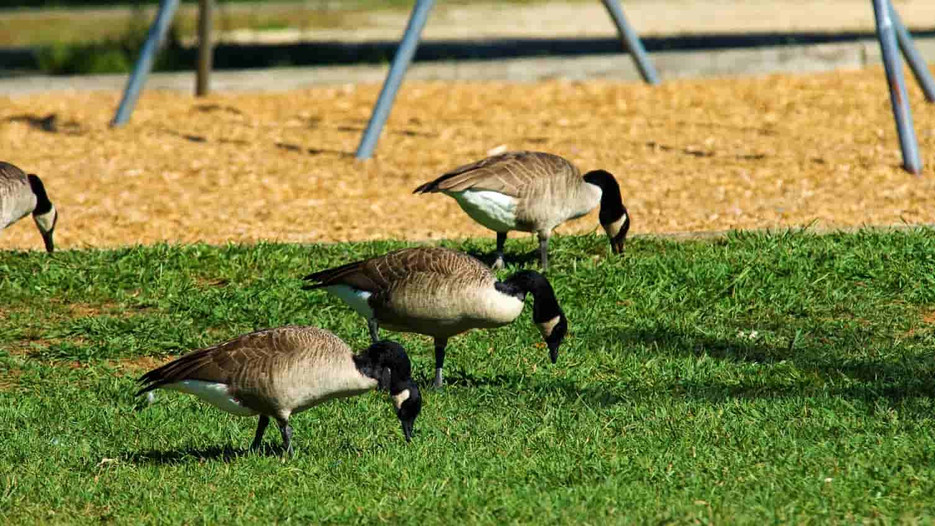
Image Source: cdn11.bigcommerce.com
Why Are Geese Attracted to Your Yard?
Before we dive into solutions, it’s helpful to grasp why geese choose specific locations. Geese are attracted to a combination of food, water, and safety. Your yard likely offers one or more of these.
The Appeal of a Well-Maintained Lawn
- Abundant Food Source: A lush, green lawn is a prime feeding ground for geese. They are grazers, and well-watered, fertilized grass is highly nutritious and palatable.
- Water Proximity: Geese need water for drinking, bathing, and protection. If your yard is near a pond, lake, stream, or even a swimming pool, it becomes an even more attractive destination.
- Lack of Predators: Your yard, especially if it’s in a suburban or urban area, often lacks natural predators that would typically keep geese in check in wilder environments.
- Shelter and Safety: Open lawns provide good visibility, allowing geese to spot approaching threats. They feel secure in areas where they can see and be seen.
Humane Goose Removal and Deterrents
The goal is to make your yard unwelcome for geese without causing them harm. Humane goose removal and goose repellent methods are the most ethical and often most effective long-term strategies.
Physical Barriers and Modifications
One of the most direct ways of preventing geese in garden spaces and lawns is to make access difficult or unappealing.
Fencing
- Types of Fencing: While a full, impenetrable fence might be overkill, strategic fencing can be very effective. Consider:
- Low-lying fencing: A fence around your garden beds or a vegetable patch can deter them from grazing.
- Temporary fencing: For specific areas or during vulnerable times, temporary barriers can be useful.
- Material Matters: Ensure the fencing is sturdy and tall enough to prevent them from simply stepping over it.
Modifying the Landscape
- Vegetation Choices: Certain plants are less appealing to geese. Consider planting dense, prickly, or tall grasses and shrubs around the perimeter of your yard or near water sources. Geese prefer short, tender grasses.
- Tall ornamental grasses: These can create a natural barrier and are unpalatable.
- Prickly bushes: Roses, barberry, and other thorny plants can discourage them from walking through.
- Water Features: If you have a pond or water feature, consider a steeper bank or installing a fence around it. Geese prefer gradual slopes for easy access.
- Yard Edges: Keep your lawn edges trimmed short. Geese prefer longer grass where they can hide and feed more comfortably.
Sensory Deterrents
Geese rely on their senses. Disrupting these senses can make your yard seem less inviting.
Visual Deterrents
- Scare Devices:
- Predator Decoys: Realistic-looking owl, hawk, or coyote decoys can startle geese. The key is to move them frequently (every few days) as geese are intelligent and will quickly learn that stationary decoys are not a threat.
- Shiny Objects: Reflective tape, Mylar balloons, or old CDs hung from trees or stakes can flash light and scare geese. Again, movement and placement are crucial.
- Flags and Banners: Brightly colored flags or flapping banners can also be effective visual deterrents.
- “Scarecrow” Robots: Some advanced devices mimic predator movements and sounds. While expensive, they can be highly effective for larger areas.
Auditory Deterrents
- Noise Makers:
- Ultrasonic Devices: These emit high-frequency sounds that are unpleasant to geese but generally inaudible to humans and pets. Their effectiveness can vary, and geese may become accustomed to them.
- Distress Calls: Recordings of goose distress calls or predator sounds can be played at specific times. Again, rotating sounds and times is key to preventing habituation.
- Movement-Activated Sprinklers: While primarily a water deterrent, the sudden spray of water can also be a startling auditory and visual stimulus.
Olfactory and Gustatory Deterrents
- Repellent Sprays: These typically rely on strong tastes or smells that geese find offensive.
- Grape Seed Extract/Corn Gluten Meal: These are often cited as natural goose deterrents that interfere with grass growth and seed germination, making the grass less appealing.
- Commercial Repellents: Many commercially available goose repellents use natural ingredients like essential oils (e.g., peppermint, rosemary) or bird distress pheromones. Read labels carefully and follow instructions for application.
Behavioral Deterrents
Sometimes, the presence of something unusual or disruptive is enough to keep geese at bay.
Dogs
- Herding Dogs: Breeds like Border Collies or Australian Shepherds, when trained for goose herding, can be incredibly effective. Their presence and natural instinct to chase are powerful deterrents. This is a more involved solution requiring training and dedicated attention.
- “Guard” Dogs: Even a well-behaved dog that barks at or chases geese (without harming them) can be a deterrent.
Human Presence and Activity
- Regular Yard Maintenance: Simply being present in your yard – mowing, gardening, playing – can discourage geese. They prefer undisturbed areas.
- Walking the Perimeter: Regularly walking the boundaries of your property, especially during peak goose arrival times, can help.
Effective Goose Proofing Strategies
Effective goose proofing involves a multi-pronged approach. Combining several methods often yields the best results for keeping geese away from lawn and garden areas.
Creating an Unwelcoming Environment
Think like a goose. What makes a yard a desirable spot? Remove those attractants.
Water Source Management
- Drainage: Ensure your yard doesn’t have standing water after rain.
- Pool Covers: Keep swimming pools covered when not in use.
- Pond Edges: As mentioned, make pond edges steep or fence them off.
Food Source Elimination
- Clean Up Droppings: Goose droppings not only look bad but also attract more geese. Regular cleanup signals that the area isn’t a nesting or feeding haven.
- Avoid Feeding: Never feed geese in your yard. This habit is difficult to break and directly reinforces their presence.
- Trash Management: Secure garbage cans to prevent them from spilling food scraps that might attract geese.
Utilizing Specialized Products and Services
When DIY methods aren’t enough, consider more targeted solutions.
Goose Repellent Granules and Sprays
These products are designed to make the grass unpalatable. They often need reapplication, especially after rain.
Bird Hazing Services
Professional services can use a variety of methods, including trained dogs, drones, or sonic devices, to actively move geese off your property.
Advanced Goose Control Solutions
For persistent problems or large infestations, more advanced goose control solutions might be necessary.
Dog Services
- Professional Dog Teams: Companies specializing in canine goose control use highly trained dogs to herd geese away from properties. These dogs are trained to chase without harming the birds. This is one of the most effective and humane methods for large-scale methods to stop goose infestation.
Drones
- Aerial Deterrents: Drones equipped with lights, sounds, or even robotic predator images can be used to patrol and scare geese away. This is a newer technology but shows promise.
Habitat Modification (Large Scale)
For persistent issues on larger properties, consider altering the habitat to be less attractive:
- Planting Less Palatable Vegetation: Replacing traditional turf grass with native, less desirable plants can be a long-term solution.
- Altering Water Features: Making water sources less accessible or less appealing.
Natural Goose Deterrents That Work
Many homeowners prefer natural goose deterrents that are safe for children, pets, and the environment.
Garlic Sprays
- How it Works: Geese dislike the smell and taste of garlic. A homemade garlic spray (blended garlic cloves with water, strained, and a little dish soap added) can be sprayed on the lawn.
- Application: Reapply after rain or heavy dew.
Vinegar
- How it Works: Similar to garlic, the strong smell and acidity of vinegar can deter geese.
- Application: Diluted vinegar can be sprayed around the perimeter of your yard. Be cautious, as concentrated vinegar can harm plants.
Essential Oils
- Peppermint, Rosemary, Clove: These oils have strong scents that many birds find unpleasant.
- Application: Mix a few drops with water and a carrier oil or dish soap and spray on the lawn.
Marigolds and Other Plants
- Companion Planting: Planting marigolds, basil, or other strongly scented herbs around garden beds can help keep geese away from your vegetables.
Dealing with Geese Bothering Backyard Areas
When geese bothering backyard spaces become a nuisance, it’s time to implement a consistent strategy.
Consistent Application of Deterrents
The key to most deterrents is consistency. Geese are creatures of habit. If your deterrents are only used sporadically, they will quickly learn that your yard is safe again.
Observe Goose Behavior
- Identify Entry Points: Where do they enter your yard? Focus your efforts on these areas.
- Note Feeding Times: Are they coming at specific times of the day? You can deploy deterrents strategically.
- Check for Nesting: If geese are nesting, removal becomes more complicated and may require specific permits or professional help.
Combination Approach for Maximum Effectiveness
- Visual + Auditory: Use scare tape and a motion-activated sprinkler.
- Physical + Sensory: Fence off your garden and use natural repellents on the lawn.
Frequently Asked Questions (FAQ)
What is the most effective goose repellent?
The “most effective” repellent often depends on the specific situation and the habits of the local geese. However, a combination of methods, including physical barriers, regular yard maintenance (keeping grass short), and active deterrents like trained dogs or motion-activated sprinklers, often proves most successful. Professional dog hazing services are widely considered very effective.
Can I use scare tape to deter geese?
Yes, scare tape (also known as bird deterrent tape or reflective tape) is a popular and often effective visual deterrent. Its effectiveness relies on its movement in the wind and its shiny, reflective surface, which startles geese. For best results, move the tape to different locations every few days, as geese can become accustomed to stationary objects.
Will leaving my dog outside deter geese?
A dog’s presence can be a deterrent, especially if the dog is active and vocal. However, geese can become habituated to dogs they don’t perceive as a threat. For maximum effectiveness, consider actively involving your dog in chasing geese (without allowing harm) or investing in training for a herding breed.
Is it legal to harm or kill geese?
In many regions, Canada Geese are protected migratory birds. It is illegal to harm, kill, capture, or disturb them, especially during nesting season, without proper permits. Always research and adhere to local wildlife regulations. Humane deterrents and methods to stop goose infestation are the recommended and legal approaches.
How often do I need to reapply goose repellent?
The reapplication frequency for goose repellent sprays and granules varies depending on the product and weather conditions. Generally, you should reapply after significant rainfall or heavy dew. Natural deterrents like garlic or vinegar sprays will also need frequent reapplication, perhaps every few days to a week, to maintain their effectiveness.
Can I use lights to keep geese away?
Yes, lights can be a deterrent. Motion-activated lights can startle geese when they approach. Additionally, some specialized bird control lights emit specific wavelengths that are thought to be unpleasant for birds. However, geese may become accustomed to constant light sources, so variability or motion activation is usually more effective.
What is the best way to stop geese from nesting in my yard?
Preventing geese from nesting is crucial for long-term goose control. Remove potential nesting materials and clear out areas that offer cover near water. If you see geese showing interest in nesting, immediately implement deterrents. Early intervention is key to preventing them from establishing a territory.
Conclusion: A Peaceful Yard Awaits
Stopping geese from coming into your yard requires patience, consistency, and a willingness to try different methods. By implementing a combination of physical barriers, sensory deterrents, and habitat modifications, you can create an environment that is naturally unwelcoming to these feathered visitors. Remember that humane goose removal and goose repellent methods are the most ethical and sustainable approaches. With these strategies, you can achieve effective goose proofing and reclaim your yard for your own enjoyment, free from the mess and disruption of geese bothering backyard activities. The goal is not to eradicate geese but to coexist peacefully by making your property less attractive to them, allowing you to enjoy a pristine lawn and garden once more.