
Want to see vibrant orioles flitting through your garden? The good news is that attracting these beautiful birds to your yard is achievable with a few thoughtful additions. You can easily attract orioles by providing the right food sources, especially nectar feeders, and by offering suitable nesting and perching spots.
Orioles are a delight to behold, with their brilliant colors and cheerful songs. If you’ve ever dreamt of having these striking birds visit your backyard, you’re in luck! Attracting orioles isn’t as difficult as you might imagine. It’s all about giving them what they need and love. This guide will walk you through everything you need to know to become an oriole magnet.
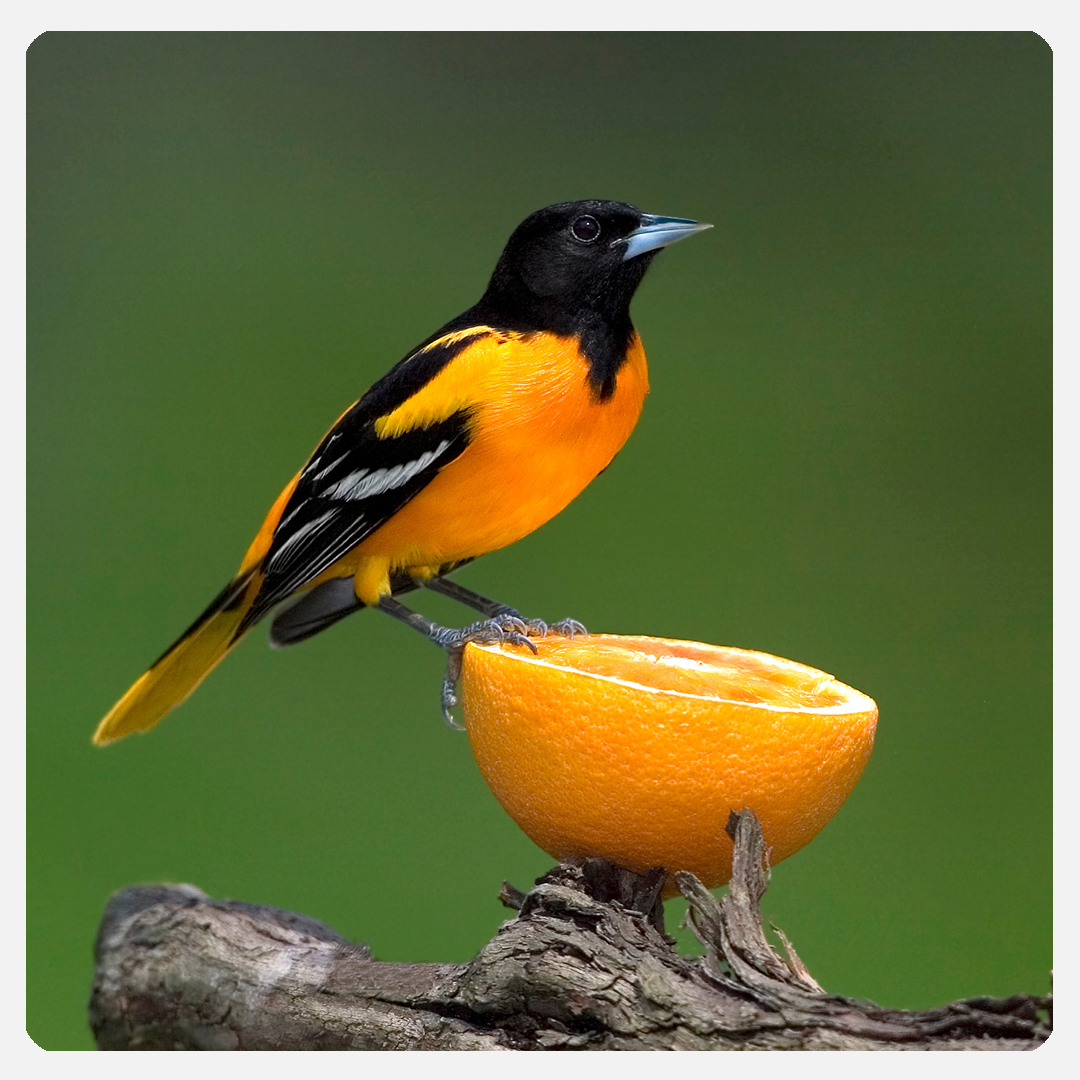
Image Source: will.illinois.edu
What Do Orioles Eat?
Orioles have a varied diet that includes insects, nectar, and fruits. Offering a combination of these will greatly increase your chances of attracting them.
The Allure of Nectar Feeders
While many people think of nectar feeders primarily for hummingbirds, orioles are also very fond of them. These feeders, often designed to dispense a sweet liquid, can be a significant draw for orioles, especially during their migratory periods when they need to refuel.
Choosing the Right Nectar Feeders
When selecting nectar feeders for orioles, look for those that are easy to clean and refill. Some feeders are specifically designed with larger ports to accommodate the orioles’ beaks, which are longer and more robust than hummingbird beaks. It’s important to note that while hummingbird feeders can attract orioles, dedicated oriole feeders often feature perches and larger openings that make feeding more comfortable for them.
The Perfect Sugar Water Recipe
The key to a successful sugar water recipe for orioles, just like for hummingbirds, is simplicity and proper proportions. You’ll want to use a 4-to-1 ratio of water to sugar.
-
Ingredients:
- 4 cups of water
- 1 cup of granulated white sugar
-
Instructions:
- Boil the water.
- Add the sugar and stir until completely dissolved.
- Let the mixture cool completely before filling your feeders.
- Important: Never use honey, artificial sweeteners, or red dye, as these can be harmful to birds.
Regularly cleaning your feeders is crucial to prevent mold and bacterial growth, which can sicken the birds. Aim to clean them every 2-3 days during warm weather and at least once a week in cooler temperatures.
Beyond Nectar: Fruit for Orioles
Orioles are particularly drawn to fruits, and offering a variety can be incredibly effective in attracting orioles. Their bright colors and sweet juices are irresistible.
Popular Fruits for Orioles
- Orange Halves: This is perhaps the most classic and effective lure for orioles. Their vibrant color and juicy flesh are a powerful attractant.
- Grape Jelly: Orioles absolutely love grape jelly! Offering it in a small dish or a specialized jelly feeder is a fantastic way to draw them in.
- Other Fruits: Consider offering pieces of apple, berries (like blueberries or raspberries), melon, or even cherries.
Presenting Fruit in Your Yard
There are several ways to present fruit for orioles:
- Orange Halves: Simply cut an orange in half and impale each half on a nail or hook on a tree branch or a specialized fruit feeder.
- Grape Jelly: Fill small, shallow dishes with grape jelly and place them on elevated platforms or hang them from branches. You can also find feeders specifically designed to hold dollops of jelly.
- Fruit Skewers: Create a fruit kebab by threading pieces of various fruits onto a skewer and hanging it in a visible location.
Make sure to remove any old or spoiled fruit promptly to keep your offerings fresh and appealing.
Setting Up Your Oriole Feast: Bird Feeders and Best Locations
The type of bird feeders you use and where you place them are critical for successfully attracting orioles.
Oriole Feeder Design Considerations
When choosing Oriole feeder design elements, think about what makes it easy and appealing for them.
- Nectar Feeders: As mentioned, look for those with larger feeding ports and perches. Some feeders are specifically designed with a wider base to accommodate larger birds like orioles.
- Fruit and Jelly Feeders: These are often simple dishes or cages designed to hold orange halves or cups of jelly. They should be sturdy and easy to hang or mount.
- Material: Feeders made of durable plastic or glass are generally easier to clean than wood.
Finding the Best Locations for Orioles
The best locations for orioles are those that mimic their natural habitat and provide a sense of security.
- Near Trees and Shrubs: Orioles prefer to feed and nest in areas with trees and shrubs. Placing feeders near these natural perches and cover will make them feel more comfortable and less exposed.
- Visibility: While they like cover, orioles also need to be able to see the feeders from a distance. Choose spots that are visible but not in completely open, exposed areas.
- Protection from Predators: Keep feeders away from areas where cats or other predators can easily access them. Hanging feeders from branches or using baffles can help deter ground predators.
- Water Source: A bird bath nearby can be an added bonus. Orioles, like most birds, appreciate a place to drink and bathe, especially on hot days.
What About Nesting?
Attracting orioles isn’t just about feeding them; it’s also about providing them with a safe and inviting place to raise their young.
Encouraging Nesting
While you can’t directly build an oriole nest, you can create an environment that makes them want to stay and build their own.
- Natural Materials: Orioles are known for their amazing woven nests. Providing them with nesting materials can be a great way to encourage them to set up home.
- Yarn: Natural, un-dyed yarn (wool or cotton) cut into 4-6 inch lengths.
- String: Natural fibers like cotton or jute string, also cut into manageable lengths.
- Cotton: Small amounts of natural cotton batting.
- Animal Hair: If you have pets that shed, especially long-haired breeds, you can offer their shed fur.
- Placement of Materials: Hang these materials in mesh bags or old onion sacks on branches, making them accessible but not so easily tangled that they could harm the birds.
Suitable Nesting Sites
Orioles typically build their nests in deciduous trees with long, drooping branches, often near water. They prefer trees that offer good cover and protection from the elements and predators. Planting native trees and shrubs that are known to attract orioles in your area can be a long-term strategy for encouraging nesting.
Timing Your Oriole Attraction Efforts
Knowing when to put out your offerings is key to maximizing your success.
Migration Patterns
Orioles are migratory birds, meaning they travel to and from warmer climates.
- Spring Migration: The best time to start putting out your nectar feeders, orange halves, and jelly feeders is in early spring, just as the first orioles begin to arrive in your area. This often coincides with the blooming of trees and the emergence of insects.
- Summer: Continue to keep your feeders filled throughout the summer, as this is when they are most active and may be raising young.
- Fall Migration: Some orioles may pass through your area again in the fall as they migrate south. Keeping feeders available during this time can be beneficial.
Seasonal Considerations
- Warm Weather: During hot weather, it’s even more critical to keep nectar solutions fresh and to clean feeders frequently to prevent spoilage and the growth of harmful bacteria.
- Cold Weather: While orioles are primarily summer visitors, you might occasionally see a straggler later into the fall. However, focusing your efforts on spring and summer will yield the best results.
Common Mistakes to Avoid
Even with the best intentions, sometimes attracting birds can be tricky. Here are some common pitfalls to steer clear of.
Feeder Maintenance is Key
Neglecting feeder maintenance is one of the biggest mistakes.
- Spoiled Nectar: Old nectar can ferment and grow mold, which is harmful to birds.
- Ants and Insects: Without proper cleaning, feeders can become infested with ants and other insects, which can deter orioles.
- Dirty Feeders: General uncleanliness can spread diseases among bird populations.
Incorrect Food Offerings
- Artificial Sweeteners or Dyes: These have no place in bird feeders and can be toxic.
- Moldy or Rotten Fruit: Always remove old fruit and jelly promptly.
- Unsuitable Nectar Ratio: Stick to the 4:1 water to sugar ratio.
Placement Problems
- Too Close to Predators: Avoid placing feeders where cats or squirrels can easily reach them.
- Too Exposed: Birds need cover. If feeders are in a completely open space, they may feel too vulnerable to visit.
- Too Close to Windows: This can lead to window collisions. Using window decals or moving feeders can help prevent this.
Troubleshooting Common Issues
Even with the best setup, you might encounter a few hiccups.
Squirrels and Other Pests
Squirrels are notorious for raiding bird feeders.
- Squirrel Baffles: Install a squirrel baffle above or below your feeders to prevent them from climbing up.
- Placement: Hang feeders on thin wires that squirrels find difficult to navigate.
- Dedicated Squirrel Feeders: Sometimes, providing a separate feeder with squirrel-specific food (like corn or nuts) away from the oriole feeders can distract them.
Ants on Feeders
Ants can be a real nuisance for nectar feeders.
- Ant Moats: Many feeders come with or can be fitted with an ant moat, a small cup that is filled with water, creating a barrier.
- Vaseline: Applying a thin layer of petroleum jelly on the hanging wire (not on the feeder itself) can deter ants.
No Visitors?
If you’re not seeing any orioles, don’t get discouraged!
- Patience: It can take time for birds to discover new food sources.
- Location: Re-evaluate your feeder placement. Are they in an area that offers some cover and is visible?
- Food Offerings: Ensure you’re providing a variety of their favorite foods.
- Time of Year: Make sure you’re putting out feeders during their migratory periods.
Creating an Oriole Haven: Beyond the Basics
To truly make your yard a destination for orioles, consider these additional tips.
Water Features
A clean water source is essential for all birds.
- Bird Baths: A shallow bird bath with gently sloping sides is ideal.
- Water Movement: A dripper or a small fountain can attract birds by creating sound and movement.
Native Plants
Planting native trees and shrubs that provide natural food sources and nesting sites is a fantastic long-term strategy.
- Trees: Consider planting fruit-bearing trees or trees that attract insects, such as:
- Mulberry trees
- Cherry trees
- Elm trees
- Oak trees
- Shrubs: Berry-producing shrubs are also excellent choices.
Frequently Asked Questions
Q1: Can I use hummingbird feeders for orioles?
A: Yes, you can use hummingbird feeders for orioles, but they often prefer feeders with larger openings and perches that are specifically designed for them. Orioles also love fruit and jelly, which hummingbird feeders typically don’t accommodate.
Q2: What is the best sugar water recipe for orioles?
A: The best sugar water recipe is a simple 4-to-1 ratio of water to granulated white sugar. Boil 4 cups of water, dissolve 1 cup of sugar, and let it cool completely before use.
Q3: How often should I clean my oriole feeders?
A: You should clean your feeders every 2-3 days in warm weather and at least once a week in cooler temperatures. This prevents mold and bacteria from harming the birds.
Q4: What kind of jelly do orioles prefer?
A: Orioles have a strong preference for grape jelly. However, they may also enjoy other fruit jellies like raspberry or currant.
Q5: Where are the best locations for orioles to nest?
A: The best locations for orioles to nest are in mature deciduous trees with long, drooping branches, often near water. They prefer areas with good overhead cover for protection.
Q6: Can I put out oranges year-round?
A: While orioles are primarily migratory, some individuals might stay longer in milder climates. Putting out orange halves during their expected migratory and nesting seasons (spring and summer) is most effective.
By following these tips, you’ll be well on your way to enjoying the vibrant presence of orioles in your own backyard. Happy birding!