
How long to water your lawn in California depends on several factors including your grass type, soil type, the weather, and the season. Generally, you want to water deeply and less frequently to encourage strong root growth.
California’s unique climate presents a distinct challenge for homeowners aiming for a lush, green lawn. With varying rainfall patterns, intense summer sun, and a growing emphasis on water conservation in California, knowing the right watering practices is crucial. This guide will delve into the specifics of California lawn watering duration, helping you maintain a healthy yard while being mindful of precious water resources.
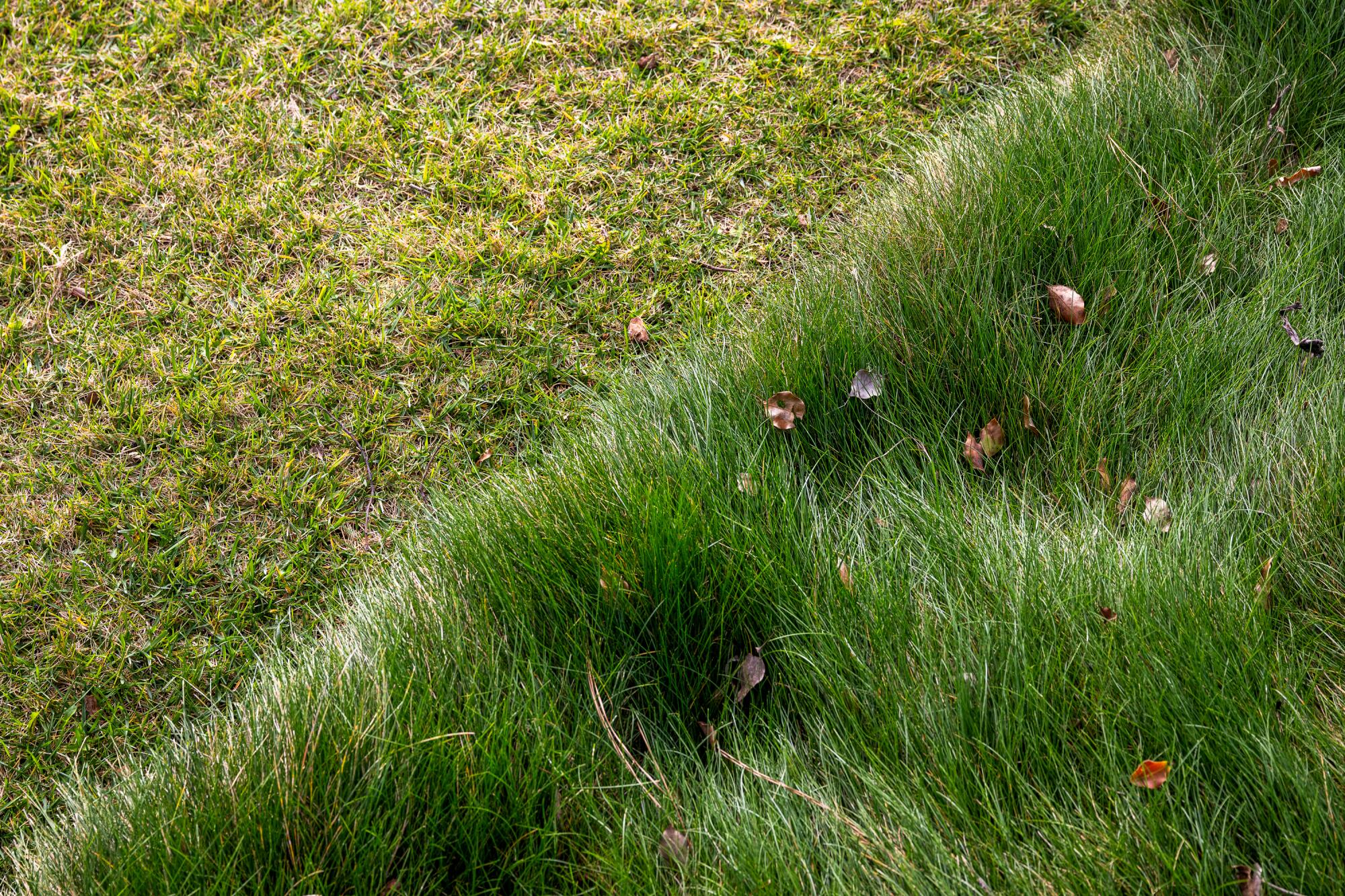
Image Source: ca-times.brightspotcdn.com
The Core Principles of Effective Lawn Watering
Before diving into specific durations, it’s essential to grasp the fundamental principles of good lawn watering. The goal is to provide enough moisture for grass to thrive without over-saturating the soil, which can lead to shallow roots, disease, and wasted water.
Deep Watering for Strong Roots
The most effective watering method for lawns is deep watering lawn California. This means applying enough water to penetrate the soil to a depth of 4 to 6 inches. When you water deeply, your grass’s roots are encouraged to grow down into the soil in search of moisture. This makes the lawn more resilient during dry spells and less susceptible to drought stress. Shallow, frequent watering, on the other hand, leads to shallow roots, making the grass weaker and more vulnerable to heat and lack of water.
Less Frequent Watering is Key
The flip side of deep watering is watering less often. Instead of a light sprinkle every day, aim to water thoroughly once or twice a week, depending on the season and your grass type. This allows the soil surface to dry out between watering sessions, which is beneficial for the grass and helps prevent fungal diseases. It also encourages those deeper root systems we discussed.
Factors Influencing Watering Duration
Several elements will dictate exactly how long to water lawn in California. Paying attention to these will help you fine-tune your watering schedule.
Grass Type
Different grass species have varying water needs. For instance, warm-season grasses like Bermuda and Zoysia are generally more drought-tolerant than cool-season grasses like Fescue and Ryegrass.
- Cool-Season Grasses (Fescue, Ryegrass): These grasses are best suited for California’s cooler coastal regions or elevated areas. They require more consistent moisture, especially during warmer months. They might need watering more frequently but still benefit from deep watering.
- Warm-Season Grasses (Bermuda, Zoysia, St. Augustine): These thrive in warmer climates and are naturally more drought-tolerant. They can often withstand longer periods between waterings and may go dormant (turn brown) during extreme heat or drought, recovering when conditions improve.
Soil Type
The type of soil in your yard significantly impacts how quickly water drains and how much it retains.
- Sandy Soil: Drains very quickly. Water may not have enough time to soak in deeply before running off. You might need to water for shorter periods but more frequently to achieve deep saturation.
- Clay Soil: Drains slowly and holds water for a longer time. Watering too long can lead to waterlogged conditions and runoff. It’s best to water slowly and allow the water to soak in gradually. Consider shorter, more frequent applications on clay soils, or use a cycle-and-soak method where you water for a set time, let it soak, and then water again.
- Loam Soil: This is the ideal soil type, a balance between sand and clay. It drains well but also retains moisture effectively, providing a good buffer for watering schedules.
Weather Conditions
The weather plays a massive role in your lawn’s water requirements.
- Temperature: Hotter temperatures mean faster evaporation from the soil surface and increased transpiration from the grass blades. You’ll need to water more frequently and potentially for slightly longer durations during heatwaves.
- Wind: Windy conditions can dry out your lawn rapidly. Wind also contributes to water evaporation from the grass blades and the soil.
- Rainfall: Always check your local weather forecast. If you receive adequate rainfall, you can skip watering days to save water.
- Humidity: High humidity can slow down evaporation, meaning your lawn might not need watering as often. Low humidity will have the opposite effect.
Season
Summer lawn watering California is typically the most demanding. As temperatures rise and rainfall diminishes, your lawn will need more water to stay healthy. In contrast, during the cooler months, your lawn’s water needs will decrease significantly.
Determining California Lawn Watering Duration
The general rule of thumb for deep watering lawn California is to apply about 1 to 1.5 inches of water per week. The challenge is translating this into specific watering times for your sprinkler system.
The Tuna Can Test
A simple and effective method to gauge how long you need to run your sprinklers is the tuna can test (or any similar-sized container with straight sides).
- Placement: Place several empty tuna cans (or other containers) around your lawn, ensuring they are spread out to represent different areas.
- Watering: Run your sprinklers for a set amount of time (e.g., 15 minutes).
- Measurement: Turn off the sprinklers and measure the depth of water collected in each can using a ruler.
- Calculation: Average the water depth across all cans. If, for example, your average is 0.5 inches after 15 minutes, you would need to water for 30 minutes to apply 1 inch of water. If your target is 1.5 inches, you’d water for 45 minutes.
This test helps you understand how efficiently your sprinklers are distributing water across your lawn.
Typical Watering Times (Estimates)
These are general estimates and will vary based on your sprinkler type, pressure, and the factors mentioned above:
-
For 1 inch of water:
- Spray sprinklers: 20-30 minutes per zone.
- Rotor sprinklers: 30-45 minutes per zone.
-
For 1.5 inches of water:
- Spray sprinklers: 30-45 minutes per zone.
- Rotor sprinklers: 45-60 minutes per zone.
Remember to adjust these based on the tuna can test results and the specific needs of your lawn.
Optimal Watering Time for Lawns California and Best Time to Water Lawn California
The time of day you water your lawn is as important as the duration and frequency. Watering during the best time to water lawn California can significantly reduce water loss through evaporation and promote healthier grass.
Early Morning is Ideal
The optimal watering time for lawns California is generally between 4 AM and 9 AM. Here’s why:
- Reduced Evaporation: Temperatures are cooler in the morning, and the sun is not at its strongest. This minimizes water loss from the soil surface and grass blades.
- Sufficient Soak Time: Watering early allows the water to soak into the soil and reach the roots before the heat of the day causes rapid evaporation.
- Disease Prevention: Watering in the morning allows the grass blades to dry off throughout the day. Watering in the evening or overnight can leave the grass wet for extended periods, creating a favorable environment for fungal diseases.
What to Avoid
- Mid-day: Avoid watering between 10 AM and 4 PM. This is when the sun is hottest, and evaporation rates are highest. Much of the water you apply will likely be lost to the air before it can benefit the grass.
- Evening/Night: While better than mid-day, watering late in the evening or overnight is not ideal. It leaves grass blades wet for too long, increasing the risk of fungal infections.
How Often to Water Grass California
As discussed, the frequency of watering depends heavily on the season, grass type, and weather.
Seasonal Adjustments
- Spring: As temperatures warm, you can begin to increase watering frequency, but still focus on deep, infrequent watering.
- Summer: This is the peak season for watering. You might need to water once or twice a week, depending on how hot it gets and your grass type. Monitor your lawn for signs of stress.
- Fall: As temperatures cool and rainfall increases, gradually reduce watering frequency.
- Winter: In most of California, winter rainfall should be sufficient to water your lawn. You may not need to water at all during this period, especially if you have a cool-season grass.
Monitoring Your Lawn for Watering Needs
Instead of sticking rigidly to a schedule, learn to read your lawn’s signals:
- Color Change: Grass that is losing its vibrant green color and starting to take on a bluish-gray hue is often a sign it needs water.
- Footprints: If your footprints remain visible on the grass long after you’ve walked on it, the grass blades lack the moisture to spring back up.
- Wilting: Grass blades that curl or fold inward are a clear indicator of thirst.
Lawn Irrigation Schedule California Best Practices
Creating an effective lawn irrigation schedule California involves more than just setting a timer.
Smart Controllers
Consider investing in a smart irrigation controller. These systems use local weather data (like rainfall, temperature, and humidity) to automatically adjust your watering schedule. They can prevent watering during rain events and increase watering when it’s hot and dry, optimizing water use.
Hydrozoning
If you have different types of plants in your yard, including your lawn, consider “hydrozoning.” This involves grouping plants with similar water needs together. Your lawn area should be a distinct zone with its own watering schedule, separate from flower beds or drought-tolerant landscaping.
Check and Maintain Sprinklers
Regularly check your sprinkler heads to ensure they are:
- Working correctly: Look for clogged nozzles, leaks, or broken heads.
- Watering efficiently: Adjust heads that are spraying sidewalks or driveways. Ensure they provide even coverage.
- Properly angled: Make sure they are directed at the lawn and not adjacent structures.
Water Restrictions
California is often subject to drought conditions and water restrictions. Always be aware of your local water agency’s regulations regarding lawn watering. These can include days you can water, times of day, and even how long you can water. Adhering to these is crucial for water conservation in California.
Summer Lawn Watering California Specifics
Summer lawn watering California requires careful attention due to intense heat and the risk of drought.
- Increase Frequency (Slightly): You might need to water more often than in spring or fall, potentially once or twice a week, but remember the principle of deep watering still applies.
- Water Deeper: Ensure you are applying enough water to reach those 4-6 inch root depths.
- Monitor for Stress: Keep a close eye on your lawn for signs of wilting or browning.
- Consider Drought-Tolerant Options: If you have a warm-season grass, it may naturally go dormant in extreme heat. This is a survival mechanism and not necessarily a sign of a problem. However, if you want to maintain greenness, you’ll need to supplement with water. For those in areas with perpetual drought concerns, exploring drought-tolerant lawn watering California alternatives is a wise choice.
Drought-Tolerant Lawn Watering California Strategies
Given California’s climate and ongoing water conservation efforts, embracing drought-tolerant lawn watering California strategies is becoming increasingly important for many homeowners.
Choosing Drought-Tolerant Grasses
If you are establishing a new lawn or renovating an existing one, consider planting drought-tolerant grass varieties suitable for California. Examples include:
- Tall Fescue: Many newer cultivars of tall fescue are bred for improved drought tolerance and can withstand less frequent watering once established.
- Bermuda Grass: A classic warm-season grass that is very drought-tolerant and thrives in the heat.
- Zoysia Grass: Another warm-season option that is tough and can tolerate dry conditions well.
- Native Grasses: Explore California native grasses, which are perfectly adapted to the local climate and require minimal supplemental watering.
Reducing Lawn Size
One of the most effective ways to conserve water is to reduce the overall size of your lawn. Replace portions of your lawn with:
- Drought-tolerant groundcovers: Such as sedges, ice plant, or creeping thyme.
- Mulched areas with native plants: Many California native plants are beautiful, require little water, and support local wildlife.
- Hardscaping: Patios, decks, or gravel pathways can reduce your lawn area significantly.
Aeration and Dethatching
Regularly aerating your lawn (removing small plugs of soil) and dethatching (removing excess thatch build-up) improves water penetration. Compacted soil and thick thatch layers prevent water from reaching the grass roots efficiently.
Mulching Around Trees and Shrubs
While not directly related to lawn watering, applying mulch around trees and shrubs in your yard helps retain soil moisture, reducing the need for supplemental watering for these plants.
How Much Water for California Lawns in Summary
Calculating how much water for California lawns requires a nuanced approach. The goal is typically 1 to 1.5 inches of water per week, applied deeply and infrequently. However, this is a guideline, not a rigid rule.
| Factor | Impact on Watering Needs |
|---|---|
| Grass Type | Cool-season grasses need more frequent watering than warm-season grasses. |
| Soil Type | Sandy soil needs more frequent, shorter watering; clay soil needs slower, less frequent watering. |
| Temperature | Higher temperatures increase water needs due to evaporation and transpiration. |
| Wind | Windy conditions dry out the soil and grass faster, increasing water needs. |
| Rainfall | Natural rainfall reduces or eliminates the need for supplemental watering. |
| Season | Summer has the highest water demands; winter has the lowest. |
| Lawn Age | Newly seeded or sodded lawns require more frequent watering than established lawns. |
FAQs
Q1: How often should I water my lawn in California during the summer?
A: In summer, you might need to water once or twice a week, depending on the heat, your grass type, and soil. The key is to water deeply, aiming for 1-1.5 inches of water total per week, rather than watering lightly every day.
Q2: Can I water my lawn in California in the late afternoon?
A: It’s best to avoid watering in the late afternoon or evening. The ideal time is early morning (4 AM to 9 AM) to minimize evaporation and prevent fungal diseases.
Q3: My lawn is turning brown. Does it need more water?
A: A brown lawn can indicate a need for water, but it can also be a sign of disease, pests, or excessive heat stress. Check if the grass blades are wilting or if footprints remain visible. If the soil is dry several inches down, it likely needs watering.
Q4: How do I know if I’m watering too much?
A: Signs of overwatering include water pooling on the surface for extended periods, a spongy feel to the turf, increased weed growth (especially broadleaf weeds), and a higher susceptibility to fungal diseases. Your grass may also appear yellow or have a mushy texture.
Q5: Are there any restrictions on lawn watering in California?
A: Yes, California often has water restrictions in place due to drought. Always check with your local water agency for the most current regulations on watering days, times, and durations.
By applying these principles and adapting to your specific lawn’s needs, you can maintain a healthy and beautiful lawn in California while being a responsible water user.