
Is your lawn a landscape of gentle rolling hills, or is it more like a bumpy obstacle course? If you’re dealing with an uneven yard, you’re not alone. Why is my lawn bumpy? Lawn bumpiness can be caused by various factors, from soil issues and animal activity to weather and plant growth. This guide will explore the common culprits behind a bumpy lawn and provide actionable solutions to achieve that smooth, manicured look you desire.
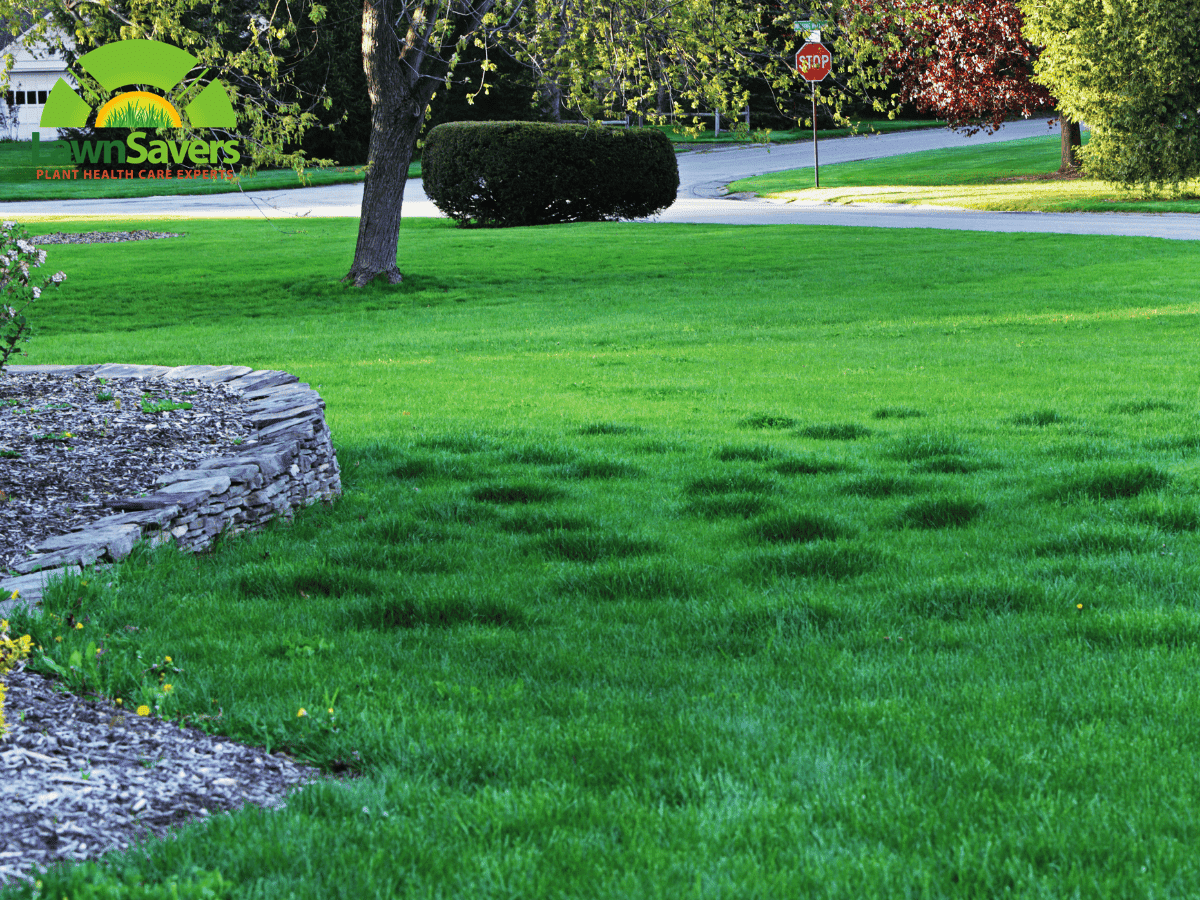
Image Source: lawnsavers.com
Deciphering the Causes of Lawn Unevenness
A bumpy lawn, also known as lawn unevenness, is a common frustration for homeowners. It’s not just an aesthetic issue; uneven surfaces can make mowing difficult, create tripping hazards, and indicate underlying problems that need addressing. Let’s dive into the primary reasons why your once-flat turf has become a patchwork of peaks and valleys.
Soil Compaction: The Silent Killer of Flatness
One of the most frequent reasons for a bumpy lawn is soil compaction. When soil particles are pressed too closely together, it reduces the space for air, water, and nutrients to penetrate. This makes it hard for grass roots to grow deeply and evenly.
What Causes Soil Compaction?
- Heavy Foot Traffic: Walking, playing, or parking on the lawn, especially when the soil is wet, can compact it.
- Machinery Use: Lawnmowers, tillers, and other heavy equipment can compress the soil over time.
- Poor Drainage: When water sits on the surface, it can lead to soil breakdown and compaction.
- Clay Soils: Soils with a high clay content are naturally more prone to compaction.
How Compaction Leads to Bumps:
When soil becomes heavily compacted, it’s harder for grass to grow uniformly. Some areas might struggle, leading to bare patches, while others might thicken unevenly, creating slight humps. Over time, this can contribute significantly to overall lawn unevenness.
Mole Hills: Unwelcome Architects of the Bumpy Lawn
If you see small, cone-shaped mounds of soil dotting your lawn, chances are you have a mole problem. Mole hills are the direct result of moles tunneling just beneath the surface of your lawn.
Why Moles Create Hills:
Moles are insectivores that feed on earthworms and grubs. They create extensive tunnel systems to search for food. As they dig, they push excess soil upwards and outwards, forming the characteristic mounds. These tunnels can disrupt grass roots, further contributing to lawn unevenness in affected areas.
Identifying Mole Activity:
- Cone-shaped mounds of freshly dug soil.
- Raised tunnels or ridges running through the lawn.
- Damaged grass in irregular patterns.
Ant Mounds: Tiny Builders, Big Bumps
Similar to mole hills, ant mounds are another common cause of surface bumps. Ants build complex underground nests, and as they excavate soil to create their colonies, they deposit the excavated material on the surface, forming mounds.
How Ants Create Mounds:
Different ant species build different types of mounds. Some create small, individual mounds, while others build larger, more interconnected structures. The constant activity of digging and moving soil inevitably leads to bumps on the lawn’s surface.
Thatch Buildup: A Cozy Blanket for Unevenness
Thatch buildup refers to a layer of dead and living grass stems, roots, and other organic matter that accumulates on the soil surface, between the grass blades. A thin layer of thatch is normal and beneficial, but when it becomes too thick, it can cause several problems.
What is Thatch?
Thatch is a natural byproduct of grass growth. It’s composed of roots, stems, and leaves that haven’t decomposed quickly enough. Factors like over-fertilizing, watering too much, and using the wrong type of grass can accelerate thatch accumulation.
How Thatch Contributes to Bumps:
A thick layer of thatch acts like a sponge. It can hold moisture, creating damp conditions that are ideal for certain pests and diseases. More importantly for bumpiness, this dense layer can prevent water and nutrients from reaching the soil, hindering root development. This can lead to weaker grass in some areas and a more spongy, uneven feel to the lawn, especially after rain.
Grub Damage: The Underground Attack on Flatness
Grub damage occurs when the larvae of various beetles (like Japanese beetles, European chafers, and masked chafers) feed on the roots of your grass. This root feeding weakens the turf, making it less resilient.
How Grubs Cause Bumps:
As grubs devour grass roots, the turf above them loosens its grip on the soil. Large patches of dead or dying grass can then be easily lifted up, like a carpet. This lifting and shifting of sod chunks are a direct cause of significant lawn unevenness and can create noticeable bumps and depressions.
Recognizing Grub Infestations:
- Patches of brown, dying grass that pull up easily.
- Increased bird, skunk, or raccoon activity, as they dig for grubs.
- Visible C-shaped white grubs in the soil when you dig up a damaged patch.
Root Growth: Nature’s Own Undulating Force
Even without external damage, root growth itself can contribute to a subtly bumpy lawn over time. Grass roots are constantly growing, spreading, and sometimes pushing upwards as they expand.
Natural Root Expansion:
As grass establishes and thrives, its root system naturally spreads and thickens. In some cases, this vigorous root growth can cause the soil surface to lift slightly, creating gentle undulations. This is particularly true for certain types of grasses that spread aggressively via rhizomes and stolons. While generally a sign of a healthy lawn, it can still contribute to lawn unevenness.
Drainage Issues: Waterlogged Woes and Uneven Terrain
Poor drainage issues can significantly impact your lawn’s flatness. When water doesn’t drain away effectively, it can lead to several problems that manifest as bumps.
How Poor Drainage Creates Bumps:
- Soggy Soil: Prolonged wetness softens the soil, making it more susceptible to compaction from foot traffic or equipment.
- Erosion: As water sits and moves across the surface, it can wash away soil in some areas, creating depressions, while depositing it elsewhere, forming subtle humps.
- Uneven Growth: Waterlogged areas may struggle to support healthy grass, leading to thinner patches that appear lower, contrasting with areas where grass grows more robustly.
Frost Heave: A Seasonal Shaper of Bumps
In climates with freezing winters, frost heave is a common culprit for lawn bumpiness. This phenomenon occurs when water in the soil freezes, expands, and pushes the soil upwards.
The Mechanics of Frost Heave:
As water freezes, it forms ice crystals. These crystals can grow, pushing soil particles apart and lifting the ground surface. When the ground thaws, the soil doesn’t always settle back perfectly into its original position, leading to persistent bumps and unevenness that can reappear year after year.
Animal Activity: More Than Just Moles and Ants
Beyond moles and ants, other animal activity can contribute to a bumpy lawn.
Other Animal Culprits:
- Voles: These small rodents create shallow runways just under the grass surface, which can cause the turf to appear lumpy and uneven.
- Squirrels and Chipmunks: These animals often bury nuts and seeds, digging and pushing soil as they do so, which can create small mounds.
- Larger Animals: In some areas, deer, rabbits, or even pets digging for burrowing animals can cause significant disruption and create noticeable bumps and holes.
Strategies for a Smoother Lawn
Now that we’ve identified the common causes of a bumpy lawn, let’s explore effective strategies to achieve that desirable smooth, even surface.
Addressing Soil Compaction: Aeration and Topdressing
Soil compaction is a major contributor to bumpy lawns. The most effective way to combat it is through aeration.
Lawn Aeration: Breathing Life Back into Compacted Soil
Aeration involves creating small holes in the soil to relieve compaction. This allows air, water, and nutrients to penetrate the root zone, promoting healthier grass growth and a more even surface.
Types of Aeration:
- Core Aeration: This method uses a machine to pull out small plugs of soil, leaving them on the surface to break down. It’s highly effective for severe compaction.
- Spike Aeration: This uses spikes to poke holes into the soil. It’s less disruptive but generally less effective for heavy compaction.
Topdressing: Filling the Gaps and Leveling the Surface
After aeration, topdressing is an excellent follow-up treatment. It involves spreading a thin layer of compost or soil over the lawn.
Benefits of Topdressing:
- Fills Aeration Holes: Helps the lawn recover faster and contributes to leveling.
- Improves Soil Quality: Adds organic matter, which enhances drainage and fertility.
- Levels Minor Bumps: Over time, topdressing can help fill in slight depressions and create a more uniform surface.
Dealing with Moles and Ants: Targeted Control Measures
Mole hills and ant mounds require specific approaches to eliminate the bumps they create.
Mole Control:
- Trapping: Using specialized mole traps can be an effective way to remove moles. Placement is key, targeting active tunnel runs.
- Repellents: Granular or liquid repellents can sometimes deter moles by making their food sources or tunnels unpleasant.
- Habitat Modification: Reducing the grub population (a primary food source for moles) can indirectly discourage them. However, moles also eat beneficial earthworms, so eliminating grubs might not entirely solve the mole problem.
Ant Control:
- Barrier Treatments: Applying insecticides around the perimeter of your lawn can prevent ants from entering.
- Baiting: Ant baits are often very effective, as worker ants carry the poisoned bait back to the colony, eliminating the source of the mounds.
- Natural Deterrents: Some homeowners try castor oil or dish soap mixtures, though their effectiveness can vary.
Important Note: When dealing with moles and ants, it’s crucial to identify the specific pest to use the most appropriate and effective control method.
Managing Thatch Buildup: Dethatching and Aeration
Thatch buildup needs regular management to prevent it from becoming too dense.
Dethatching: Removing the Problematic Layer
Dethatching, also known as scarifying, is the process of removing excess thatch.
Dethatching Tools:
- Dethatching Rakes: Manual rakes with sharp tines can be used for smaller lawns or light thatch.
- Power Dethatchers/Scarifiers: These machines have rotating blades or tines that dig into the thatch layer and pull it to the surface for removal.
When to Dethatch:
The best time to dethatch is during the active growing season of your grass type, usually spring or early fall, when the grass can recover quickly.
The Role of Aeration in Thatch Management:
As mentioned earlier, core aeration also helps break up thatch and encourages the decomposition of organic matter, contributing to thatch management.
Combating Grub Damage: Prevention and Treatment
Grub damage requires addressing the grubs themselves to allow the lawn to recover and level out.
Grub Prevention:
- Beneficial Nematodes: These microscopic organisms can be applied to the soil and parasitize grubs.
- Neem Oil: A natural insecticide that can deter grubs and disrupt their life cycle.
Grub Treatment:
- Insecticides: Various grub control products are available. It’s important to apply them at the correct time in the grub life cycle (typically late summer or early fall when grubs are feeding near the surface) for maximum effectiveness.
Once grubs are controlled, overseeding or sodding may be necessary to repair the damaged areas and achieve a smoother lawn.
Allowing for Natural Root Growth: Proper Lawn Care Practices
While root growth is a positive sign, ensuring it happens evenly is key to preventing lawn unevenness.
Best Practices for Even Root Development:
- Water Deeply and Infrequently: Encourage roots to grow deeper by watering thoroughly but less often, rather than frequent shallow watering.
- Avoid Over-Fertilizing: Excess fertilizer can promote rapid, shallow growth, which can contribute to unevenness. Follow recommended application rates.
- Mow at the Correct Height: Taller grass blades encourage deeper root growth. Don’t scalp your lawn.
Improving Drainage: Essential for a Level Surface
Addressing drainage issues is fundamental to preventing many causes of lawn bumpiness.
Drainage Solutions:
- Aeration: As discussed, aeration improves soil structure, allowing water to penetrate better.
- Topdressing with Compost: Compost improves soil structure and drainage.
- French Drains: For persistent waterlogged areas, installing a French drain system can effectively channel water away from the lawn.
- Regrading: In severe cases, reshaping the landscape to create a gentle slope away from structures might be necessary.
Mitigating Frost Heave: Soil Amendments and Proper Drainage
Frost heave can be tough to completely eliminate, but certain practices can minimize its impact.
Minimizing Frost Heave:
- Improve Soil Drainage: Well-draining soil is less prone to frost heave.
- Incorporate Organic Matter: Compost and other organic materials can improve soil structure and reduce heave.
- Avoid Compaction: Compacted soils are more susceptible to upward ice crystal formation.
- Mulching: A layer of mulch can help insulate the soil and moderate temperature fluctuations.
Managing Animal Activity: Deterrents and Barriers
Controlling animal activity requires a multi-pronged approach.
Strategies for Animal Control:
- Remove Food Sources: Clean up fallen fruit, secure garbage cans, and avoid leaving pet food outside.
- Repellents: Various scent-based or taste-based repellents can deter animals like rabbits and deer.
- Fencing: For persistent problems with larger animals, fencing around the lawn may be necessary.
- Predator Urine: Products containing fox or coyote urine can deter smaller mammals.
Repairing Existing Bumps: A Step-by-Step Approach
Once you’ve identified the cause and started implementing preventative measures, you might need to repair existing bumps.
Minor Bumps and Depressions:
For small dips or humps, a combination of topdressing and leveling can often suffice.
- For Depressions: Fill shallow depressions with a quality topsoil or compost mix. You can then seed or lay sod over the amended area.
- For Small Bumps: You can try carefully cutting out the sod around the bump, removing some soil from underneath, and then replacing the sod. Alternatively, you can try to gently shave down the high spots.
Significant Unevenness:
For more substantial bumps caused by grubs, moles, or severe compaction, a more involved approach might be needed.
- Identify the Cause: Reconfirm the source of the bump.
- Address the Cause: Implement the appropriate control measures (e.g., grub treatment, mole trapping).
- Leveling: For significant bumps from moles or grub damage where sod has lifted, you may need to remove the affected sod, add or remove soil to level the area, and then re-lay sod or reseed.
- Overseeding/Resodding: For damaged areas, overseeding with a quality grass seed or laying new sod will help restore a smooth appearance.
Frequently Asked Questions (FAQ)
Q1: How often should I aerate my lawn?
A1: Aeration is typically recommended once a year, or every other year, depending on your soil type and lawn usage. Heavily used lawns or those with clay soil may benefit from annual aeration.
Q2: Can I fix a bumpy lawn in the summer?
A2: While it’s possible, it’s best to tackle major leveling and reseeding in the spring or fall when temperatures are cooler, allowing new grass to establish more easily. Minor leveling with topdressing can be done in summer if the lawn is adequately watered.
Q3: What is the best grass seed for a bumpy lawn?
A3: Most common lawn grasses can be used, but consider varieties known for their resilience and ability to spread, such as tall fescue or some ryegrass blends, which can help fill in minor imperfections over time.
Q4: My lawn has many mole hills. Should I use bait?
A4: Mole baits are generally not recommended as moles are insectivores, not rodents. They are unlikely to eat rodent baits. Trapping is often considered the most effective method for mole control.
Q5: How can I tell if my lawn has thatch buildup?
A5: You can check for thatch by looking at the base of the grass blades. If you see a layer of spongy, brown material between the grass and the soil surface, you likely have thatch. A healthy thatch layer is about ½ inch thick; anything over ¾ to 1 inch can cause problems.
Conclusion: Your Path to a Smoother Lawn
Achieving a smooth, beautiful lawn is a journey, not a destination. By identifying the underlying causes of lawn unevenness, from soil compaction and mole hills to thatch buildup and grub damage, you can implement targeted strategies to restore your lawn’s flatness. Remember that consistent care, including proper watering, mowing, aeration, and addressing pest issues, is key to maintaining a consistently smooth and healthy turf. With patience and the right approach, you can transform your bumpy lawn into a perfect carpet of green.