
Crows digging up your lawn? This is a common problem for homeowners. To stop crows digging up your lawn, you need to make your lawn less appealing to them by removing food sources and employing various deterrents. This guide will explore effective strategies for lawn protection from birds, focusing on both immediate solutions and long-term approaches to preventing crow damage. We’ll delve into why crows dig, what they’re looking for, and the best ways to achieve humane crow removal from your yard, ensuring your grass stays intact.
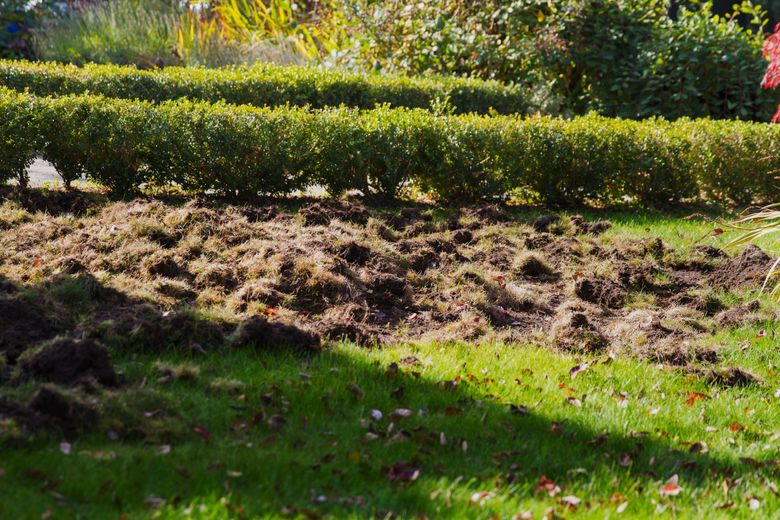
Image Source: images.seattletimes.com
Why Crows Dig Up Lawns
Crows are intelligent and resourceful birds, and their digging behavior is usually driven by a primary need: food. Your lawn, with its soft soil, often provides a buffet of delicious treats for them.
The Grub Problem: Stop Crows Eating Grubs
The most common reason crows are tearing up your lawn is the presence of grubs. These are the larval stage of various insects, such as Japanese beetles and European chafers. Grubs live in the soil and feed on grass roots, weakening your lawn. Crows, with their sharp eyesight and strong beaks, are experts at locating and extracting these plump, protein-rich snacks. So, the first step in stopping crows eating grubs is addressing the grub infestation itself.
Identifying Grub Infestations
- Yellow patches: Look for irregular brown or yellow patches of dead grass.
- Spongy feel: Walk on your lawn. If it feels spongy and lifts easily, grubs may be eating the roots.
- Visible grubs: Gently peel back a section of your lawn. You might see C-shaped white grubs with brown heads.
Grub Control Methods
- Beneficial Nematodes: These microscopic worms are natural predators of grubs. Apply them to your lawn according to package directions.
- Milky Spore: A natural bacterium that infects and kills Japanese beetle grubs. It takes time to establish but is a long-term solution.
- Organic Insecticides: Look for products containing ingredients like neem oil or pyrethrins.
- Chemical Insecticides: Use these as a last resort, following all instructions carefully to minimize harm to beneficial insects and wildlife.
Other Food Sources
While grubs are the main attraction, crows are omnivores and will eat other things they find in your lawn:
- Earthworms: Another protein source, especially after rain.
- Insects and Spiders: Small invertebrates that find shelter in the soil and thatch.
- Seeds and Berries: If you have plants that drop seeds or berries near your lawn.
- Uncovered Compost or Garbage: Accessible food scraps can also draw them in.
Effective Crow Deterrents for Your Lawn
Once you’ve addressed any underlying pest issues, it’s time to implement strategies to deter crows. A combination of methods often yields the best results for controlling corvids in yard.
Visual Deterrents
Crows are wary birds, and anything that looks like a predator or a threat can scare them away.
Decoys and Scare Tactics
- Predator Decoys: Realistic owl or hawk decoys can be effective initially. However, crows are intelligent and will eventually realize they aren’t a real threat if the decoy doesn’t move.
- Movement is Key: Reposition decoys frequently. Hang them with fishing line so they move in the wind.
- Combine with Other Deterrents: Use decoys in conjunction with reflective materials for better results.
- Shiny Objects: Shiny objects that flash or reflect light can startle crows.
- Mylar Tape/Bird Scare Tape: This reflective tape can be hung from trees or stakes. The flashing light and rustling sound can deter birds.
- Old CDs or DVDs: Hang them from tree branches or garden stakes. Their reflective surfaces can create disorienting flashes.
- Aluminum Pie Pans: Similar to CDs, these can be hung to create visual distractions.
- Scare Balloons: Large, inflatable balloons with eye-like patterns are designed to mimic predator eyes and deter birds.
Auditory Deterrents
Sound can also be a powerful tool in keeping crows out of garden beds and off your lawn.
Noise Makers
- Wind Chimes: While some find them pleasant, their unpredictable sounds can sometimes startle birds.
- Ultrasonic Devices: These emit high-frequency sounds that are inaudible to humans but can be annoying to birds. Their effectiveness can vary, and crows may habituate to them over time.
- Noise Repellers: Devices that emit sudden, loud noises like bangs or clicks. These can be effective but may also disturb neighbors.
- Predator Calls: Some devices broadcast recordings of predator calls. Again, crows can become accustomed to these.
Physical Barriers
Sometimes, the most effective way to protect your lawn is to physically prevent crows from accessing it.
Bird Netting for Lawns
Bird netting for lawns is a practical solution for protecting specific areas, especially if you have valuable plants or newly seeded areas.
- How it Works: Lightweight netting is draped over the area and secured to the ground. This creates a physical barrier that birds cannot penetrate.
- Application:
- Support Structures: Use hoops, stakes, or frames to keep the netting from touching the ground and allowing birds to get underneath.
- Secure Edges: Ensure all edges are firmly anchored to prevent birds from entering.
- Mesh Size: Choose a mesh size small enough to exclude crows but large enough to allow sunlight and rain to reach the plants.
- Considerations: Netting can be unsightly and may pose a hazard to other wildlife if not installed carefully. Ensure it is taut and free of holes.
Habitat Modification
Making your yard less attractive to crows in general can significantly reduce their visits.
Reducing Attraction
- Secure Garbage: Crows are opportunistic feeders. Ensure your garbage cans have tight-fitting lids and are not left out longer than necessary.
- Pet Food: Don’t leave pet food outdoors, as this is a readily available food source.
- Bird Feeders: While you might enjoy feeding other birds, crow-friendly feeders can attract unwanted guests. Consider removing or modifying feeders that also attract crows. If you use feeders, clean up spilled seed regularly.
- Water Sources: Crows, like all birds, need water. If you have bird baths or ponds, consider making them less accessible or more exposed during periods of intense digging.
- Fruit Trees and Berry Bushes: If these are located near your lawn, consider netting them or cleaning up fallen fruit promptly.
Natural Crow Repellents
Some homeowners prefer natural crow repellents that are less intrusive and more environmentally friendly.
Plant-Based Solutions
- Strong Scents: Some plants have strong scents that may deter crows. Consider planting herbs like mint, rosemary, or lavender near your lawn’s edge. While not a foolproof method, it can contribute to a less attractive environment.
- Spicy Sprays: A mixture of cayenne pepper or chili powder with water can be sprayed on the lawn. Crows are sensitive to capsaicin, the compound that makes peppers hot.
- Application: Reapply after rain or watering. Be cautious not to overspray, as it can irritate your skin and eyes. Test in a small area first.
- Vinegar: Diluted vinegar sprayed around the perimeter of the lawn can act as a mild repellent.
Creating an Unpleasant Environment
Beyond specific deterrents, you can make your lawn generally less hospitable.
Lawn Maintenance
- Thicker Turf: A healthy, dense lawn is less susceptible to grub damage and makes it harder for crows to dig effectively. Proper watering, fertilizing, and aeration contribute to a strong turf.
- Reduce Thatch: Excessive thatch (dead grass matter) can harbor insects and provide a food source. Dethatch your lawn regularly.
- Watering Schedule: Watering your lawn deeply and less frequently encourages deeper root growth, making the grass more resilient. Crows often prefer to dig in slightly moist soil.
Integrating Deterrents for Maximum Impact
The key to successfully preventing crow damage is often a multi-pronged approach. Crows are intelligent and adaptable, so relying on a single method might only provide temporary relief.
The Power of Combination
- Visual + Auditory: Use a scare decoy along with reflective tape. The visual threat combined with sudden flashes of light can be more effective than either alone.
- Physical Barrier + Habitat Modification: If you are experiencing severe damage, consider bird netting for lawns in critical areas while simultaneously removing food sources like unsecured garbage.
- Natural Repellents + Lawn Health: Use spicy sprays or plant strong-smelling herbs near the lawn’s edge to complement a healthy, grub-free turf.
Understanding Crow Behavior and Habituation
Crows learn quickly. If a deterrent is static and predictable, they will soon ignore it.
- Rotate Deterrents: Change the type and location of your deterrents regularly.
- Vary Effectiveness: What works today might not work next week. Be prepared to switch tactics.
- Observe and Adapt: Pay attention to when crows are most active and what methods seem to be working best. Adjust your strategy accordingly.
Advanced Strategies and Considerations
For persistent problems, or if you’re dealing with larger flocks, you might consider more advanced techniques.
Professional Help
If your grub problem is severe or the crow activity is overwhelming, consider consulting with:
- Pest Control Services: For grub treatment and advice on bird control.
- Wildlife Removal Specialists: They can offer tailored solutions for humane crow removal and deterrence.
Legal Considerations
It’s important to be aware of any local regulations regarding bird control. In some areas, certain species may be protected, and specific methods of removal might be illegal. Always research local laws before implementing any drastic measures.
Frequently Asked Questions About Stopping Crows Digging Up Lawns
Q1: Why are crows digging up my lawn in the first place?
Crows are primarily looking for food. The most common culprits are grubs, which are the larvae of beetles that feed on grass roots. Crows also eat earthworms, insects, and sometimes seeds or berries found in your lawn.
Q2: What are some good crow deterrents I can use immediately?
You can start with visual deterrents like shiny Mylar tape or old CDs hung to reflect light. Predator decoys (like owls or hawks) can also work if moved frequently. Loud noises, like wind chimes or noise repellers, might also help.
Q3: Can I stop crows eating grubs without harming my lawn?
Yes, the best way to do this is by treating the grub infestation itself. Organic methods like beneficial nematodes or milky spore are effective and safe for your lawn and the environment. Once the grubs are gone, crows will have less reason to dig.
Q4: Is bird netting for lawns effective for lawn protection from birds?
Yes, bird netting for lawns can be very effective, especially for protecting specific areas or smaller lawns. It creates a physical barrier that crows cannot bypass. Ensure it’s installed properly, secured, and has no gaps.
Q5: What are some natural crow repellents that are safe to use?
Natural crow repellents include sprays made from cayenne pepper or chili powder mixed with water, which crows dislike the taste and sensation of. Planting strong-smelling herbs like mint or rosemary near the lawn’s edge might also help.
Q6: How can I ensure humane crow removal from my yard?
The goal of humane crow removal is to make your yard less attractive to them, encouraging them to move on voluntarily rather than through harm. This involves removing food sources, using non-lethal deterrents, and addressing the root cause of their presence (like grubs). Avoid any methods that could injure or kill the birds.
Q7: What are the best ways to prevent crow damage?
Preventing crow damage requires a consistent effort. Combine various methods: address grub issues, use visual and auditory deterrents, modify your habitat by securing trash and pet food, and consider physical barriers if necessary. Regular observation and adaptation of your strategies are key.
Q8: How do I start controlling corvids in yard when they are a persistent problem?
Start by identifying the attractant. If it’s grubs, treat them. If it’s other food sources, remove them. Then, implement a combination of deterrents and make your yard less appealing. Rotate your deterrents to prevent habituation.
Q9: What if none of these methods work for keeping crows out of my garden?
If you’ve tried multiple methods consistently and are still experiencing significant problems keeping crows out of garden beds or your lawn, it might be time to consult a professional. A wildlife control expert can assess the situation and recommend more intensive or specialized solutions.
Q10: Are there any legal restrictions I should be aware of when deterring crows?
It’s always wise to check local ordinances and wildlife regulations. While most common deterrents are legal, methods that could harm or kill birds are often prohibited. Understanding these rules ensures you are using effective and lawful methods.