
Image Source: media.hswstatic.com
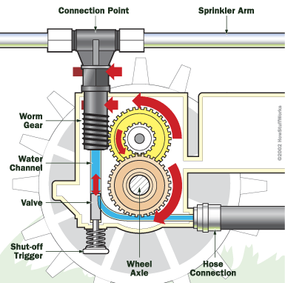
How Do Lawn Sprinklers Work: Watering Made Easy for Your Yard
Lawn sprinklers work by delivering water directly to your grass and plants through a network of underground pipes and strategically placed sprinkler heads. This automated system ensures your lawn receives the right amount of water at the right time, promoting healthy growth and vibrant color.
Fathoming the Mechanics: The Ins and Outs of Lawn Sprinklers
Taking care of a lush, green lawn often involves more than just occasional watering. For many homeowners, a well-designed sprinkler system is the secret weapon. But how exactly do these systems transform a simple water source into a precisely managed irrigation solution? Let’s dive deep into the fascinating world of lawn sprinklers and decipher the technology that makes watering made easy for your yard.
The Heart of the System: Essential Sprinkler System Components
At its core, any effective lawn sprinkler setup relies on a series of interconnected parts working in harmony. These sprinkler system components are designed to bring water from your supply to every corner of your yard, ensuring uniform coverage.
- Water Source: This is usually your main water line, providing the essential H2O. Some larger or more sophisticated systems might even tap into wells or rainwater harvesting systems.
- Backflow Preventer: A crucial safety device, this component stops irrigation water from flowing back into your drinking water supply. It prevents contamination, which is a vital consideration for public health.
- Mainline and Lateral Pipes: These are the arteries of the system. Underground sprinkler pipes carry water from the main supply to the various zones and then to the individual sprinkler heads. They are typically made of durable PVC or polyethylene.
- Valves: Often referred to as “solenoid valves,” these are electrically controlled gates that open and close to allow water to flow to specific sprinkler zones. They are the traffic controllers of your irrigation system.
- Sprinkler Heads: These are the visible nozzles that spray water. They come in various designs to suit different watering needs and lawn areas.
- Controller (Timer): This is the brain of the operation. The automatic sprinkler controller dictates when and for how long each zone waters, allowing for customized lawn watering schedules.
- Rain Sensor (Optional but Recommended): This device detects rainfall and signals the controller to skip watering cycles, preventing overwatering and saving water.
- Filter (Optional): If your water source has sediment or debris, a filter can protect the delicate sprinkler heads from clogging.
Deciphering the Spray: A Look at Sprinkler Head Types
The variety of sprinkler head types available ensures that every part of your landscape can be watered efficiently. The choice of sprinkler head depends on the area you need to cover, the type of plants, and the desired water application rate.
Pop-Up Sprinkler Heads
These are the most common type found in residential lawns. They remain hidden underground when not in use, protecting them from damage and maintaining the aesthetic appeal of your lawn. When activated, water pressure pushes a riser, lifting the sprinkler head above the ground.
- Rotary Sprinklers: These heads emit a stream or streams of water that rotate, covering a larger area with a slower application rate. They are ideal for larger, open lawn spaces and generally use less water per minute than spray heads, reducing runoff.
- Pros: Excellent for large areas, good for slopes, less prone to wind drift.
- Cons: Can take longer to water an area, more complex mechanism.
- Spray Heads (Pop-Up Sprays): These heads spray water in a fixed fan pattern. They are designed for smaller areas or irregularly shaped landscapes, providing a more immediate and even coverage.
- Pros: Good for smaller or irregular areas, simple operation, quick coverage.
- Cons: Can be affected by wind, higher application rate can lead to runoff on slopes.
Surface Sprinklers
These are designed to sit on top of the ground and are often used for temporary setups, vegetable gardens, or areas where pop-up sprinklers are not practical.
- Impact Sprinklers: Known for their distinctive “thwack-thwack” sound, these sprinklers shoot a jet of water that strikes a deflector, causing it to rotate. They are robust and can cover large areas, often with a strong stream that can reach further.
- Pros: Durable, long throw distance, good for high-pressure systems.
- Cons: Can be noisy, prone to wind drift, less efficient water distribution.
- Oscillating Sprinklers: These sprinkler heads move back and forth, creating a rectangular watering pattern. They are popular for basic lawn watering and can cover rectangular or square areas effectively.
- Pros: Simple to use, good for rectangular lawns, easy to adjust pattern.
- Cons: Can cause uneven watering if not positioned correctly, prone to leaks over time.
- Drip Irrigation Emitters: While not strictly “sprinklers,” these are crucial for efficient watering. They deliver water slowly and directly to the root zone of plants, minimizing evaporation and waste. They are ideal for flower beds, shrubbery, and vegetable gardens.
- Pros: Highly water-efficient, reduces weed growth, delivers water directly to roots.
- Cons: Not suitable for large lawn areas, can be prone to clogging if water isn’t filtered.
The Power Behind the Flow: Irrigation System Water Pressure
The effective operation of your sprinkler system hinges on adequate irrigation system water pressure. This pressure determines how far the water can be thrown, the spray pattern, and the efficiency of the water distribution in sprinklers.
- Optimal Pressure: Most residential sprinkler systems operate best with water pressure between 30 and 50 pounds per square inch (PSI).
- Low Pressure: If your pressure is too low, sprinklers may not pop up properly, the spray pattern will be weak, and coverage will be uneven. This can be due to insufficient supply from the municipal system, undersized pipes, or leaks.
- High Pressure: Conversely, excessively high pressure can cause sprinklers to spray too forcefully, leading to misting (which evaporates quickly), poor coverage, and potential damage to the sprinkler heads. Pressure regulators can be installed to manage high pressure.
Factors Affecting Water Pressure:
- Municipal Supply: The pressure provided by your local water utility.
- Pipe Size: Smaller pipes restrict water flow, reducing pressure.
- Valve Size: Valves that are too small can also limit flow.
- System Design: The number and type of sprinkler heads connected to a single zone.
- Elevation Changes: Water pressure decreases as it flows uphill.
- Simultaneous Use: Other water-using appliances in your home can reduce pressure for the sprinkler system.
Crafting Your Lawn’s Thirst Quencher: Developing a Lawn Watering Schedule
A well-planned lawn watering schedule is key to a healthy lawn and water conservation. It’s not about watering as much as possible, but watering effectively when your lawn actually needs it.
Key Considerations for Your Schedule:
- Grass Type: Different grass species have varying water needs. Cool-season grasses (like fescue and bluegrass) generally require more water in hot weather than warm-season grasses (like Bermuda and Zoysia).
- Soil Type: Sandy soils drain quickly and need more frequent, shorter watering. Clay soils retain moisture longer and require less frequent, but deeper, watering.
- Weather Conditions: Hot, dry, and windy weather increases evaporation and transpiration, requiring more frequent watering. Cool, humid, or rainy weather reduces water needs.
- Sunlight Exposure: Areas that receive full sun will dry out faster than shaded areas.
- Season: Water needs change significantly throughout the year. Lawns typically need less water in spring and fall than in the peak of summer.
Best Practices for Watering:
- Water Deeply and Infrequently: This encourages deeper root growth, making your lawn more drought-tolerant. Aim to moisten the soil to a depth of 4-6 inches.
- Water in the Early Morning: The best time to water is between 4 AM and 10 AM. This minimizes evaporation losses due to heat and wind, and allows the grass blades to dry before evening, reducing the risk of fungal diseases.
- Avoid Watering in the Heat of the Day: High temperatures lead to significant water loss through evaporation.
- Don’t Water in the Evening: Watering late at night can leave grass blades wet for extended periods, promoting disease.
- Observe Your Lawn: Look for signs of thirst, such as a dull, bluish-gray color, or footprints that remain on the grass after you walk on it. These are indicators it’s time to water.
- Adjust Based on Rainfall: Utilize a rain sensor or simply turn off your system when significant rain has occurred.
The Process of Greening: Sprinkler System Installation
Sprinkler system installation is a significant undertaking that, when done correctly, can provide years of efficient and convenient lawn care. While it’s possible to tackle this as a DIY project, many homeowners opt for professional installation due to the complexity involved.
Stages of Professional Installation:
- Design and Planning: A professional will assess your yard’s topography, soil type, plant needs, and water source to create a customized irrigation plan. This includes determining the number and placement of sprinkler heads, pipe layout, and valve locations.
- Trenching: Trenches are dug to lay the underground sprinkler pipes and electrical conduit for the valves and controller. Modern installation often uses trenchers that minimize disruption to the lawn.
- Pipe Laying and Connection: The pipes are laid, and fittings are used to connect them to the main water supply, valves, and sprinkler heads.
- Valve Installation: Manifold valve boxes are installed, housing the electrically controlled valves for each zone.
- Sprinkler Head Placement: Sprinkler heads are installed at the designated locations, ensuring proper spacing and alignment for optimal coverage.
- Controller Installation: The automatic sprinkler controller is typically mounted on an exterior wall, often near a garage or outdoor faucet. Wiring from the controller connects to each valve.
- Backflow Preventer Installation: This critical safety device is installed where the irrigation system connects to the main water supply.
- Testing and Adjustment: After installation, the system is pressurized, and each zone is tested. Sprinkler heads are adjusted for arc, radius, and trajectory to ensure uniform water distribution in sprinklers and correct coverage.
- Backfilling and Restoration: Trenches are filled, and the lawn is restored as much as possible.
DIY Installation Considerations:
- Local Codes and Permits: Check local regulations regarding backflow prevention devices and any required permits.
- Tools: You’ll need trenching tools, pipe cutters, PVC cement, wire strippers, and possibly a pipe locator.
- Patience: This is a labor-intensive process that requires careful planning and execution.
The Brains of the Operation: The Automatic Sprinkler Controller
The automatic sprinkler controller, also known as a timer or smart controller, is the command center of your irrigation system. It takes the guesswork out of watering, allowing you to set it and forget it.
How Controllers Work:
- Programming: You input your desired lawn watering schedule, including start times, watering duration for each zone, and days of the week.
- Zone Control: The controller sends electrical signals to the solenoid valves. When a zone is scheduled to water, the controller sends a signal to its corresponding valve, causing it to open and allow water to flow to the sprinkler heads in that zone.
- Automatic Shut-off: Once the programmed watering time for a zone is complete, the controller sends another signal to the valve, closing it and stopping the water flow.
- Sequential Watering: The controller typically waters one zone at a time to prevent pressure drops and ensure adequate irrigation system water pressure for each zone.
Advancements in Controller Technology:
- Smart Controllers: These modern controllers connect to Wi-Fi and can access local weather data. They automatically adjust watering schedules based on real-time weather, rainfall forecasts, and even evapotranspiration (ET) rates, leading to significant water conservation sprinklers.
- App Control: Many smart controllers can be managed remotely via smartphone apps, allowing you to monitor and adjust your system from anywhere.
- Weather Stations: Some systems integrate with on-site weather stations for even more precise data.
The Art of Evenness: Water Distribution in Sprinklers
Achieving uniform water distribution in sprinklers is a fundamental goal of any well-designed irrigation system. Uneven watering can lead to dry spots, overwatered areas, increased disease risk, and a generally unhealthy-looking lawn.
Principles of Good Water Distribution:
- Head-to-Head Coverage: Sprinkler heads should be spaced so that the spray from one head reaches the base of the adjacent head. This creates an overlapping pattern, ensuring water reaches all areas.
- Proper Nozzle Selection: Different nozzles are available for spray heads, offering various spray patterns (e.g., 90°, 180°, 360°) and flow rates. Choosing the right nozzle for the area being watered is crucial.
- Radius Adjustment: Most sprinkler heads have an adjustment screw that allows you to control the distance the water sprays.
- Arc and Rotation Control: For rotary sprinklers, adjusting the arc and rotation speed ensures water is applied only where it’s needed, avoiding sidewalks, driveways, or buildings.
- Matching Application Rates: It’s important to group sprinklers with similar application rates within the same zone. Mixing low-volume drip emitters with high-volume spray heads in one zone will lead to uneven watering.
The Veins of the System: Understanding Underground Sprinkler Pipes
The underground sprinkler pipes are the hidden infrastructure that carries water throughout your yard. Their material, diameter, and layout are critical to the system’s efficiency and longevity.
Pipe Materials:
- PVC (Polyvinyl Chloride): The most common material for underground sprinkler pipes. It’s rigid, durable, resistant to corrosion, and relatively inexpensive. Available in various pressure ratings (e.g., Schedule 40, Schedule 80).
- Polyethylene (Poly Pipe): Flexible and often used for connecting to the main water supply or for lateral lines where more flexibility is needed. It’s less prone to cracking in freezing temperatures but can be susceptible to damage from pests or digging.
Pipe Sizing:
The diameter of the pipes is crucial for maintaining adequate irrigation system water pressure.
- Mainlines: These are typically larger diameter pipes (e.g., 1 inch or 1.25 inches) to carry a substantial volume of water from the source to the valves.
- Lateral Lines: These pipes branch off from the valves and supply water to the sprinkler heads. Their diameter will vary depending on the number and type of sprinklers they serve.
Importance of Proper Sizing: Undersized pipes can significantly reduce water flow and pressure, leading to poor sprinkler performance. A professional installer will calculate the necessary pipe sizes based on the system’s demand.
Keeping It Flowing: Sprinkler System Maintenance
Regular sprinkler system maintenance is essential to ensure its longevity, efficiency, and optimal performance. Neglecting maintenance can lead to costly repairs and wasted water.
Key Maintenance Tasks:
- Spring Startup:
- Turn on Water Supply: Slowly open the main water valve to pressurize the system.
- Check for Leaks: Inspect all visible connections and sprinkler heads for any signs of leakage.
- Test Each Zone: Run each zone and check that all sprinkler heads are popping up correctly, rotating (if applicable), and spraying in the intended pattern.
- Clean and Adjust Heads: Remove any debris from sprinkler heads and nozzles. Adjust any misaligned heads or heads that are spraying on pavement.
- Check Controller Settings: Ensure the lawn watering schedule is appropriate for the current season and weather conditions.
- Mid-Season Check:
- Visual Inspection: Periodically walk through your yard while the system is running to identify any issues like clogged nozzles, broken heads, or uneven spray patterns.
- Adjust Schedule: Modify the watering schedule as needed based on weather changes.
- Fall Winterization:
- Drain the System: In colder climates, it’s crucial to drain all water from the underground sprinkler pipes to prevent freezing and bursting. This is typically done using compressed air blown through the system or by opening drain valves.
- Turn Off Water Supply: Close the main water valve to the system.
- Disconnect Hoses: If you have any above-ground components, disconnect them.
- Protect the Controller: Ensure the controller is protected from the elements, especially if it’s an older, non-weatherproof model.
Troubleshooting Common Issues:
- Sprinkler Head Not Popping Up: Check for debris, low water pressure, or a clogged valve.
- Uneven Spray Pattern: Clean or replace the nozzle, adjust the radius, or check for blockages in the head.
- Leaking Sprinkler Head: The seal may be worn, or the riser might be damaged.
The Greenest Approach: Water Conservation Sprinklers
In an era of increasing environmental awareness and rising water costs, water conservation sprinklers are not just a good idea – they are essential. Modern irrigation systems can be designed to be incredibly water-wise, minimizing waste while keeping your lawn healthy.
Technologies and Practices for Water Conservation:
- Smart Controllers: As mentioned earlier, these are the cornerstone of water-wise irrigation. By using weather data, they water only when and how much is needed.
- Rain Sensors: A simple yet effective device that prevents watering during and immediately after rain.
- Soil Moisture Sensors: These advanced sensors measure the actual moisture content in the soil, allowing the system to water precisely when the soil begins to dry out.
- Drip Irrigation: Ideal for gardens and shrub beds, drip systems deliver water directly to the plant roots, reducing evaporation and runoff by up to 70% compared to traditional sprinklers.
- Low-Volume Sprinkler Heads: Some newer sprinkler heads are designed to apply water at a slower rate, reducing runoff, especially on slopes.
- Proper Zoning: Grouping areas with similar watering needs (e.g., sun vs. shade, different plant types) into separate zones allows for more precise watering.
- Regular Maintenance: A well-maintained system is a water-efficient system. Leaks and malfunctioning heads waste significant amounts of water.
- Watering in the Early Morning: Minimizing evaporation is a critical water-saving technique.
Frequently Asked Questions (FAQ)
Q1: How often should I water my lawn?
A1: The frequency depends on your grass type, soil, climate, and season. Generally, it’s better to water deeply 1-3 times per week rather than shallowly every day. Observe your lawn for signs of thirst.
Q2: Can I adjust my sprinkler heads myself?
A2: Yes, most pop-up sprinkler heads have an adjustment screw to change the spray radius and arc. Refer to your sprinkler head’s manual for specific instructions.
Q3: What is the lifespan of a sprinkler system?
A3: With proper sprinkler system maintenance, a well-installed system can last 15-20 years or even longer. The underground sprinkler pipes are very durable, but sprinkler heads and valves may need occasional replacement.
Q4: How much does a sprinkler system cost?
A4: The cost of sprinkler system installation can vary widely depending on the size of your yard, the complexity of the design, the quality of the components, and whether you hire a professional or do it yourself. Expect anywhere from $2,000 to $7,000 or more for a typical residential system.
Q5: Is a rain sensor necessary?
A5: While not strictly mandatory, a rain sensor is highly recommended for water conservation sprinklers. It automatically prevents watering during and after rainfall, saving water and preventing overwatering.
Q6: What is the ideal water pressure for my sprinklers?
A6: Most residential sprinkler systems perform best with irrigation system water pressure between 30 and 50 PSI.
By grasping these fundamental principles, you can better appreciate the technology behind your lawn’s irrigation and make informed decisions about its upkeep and efficiency. A well-functioning sprinkler system is a powerful tool for maintaining a beautiful, healthy landscape, effortlessly delivering the water your yard needs to thrive.