
What is a septic tank, and why is knowing its location important? A septic tank is an underground wastewater treatment system for homes not connected to a central sewer system. Knowing its location is crucial for maintenance, repairs, inspections, and to avoid accidental damage.
Finding a septic tank location in your yard might seem like a daunting task, especially if you’ve recently moved into a property or lost previous records. However, with a bit of detective work and the right tools, you can pinpoint your buried septic tank with relative ease. This guide will walk you through various methods to help you locate your septic system quickly and efficiently, ensuring proper septic tank access for crucial septic tank inspection and maintenance.
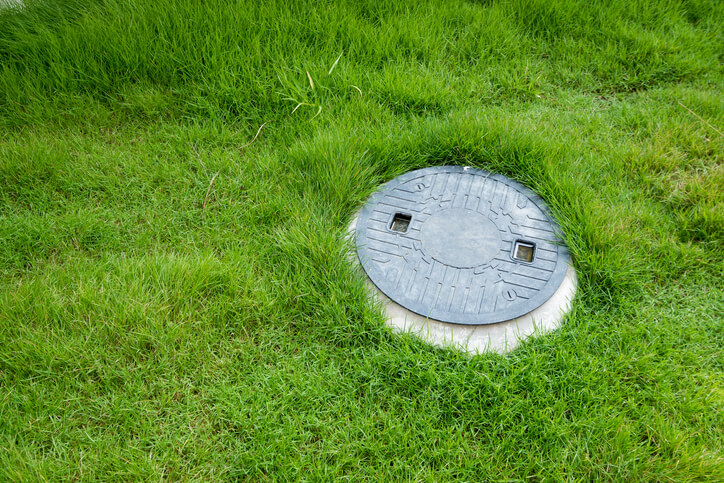
Image Source: www.jonessepticfl.com
Why Knowing Your Septic Tank’s Location Matters
Before diving into the “how-to,” let’s establish why this information is so vital.
- Maintenance and Pumping: Septic tanks require regular pumping, typically every 3-5 years, to remove accumulated sludge and scum. Without knowing the septic tank lid location, you can’t easily access it for this essential service.
- Repairs and Troubleshooting: If your drains are slow or backing up, your septic system might be the culprit. Accessing the tank is often the first step in diagnosing and fixing issues.
- Inspections: Whether you’re buying or selling a home, a septic tank inspection is often required. This involves evaluating the system’s condition, and inspectors need to find the tank and its components.
- Preventing Damage: Accidental digging or landscaping over the septic tank lid can cause significant damage to both the tank and your equipment. Knowing its placement helps you avoid such costly mistakes.
- Future Planning: If you plan to build an addition, install a pool, or undertake any significant landscaping, knowing the septic system map or the tank’s location prevents conflicts.
Methods for Finding Your Septic Tank
There are several tried-and-true methods for locating a septic tank. Start with the easiest and progress to more involved techniques if necessary.
1. Check Property Records and Deeds
The most straightforward way to find your septic tank location is to consult official documents.
- Homeowner’s Manuals and Previous Inspection Reports: If the previous owners left any documentation, it might contain information about the septic system, including its general location or even a diagram.
- Local Building or Health Department Records: Many municipalities maintain records of septic system installations. You might be able to obtain a septic system map or permit information that shows the tank’s placement. Contact your local county building department or health department for details on how to access these records.
- Property Deed: Sometimes, easements or specific notations on your property deed might hint at the location of underground utilities, including septic systems.
2. Ask Previous Owners or Neighbors
If possible, the easiest route is often to ask those who have been there before.
- Previous Homeowners: If you can contact them, they might remember where the tank is or have records they can share.
- Long-Term Neighbors: Neighbors who have lived in the area for a long time might have knowledge of septic system locations, especially if there were common installation practices for the neighborhood.
3. Observe Your Yard for Clues
Your yard itself can offer visual cues that help in finding septic tank components.
- The Drainfield: The drainfield (or leach field) is where the liquid effluent from the septic tank is dispersed into the soil. It’s usually a series of trenches or beds located downhill from the tank. The drainfield is often a large area, but its presence indicates a general vicinity for your septic system. Look for areas with unusually lush or green grass, especially during dry spells, as the drainfield’s moisture can encourage plant growth.
- Slight Dips or Raised Areas: Over time, the ground above a buried septic tank might settle, creating a slight depression. Conversely, the soil used to cover the tank might have settled more than the surrounding area, causing a subtle mound.
- Manhole Covers or Risers: The most direct clue is the septic tank lid itself, or a septic tank riser that extends to near the surface. These are typically circular or rectangular metal or plastic covers. They are often located in an easily accessible area, usually within a few feet of the house.
Identifying Septic Tank Lid and Riser Characteristics
- Material: Septic tank lids can be made of concrete, plastic, or metal.
- Shape: Most are circular, but some older systems might have rectangular lids.
- Size: Lids vary in diameter, but are often around 2-3 feet across.
- Risers: A riser is a pipe that extends from the septic tank lid up to ground level, making access much easier. If you see a pipe sticking out of the ground, particularly with a cap, it’s likely a septic tank riser.
4. Follow Water Usage Patterns
The flow of wastewater from your house can provide clues.
- Start from the House: Septic tanks are usually buried within 10-20 feet of the house. The inlet pipe typically runs in a straight line from the house to the tank.
- Trace Drainage Pipes: If you have exposed drainage pipes, try to trace them. While not always a direct line to the tank, it can give you a starting point.
5. Use a Metal Detector
If you suspect your septic tank is buried and you can’t find any visual clues, a metal detector can be very effective.
- How it Works: Septic tanks are often made of concrete, but they usually have metal components like baffles, lids, or access ports. Risers can also be metal. A metal detector will alert you to these buried metal parts.
- Tips for Using a Metal Detector:
- Choose the Right Detector: A good quality metal detector capable of detecting larger, deeper objects will be most effective.
- Sweep Systematically: Start near the house and sweep in a grid pattern across the likely area.
- Listen for Strong Signals: A strong, consistent signal often indicates a larger metal object.
- Dig Carefully: Once you get a strong signal, use a shovel to carefully probe the area. Remember, you’re looking for a potentially large, buried object.
6. Employ a Septic Dye Test (With Caution)
A septic dye test can help visualize the flow of wastewater, potentially leading you to the tank or drainfield. However, this is best done by a professional.
- The Process: A non-toxic dye is flushed down a toilet. Then, you observe where the colored water surfaces or reappears in your yard.
- Limitations: This method is more effective for finding drainfield issues or leaks rather than the tank itself, but in some cases, it can reveal the general direction of the outflow from the tank.
7. Hire a Professional Septic Service
When all else fails, or if you want the most accurate and efficient method, hiring a professional septic service is the best option.
- Expertise and Equipment: Septic professionals have specialized tools and experience in locating septic system components. They often use electronic pipe locators or ground-penetrating radar (GPR) for precise identification.
- Benefits: They can not only find the tank but also perform a thorough septic tank inspection, assess its condition, and advise on necessary maintenance, saving you time and potential damage.
Specialized Tools Professionals Use
- Electronic Pipe Locators: These devices use a transmitter to send a signal down a pipe and a receiver that detects the signal above ground. This is very effective for tracing pipes connected to the tank.
- Ground-Penetrating Radar (GPR): GPR uses radar pulses to image the subsurface. It can detect changes in the soil that indicate the presence of a buried tank, even if it has no metal components.
Common Locations for Septic Tanks
While every property is different, septic tanks are typically installed in predictable areas.
- Front Yard: Often, the tank is located in the front yard, especially if the backyard is sloped or has other structures.
- Side Yard: A side yard can also be a convenient location, particularly if it offers direct access from a driveway.
- Backyard: If the backyard is relatively flat and unobstructed, it’s a common place for tank installation, often situated a reasonable distance from the house.
Factors Influencing Septic Tank Placement
- Proximity to the House: Tanks are generally placed within 10-50 feet of the house, with a maximum allowable distance depending on local codes.
- Drainfield Location: The tank must be downhill or on a level plane from the house, and uphill from the drainfield to allow for gravity flow.
- Property Lines and Setbacks: Local regulations dictate how close a septic tank can be to property lines, wells, driveways, and water bodies.
- Soil Conditions and Topography: Engineers consider soil type, slope, and drainage when determining the ideal tank location.
- Accessibility: Installers aim for a location that allows for easy access for maintenance vehicles and equipment.
What to Do Once You’ve Found Your Septic Tank
Congratulations! You’ve located your septic tank access. Now what?
- Mark the Location Clearly: Use brightly colored flags, stakes, or paint to clearly mark the septic tank lid and any risers. This will help prevent accidental damage in the future.
- Document the Location: Take photos and make a note of the exact position relative to permanent landmarks (e.g., corner of the house, specific tree, utility box). You might even sketch a simple septic system map for your own records.
- Schedule a Septic Tank Inspection: If you haven’t had one recently, now is the perfect time. A professional can check the tank’s condition, ensure proper function, and advise on a pumping schedule.
Common Mistakes to Avoid When Locating a Septic Tank
- Digging Blindly: Never start digging without some indication of where the tank might be. This can lead to hitting the tank unexpectedly or damaging pipes.
- Ignoring Warning Signs: Pay attention to any unusual smells or wet spots in your yard, as these could indicate a leak or overflow, and point to the general area of concern.
- Assuming Standard Placement: While there are common areas, don’t assume your tank is in the most typical spot. Be thorough in your search.
- Overlooking Official Records: Always check municipal and property records first. They often contain the most reliable information.
Septic Tank Maintenance and What You Need to Know
Once you’ve found your tank, it’s a good time to think about its upkeep.
Regular Pumping Schedule
- Frequency: Most septic tanks need to be pumped every 3 to 5 years, but this can vary based on household size, water usage, and the tank’s capacity.
- Signs it Needs Pumping: Slow drains, gurgling sounds from pipes, sewage odors, and plumbing backups can all indicate a full septic tank.
What Happens During a Septic Tank Inspection?
A professional septic tank inspection typically involves:
- Locating the tank: Ensuring easy septic tank access.
- Opening the tank: Removing the septic tank lid or septic tank riser cover.
- Checking sludge and scum levels: Measuring how much solid material has accumulated.
- Inspecting baffles: Ensuring they are intact and functioning correctly.
- Examining the tank walls: Looking for cracks or signs of damage.
- Checking the outlet for clogs: Making sure effluent can flow freely to the drainfield.
What to Do If You Can’t Find Your Tank
If you’ve tried all the methods above and still can’t locate your septic tank, it’s time to call in the experts. They have the tools and knowledge to find even the most elusive buried septic tank.
Frequently Asked Questions (FAQ)
Q1: How deep is a typical septic tank buried?
A1: Septic tanks are typically buried anywhere from a few inches to several feet below the surface. The depth often depends on local climate (to prevent freezing) and the installer’s preference.
Q2: Can I use a regular shovel to dig for my septic tank?
A2: Yes, a regular shovel can be used, but it’s important to dig carefully and probe the area rather than excavating widely. If you suspect you’re close, use a shovel to gently push into the soil rather than aggressively digging.
Q3: What if my septic tank is made entirely of concrete with no metal parts?
A3: In this case, a metal detector might not work. Your best bet would be to rely on visual clues, checking property records, or hiring a professional who can use advanced locating equipment like GPR.
Q4: Can the septic tank be located under a driveway or patio?
A4: Yes, septic tanks can sometimes be located under driveways or patios, especially in older installations. This makes access more difficult, and usually requires specialized excavating equipment or the installation of a new riser to bring the access point to the surface.
Q5: Is it safe to dig around a septic tank?
A5: Yes, it is generally safe to dig around a septic tank as long as you are careful not to damage the tank itself or the pipes leading to and from it. Be aware of the potential for escaping gases if the tank is severely damaged, though this is rare with proper digging.
Q6: What is a septic system map?
A6: A septic system map is a diagram or drawing that shows the location of the septic tank, the distribution box, and the drainfield (leach field) on your property. It’s an invaluable tool for maintenance and repairs.
Q7: How do I know if I have a septic system?
A7: If your home is not connected to a municipal sewer line, you likely have a septic system. You can also check your utility bills for sewer charges. If there are none, you probably have a septic system.
Q8: Can I locate my septic tank by looking for the sewer cleanout pipe outside my house?
A8: While the main sewer line leaving your house is connected to the septic tank, the cleanout pipe might not always lead directly to it, or it might be in a different location altogether. It’s a starting point, but not a definitive locator for the tank itself.
By following these steps, you can effectively locate your septic tank and ensure your home’s wastewater system is well-maintained and functioning properly. Regular care is key to preventing costly repairs and ensuring the longevity of your septic system.