
Can you legally keep your neighbor’s dog out of your yard? Yes, you can take reasonable steps to prevent a neighbor’s dog from entering your property. This blog post will explore various methods to achieve this, from simple deterrents to more robust solutions.
Dealing with a neighbor’s dog that frequently visits your yard can be frustrating. It might dig up your flowerbeds, leave “gifts” on your lawn, or even become a nuisance to your own pets. Fortunately, there are many effective ways to keep these canine visitors in their rightful place. This guide will walk you through various strategies, from humane deterrents to physical barriers, helping you reclaim your outdoor space.
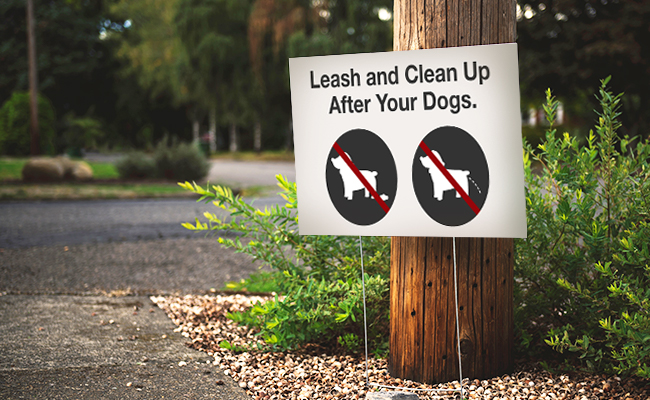
Image Source: home-cdn.reolink.us
Why Does a Neighbor’s Dog Enter My Yard?
Before diving into solutions, it’s helpful to consider why a dog might be leaving its property. Understanding the motivation can sometimes offer clues for the best approach.
- Curiosity: Dogs are naturally curious creatures. They explore their surroundings, and your yard might simply be an interesting new territory.
- Smell: Your yard might contain enticing scents, such as those of your own pets, interesting plants, or even discarded food scraps.
- Companionship: If your dog is often outside, the neighbor’s dog might be seeking interaction or playtime.
- Escape: The dog might be escaping an undesirable situation at home, like boredom, lack of attention, or a poorly secured yard.
- Lack of Supervision: A dog that is not closely supervised by its owner is more likely to wander.
Simple & Effective Deterrents for Keeping Dogs Out
Often, the simplest solutions are the most effective. These methods focus on making your yard less appealing to dogs without causing them harm.
Scent-Based Deterrents
Dogs rely heavily on their sense of smell. Using scents they dislike can be a powerful way to deter them.
- Citrus Peels: Dogs generally dislike the smell of citrus fruits like oranges, lemons, and grapefruits. Scatter fresh peels around your yard’s perimeter.
- Vinegar: Diluted white vinegar or apple cider vinegar can be sprayed along fences or property line markers. The strong scent is a natural dog repellent. Reapply after rain.
- Essential Oils: Certain essential oils, such as citronella, eucalyptus, peppermint, and lemongrass, are known to repel dogs. Mix a few drops with water in a spray bottle and apply it to areas where dogs tend to enter. Caution: Ensure the oils are diluted and used in moderation, as some can be irritating.
- Coffee Grounds: Used coffee grounds can also act as a deterrent due to their strong aroma. Sprinkle them around the edges of your yard.
- Cayenne Pepper (Use with extreme caution): While effective, cayenne pepper can irritate a dog’s nose and eyes. Use this sparingly and only as a last resort, as it can be considered inhumane if not applied carefully. Avoid applying it where the dog might ingest it.
Table 1: Scent Deterrent Effectiveness
| Deterrent | Ease of Use | Natural | Potential for Irritation | Reapplication Frequency |
|---|---|---|---|---|
| Citrus Peels | High | Yes | Low | Moderate |
| Diluted Vinegar | High | Yes | Low | Moderate |
| Essential Oils | Medium | Yes | Medium | Moderate |
| Coffee Grounds | High | Yes | Low | Moderate |
| Cayenne Pepper | High | Yes | High | Moderate |
Sound-Based Deterrents
Some dogs are sensitive to certain sounds.
- Ultrasonic Devices: These electronic devices emit high-frequency sounds that are inaudible to humans but irritating to dogs. They are often motion-activated. When a dog enters the range, the device emits a sound, discouraging the dog from coming closer. These are considered humane dog deterrents.
- Wind Chimes/Noise Makers: While not specifically designed for dogs, sudden noises from wind chimes or strategically placed cans filled with pebbles can startle a dog and make it less likely to linger.
Physical Deterrents & Boundary Creation
Sometimes, a more physical approach is needed to create clear boundary barriers.
- Motion-Activated Sprinklers: These devices detect movement and spray a jet of water at the approaching animal. Most dogs dislike being sprayed with water and will learn to avoid the area. They are an effective and humane method of preventing trespassing animals.
- Pine Cones or Gravel: Spreading pine cones or coarse gravel along the edges of your lawn can make walking uncomfortable for dogs, discouraging them from entering.
- Plant Choices: Certain plants are naturally unappealing to dogs. Thorny bushes like barberry or roses planted along property line markers can create a natural barrier. Larger, more robust shrubs can also act as visual and physical deterrents.
Fence Solutions and Exclusion Techniques
For a more permanent and reliable solution, consider enhancing your property’s fencing or implementing exclusion techniques. This is crucial for effectively securing your yard from dogs.
Enhancing Existing Fences
If you already have a fence, there are ways to make it more effective.
- Increase Height: If the dog is a jumper, a taller fence is the most obvious solution.
- Fill Gaps: Dogs can squeeze through surprisingly small openings. Inspect your fence for any gaps, holes, or loose boards and repair them promptly.
- Add Fence Extensions: For determined diggers, consider installing a “skirt” of chicken wire or mesh along the bottom of the fence, extending outwards and buried slightly into the ground. This creates a barrier that prevents digging underneath.
- Privacy Slats: If your fence is chain-link, installing privacy slats can make it less appealing for dogs to see through and potentially bark at.
Fence Solutions: When You Need a New Barrier
If your current fencing is inadequate or non-existent, investing in a proper fence is a long-term solution.
- Chain-Link Fencing: A common and cost-effective option. Ensure the mesh size is small enough to prevent a small dog from getting through.
- Wooden Fencing: Offers good privacy and security. It’s a classic choice for defining property lines.
- Vinyl Fencing: Low maintenance and durable, vinyl fences are a good option for many homeowners.
- Picket Fencing: While aesthetically pleasing, standard picket fences may not be sufficient on their own if the gaps between pickets are too wide for the offending dog. Consider narrower spacing or a second barrier.
- Invisible Fences (Pet Containment Systems): These systems involve a buried wire that creates an electronic boundary. When the dog approaches the boundary, it receives a warning tone and then a mild static correction. This requires training the dog to respect the boundary.
Table 2: Types of Fences for Yard Security
| Fence Type | Cost | Durability | Maintenance | Dog Containment Effectiveness |
|---|---|---|---|---|
| Chain-Link | Moderate | High | Low | Good (with small mesh) |
| Wooden | Moderate | Medium | Moderate | High |
| Vinyl | High | High | Low | High |
| Picket | Moderate | Medium | Moderate | Fair (depends on spacing) |
| Invisible Fence | High | N/A | Low | High (with training) |
Property Line Markers and Visual Cues
Clearly defining your property line markers can sometimes deter a dog, especially if it’s simply confused about where it’s allowed to be.
- Edging: Low-profile edging can help delineate your lawn from garden beds and might subtly discourage a dog from crossing.
- Decorative Borders: Small, decorative borders can serve a similar purpose.
- Signage: A polite sign like “Please Keep Dogs Off Property” can sometimes be enough to inform the owner and deter the dog.
Animal Control Methods and Legal Considerations
While aiming for humane dog deterrents is preferable, understanding animal control methods and legal avenues is important if the problem persists or becomes severe.
- Contacting the Neighbor: The first and often best step is to have a friendly conversation with your neighbor. They might be unaware of the problem or willing to work with you to find a solution. This can be the most effective approach to preventing trespassing animals without escalating the situation.
- Local Animal Control: If direct communication fails or the situation is unsafe, contact your local animal control agency. They can investigate, issue warnings, or take other actions according to local ordinances regarding stray animals or leash laws.
- Leash Laws: Familiarize yourself with your local leash laws. Most areas have ordinances requiring dogs to be leashed when off their owner’s property.
Humane Dog Deterrents: Prioritizing the Animal’s Well-being
It’s essential to use methods that are effective without causing harm or distress to the animal.
- Avoid Harsh Chemicals: Never use chemicals that could poison or harm the dog.
- Scents and Sounds: As mentioned earlier, scents and ultrasonic devices are generally considered humane.
- Water Sprinklers: Motion-activated sprinklers are an excellent humane option.
- Physical Barriers: Fences and landscaping are non-aversive and simply prevent entry.
DIY vs. Professional Solutions
Many deterrents can be made at home with common household items. However, for more complex issues, professional solutions might be necessary.
- DIY: Citrus peels, vinegar sprays, and coffee grounds are easy and inexpensive to implement.
- Professional: Installing a new fence or an invisible fence system often requires professional expertise and equipment.
Dealing with Digging Dogs
If the neighbor’s dog is digging in your yard, this requires specific exclusion techniques.
- Burying Wire: As mentioned earlier, burying chicken wire or hardware cloth at the base of your fence, extending outwards, is highly effective.
- Rocks or Pavers: Placing rocks or pavers along the fence line can make digging difficult.
- Creating a Designated “Digging Zone” (for your own dog): If the issue is with your own dog digging under the fence to get to the neighbor’s dog, creating a sandpit or designated digging area for your dog within your yard might redirect their digging behavior.
Persistent Problems: What Else Can You Do?
If the problem continues despite your best efforts, you may need to consider more advanced strategies.
- Reinforce Property Line Markers: Ensure your property line markers are clear. Sometimes dogs wander because they are unsure of boundaries.
- Consult a Professional Trainer: If the issue is with your own dog’s behavior that might be attracting or provoking the neighbor’s dog, a professional trainer can help.
- Legal Advice: In extreme cases, where damage is significant or the situation poses a safety risk, consulting a legal professional might be necessary to understand your rights and options.
Frequently Asked Questions (FAQ)
Q1: Can I spray my neighbor’s dog with a hose if it comes into my yard?
A: While it might be tempting, spraying a dog with a hose can be seen as a form of harassment and could potentially lead to issues with your neighbor or animal control. Using motion-activated sprinklers is a more automated and less confrontational approach.
Q2: What is the most effective humane dog deterrent?
A: The most effective humane dog deterrent often depends on the individual dog and the specific situation. However, motion-activated sprinklers, strong natural scents like citrus and vinegar, and physical barriers like fences are generally very effective and humane.
Q3: Can I put up a fence on my property line without my neighbor’s permission?
A: Generally, you can build a fence entirely on your own property without your neighbor’s permission, as long as it complies with local zoning laws and building codes. However, it’s always a good practice to discuss your plans with your neighbor beforehand to maintain good relations. If the fence is a shared boundary fence, then shared agreement and cost are usually involved.
Q4: Are ultrasonic dog repellers safe?
A: Ultrasonic dog repellers are designed to be safe and humane. They emit high-frequency sounds that are unpleasant for dogs but not harmful. However, individual dogs may react differently, and it’s good to monitor the situation.
Q5: What if the dog is aggressive?
A: If the neighbor’s dog exhibits aggressive behavior, your safety and the safety of your family and pets are paramount. Avoid direct confrontation. Contact your local animal control immediately to report the aggressive animal.
Conclusion
Keeping a neighbor’s dog out of your yard doesn’t have to be a constant battle. By implementing a combination of simple deterrents, reinforcing boundary barriers, and considering more robust fence solutions, you can effectively secure your yard from unwanted canine visitors. Remember to prioritize humane methods and maintain open communication with your neighbor whenever possible. With the right strategies, you can enjoy your outdoor space peacefully.