
Creeping Charlie, also known as ground ivy, is a common lawn invader that can quickly take over your yard. Can you kill creeping charlie in your lawn effectively and naturally? Yes, you absolutely can! This guide will walk you through various weed control methods to tackle this persistent weed, from manual removal to the best herbicide for creeping charlie, focusing on organic weed control and preventing ground ivy from returning.
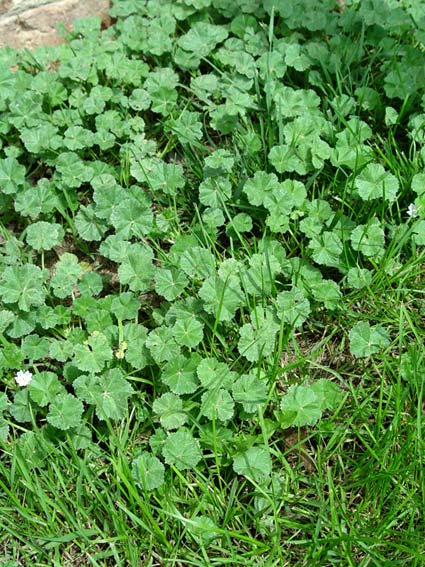
Image Source: www.greenviewfertilizer.com
What is Creeping Charlie?
Creeping Charlie (Glechoma hederacea) is a low-growing, perennial ground cover that spreads aggressively via runners, also known as stolons. Its distinctive scalloped, kidney-shaped leaves and small, trumpet-shaped blue-purple flowers make it easy to identify, especially when it starts to form dense mats that choke out desirable grass. It thrives in shady, moist areas but can adapt to a variety of conditions, making it a formidable opponent for any lawn owner.
Identifying Creeping Charlie
Before you can effectively remove ground ivy, you need to be sure that’s what you’re dealing with. Here’s a quick checklist:
- Leaves: Round to kidney-shaped, scalloped edges, fuzzy texture, grow in opposite pairs along the stem.
- Stems: Square-shaped, much like mint.
- Flowers: Small, funnel-shaped, typically blue-violet, appear in spring.
- Growth Habit: Spreads rapidly via above-ground runners (stolons) that root at the nodes.
- Smell: Crush the leaves, and they release a distinct, minty, somewhat pungent aroma.
Why is Creeping Charlie So Difficult to Remove?
Creeping Charlie’s tenacity is due to several factors:
- Aggressive Spreading: Its runners can cover large areas quickly, and each node along the runner can potentially root and form a new plant.
- Root System: While not as deep as some weeds, its shallow root system is robust and easily re-establishes.
- Resilience: It can survive in less-than-ideal conditions and is quite resistant to many common lawn weed killer applications.
- Seed Production: While primarily spreading by runners, it also produces seeds, further aiding its propagation.
Strategies for Creeping Charlie Control
Effective creeping charlie control requires a multi-pronged approach. Relying on a single method may not be enough. We’ll explore both manual and chemical weed control methods, with a strong emphasis on natural and sustainable options.
Manual Removal: Digging Out Ground Ivy
The most direct way to tackle creeping charlie is through manual removal. This method is excellent for small infestations or as a first step before other treatments.
How to Manually Remove Creeping Charlie
- Timing is Key: The best time to manually remove ground ivy is when the soil is moist, making it easier to pull. After a rain or watering session is ideal.
- Gather Your Tools: You’ll need a trowel, garden fork, or a specialized weeding tool that can get under the root system. Gloves are a must, as some people experience skin irritation from the plant.
- The Process:
- Gently loosen the soil around the edges of the creeping charlie patch.
- Carefully work your tool beneath the mat of runners, trying to lift out as much of the root system as possible.
- Pull out the entire plant, including the runners and any rooted nodes. Don’t leave any pieces behind, as they can regrow.
- For larger areas, you might need to work in sections.
- Disposal: Bag the removed creeping charlie immediately and dispose of it in your yard waste bin or compost pile if you’re confident your compost gets hot enough to kill the seeds and roots. Otherwise, bagging for trash is safer.
Pros of Manual Removal:
- Completely natural and environmentally friendly.
- No risk of harming desirable grass or other plants.
- Immediate visual improvement.
Cons of Manual Removal:
- Labor-intensive and time-consuming, especially for large infestations.
- Difficult to get every single root, leading to regrowth.
- Requires consistent effort over time.
Natural and Organic Weed Control Methods
For those seeking to kill creeping charlie naturally, several options exist that harness the power of organic materials. These methods focus on weakening and ultimately killing the weed without harsh chemicals.
Boiling Water
While it sounds simple, boiling water can be an effective spot treatment for creeping charlie.
- Application: Carefully pour boiling water directly onto the ground ivy.
- Caution: Be extremely careful not to splash yourself or the surrounding grass, as boiling water will kill any plant it touches.
- Frequency: May require repeat applications.
Vinegar Solutions
Vinegar, particularly horticultural vinegar (20% acetic acid), can act as a natural herbicide. Household vinegar (5%) is less potent but can still be effective for small patches.
- Application: Spray directly onto the leaves of creeping charlie, ensuring good coverage.
- Timing: Apply on a sunny, dry day for maximum effectiveness. Avoid spraying on windy days to prevent drift.
- Caution: Vinegar is non-selective, meaning it will kill any plant it contacts. It can also temporarily lower soil pH. It’s best used as a spot treatment.
- Repeat: Multiple applications are usually necessary to weaken and kill the plant.
Corn Gluten Meal
Corn gluten meal is a pre-emergent herbicide that works by inhibiting root formation in germinating seeds. It’s a natural byproduct of corn processing.
- Application: Apply in early spring, before creeping charlie seeds germinate.
- Timing: Timing is crucial for pre-emergents. Apply when soil temperatures are consistently between 50-55°F for about two weeks.
- Benefits: It also acts as a nitrogen fertilizer, benefiting your lawn.
- Limitations: It won’t kill existing plants, only prevent new ones from sprouting.
Salt (Use with Extreme Caution)
Salt can kill creeping charlie, but it is a soil sterilizer. This means it will kill everything in the soil and make it difficult for any plants to grow there for a long time.
- Application: A very dilute solution (e.g., 1 teaspoon of salt in a gallon of water) can be spot-treated.
- Caution: DO NOT use this method in your lawn if you want grass to grow there. It is best reserved for cracks in pavement or driveways where you want no growth at all.
Improving Lawn Health for Better Weed Control
A healthy, dense lawn is the best defense against creeping charlie and other weeds. Preventing ground ivy often comes down to making your lawn less hospitable to it.
Proper Mowing
- Height: Mow your grass at the higher end of the recommended range for your grass type (typically 3-4 inches for fescue and bluegrass). Taller grass shades the soil, making it harder for creeping charlie to establish.
- Sharp Blades: Ensure your mower blades are sharp. Dull blades tear grass, making it susceptible to disease and stress, which weeds exploit.
Watering Wisely
- Deep and Infrequent: Water your lawn deeply but less often. This encourages deeper root growth in your grass, making it more drought-tolerant and competitive.
- Avoid Overwatering: Creeping charlie thrives in moist conditions. Overwatering can create an ideal environment for it.
Fertilizing Appropriately
- Balanced Nutrition: Fertilize your lawn according to its needs, based on a soil test. Proper nutrition promotes healthy, dense turf that can outcompete weeds.
- Timing: Fertilize at the correct times of year for your grass type.
Aeration and Dethatching
- Aeration: This process removes small cores of soil, allowing air, water, and nutrients to reach the grass roots. It also helps break up the dense mat creeping charlie can form.
- Dethatching: Removing excess thatch (dead grass and organic matter) prevents it from suffocating your grass and provides a better environment for grass growth.
Chemical Weed Control: When and How to Use Herbicides
If natural methods aren’t sufficient, chemical lawn weed killer can be an effective option. When selecting a best herbicide for creeping charlie, look for products specifically labeled for broadleaf weed control.
Understanding Herbicide Types
- Selective Herbicides: These target specific types of plants, usually broadleaf weeds, while leaving grasses unharmed. This is what you want for treating creeping charlie in your lawn.
- Non-Selective Herbicides: These kill all vegetation they contact, including grass. Use these only for spot treatments or areas where you want to clear everything.
The Best Herbicides for Creeping Charlie
Several active ingredients are effective against creeping charlie. Common ones include:
- 2,4-D: A widely used selective herbicide for broadleaf weeds.
- Dicamba: Another potent broadleaf herbicide.
- Mecoprop (MCPP): Often found in combination with other herbicides.
- Triclopyr: Effective against woody plants and broadleaf weeds.
Combination products often contain a mix of these ingredients and are generally more effective for tough weeds like creeping charlie.
Application Tips for Chemical Treatments
- Read the Label: This is the most crucial step. Always read and follow the manufacturer’s instructions for application rates, timing, safety precautions, and potential environmental impact.
- Timing: Apply herbicides when creeping charlie is actively growing, typically in spring or fall. Avoid application during extreme heat or drought conditions.
- Spot Treatment: For small infestations, spot treating with a spray bottle or a targeted applicator is best to minimize chemical use and protect desirable plants.
- Coverage: Ensure thorough coverage of the creeping charlie leaves.
- Weather: Apply on a calm, dry day. Rain can wash the herbicide away before it has a chance to work, and wind can cause drift onto desirable plants.
- Repeat Applications: It’s common to need multiple applications, spaced according to the product label, to fully eradicate creeping charlie.
Potential Drawbacks of Chemical Herbicides
- Environmental Impact: Some chemicals can harm beneficial insects, soil microorganisms, and aquatic life if they get into waterways.
- Drift: If not applied carefully, herbicides can drift and damage nearby plants or gardens.
- Resistance: Over-reliance on one type of herbicide can lead to weed resistance.
Integrated Pest Management (IPM) for Creeping Charlie
The most effective long-term strategy for creeping charlie control is Integrated Pest Management (IPM). IPM combines various weed control methods to manage pests and weeds in a way that is both effective and environmentally responsible.
The IPM Approach to Creeping Charlie
- Prevention: Start with practices that prevent ground ivy from establishing in the first place (healthy lawn, proper watering, etc.).
- Cultural Controls: These are the non-chemical methods like mowing high, watering deeply, and improving soil health.
- Mechanical Controls: This includes manual removal and any physical means of removing the weed.
- Biological Controls: While less common for creeping charlie in residential lawns, biological controls involve using natural predators or diseases.
- Chemical Controls: Herbicides are used as a last resort or when other methods are not feasible, always using the least toxic option necessary and applying it precisely.
A Sample IPM Plan for Creeping Charlie
Early Spring:
- Rake your lawn to remove debris and loosen any matted creeping charlie.
- If using corn gluten meal as a pre-emergent, apply it now.
- Observe your lawn for emerging creeping charlie patches.
Late Spring:
- Begin spot treating actively growing creeping charlie with a selective broadleaf herbicide or a natural option like vinegar.
- Continue with proper mowing and watering practices.
Summer:
- Maintain healthy lawn practices. Avoid excessive watering.
- Continue spot treating any new growth.
Early Fall:
- This is a prime time for broadleaf weed control. Apply a selective herbicide if needed, targeting any remaining creeping charlie.
- Overseed any bare patches to promote dense turf.
- Aerate and dethatch if necessary.
Late Fall:
- Prepare your lawn for winter with a final mow and fertilization if recommended for your grass type.
When to Call the Professionals
If your creeping charlie infestation is extensive and overwhelming, or if you’re not comfortable using herbicides, consider contacting a professional lawn care service. They have the expertise and equipment to diagnose the problem accurately and apply appropriate treatments.
Frequently Asked Questions (FAQ)
Q1: How quickly can I expect to see results after treating creeping charlie?
Results vary depending on the method used and the severity of the infestation. Manual removal provides immediate visual improvement. With herbicides, you might see wilting within a few days, but complete eradication can take several weeks or multiple applications. Natural methods like vinegar might show wilting in a day or two but will likely require repeated treatments.
Q2: Can I use a weed killer that kills dandelions on creeping charlie?
Many broadleaf weed killers that target dandelions will also be effective against creeping charlie. Always check the product label to ensure creeping charlie (ground ivy) is listed as a target weed.
Q3: Is it safe to let my pets on the lawn after applying a herbicide?
Always follow the specific instructions on the herbicide product label. Most selective herbicides require pets to stay off the treated area until the product has dried. Some natural treatments, like vinegar, might also require a waiting period.
Q4: My lawn is mostly creeping charlie. What should I do?
If your lawn is heavily infested, you might consider a more drastic approach. This could involve using a non-selective herbicide to kill everything, then preparing the soil and reseeding or sodding with a desirable turfgrass. Alternatively, you can gradually convert the area to a ground cover that is more resistant to creeping charlie, such as clover or a dense, low-growing grass.
Q5: Can I kill creeping charlie without harming my grass?
Yes, by using selective broadleaf herbicides correctly or employing vigilant manual removal and improving lawn health. The key is to apply treatments precisely and to foster a dense, healthy lawn that can naturally outcompete the creeping charlie.
By implementing a combination of these strategies, you can effectively kill creeping charlie and remove ground ivy from your lawn, promoting a healthier, more beautiful yard. Consistent effort and patience are your greatest allies in treating creeping charlie and achieving lasting creeping charlie control.