
Can you bake eggshells for garden use? Yes, baking eggshells is a fantastic way to prepare them for your garden. It makes them easier to crush and helps kill any lingering bacteria, turning them into a valuable addition for your plants.
Eggshells are more than just kitchen waste; they’re a gardener’s secret weapon! These humble calcium-rich treasures can significantly boost your garden’s health and productivity. Let’s dive into how you can harness the power of baked eggshells to cultivate a thriving green space.
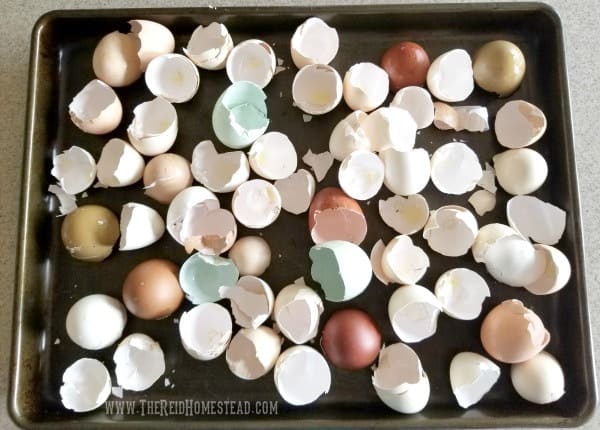
Image Source: thereidhomestead.com
Why Bother with Eggshells for Your Garden?
The benefits of using eggshells in your garden are numerous. Primarily, they are an excellent source of calcium, a vital nutrient for plant development. Calcium plays a crucial role in cell wall structure, growth regulation, and nutrient uptake. Without enough calcium, plants can suffer from issues like blossom end rot in tomatoes and peppers, or stunted growth in leafy greens.
Beyond calcium, eggshells for plants offer other advantages. When decomposed, they release magnesium, phosphorus, and other trace minerals that enrich your soil. This makes eggshell fertilizer a natural and sustainable way to feed your plants.
Preparing Eggshells: The Baking Method
The simplest and most effective way to get crushed eggshells for plants ready is by baking them. This process not only sterilizes them but also makes them brittle and easy to pulverize.
Here’s a step-by-step guide to preparing your eggshells:
Step 1: Collect and Rinse
- Gather your eggshells from breakfast or baking.
- Rinse them thoroughly under cool running water. This removes any remaining egg white or yolk, which can attract pests or create odors if not cleaned.
- Gently pat them dry with a paper towel or let them air dry for a few hours.
Step 2: Baking the Eggshells
- Preheat your oven to a moderate temperature, around 200-250°F (95-120°C). A lower temperature is sufficient for drying and sterilizing without causing them to brown or become excessively brittle.
- Spread the cleaned eggshells in a single layer on a baking sheet. You can line the baking sheet with parchment paper for easier cleanup.
- Place the baking sheet in the preheated oven.
- Bake for about 10-15 minutes. You’ll know they’re ready when they feel dry and are easy to break. They should not be hot to the touch.
Step 3: Cooling and Crushing
- Carefully remove the baking sheet from the oven.
- Allow the baked eggshells to cool completely.
- Once cool, you can crush them in several ways:
- By Hand: The simplest method is to place the cooled shells in a plastic bag and crush them with your hands. This is a good way to get larger pieces.
- Using a Rolling Pin: Place the shells in a sturdy plastic bag, seal it, and then use a rolling pin to break them down.
- Using a Blender or Food Processor: For very fine powder, use a clean blender or food processor. Be sure to pulse it carefully to avoid damaging your appliance. This creates pulverized eggshells, which break down faster in the soil.
The goal is to get them into small pieces. The smaller they are, the faster they will decompose and release their nutrients.
How to Use Baked Eggshells in Your Garden
Now that your eggshells are prepared, it’s time to put them to work. There are several effective ways to incorporate them into your gardening routine.
Adding to Soil Directly
- As a Soil Amendment: Sprinkle the crushed eggshells for plants directly onto your garden beds. Mix them into the top few inches of soil, especially in areas where you plan to grow calcium-loving plants like tomatoes, peppers, broccoli, and beans. This provides a slow-release source of calcium for garden needs.
- When Planting: Add a spoonful of finely ground eggshells to the planting hole for each seedling. This gives young plants an immediate calcium boost as their roots establish.
Using Eggshells in Compost
Incorporating compost eggshells is a fantastic way to recycle nutrients and improve your compost pile.
- Adding to the Compost Bin: Toss your crushed eggshells into your compost bin or pile. They are a “brown” material, meaning they are carbon-rich, but their primary contribution is nutrient enrichment.
- Breakdown Time: While eggshells are a good addition, they decompose slowly. Ensure they are well-crushed to speed up the process. You can test the decomposition by checking if the pieces are still recognizable after a few months.
Eggshells as a Pest Repellent
Beyond their nutritional value, eggshells can act as a natural deterrent for certain garden pests.
- Slugs and Snails: The sharp edges of crushed eggshells for plants create an uncomfortable barrier for soft-bodied pests like slugs and snails. Create a ring of eggshells around vulnerable plants. When the pests try to cross, the sharp edges deter them. You might need to replenish this barrier after rain.
- Other Pests: Some gardeners report success using eggshells to deter ants and certain crawling insects. The effectiveness can vary, but it’s a harmless and natural method to try.
Benefits of Eggshells in Soil
Let’s delve deeper into the specific advantages that eggshell fertilizer brings to your garden soil.
Calcium Source
As mentioned, calcium is a macronutrient essential for plant health. It’s a component of cell walls, meaning it strengthens plants and helps them resist diseases. Low calcium levels can lead to:
- Blossom End Rot: A common problem in tomatoes, peppers, and squash, characterized by a dark, leathery spot on the bottom of the fruit. This is often due to uneven watering combined with calcium deficiency.
- Stunted Growth: Plants may grow slower and produce fewer leaves and flowers.
- Leaf Tip Burn: In some plants, calcium deficiency can manifest as browning or wilting at the tips of new leaves.
- Poor Fruit Development: Fruits might be smaller or malformed.
Using eggshells in compost or directly in the soil provides a slow-release source of calcium that plants can access as needed throughout the growing season.
Improved Soil Structure
While not as significant as materials like compost or manure, the gradual decomposition of eggshells can contribute to better soil structure over time. As they break down, they can help improve aeration and drainage, especially in clay-heavy soils.
Nutrient Enrichment
Eggshells are not just about calcium. They also contain smaller amounts of magnesium, phosphorus, potassium, and other essential micronutrients. These trace elements, released as the eggshells decompose, contribute to overall plant vitality and can improve the nutrient profile of your garden soil amendment.
What to Avoid When Using Eggshells
While beneficial, there are a few things to keep in mind to ensure you’re using eggshells effectively and safely.
Over-Reliance on Eggshells Alone
Eggshells are a supplementary nutrient source, not a complete fertilizer. They won’t provide all the nitrogen, potassium, and other essential elements your plants need to thrive. Always use them in conjunction with good soil practices, compost, and a balanced fertilizer if necessary.
Not Crushing Them Finely Enough
Eggshells are a slow-release nutrient source, and their breakdown rate is directly linked to their surface area. If you don’t crush them finely enough, it can take a very long time for the calcium to become available to plants. For faster results, aim for pulverized eggshells or at least very small fragments.
Using Unrinsed or Unbaked Shells
While not strictly harmful, unrinsed shells can attract pests and potentially harbor harmful bacteria. Baking sterilizes them and makes them easier to process, ensuring a cleaner and more effective garden amendment.
Eggshell Fertilizer: A Sustainable Choice
Choosing to use eggshells in your garden is a fantastic way to embrace sustainability. You’re diverting waste from landfills and creating a valuable resource for your plants. This natural approach reduces the need for synthetic fertilizers, which can have environmental drawbacks.
The Science Behind Eggshell Decomposition
Eggshells are primarily composed of calcium carbonate (CaCO₃). In the soil, calcium carbonate is a relatively stable compound. For plants to absorb the calcium, it needs to be released through a process of weathering and microbial decomposition.
- Microbial Action: Soil microbes break down the organic matter in the eggshells, including any trace proteins, and also begin to solubilize the calcium carbonate.
- Acidic Conditions: Soil acidity can also play a role in breaking down calcium carbonate. If your soil is naturally acidic, the calcium will become available more readily.
- Particle Size: As mentioned, smaller particle sizes mean more surface area exposed to microbes and soil conditions, accelerating the release of calcium.
This is why pulverized eggshells are generally considered to release nutrients more quickly than large chunks. When using eggshells in compost, the composting process itself involves decomposition by microbes, which aids in breaking down the shells and making their nutrients available.
Eggshell Pest Repellent: How It Works
The effectiveness of eggshells as a pest repellent, particularly for slugs and snails, is largely due to their physical properties:
- Sharp Edges: When crushed, eggshells create rough, sharp edges that are uncomfortable for the soft, slimy bodies of slugs and snails to crawl over. They perceive this as a barrier and often turn back.
- Dehydration: Some gardeners also suggest that the sharp edges can cause dehydration in slugs and snails by puncturing their slime layer.
While this method is natural and safe, it’s important to note that heavy rain can wash away or clump the eggshells, reducing their effectiveness. You may need to reapply the eggshell pest repellent after significant rainfall.
FAQ: Frequently Asked Questions about Using Eggshells in the Garden
Here are some common questions gardeners have about using eggshells:
Q1: How much calcium do eggshells actually contain?
A1: Eggshells are about 95% calcium carbonate. However, the amount of calcium that becomes available to plants depends on how finely they are ground and the soil conditions.
Q2: Can I use eggshells from any bird?
A2: Yes, eggshells from chickens, ducks, or even quail can be used in the garden. The primary benefit comes from the calcium carbonate content.
Q3: How long does it take for eggshells to break down in the soil?
A3: This varies greatly depending on the size of the eggshell pieces and your soil conditions. Finely powdered eggshells might start releasing nutrients within a few months, while larger pieces can take six months to a year or even longer to fully decompose.
Q4: Will using eggshells make my soil more alkaline?
A4: Calcium carbonate is alkaline. If you have very acidic soil and add large amounts of eggshells, it could slightly raise the soil pH over time. However, for most garden soils, the effect is minimal and generally beneficial as it helps buffer extreme acidity. If you have naturally alkaline soil, use eggshells in moderation.
Q5: My tomatoes have blossom end rot. Can eggshells fix this immediately?
A5: Eggshells can help prevent or mitigate blossom end rot by providing a slow-release source of calcium. However, they are not an immediate fix. Blossom end rot is often exacerbated by inconsistent watering. Ensure your plants receive consistent moisture, and gradually incorporate eggshells into the soil for long-term calcium supply.
Q6: Do I need to bake eggshells if I’m putting them in compost?
A6: Baking is not strictly necessary if you are adding eggshells to a hot compost pile that reaches sufficient temperatures to kill bacteria. However, rinsing them is still recommended to remove any residue, and baking can still make them easier to crush for faster decomposition.
Q7: Can I use pasteurized eggshells for gardening?
A7: Yes, pasteurized eggshells are perfectly fine for garden use. The pasteurization process is essentially a form of heat treatment, similar to baking, which sterilizes them and makes them ready for the garden.
Eggshell Fertilizer: A Gardener’s Perspective
Many experienced gardeners swear by the benefits of crushed eggshells for plants. They find it to be a simple, cost-effective, and natural way to improve soil health and plant vigor. From preventing blossom end rot on tomatoes to encouraging stronger growth in leafy greens, the impact of this readily available resource is significant.
When you start thinking about preparing eggshells for garden, you are tapping into a tradition of resourceful gardening that utilizes what nature provides. Whether you’re adding them to your compost eggshells pile, sprinkling them around vulnerable seedlings, or creating a barrier against pests, baked eggshells are a versatile addition to your gardening arsenal.
The goal is to create a healthy living environment in your soil, and eggshell fertilizer is a key component in that ecosystem. By providing essential calcium for garden needs and contributing to overall soil fertility, these humble shells truly help your plants grow. Remember, consistent application and proper preparation, like baking and crushing, will yield the best results. So next time you crack an egg, think of your garden and save those shells!
This method transforms kitchen waste into a powerful garden soil amendment, making your gardening practices more efficient and environmentally friendly. The act of using eggshells in compost or directly enriching your soil is a small step with a big impact on the health and productivity of your garden.