
How do you keep raccoons out of your garden? You can keep raccoons out of your garden by using a combination of physical barriers, deterrents, and by making your garden less appealing to them. This includes employing strong fencing, using effective repellents, and removing attractants.
Raccoons are clever, adaptable creatures, and they often see our gardens as a convenient buffet. Their sharp claws and strong jaws can make short work of tender vegetables, fruits, and even ornamental plants. But before you despair, know that there are many effective and humane ways to protect your precious edible plants and maintain your garden’s integrity. This guide delves into proven methods and practical tips for successful garden protection from these masked bandits.
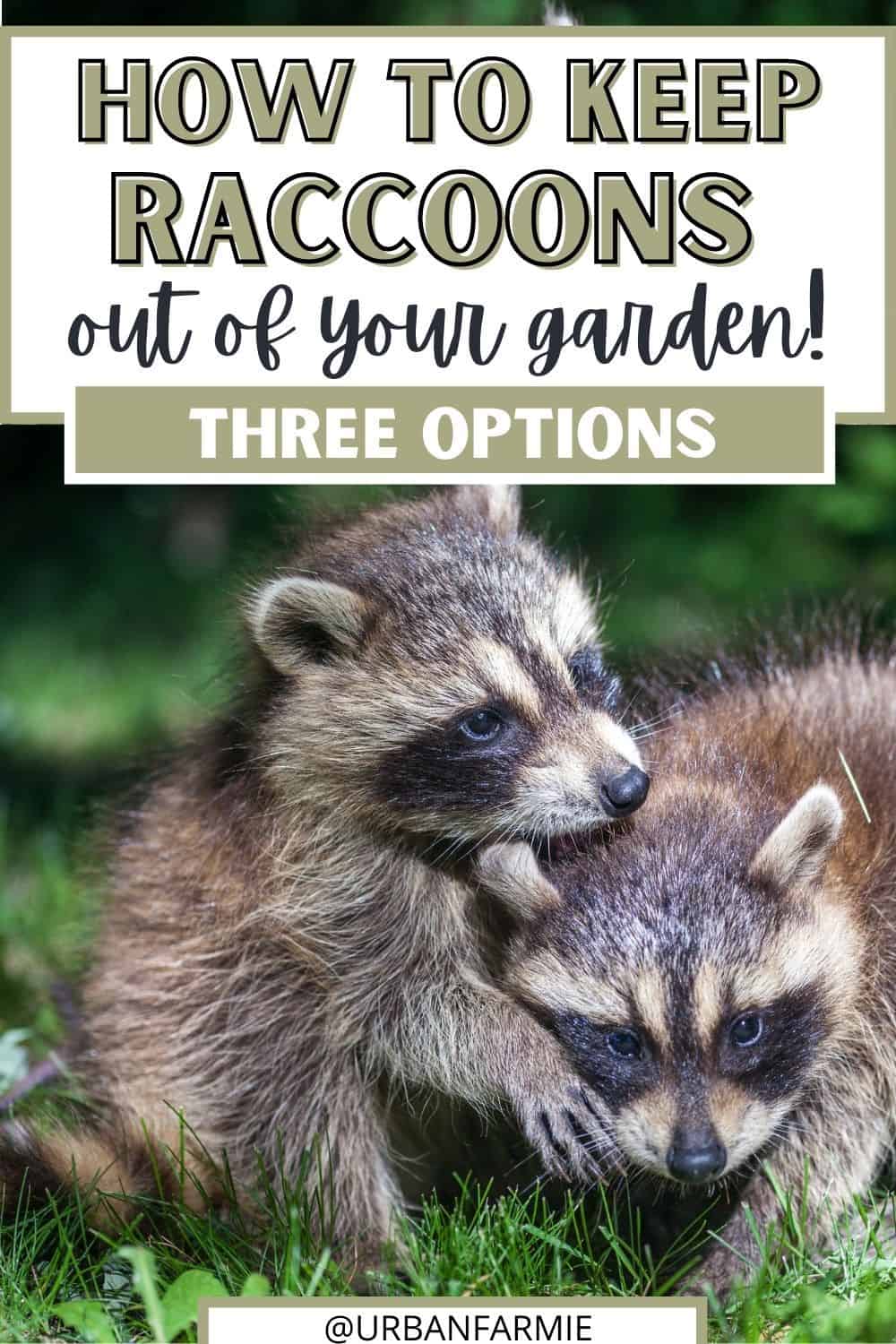
Image Source: urbanfarmie.com
The Raccoon’s Appeal: Why Your Garden?
To effectively deter raccoons, it’s helpful to understand what draws them to your garden in the first place.
- Food Sources: Raccoons are omnivores with a broad diet. They love ripe fruits and vegetables like tomatoes, corn, berries, melons, and apples. They also enjoy grubs, insects, and even pet food left outdoors. Your garden likely offers a rich variety of these tasty treats.
- Water Sources: Raccoons need water to survive. Access to bird baths, ponds, or even puddles can make your garden a desirable destination.
- Shelter: Raccoons seek safe places to sleep and raise their young. Garages, sheds, attics, or dense undergrowth can provide shelter. While not directly in your garden, proximity can increase their visits.
- Easy Access: Gardens with open access and no barriers are an invitation. Raccoons are adept climbers and can often bypass simple fencing.
Building a Fort Knox: Effective Fencing Strategies
Fencing is one of the most reliable methods for garden protection. However, a standard chicken wire fence won’t cut it. Raccoons are surprisingly strong and agile.
H3: The Right Materials for Robust Fencing
- Height is Key: Your fence should be at least 3 to 4 feet tall. Raccoons can jump, so height is crucial.
- Sturdy Mesh: Opt for heavy-gauge welded wire mesh or hardware cloth with openings no larger than 1 inch. This prevents raccoons from squeezing through and also keeps out smaller pests.
- Burying the Base: This is a critical step. Raccoons are excellent diggers. Bury the bottom 10-12 inches of your fence directly into the ground. You can also create an outward-facing “skirt” of wire mesh at ground level, extending about 12 inches, to further deter digging. This is a prime wildlife exclusion technique.
H3: The Electric Fence Option
For serious raccoon problems, consider an electric fence. This is a highly effective deterrent that teaches raccoons to stay away without causing them permanent harm.
H4: How Electric Fences Work
- Low Voltage, High Impact: Electric fences deliver a mild but startling shock. It’s enough to deter them without causing injury.
- Multi-Strand Setup: Typically, two to three strands are sufficient. The lowest strand should be about 4-6 inches off the ground, and the subsequent strands should be spaced 6-8 inches apart vertically. This targets their low-to-the-ground foraging habits.
- Power Source: Use a reputable low-impedance fence charger designed for livestock or wildlife. Ensure it’s solar-powered or has a reliable power source.
Important Note: Always check local regulations regarding electric fencing, especially concerning pet safety and visibility for humans.
H3: The Latch and Lean Deterrent
This is a clever natural barrier and deterrent that works by making it difficult for raccoons to climb over.
- Install a Secondary Layer: Attach a piece of wire mesh or hardware cloth (1-inch openings) along the top of your existing fence.
- The “Outrigger” Effect: Angle this additional mesh outward, away from the garden, creating an “outrigger” effect. This makes it extremely difficult for raccoons to get a grip and pull themselves over.
Repelling the Rascals: Scent and Sensory Deterrents
Repellents work by creating an unpleasant sensory experience for raccoons, making them associate your garden with something negative.
H3: Scent-Based Repellents
Raccoons rely heavily on their sense of smell. Disrupting this can be very effective.
H4: Natural Scent Deterrents
- Cayenne Pepper and Hot Sauce: Sprinkle cayenne pepper or spray a diluted hot sauce solution around the perimeter of your garden. Reapply after rain.
- Garlic and Onion: The strong smell of garlic and onions can be off-putting. Planting these as border plants or scattering crushed cloves can help.
- Epsom Salts: Some gardeners find that sprinkling Epsom salts around plants deters raccoons. The reasoning is that they dislike the taste or texture on their paws.
- Ammonia-Soaked Rags: Place rags soaked in household ammonia in small containers (like old yogurt cups) around your garden. The strong smell can be a powerful deterrent. Be cautious with placement to avoid accidental contact with plants or pets.
- Predator Urine: Products containing the urine of coyotes or foxes can be effective repellents as raccoons instinctively fear these predators. Follow product instructions carefully for application.
H4: Commercial Scent Repellents
There are many commercial repellents available, often containing ingredients like castor oil, urea, or predator urine. Look for products specifically labeled for raccoons and follow instructions for safe and effective use.
H3: Motion-Activated Deterrents
Raccoons are startled by sudden movements and noises.
H4: Motion-Activated Sprinklers
- The Sudden Soak: These devices connect to your garden hose and release a sudden burst of water when they detect motion. The surprise is usually enough to send a raccoon scrambling.
- Placement: Position them to cover key entry points and vulnerable areas of your garden.
H4: Ultrasonic Devices
- High-Frequency Sounds: These devices emit high-frequency sounds that are unpleasant to raccoons but typically inaudible to humans and pets.
- Effectiveness Varies: While some users report success, the effectiveness of ultrasonic devices can vary, and some animals may eventually become accustomed to the sound.
H4: Light and Noise Deterrents
- Scare Tactics: Placing old radios tuned to talk stations, wind chimes, or motion-activated lights in your garden can sometimes startle raccoons and keep them away. However, like ultrasonic devices, these are often short-term solutions as raccoons can habituate to constant stimuli.
Making Your Garden Less Inviting: Practical Management
Beyond physical barriers and repellents, proactive garden management can significantly reduce raccoon visits.
H3: Eliminating Food Sources
- Harvest Promptly: Don’t leave ripe fruits and vegetables on the vine or on the ground. Harvest your produce as soon as it’s ready. This is a crucial aspect of pest control for your garden.
- Secure Compost Piles: Raccoons are notorious compost pile raiders. Use secure, lidded compost bins. Turn your compost regularly to reduce odors.
- Pet Food Management: Never leave pet food outdoors, especially overnight. Store it in sealed containers.
- Bird Feeder Woes: Bird feeders can be a major attraction. If you feed birds, use squirrel-proof feeders and clean up spilled seed regularly. Consider taking feeders down during peak raccoon activity.
H3: Water Source Control
- Drain Ponds or Reduce Access: If you have a pond, consider covering it at night or ensuring raccoons can’t easily access the edges.
- Empty Standing Water: Remove any containers that collect rainwater.
H3: Den Site Management
- Seal Entry Points: Raccoons often seek shelter in sheds, garages, or under decks. Inspect these areas and seal any potential entry points with sturdy materials.
- Remove Debris: Clear out brush piles or dense vegetation near your garden, as these can offer attractive denning sites.
Humane Trapping and Removal: When Other Methods Fail
If wildlife exclusion and deterrents haven’t worked, you might consider humane trapping. This is a last resort, and it’s essential to proceed ethically and legally.
H3: Understanding Humane Trapping
- Live Traps: These are cage-like traps designed to capture an animal without harming it.
- Baiting: Use attractive baits like marshmallows, sardines, or fruit. Place the bait at the back of the trap so the raccoon must step on the trigger plate.
- Placement: Set traps in areas where you’ve seen recent raccoon activity.
H3: Safe Removal and Relocation
- Know Your Local Laws: Relocation laws vary by region. In some areas, it’s illegal to relocate wildlife. Check with your local animal control or wildlife agency.
- Proper Relocation: If relocation is permitted, choose a suitable habitat at least 10-15 miles away from your home. Raccoons are territorial, and relocating them too close can lead to conflict with other animals or their own demise due to unfamiliar territory.
- Professional Assistance: For difficult situations, consider hiring a professional wildlife removal service that specializes in humane traps and safe removal.
Important Consideration: Trapping and relocating can sometimes be a temporary fix. If the underlying attractants remain, new raccoons may move into the vacated territory.
Choosing the Right Deterrents: A Comparative Look
| Deterrent Type | Effectiveness | Pros | Cons |
|---|---|---|---|
| Fencing | High (especially with proper installation) | Very effective long-term, provides physical barrier. | Initial cost and effort, requires maintenance. |
| Electric Fence | Very High | Highly effective, teaches animals to avoid. | Cost, requires maintenance, potential for accidental shock if not maintained. |
| Scent Repellents | Moderate to High (requires reapplication) | Easy to apply, can be natural or commercial. | Needs regular reapplication, effectiveness can decrease over time. |
| Motion Sprinklers | High (for surprise element) | Effective deterrent, uses water, no chemicals. | Requires hose access, can water plants excessively, may startle pets. |
| Ultrasonic Devices | Variable | Silent to humans, potentially humane. | Effectiveness can vary, animals may habituate, can be costly. |
| Noise/Light | Low to Moderate (short-term) | Simple to implement. | Animals often get used to it quickly. |
| Humane Traps | Effective for removal, not prevention | Can remove a problem animal. | Requires careful handling, potential legal restrictions, doesn’t solve root cause. |
Tips for Success: Combining Strategies
The most successful garden protection against raccoons involves a multi-pronged approach.
H3: Layer Your Defenses
Don’t rely on a single method. Combine robust fencing with appropriate repellents and consistent garden management.
H3: Be Persistent
Raccoons are persistent creatures. Keep up with reapplying repellents, maintaining your fencing, and removing attractants.
H3: Rotate Deterrents
If you’re using scent-based repellents, try rotating different types every few weeks. This can prevent raccoons from getting used to a single smell.
H3: Observe Your Garden
Pay attention to when and where raccoons are most active in your garden. This information can help you target your pest control efforts more effectively.
H3: Consider Your Neighbors
If your neighbors have raccoon issues, a coordinated effort can be more effective than individual attempts.
Frequently Asked Questions (FAQ)
H4: Are there any natural, safe ways to repel raccoons without harming them?
Yes, many natural methods exist. Planting strong-smelling herbs like mint, rosemary, or garlic around your garden borders can help. Sprinkling cayenne pepper or using diluted hot sauce sprays can deter them due to the strong taste and smell. Epsom salts applied around plants are also believed to be a deterrent. Motion-activated sprinklers are a safe and humane way to startle them away with water.
H4: Can I use my dog to keep raccoons away?
A dog can be a good deterrent, especially if it barks at intruders. However, raccoons can be territorial and may confront a dog, especially if they feel cornered. Ensure your dog is safe and supervised, and that your fencing also prevents direct confrontation if you choose to let your dog patrol.
H4: What if raccoons are getting into my trash cans?
Raccoons are notorious for raiding trash. Use sturdy trash cans with tight-fitting lids, preferably those designed to be animal-resistant. Securing the lids with bungee cords or latches can also help. Storing trash cans in a garage or shed until trash pickup day is another effective measure.
H4: Is it legal to trap and relocate raccoons?
Laws regarding trapping and relocating wildlife vary significantly by location. It is crucial to check with your local animal control, wildlife agency, or department of natural resources before attempting to trap or relocate any animal. Some areas prohibit relocation, while others have specific guidelines.
H4: How can I protect my fruit trees from raccoons?
Fencing around individual fruit trees or the entire orchard is the most effective method. Use a tall, sturdy fence that is buried at least 10-12 inches into the ground and extends outward at the top to prevent climbing. You can also wrap the trunks of young trees with metal sheeting or plastic tree guards to prevent them from climbing. Removing fallen fruit from around the base of the trees will also reduce their attraction.
By implementing these proven deterrents and employing smart garden protection strategies, you can significantly reduce or eliminate raccoon visits, allowing your garden to flourish and your edible plants to thrive. Remember that consistent effort and a combination of methods are key to effective wildlife exclusion and successful pest control.