
Image Source: cdn.shopify.com
How To Keep Your Cat In Your Yard Safely: Expert Advice
Can you keep your cat safely in your yard? Yes, with the right methods and consistent effort, you can create a secure outdoor haven for your feline friend. Keeping your cat safely within your yard is a primary concern for many cat owners. The desire to provide them with fresh air and stimulating environmental enrichment without the inherent risks of free-roaming is understandable. This guide delves into effective strategies and expert advice on achieving this goal, focusing on cat containment and creating a secure yard for cats.
Why Contain Your Cat?
Many cat owners ponder the necessity of keeping their cats indoors or within a contained outdoor space. The reasons are numerous and compelling, revolving around the safety and well-being of your beloved pet, as well as the local ecosystem.
Risks of Free-Roaming Cats
Free-roaming cats face a multitude of dangers that are significantly reduced when they are in a contained environment.
- Traffic Accidents: This is one of the most significant threats. Cats, especially those who venture out at dawn or dusk, are at high risk of being hit by vehicles. Their natural curiosity and playful nature can lead them into dangerous situations.
- Predation: Domestic cats, despite their hunting prowess, can still fall victim to larger predators like coyotes, foxes, or even aggressive dogs.
- Fights with Other Animals: Encounters with other cats, both domestic and feral, can lead to injuries, abscesses, and the transmission of diseases.
- Diseases and Parasites: Contact with other animals and contaminated environments can expose your cat to Feline Immunodeficiency Virus (FIV), Feline Leukemia Virus (FeLV), rabies, and various internal and external parasites.
- Getting Lost or Stolen: Curious cats can wander too far from home, get disoriented, or be intentionally taken by people.
- Ingestion of Toxins: Cats may ingest poisonous plants, rodenticides, antifreeze, or other harmful chemicals found in outdoor environments.
- Human Cruelty: Sadly, some cats fall victim to intentional harm from people.
Environmental Impact
Beyond the risks to your cat, allowing them to roam freely can also have an impact on local wildlife.
- Impact on Bird Populations: Cats are natural hunters and can significantly impact local bird populations, particularly ground-nesting species.
- Impact on Small Mammals: They also prey on small mammals like mice and voles, which play important roles in the ecosystem.
Strategies for Cat Containment
The goal is to create a safe outdoor cat space that satisfies your cat’s natural instincts for exploration and stimulation while keeping them secure. This often involves a combination of environmental modification and behavioral training.
1. Cat Fencing: The First Line of Defense
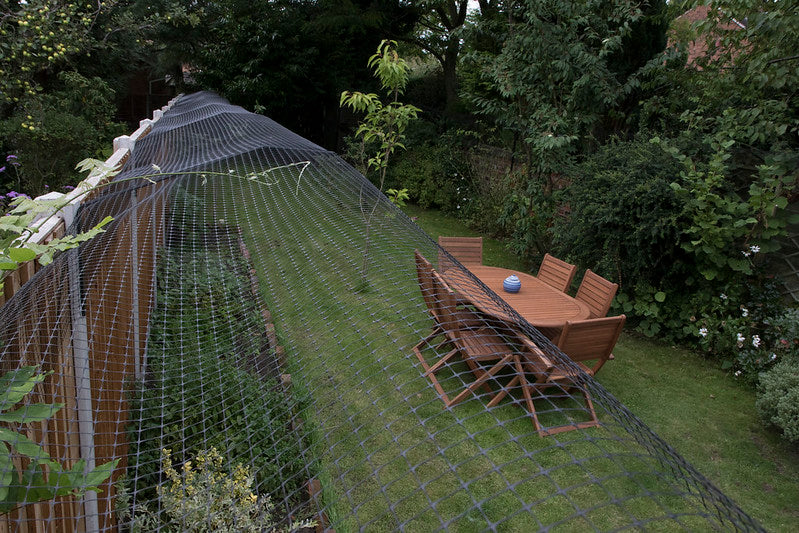
Investing in cat fencing is a primary step towards effective cat containment. Traditional fences are often insufficient for cats, as they are agile climbers and jumpers. Specialized cat fencing solutions are designed to prevent escape.
Types of Cat Fencing
- Roller Systems: These are a popular and effective method. They consist of rollers installed along the top of existing fences or specially designed fence panels. When a cat attempts to climb, they roll, preventing the cat from getting a grip and making it over the top.
- Pros: Highly effective, humane, can be retrofitted to existing fences.
- Cons: Can be an initial investment, requires proper installation.
- Angled Inward Fencing: This involves adding an inward-sloping section to the top of your fence. This creates an overhang that cats find difficult to navigate.
- Pros: Can be a cost-effective DIY option for existing fences.
- Cons: Requires careful construction to ensure there are no gaps.
- Mesh Fencing: Specialized, sturdy mesh fencing designed for cats can be erected as a standalone barrier or attached to existing structures. The mesh needs to be fine enough to prevent paws from getting stuck and durable enough to withstand scratching.
- Pros: Offers a more visually integrated solution, can be used to enclose larger areas.
- Cons: Can be more expensive, requires sturdy posts and secure anchoring.
DIY Cat Fence Considerations
For those inclined towards a DIY cat fence, several factors are crucial for success:
- Height: The fence should be at least 5-6 feet high.
- Material Strength: Use durable materials that cannot be easily bent or broken.
- No Gaps: Cats are masters at finding small openings. Inspect the entire perimeter regularly for any gaps or weaknesses.
- Burrowing Prevention: Cats can also dig. Burying the fence material at least 6-12 inches into the ground or creating an L-shaped footer can prevent digging under.
2. Cat Enclosures: Creating a Safe Haven
Outdoor cat enclosures, also known as catios, are purpose-built structures that provide a safe and enriching outdoor experience for your cat. These can range from small, pre-fabricated units to elaborate, custom-built extensions of your home.
Benefits of Catios
- Complete Containment: Catios offer the highest level of security, ensuring your cat cannot escape.
- Environmental Enrichment: They allow cats to experience the sights, sounds, and smells of the outdoors safely.
- Protection from Hazards: Cats within a catio are protected from traffic, predators, diseases, and toxins.
- Peace of Mind: Owners can relax knowing their cat is safely enjoying the outdoors.
Designing a Catio
When planning a catio, consider your cat’s needs and preferences:
- Size: Provide enough space for your cat to walk, stretch, play, and relax.
- Vertical Space: Cats love to climb. Include shelves, perches, and scratching posts at different heights.
- Shelter: Offer protection from sun and rain with covered areas.
- Stimulation: Include toys, tunnels, and hiding places.
- Ventilation: Ensure good airflow to prevent overheating.
- Access: Make sure there’s easy access for your cat to enter and exit the house.
Types of Catios
- Window Boxes: Small, enclosed platforms attached to windows, offering a limited but enjoyable outdoor view.
- Freestanding Catios: Structures built anywhere in the yard, offering more space and freedom.
- Attached Catios: Larger enclosures that connect to your house, often through a window or door, providing a seamless indoor-outdoor transition.
3. Cat Proofing Your Garden: Enhancing Existing Boundaries
Even with dedicated cat fencing or a catio, cat proofing your garden is an excellent supplementary strategy. This involves assessing your existing yard and identifying potential escape routes or hazards.
Identifying Escape Routes
Walk the perimeter of your yard as if you were a cat. Look for:
- Gaps under gates or fences.
- Loose fence panels.
- Overhanging branches from trees or shrubs that allow cats to jump over fences.
- Unsecured crawl spaces or sheds.
- Areas where the fence meets the house or other structures.
Securing Potential Escape Points
- Reinforce gates: Ensure gates close securely and consider adding latches that cannot be easily pushed open by a curious paw.
- Trim vegetation: Regularly trim back any trees or shrubs that grow close to or over your fence line.
- Block access to unwanted areas: Use sturdy materials like wire mesh or solid panels to block off access to sheds, garages, or under decks if these are not intended for cat access.
4. Cat Running Lines (Tethering): Supervised Outdoor Time
Cat running lines, also known as cat leashes or tethers, allow for supervised outdoor cat time. This involves attaching a secure harness and leash to your cat and supervising them while they explore a designated, safe area.
Choosing the Right Harness and Leash
- Harness Fit: The harness should be a “figure-eight” or “vest” style, designed to fit snugly without restricting movement or causing discomfort. It should not be possible for the cat to slip out of.
- Leash Length: A 6-10 foot leash provides enough freedom for exploration without allowing the cat to reach the fence line or potential hazards.
- Material: Lightweight and durable materials are best.
Safety and Best Practices for Running Lines
- Gradual Introduction: Introduce the harness and leash indoors first. Let your cat wear the harness for short periods, associating it with positive reinforcement like treats and praise.
- Leash Training: Once comfortable with the harness, attach the leash and allow them to drag it around indoors. Then, begin short walking sessions indoors.
- Outdoor Introduction: Start in a quiet, familiar area of your yard. Keep sessions short initially.
- Constant Supervision: Never leave your cat unattended while on a running line. They can get tangled, caught on something, or startled.
- Awareness of Surroundings: Be mindful of other animals, people, or potential hazards in the vicinity.
- Avoid High-Stress Situations: If your cat appears anxious or stressed, bring them back inside.
5. Training and Behavioral Modification
While physical barriers are crucial, positive reinforcement training can also play a role in encouraging your cat to stay within boundaries.
Desensitization to the Outdoors
- Gradual Exposure: Begin by simply opening a door or window and allowing your cat to observe the outdoors from a safe distance.
- Positive Association: Offer treats and praise when they are calm and curious about the outside world.
Discouraging Escape Attempts
- Redirecting Behavior: If you catch your cat trying to jump a fence or squeeze through a gap, gently redirect their attention with a toy or treat and guide them away from the area.
- Avoid Punishment: Punishing a cat for attempting to escape can create fear and anxiety, making them more likely to try and get out undetected in the future.
Essential Considerations for a Secure Yard
Beyond the primary containment methods, several other factors contribute to a truly secure yard for cats.
Environmental Enrichment
A bored cat is more likely to seek adventure outside their designated space. Providing plenty of stimulation within the yard is key.
- Vertical Space: Trees, sturdy shelves, climbing structures, and cat condos offer opportunities for climbing and perching.
- Scratching Posts: Vertical and horizontal scratching posts cater to natural scratching instincts.
- Toys and Play Areas: Interactive toys, puzzle feeders, and designated play zones can keep your cat engaged.
- Sensory Stimulation: Introduce cat-safe plants, textured surfaces, and the sounds of nature (safely behind barriers).
Safety Checks and Maintenance
Regular maintenance is critical for ensuring the integrity of your cat containment system.
- Weekly Inspections: Walk the perimeter of your fence or catio. Look for any loose wires, bent mesh, or new gaps.
- Seasonal Checks: Pay extra attention after storms or high winds that could compromise fencing.
- Check Roller Systems: Ensure rollers are still functioning smoothly and haven’t become blocked.
- Inspect Harnesses and Leashes: Regularly check for wear and tear on any equipment used for supervised outdoor time.
Introducing New Cats to the Contained Yard
If you have an existing cat and are introducing a new feline to the contained yard, do so gradually.
- Separate Areas: Initially, allow each cat to explore the contained space separately.
- Supervised Introductions: Once they seem comfortable, introduce them for short, supervised periods within the catio or fenced yard.
- Positive Reinforcement: Reward calm behavior during introductions with treats and praise.
Table: Pros and Cons of Different Containment Methods
| Method | Pros | Cons | Best For |
|---|---|---|---|
| Cat Fencing | Effective at preventing escapes, can cover large areas, humane. | Can be an investment, requires proper installation, may not deter all determined cats. | Property owners with existing fences, those looking for a general outdoor perimeter. |
| Outdoor Cat Enclosures (Catios) | Highest level of security, provides significant enrichment, protects from all outdoor hazards. | Can be expensive to build or buy, requires space, may limit cat’s roaming range compared to a large yard. | Cats with high escape risks, owners wanting maximum safety and enrichment, those living in busy areas. |
| Cat Running Lines | Allows for supervised outdoor cat time, portable, relatively inexpensive. | Requires constant supervision, can be stressful for some cats, potential for tangles or accidents if not monitored. | Cats who are leash-trained and enjoy exploring with their owner, short periods of outdoor access. |
Frequently Asked Questions (FAQ)
Q1: Will my cat still be able to hunt if they are in a contained yard?
While some cats may still catch insects or small prey within a contained area, the overall risk to local wildlife is significantly reduced compared to free-roaming. It is advisable to provide plenty of interactive toys to satisfy their hunting instincts.
Q2: Is it cruel to keep a cat in a catio?
No, it is not cruel if the catio is well-designed and enriched. A spacious, stimulating catio that provides access to fresh air, sights, and smells is far safer and often more enriching than a life spent entirely indoors or the dangers of free-roaming. The key is to provide ample opportunities for climbing, playing, and resting.
Q3: What if my cat tries to dig under the fence?
To prevent digging, bury the bottom edge of your cat fencing at least 6-12 inches into the ground. Alternatively, create an “L” shaped footer by bending the mesh material outwards at the base of the fence. Regularly inspect this area for signs of digging.
Q4: Can I use a standard dog fence for my cat?
Standard dog fences are typically not suitable for cats. Cats are excellent climbers and jumpers, and most dog fences do not have the height or the anti-climb features necessary to contain them. Specialized cat fencing solutions are required.
Q5: How do I introduce my cat to a new cat enclosure?
Start by placing familiar bedding, toys, and food bowls inside the enclosure to make it smell familiar. Allow your cat to explore at their own pace. Start with short, supervised visits and gradually increase the duration as your cat becomes more comfortable.
Q6: Are there any alternatives to fencing or catios for keeping my cat in the yard?
While fencing and catios are the most effective methods, some owners utilize cat running lines for supervised outdoor cat time. This method requires constant vigilance and is not a substitute for permanent cat containment. It’s crucial to ensure your cat is comfortable wearing a harness and leash and that the environment is safe.
Conclusion
Providing your cat with a safe outdoor cat space is achievable and highly beneficial. By implementing robust cat containment strategies like specialized cat fencing, well-designed outdoor cat enclosures, and diligent cat proofing your garden, you can significantly reduce the risks associated with free-roaming. Coupled with supervised outdoor cat time using cat running lines and consistent maintenance, you can offer your feline companion the joys of the outdoors while ensuring their utmost safety and well-being. The commitment to creating a secure yard for cats is an investment in their health, happiness, and longevity.