
Can you kill parvo in your yard? Yes, you can kill parvo in your yard, but it requires careful cleaning and disinfection. The canine parvovirus is a hardy and dangerous virus that can survive in the environment for a long time, posing a significant threat to unvaccinated or incompletely vaccinated puppies and dogs. This guide will walk you through the most effective and safe methods for yard disinfection for parvo, ensuring your outdoor space is free from this persistent pathogen. We’ll cover everything from killing parvo virus outdoor to parvo prevention yard strategies.
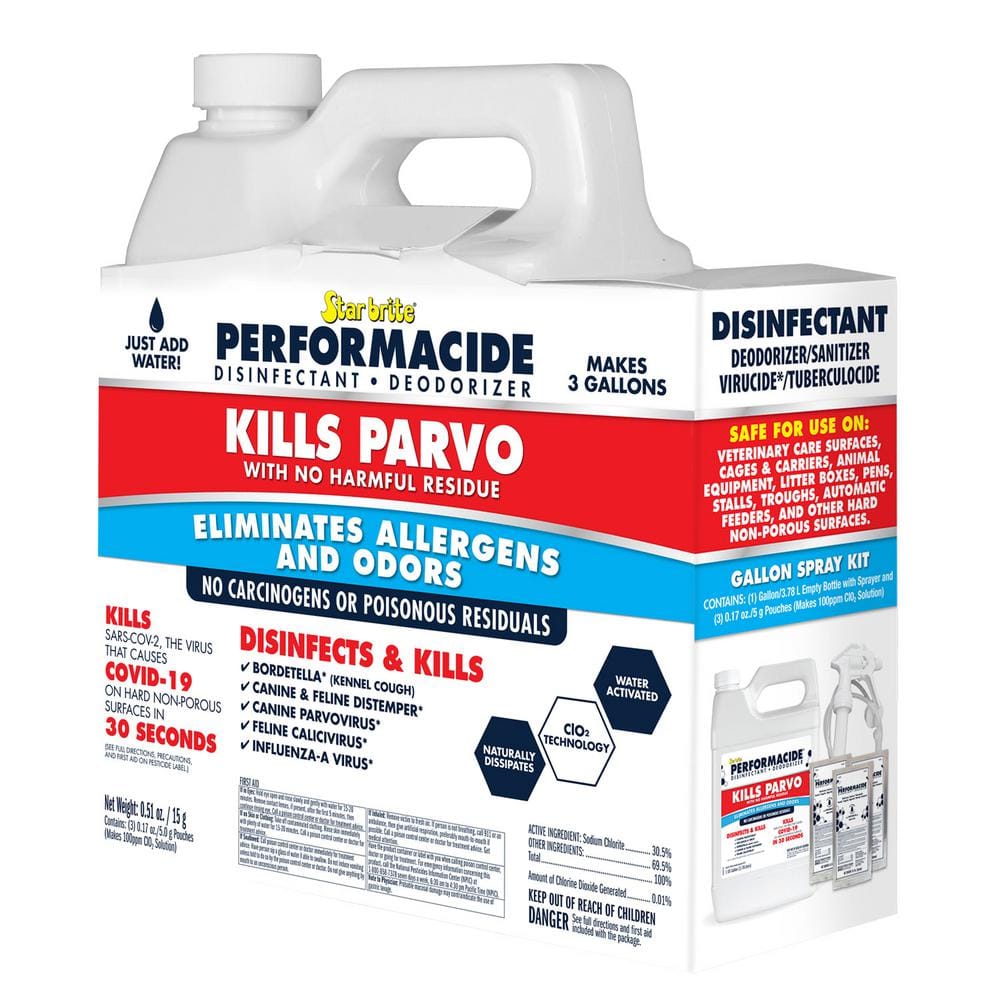
Image Source: images.thdstatic.com
Fathoming the Parvovirus Threat
Canine parvovirus, commonly known as parvo, is a highly contagious viral disease that affects dogs. It is particularly devastating to puppies. The virus attacks the intestinal tract, leading to severe vomiting, bloody diarrhea, lethargy, and dehydration. Without prompt veterinary care, parvo can be fatal.
The Parvovirus Outdoor Lifespan
One of the most challenging aspects of dealing with parvo is its incredible resilience in the environment. The parvo virus outdoor lifespan is a critical factor to consider. Studies have shown that the virus can survive in soil, feces, and on surfaces for months, even up to a year or longer, especially in shaded or protected areas. This means that even after a dog has recovered or passed away, the virus can remain a threat in your yard for an extended period.
Canine Parvovirus Decontamination: Why It Matters
Canine parvovirus decontamination of your yard is not just about immediate cleanup; it’s about long-term safety for any canine companions who may enter the area. A thorough decontamination process is essential to break the chain of infection and prevent future outbreaks. This process, often referred to as parvo remediation yard, is vital for protecting vulnerable dogs.
Effective Parvo Yard Treatment: Your Action Plan
When parvo has been present in your yard, either through a sick dog or contaminated feces, a comprehensive approach is needed. This involves several key steps, focusing on eliminating the virus from all surfaces.
Step 1: Identify and Remove Contaminated Material
The first and most crucial step in sanitizing yard after parvo is to meticulously remove any visible feces or vomit.
- Wear protective gear: Always wear disposable gloves and a mask when handling contaminated materials.
- Bag and dispose: Place all contaminated items into heavy-duty plastic bags, seal them tightly, and then place them into a second bag. Dispose of these bags in an outdoor trash receptacle.
- Identify affected areas: Pay close attention to areas where the infected dog spent most of its time. These are likely to have the highest viral load.
Step 2: Choosing Your Parvo Killer for Grass and Surfaces
Selecting the right disinfectant is paramount. Not all disinfectants are effective against the hardy parvovirus.
Chemical Disinfection Options
Several disinfectants are known to be effective against parvovirus. However, it’s crucial to use them safely and follow instructions precisely.
Potassium Peroxymonocarbonate (Potassium Monopersulfate)
This is often considered the gold standard for killing parvo virus outdoor. It’s found in many veterinary-grade disinfectants.
- Brand examples: Virkon S, Rescue (formerly Accel)
- How it works: It’s a broad-spectrum disinfectant that effectively inactivates the parvovirus.
- Application: Typically sold as a powder that needs to be mixed with water. Follow the manufacturer’s dilution instructions carefully.
- Safety: Generally safe for most surfaces when used as directed, but it can be corrosive to some metals and plastics with prolonged contact. Always rinse thoroughly after the recommended contact time.
Diluted Bleach (Sodium Hypochlorite)
Household bleach can be an effective parvovirus killer, but it requires specific concentrations and careful application.
- Recommended dilution: A 1:30 dilution of household bleach (1 part bleach to 30 parts water) is often recommended for killing parvo virus outdoor.
- How it works: Bleach is a powerful oxidizing agent that destroys the virus.
- Application: Apply to surfaces and allow it to remain wet for at least 10 minutes.
- Safety:
- Bleach is corrosive and can damage fabrics, metals, and some plastics.
- Never mix bleach with ammonia or other cleaners, as this can create toxic fumes.
- Ensure good ventilation when using bleach.
- Rinse thoroughly after use, especially on surfaces where dogs might lick.
- Bleach can damage grass. It is best used on hard surfaces like concrete or patios.
Other Disinfectants
Some other disinfectants may be effective, but verification of their efficacy against parvovirus is important. Always check the product label.
- Quaternary Ammonium Compounds (Quats): While effective against many bacteria and viruses, their efficacy against parvovirus can vary depending on the specific formulation and concentration.
- Phenolic Compounds: Can be effective, but they are often more toxic and may not be suitable for use around pets or on certain surfaces.
Step 3: Treating Different Yard Surfaces
The approach to parvo remediation yard will vary depending on the surface.
Grass and Soil
Eliminating parvo in soil and grass is the most challenging aspect of yard disinfection for parvo. The virus can penetrate the soil and remain viable for extended periods.
- Diluted Bleach on Grass: While effective for killing the virus, a 1:30 bleach solution can kill your grass. If you choose this method, you’ll need to reseed or replace the affected turf.
- Apply the diluted bleach solution generously to the affected grassy areas.
- Allow it to sit for the recommended contact time (usually at least 10 minutes).
- Rinse the area thoroughly with plenty of clean water to remove bleach residue.
- This method is aggressive and may require professional lawn care intervention afterward.
- Potassium Peroxymonocarbonate on Grass: This disinfectant is generally considered safer for vegetation than bleach when used according to instructions and rinsed.
- Mix the product as directed.
- Apply liberally to affected grassy areas.
- Allow the recommended contact time.
- Rinse thoroughly with water.
- Sunlight and Natural Degradation: Sunlight (UV radiation) can help break down the virus over time. However, this process is slow, and relying solely on it is not a reliable effective parvo yard treatment. Keep dogs away from the area for at least a year if you are not actively disinfecting.
- Removal of Topsoil: In severe cases, removing the top few inches of soil and replacing it with fresh soil may be necessary. This is a labor-intensive and costly solution but can be very effective for eliminating parvo in soil.
Hard Surfaces (Patios, Decks, Concrete)
These surfaces are generally easier to decontaminate.
- Clean first: Thoroughly scrub the surfaces with soap and water to remove any organic matter. This is crucial because disinfectants are less effective when in contact with dirt and grime.
- Apply disinfectant: Use your chosen disinfectant (diluted bleach or potassium peroxymonocarbonate) according to product instructions.
- Contact time: Ensure the disinfectant remains wet on the surface for the recommended contact time (often 10 minutes or more) to allow it to kill the virus.
- Rinse: Rinse thoroughly with clean water.
Dog Houses and Kennels
- Clean: Scrub the interior and exterior of dog houses and kennels with soap and water.
- Disinfect: Use an effective parvovirus disinfectant. For porous materials like wood, you may need to apply the disinfectant multiple times or use a stronger solution if recommended by the manufacturer.
- Air Dry: Allow the structures to air dry completely.
Toys and Bedding
- Discard: Heavily contaminated toys or bedding should be discarded.
- Wash: Non-porous toys can be washed with soap and water and then disinfected.
- Launder: Bedding can be washed in hot water with detergent. For added safety, you can add a disinfectant that is safe for fabrics, following product instructions. However, many experts recommend discarding bedding that has been heavily contaminated with parvo.
Step 4: The Waiting Game and Re-evaluation
After your initial disinfection, patience is key.
- Allow to Dry: Let all treated areas dry completely.
- Monitor: Keep dogs out of the treated areas for as long as possible. The longer the better, especially for grassy areas where the virus can persist.
- Repeat if Necessary: Depending on the severity of contamination and the chosen disinfectant, you may need to repeat the disinfection process.
Parvo Prevention Yard Strategies
Preventing parvo from entering your yard in the first place is always the best strategy.
Vaccination is Key
The most critical step in parvo prevention yard is ensuring all dogs are up-to-date on their vaccinations.
- Puppy Series: Puppies require a series of vaccinations, typically starting around 6-8 weeks of age, with boosters every 3-4 weeks until they are at least 16-20 weeks old.
- Adult Boosters: Adult dogs need regular booster shots as recommended by their veterinarian.
- Consult Your Vet: Discuss your dog’s vaccination schedule with your veterinarian. They can advise on the most appropriate protocol for your area and your dog’s lifestyle.
Maintaining a Clean Yard
- Prompt Fecal Removal: Pick up dog feces daily. This reduces the opportunity for the virus to contaminate the soil and spread.
- Limit Exposure: If your dog is not fully vaccinated, avoid areas where other dogs may have been, especially if their vaccination status is unknown. Dog parks and public areas can be high-risk.
- Quarantine New Dogs: If you bring a new puppy or dog into your home, it’s crucial to keep them separate from other dogs (if you have them) and out of communal yard spaces until they have completed their vaccination series and their health is confirmed by a veterinarian.
Environmental Hygiene
- Disinfect Equipment: Regularly clean and disinfect any tools or equipment that come into contact with dog feces, such as shovels or pooper scoopers.
- Footwear Hygiene: If you visit areas where parvo may be present, clean your shoes thoroughly before entering your home or yard.
Frequently Asked Questions (FAQ)
Q: How long does parvo survive in the yard?
A: Parvovirus can survive in the yard for up to a year or even longer, especially in shaded or protected areas.
Q: Can I use regular household cleaners to kill parvo?
A: Most regular household cleaners are not effective against parvovirus. You need specific disinfectants like potassium peroxymonocarbonate or a properly diluted bleach solution.
Q: Is it safe to let my dog back into the yard after cleaning?
A: Only after the yard has been thoroughly disinfected and has had sufficient time to dry. It is recommended to keep unvaccinated or incompletely vaccinated dogs out of the yard for an extended period, ideally a year, if you are not actively disinfecting.
Q: What if my dog is vaccinated, can they still get parvo?
A: While vaccines are highly effective, no vaccine is 100% protective. Some dogs may not develop full immunity, or they may contract a particularly virulent strain of the virus. However, vaccinated dogs are far less likely to contract parvo and, if they do, their illness is typically much less severe.
Q: How do I know if my yard is contaminated with parvo?
A: The most common way to know is if an infected dog has defecated or vomited in your yard. If you suspect contamination, it’s best to err on the side of caution and implement thorough disinfection protocols.
Q: What are the signs of parvo in dogs?
A: Signs include severe vomiting, bloody diarrhea, lethargy, loss of appetite, fever, and dehydration.
Q: Can I use a steam cleaner on my yard?
A: Steam cleaners can help to some extent with sanitizing surfaces, but they are generally not considered a reliable method for eliminating parvovirus from soil or porous materials due to the difficulty in achieving and maintaining the necessary temperature for sufficient contact time. Chemical disinfectants are more effective for killing parvo virus outdoor.
Q: Is there a specific kit for parvo remediation yard?
A: While there aren’t specific “kits” in a consumer sense, you can purchase veterinary-grade disinfectants like Virkon S or Rescue which are formulated for canine parvovirus decontamination. You will also need cleaning supplies like brushes, buckets, and protective gear.
Conclusion
Dealing with parvovirus in your yard is a serious undertaking. It requires diligence, the right products, and an understanding of the virus’s resilience. By following these detailed steps for parvo remediation yard and focusing on parvo prevention yard through vaccination and hygiene, you can significantly reduce the risk and create a safer environment for your canine companions. Remember, when in doubt, consult your veterinarian for the most appropriate advice and treatment options for your specific situation. Thorough yard disinfection for parvo is an investment in your dog’s health and well-being.