
What can I do to keep raccoons out of my garden safely and naturally? To keep raccoons out of your garden safely and naturally, you should focus on removing attractants, using humane deterrents, and creating physical barriers.
Raccoons, with their clever paws and insatiable curiosity, can turn a thriving garden into a nightly buffet. These masked bandits are notorious for digging up prized plants, raiding vegetable patches, and generally causing horticultural chaos. But fear not, fellow gardeners! You don’t need to resort to harsh chemicals or harmful traps. This comprehensive guide will explore effective, humane, and natural ways to protect plants from raccoons and create an animal proof garden. We’ll delve into the best raccoon deterrents, explore practical garden fencing for raccoons, discuss natural repellents for raccoons, and even touch upon humane raccoon removal if the problem persists. Our goal is to achieve successful raccoon control methods that are kind to both your garden and its wild visitors.
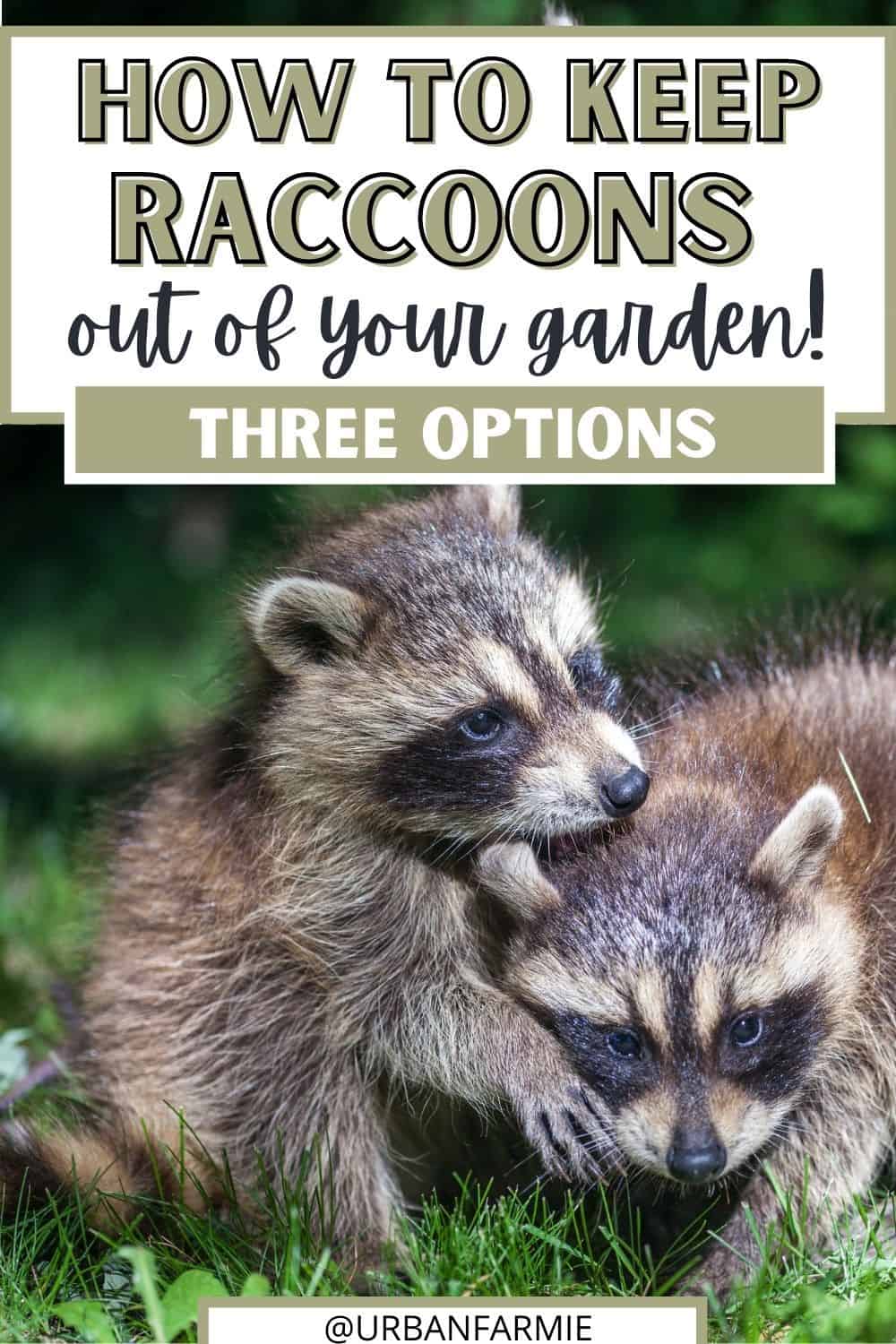
Image Source: urbanfarmie.com
Deciphering Raccoon Behavior in Your Garden
Before we can effectively deter raccoons, it’s helpful to understand why they are attracted to your garden in the first place. Raccoons are opportunistic omnivores, meaning they eat pretty much anything. This includes:
- Food sources: Ripe fruits, vegetables, berries, nuts, and even fallen fruit from nearby trees. They are particularly fond of corn, tomatoes, melons, and berries.
- Insects and grubs: The soil in your garden can be a rich source of delicious grubs and other insects, which raccoons will happily dig for.
- Water sources: Bird baths, pet water bowls, or even shallow puddles can attract them.
- Shelter: Raccoons may seek shelter under decks, sheds, or in dense vegetation.
Comprehending their motivations helps us tailor our approach. By eliminating these attractants, we make your garden a less appealing destination.
Eliminating Attractants: The First Line of Defense
The most crucial step in preventing raccoons from digging and raiding your garden is to remove anything that draws them in. This involves a multi-pronged approach around your entire property.
Securing Trash Cans: A Culinary Crime Scene
One of the biggest attractants for raccoons is accessible garbage. Raccoons are highly intelligent and can easily knock over or open unsecured bins.
- Invest in sturdy bins: Opt for heavy-duty trash cans with tight-fitting lids. Metal bins are often more difficult for raccoons to chew through or tip over than plastic ones.
- Secure the lids: Use bungee cords or bungee straps to securely fasten the lids to the bins. You can also use clips or latches designed for trash cans.
- Consider raccoon-proof bins: Specialized bins are available that are designed to resist raccoons.
- Rinse food containers: Give food containers a quick rinse before placing them in the bin to reduce odors that attract raccoons.
- Put bins out on collection day: Don’t leave bins out overnight if your trash collection is in the morning. Bring them in as soon as they are emptied.
- Clean up spills: If your bins have leaked or spilled, clean the area thoroughly.
Pet Food and Water Bowls: A Pitfall for Gardeners
Leaving pet food and water bowls outside overnight is an open invitation for raccoons.
- Feed pets indoors: The simplest solution is to feed your pets inside.
- Bring bowls in: If you must feed pets outdoors, bring their bowls in immediately after they have finished eating. Don’t leave water bowls out overnight, especially if they are large and easily accessible.
Fallen Fruit and Bird Seed: A Tempting Buffet
Fruit that falls from trees and spilled bird seed can be a major draw for raccoons.
- Clean up fallen fruit regularly: Collect any fallen fruit from trees in your yard promptly.
- Manage bird feeders: If you feed birds, use feeders that are squirrel and raccoon-resistant. Clean up spilled seed from beneath feeders. Consider moving bird feeders away from your garden area.
Natural Raccoon Deterrents: Gentle Yet Effective
Once attractants are managed, you can employ a range of natural raccoon deterrents to make your garden unappealing.
Scent Repellents: Aromatic Annoyances
Raccoons have a strong sense of smell, and certain scents can be quite off-putting to them.
- Essential Oils: Oils like peppermint, castor oil, eucalyptus, and citronella can be effective. Mix a few drops with water and spray around the perimeter of your garden and on plants. Reapply after rain.
- Cayenne Pepper/Chili Powder: Sprinkle cayenne pepper or chili powder around plants. Reapply frequently, especially after watering or rain. Be cautious when handling and avoid inhaling the dust.
- Ammonia-soaked rags: Place rags soaked in ammonia in small, perforated containers (like old yogurt cups) around the garden. The strong odor can deter raccoons. Ensure these are placed where pets or children won’t accidentally ingest them.
- Garlic: Crushed garlic or garlic spray can also be a deterrent.
- Castor Oil and Peppermint Oil Blend: A potent combination often recommended involves mixing castor oil with peppermint oil and a bit of liquid soap (as an emulsifier) with water. Spray this around your garden beds.
Table 1: Natural Scent Repellent Applications
| Repellent Type | Application Method | Frequency of Reapplication | Notes |
|---|---|---|---|
| Essential Oils | Mix 10-15 drops of peppermint, eucalyptus, or castor oil with 1 cup of water. Spray around garden edges and on plants. | Every few days, and after rain. | Ensure oils are pure and undiluted. Avoid spraying directly on delicate seedlings. |
| Cayenne Pepper | Sprinkle generously around the base of plants and along garden borders. | Daily or every other day, and after rain. | Can irritate eyes and skin. Wear gloves when applying. May need to test on a small area of plants first to check for sensitivity. |
| Ammonia-Soaked Rags | Soak cotton rags in ammonia, place in perforated containers (e.g., yogurt cups with holes), and position around the garden. | Every few days, as the smell dissipates. | Keep out of reach of children and pets. Ensure good ventilation if using in enclosed areas. |
| Garlic Spray | Blend 1-2 bulbs of garlic with water, strain, and spray. Alternatively, use commercial garlic-based repellents. | Every few days, and after rain. | Can be effective but requires consistent application. |
| Castor Oil/Peppermint Blend | Mix 2 tablespoons of castor oil, 2 tablespoons of peppermint oil, and 1 teaspoon of liquid dish soap with 1 gallon of water. Spray liberally. | Every 3-5 days, and after rain. | The soap helps the oils emulsify and adhere better. This is a popular and often effective natural repellent. |
Taste Deterrents: Making Plants Unpalatable
Sometimes, raccoons are less deterred by smell and more by what they actually taste.
- Bitter Sprays: Commercial bitter sprays, often containing denatonium benzoate or capsicum oleoresin (chili extract), can make plants taste unpleasant.
- DIY Bitter Sprays: You can create your own by blending ingredients like hot sauce or bitter melon with water and a bit of dish soap.
Important Note: Always test any homemade spray on a small part of your plant first to ensure it doesn’t cause damage or discoloration.
Physical Barriers: Fortifying Your Garden
While deterrents can be helpful, sometimes a more robust approach is needed. Physical barriers are excellent for raccoon control methods that offer a direct blockade.
Garden Fencing for Raccoons: A Crucial Defense
Proper garden fencing for raccoons is one of the most effective ways to keep them out.
- Height is Key: The fence should be at least 3-4 feet tall to prevent raccoons from easily jumping over.
- Material Matters: Use sturdy materials like hardware cloth (1-inch mesh or smaller) or chicken wire. Avoid flimsy plastic netting, as raccoons can tear through it.
- Bury the Base: Raccoons are excellent diggers. Bury the bottom of your fence at least 12 inches into the ground, or outward at a 90-degree angle (an “L” shape) to prevent them from tunneling underneath. This is crucial for preventing raccoons from digging.
- Electric Fencing: For persistent problems, a low-voltage electric fence can be a very effective deterrent. It delivers a mild shock that discourages raccoons without causing them serious harm. This is often considered a last resort but can be highly effective for animal proof garden designs.
- Overhanging Top: Consider adding a section of fencing that overhangs outward at the top of your main fence. Raccoons are excellent climbers, and this makes it difficult for them to get a grip and ascend.
Table 2: Garden Fencing Considerations for Raccoons
| Fence Feature | Recommended Specification | Why it’s Important |
|---|---|---|
| Height | Minimum 3-4 feet tall | Prevents jumping over. |
| Mesh Size | 1-inch mesh or smaller (hardware cloth is ideal) | Prevents raccoons from squeezing through. |
| Buried Base | Minimum 12 inches deep, or outward at a 90-degree angle | Prevents digging underneath. |
| Material | Sturdy wire mesh (hardware cloth, welded wire, heavy gauge chicken wire) | Resists chewing and tearing. |
| Top | Optional: Outward-facing overhang (12 inches) | Deters climbing. |
| Electric | Low-voltage electric wire at 6-8 inches and 18-24 inches high | Provides a deterrent shock, highly effective for persistent raccoons. Ensure proper installation and safety precautions. |
Row Covers and Cages: Protecting Individual Plants
For specific high-value plants or seedlings, individual protection can be very effective.
- Floating Row Covers: Lightweight fabric covers can protect smaller plants from insects and some larger animals. They are not usually sufficient for determined raccoons but can offer some initial protection.
- Wire Cages/Cloches: You can build or purchase wire cages to place over individual plants or small garden beds. Ensure these are sturdy and secured to the ground.
Scare Tactics: Visual and Auditory Deterrents
Raccoons can be startled by sudden movements, lights, or noises. While these can work initially, raccoons are intelligent and may habituate to them over time.
- Motion-Activated Sprinklers: These devices detect movement and spray a burst of water, startling animals without causing harm. They are an excellent natural raccoon deterrent.
- Ultrasonic Devices: These emit high-frequency sounds that are unpleasant for animals but usually inaudible to humans. Their effectiveness can vary, and some animals may become accustomed to them.
- Shiny Objects: Hanging old CDs, aluminum foil strips, or reflective tape can create flashing lights that may deter raccoons.
- Noise Makers: Wind chimes, radios tuned to talk stations, or even old pots and pans can sometimes deter them with unexpected noises.
Experimentation is key with these methods, as different raccoons may react differently.
Humane Raccoon Removal: When Deterrents Aren’t Enough
If, despite your best efforts, raccoons continue to be a persistent problem, you might consider humane raccoon removal. This is a more involved process and should be approached with care and legality.
- Live Trapping: Live traps are available for purchase or rent. If you choose this route, it’s crucial to check local regulations regarding trapping and relocating wildlife. Relocated animals often have a low survival rate in unfamiliar territory.
- Professional Assistance: Contacting a local wildlife removal service or animal control agency is often the most responsible approach. They have the expertise and equipment to handle humane raccoon removal safely and effectively, ensuring compliance with wildlife laws.
Remember: The goal of humane removal is to relocate the animal to a suitable habitat, not to harm it.
Maintaining Your Raccoon-Proof Garden
Keeping raccoons out is an ongoing effort. Regular maintenance is essential for the success of your raccoon control methods.
- Inspect fences regularly: Check for any breaches or damage that raccoons might have exploited.
- Reapply repellents: Don’t forget to reapply scent and taste repellents after rain or significant watering.
- Keep the yard clean: Continue to manage fallen fruit, pet food, and garbage.
- Observe and adapt: Pay attention to what seems to be working and what doesn’t. Raccoons are adaptable, so you may need to switch up your strategies periodically.
Frequently Asked Questions About Garden Raccoons
Here are some common questions people have about dealing with raccoons in their gardens.
Q1: Can raccoons damage my garden fence?
A1: Yes, raccoons can chew through weaker fence materials like plastic netting. They can also try to dig under or climb over fences. Using sturdy materials and ensuring the base is secured is vital.
Q2: Are there any plants that raccoons dislike?
A2: While not a guaranteed deterrent, some gardeners report that plants with strong scents like marigolds, mint, basil, and lavender may be less appealing to raccoons. However, hungry raccoons will often eat them anyway.
Q3: What should I do if a raccoon is trapped in my garden?
A3: Avoid approaching or cornering a trapped raccoon, as it may become aggressive. If it’s in a contained area like a fenced yard, open gates and try to give it space to leave on its own. If it seems injured or unable to leave, contact local animal control or a wildlife professional.
Q4: Can I use mothballs to repel raccoons?
A4: Mothballs are generally not recommended as a garden deterrent. They contain chemicals that can be toxic to pets, children, and beneficial wildlife, and their effectiveness against raccoons is debatable. Many sources consider them an inhumane and environmentally unsound option.
Q5: How can I protect my seedlings from raccoons?
A5: Seedlings are particularly vulnerable. Use sturdy row covers secured to the ground, or place small wire cages (cloches) over individual plants until they are larger and more robust.
By combining these natural deterrents, robust physical barriers, and diligent property management, you can significantly reduce or eliminate raccoon activity in your garden, allowing your plants to thrive and your gardening efforts to flourish. Remember, patience and persistence are key to successful raccoon control methods and maintaining a truly animal proof garden.