
What are potato bugs, and how do I get rid of them? Potato bugs, most commonly referring to the Colorado potato beetle, are destructive garden pests that can decimate potato crops. Getting rid of them naturally involves a multi-pronged approach focusing on prevention, physical removal, biological controls, and organic deterrents.
Potato plants are a staple for many gardeners, offering delicious tubers and a satisfying harvest. However, this beloved plant is also a favorite of several pests, with the Colorado potato beetle ( Leptinotarsa decemlineata) being one of the most notorious. These voracious insects, in both their larval and adult stages, can strip plants bare, leaving you with stunted growth and little to no yield. Fortunately, you don’t need harsh chemicals to protect your precious potato plants. This guide will walk you through effective, natural methods for potato beetle control and Colorado potato beetle removal, ensuring your garden thrives.
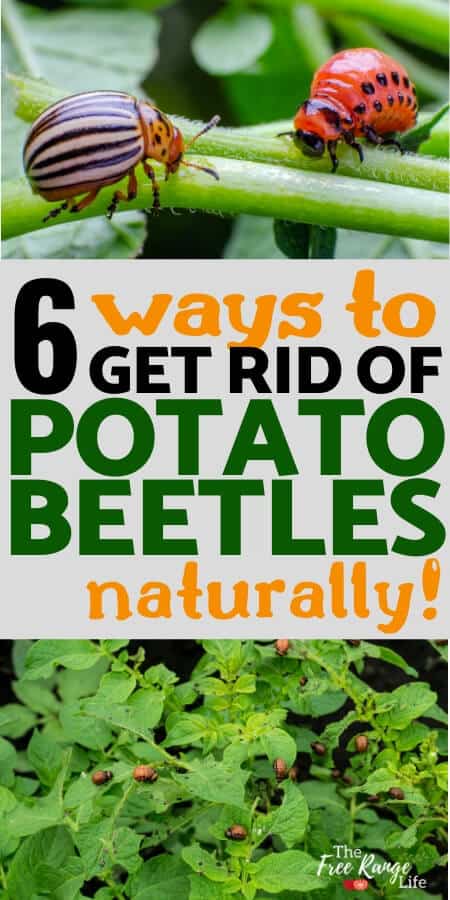
Image Source: thefreerangelife.com
Deciphering the Potato Bug Menace
Before diving into removal strategies, it’s helpful to know your enemy. The Colorado potato beetle is an oval-shaped insect, about the size of a pea. Adults are typically yellow to orange with black stripes running down their wing covers. The larvae, which are the more destructive stage, are reddish-orange to bright red with black spots on their sides. They emerge in spring and immediately begin feeding on potato leaves.
Life Cycle Snapshot:
- Eggs: Laid in clusters on the undersides of potato leaves. They are usually bright yellow or orange.
- Larvae: Hatch from eggs and are ravenous eaters, growing rapidly through several molts.
- Pupae: The larvae burrow into the soil to pupate.
- Adults: Emerge from the soil, mate, and lay more eggs, starting the cycle anew. Many generations can occur in a single growing season, making prompt action crucial.
While the Colorado potato beetle is the primary culprit, gardeners might also encounter other pests that can damage potato plants, such as flea beetles on potatoes. These are small, dark, jumping insects that create numerous tiny holes in the leaves, giving them a “shotgun” appearance. Effective garden pest management requires identifying and addressing all threats to your potato plant protection.
Natural Strategies for Potato Beetle Control
The key to successful organic potato bug killer methods lies in consistency and a combination of techniques. Relying on a single method is rarely as effective as employing a diverse strategy.
1. Handpicking: The First Line of Defense
This is perhaps the most direct and satisfying way to combat potato beetles, especially in smaller gardens.
- How to Do It: Regularly inspect your potato plants, paying close attention to the undersides of leaves where eggs and larvae are often found.
- Adults and Larvae: Pick them off by hand. It’s best to do this early in the morning when they are less active.
- Eggs: Scrape off clusters of eggs with your fingernail or a stiff brush.
- Disposal: Drop the collected beetles and larvae into a bucket of soapy water. This ensures they are killed and don’t crawl back onto your plants.
- Frequency: Make this a daily or every-other-day chore during peak season. The more you remove, the fewer will reproduce.
2. Crop Rotation: Disrupting the Cycle
Crop rotation is a fundamental practice in organic gardening and a powerful tool for preventing potato bugs.
- Why it Works: Colorado potato beetles overwinter in the soil. By rotating where you plant potatoes each year (avoiding the same spot for at least three to four years), you disrupt their life cycle. If beetles emerge in an area where potatoes haven’t been grown, they will have difficulty finding their food source and may die off.
- Best Practices:
- Avoid Planting Near Previous Sites: Do not plant potatoes, tomatoes, eggplants, or peppers (all members of the nightshade family, Solanaceae) in the same location year after year.
- Companion Planting Considerations: While companion planting can deter some pests, it’s less effective for established Colorado potato beetle infestations. However, planting beneficial flowers like marigolds or nasturtiums nearby can attract beneficial insects.
3. Beneficial Insects: Nature’s Pest Patrol
Many insects are natural predators of potato beetles. Encouraging these allies can significantly reduce pest populations.
- Key Predators:
- Ladybugs: Both adult ladybugs and their larvae are voracious eaters of potato beetle eggs and young larvae.
- Lacewings: The larvae of lacewings are also effective predators.
- Assassin Bugs and Spined Soldier Bugs: These predatory insects will attack and feed on potato beetle larvae.
- Ground Beetles: These ground-dwelling insects can consume eggs and larvae found on the soil surface.
- How to Attract Them:
- Plant a Diversity of Flowers: Flowers like dill, fennel, yarrow, and cosmos provide nectar and pollen that attract beneficial insects.
- Avoid Broad-Spectrum Pesticides: Even organic pesticides can harm beneficial insects. Use them sparingly and only when necessary.
- Provide Water Sources: A shallow dish of water with pebbles or a small bird bath can attract beneficials.
4. Row Covers: A Physical Barrier
For young or newly transplanted potato plants, floating row covers can provide an excellent physical barrier.
- How it Works: These lightweight fabric covers are placed over plants and secured around the edges with soil or weights. They prevent adult beetles from reaching the plants to lay eggs.
- Application:
- Timing is Crucial: Apply row covers immediately after planting and before any signs of infestation appear.
- Pollination: If your potato plants are flowering and you are growing them for seed potatoes, you may need to remove the covers for pollination. However, for most home gardeners focused on tubers, this is less of a concern.
- Check for Infestation: Before applying, ensure there are no existing beetles or eggs on the plants.
5. Harnessing Natural Insecticides
When physical removal isn’t enough, several organic options can help control potato bugs. Remember, even organic options can harm beneficial insects, so use them judiciously.
- Neem Oil: A powerful plant-based insecticide derived from the neem tree.
- How it Works: Neem oil disrupts the hormonal balance of insects, affecting their ability to feed, grow, and reproduce. It also has repellent properties.
- Application: Mix according to product instructions (typically 1-2 tablespoons per gallon of water with a drop of mild soap as an emulsifier). Spray thoroughly on all parts of the plant, especially the undersides of leaves. Apply in the early morning or late evening to avoid harming pollinators.
- Bacillus thuringiensis (Bt): A naturally occurring soil bacterium that is toxic to certain insect larvae.
- How it Works: Specifically, Bacillus thuringiensis subspecies tenebrionis (Bt ‘ten’) is effective against beetle larvae, including Colorado potato beetle larvae. When ingested, the Bt releases toxins that paralyze the larva’s digestive system, leading to starvation.
- Application: Mix the powder or liquid concentrate with water according to package directions and spray directly onto the foliage. It is most effective on young larvae.
- Diatomaceous Earth (DE): Food-grade DE is a powder made from fossilized aquatic organisms.
- How it Works: DE has microscopic sharp edges that scratch the waxy outer coating of insects, causing them to dehydrate and die.
- Application: Lightly dust the foliage of your potato plants. It is most effective when dry and needs to be reapplied after rain. Be cautious not to inhale the dust.
- Spinosad: A naturally occurring substance produced by a soil bacterium.
- How it Works: Spinosad is a neurotoxin that kills insects upon contact or ingestion. It is effective against a wide range of pests, including potato beetles.
- Application: Available in various formulations. Follow product instructions carefully. While organic, it can still affect some beneficial insects, so targeted application is recommended.
Addressing Other Potato Pests
While Colorado potato beetles are a major concern, other pests can also damage your potato plants. Effective garden pest management includes knowing how to handle them.
Dealing with Flea Beetles on Potatoes
Flea beetle treatment garden strategies often overlap with those for potato beetles, but some specific approaches are beneficial.
- Identifying the Damage: Look for small, irregular holes, often referred to as “shotholes,” covering the leaves.
- Prevention:
- Timing: Planting early can help plants establish before flea beetle populations peak.
- Healthy Plants: Robust, healthy plants can better tolerate flea beetle feeding.
- Crop Rotation: As mentioned, this helps prevent overwintering populations.
- Control:
- Sticky Traps: Yellow sticky traps can capture adult flea beetles.
- Diatomaceous Earth: Can be effective when applied to foliage.
- Row Covers: Excellent for protecting young plants.
- Repellent Sprays: Garlic or hot pepper sprays can deter flea beetles.
Managing Aphids on Potato Plants
Aphid control on potato plants is also crucial for overall plant health.
- Identifying Aphids: Small, soft-bodied insects, often green, black, or yellow, that cluster on new growth and the undersides of leaves. They suck sap from the plant, weakening it and potentially transmitting diseases.
- Control Methods:
- Strong Spray of Water: A forceful blast from a hose can dislodge aphids.
- Insecticidal Soap: A highly effective organic option. It breaks down the aphid’s outer shell. Mix 1-2 tablespoons of pure liquid soap (like Dr. Bronner’s or a similar pure castile soap) with a quart of water and spray directly onto the aphids.
- Neem Oil: Also effective against aphids.
- Beneficial Insects: Ladybugs and lacewings are excellent aphid predators.
- Companion Planting: Nasturtiums are known to attract aphids, potentially luring them away from your potato plants.
Preventing Potato Bugs: A Proactive Approach
The best way to get rid of potato bugs is to prevent them from becoming a problem in the first place.
- Start with Healthy Soil: Amend your soil with compost and organic matter to ensure your potato plants are as strong and resilient as possible.
- Scout Regularly: Make a habit of inspecting your plants weekly, or even more often, for any signs of pests. Early detection is key.
- Sanitation: At the end of the growing season, remove all plant debris, including any fallen leaves or plant matter. This helps reduce overwintering sites for pests and diseases.
- Companion Planting: While not a silver bullet, certain plants can help deter pests. Consider planting basil, tansy, or horseradish near your potatoes.
- Choose Resistant Varieties (if available): While specific resistance to Colorado potato beetles is limited in common potato varieties, some research is ongoing. Keeping an eye on new developments could be beneficial.
Putting It All Together: Your Potato Bug Control Plan
Creating a successful potato plant protection strategy involves integrating multiple methods. Here’s a sample plan:
Pre-Planting:
- Crop Rotation: Ensure you are planting potatoes in a new location this year.
- Soil Preparation: Amend soil with compost for healthy plant growth.
Planting & Early Growth:
- Row Covers: Install floating row covers immediately after planting if you’re prone to early infestations.
- Companion Planting: Sow basil or nasturtiums nearby.
During the Growing Season:
- Daily/Frequent Inspections: Handpick adults, larvae, and egg clusters.
- Water Spray: Use a strong spray of water for aphids and to knock off any beetles.
- Organic Sprays (as needed):
- If populations of larvae become overwhelming, apply Bt ‘ten’ or neem oil.
- Use spinosad or insecticidal soap for severe aphid infestations.
- Apply diatomaceous earth if flea beetles become a problem.
- Encourage Beneficials: Avoid broad-spectrum pesticides and provide habitat for natural predators.
End of Season:
- Clean Up: Remove all plant debris to minimize overwintering pests.
Frequently Asked Questions (FAQ)
Q1: Can I use commercial organic pest control products for potato bugs?
A1: Yes, there are many commercial organic pest control products available. Look for those containing ingredients like spinosad, Bt (Bacillus thuringiensis subspecies tenebrionis), or neem oil. Always follow label instructions carefully for application rates and safety precautions.
Q2: How often should I check my potato plants for bugs?
A2: It’s best to check your potato plants at least 2-3 times a week, especially during the peak growing season when potato beetles are most active. Early detection makes control much easier.
Q3: What plants can I grow with potatoes to deter potato bugs?
A3: While no plant is a guaranteed deterrent, some companion plants are thought to repel potato beetles or attract beneficial insects. Consider planting basil, tansy, horseradish, or nasturtiums near your potatoes. Nasturtiums, in particular, are known to sometimes act as a trap crop, drawing aphids away from your potatoes.
Q4: Will a strong rain wash potato bugs off my plants?
A4: Heavy rain can dislodge some beetles and larvae, but it’s not a reliable control method. Many will simply find shelter and return. It can offer temporary relief, but continuous monitoring and other methods are still necessary.
Q5: Is diatomaceous earth safe for my pets and children?
A5: Food-grade diatomaceous earth is generally considered safe when handled properly. However, it can be a lung irritant if inhaled, so avoid creating excessive dust when applying. Keep pets and children away from the immediate area during application until the dust settles.
By employing these natural and integrated pest management techniques, you can effectively protect your potato crops from the persistent threat of potato bugs and enjoy a bountiful, organic harvest. Happy gardening!