
What is the best way to water lawn seed? The best way to water lawn seed is to keep the top inch of soil consistently moist, but not waterlogged. This means frequent, light watering.
When you’re starting a new lawn from seed, watering is arguably the most critical step to achieving a thick, green carpet. Many eager gardeners get the seeding part right, but falter when it comes to maintaining the right moisture levels. Too little water, and your precious seeds will dry out and fail to germinate. Too much water, and you risk washing the seeds away or encouraging fungal diseases. So, how often to water lawn seed? It’s a question that has many beginners scratching their heads.
The simple answer, as mentioned, is to keep the soil consistently moist. However, achieving this consistently involves a deeper dive into the specifics of your situation. This guide will break down everything you need to know about watering new grass seed to ensure a successful germination and a healthy start for your new lawn. We’ll cover everything from the initial watering after seeding to the ongoing care as your grass grows.
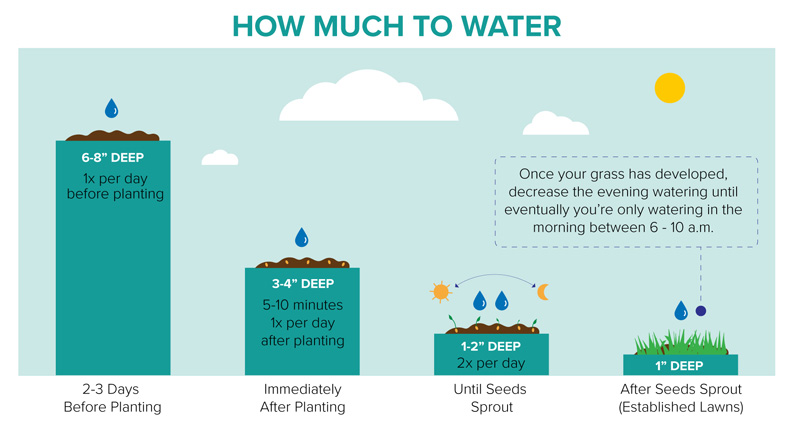
Image Source: www.melnor.com
The Science of Seed Germination: Why Moisture Matters
Grass seed, like all seeds, needs specific conditions to sprout. The primary driver for germination is moisture. When a seed absorbs water, it triggers a series of biochemical reactions that awaken the dormant embryo. This process is called imbibition.
- Imbibition: This is the initial absorption of water by the seed. It softens the seed coat and activates enzymes within the seed.
- Metabolic Activation: Once imbibed, the seed’s metabolic processes kick into gear. It begins to use stored food reserves to grow.
- Root and Shoot Emergence: The first part of the seed to emerge is typically the root (radicle), which anchors the seedling and begins to absorb more water and nutrients. Shortly after, the shoot (plumule) emerges, pushing upwards towards the light.
If the soil dries out during this critical germination phase, these processes are interrupted. The tender seedling can desiccate and die. Even if it doesn’t die completely, it might be weakened, making it more susceptible to disease and stress later on. This is why keeping the soil surface consistently moist is paramount.
Fathoming the Frequency of Watering Seeded Lawn
Determining the correct frequency of watering a seeded lawn isn’t about adhering to a rigid calendar. Instead, it’s about observing the soil and the weather.
Initial Watering Post-Seeding
Immediately after you’ve spread your grass seed, a thorough watering is essential. This settles the seed into the soil, ensuring good seed-to-soil contact, which is vital for germination.
- How much water for new lawn? For this initial watering, aim for a gentle but deep soak. You want the water to penetrate the soil to a depth of at least 4-6 inches. The goal is to saturate the seedbed without creating puddles or washing the seed away. Use a sprinkler with a fine spray or a hose with a gentle nozzle.
Post-Germination Watering Needs
Once your grass seed begins to sprout (you’ll see tiny green shoots emerging), its watering needs change slightly, but the principle of consistent moisture remains.
- Watering newly seeded areas: At this stage, the young grass has delicate roots that can’t reach deep into the soil for moisture. Therefore, the surface layer needs to stay moist. This often translates to more frequent, lighter watering.
Factors Influencing Watering Frequency
Several environmental factors will dictate how often you need to water:
- Temperature: Warmer temperatures increase evaporation rates. On hot days, you might need to water more frequently.
- Wind: Windy conditions also dry out the soil surface faster.
- Soil Type: Sandy soils drain quickly and require more frequent watering than clay soils, which retain moisture longer.
- Sun Exposure: Areas that receive full sun will dry out faster than shaded areas.
- Rainfall: Natural rainfall contributes to soil moisture. You’ll need to adjust your watering schedule based on the amount of rain received.
Developing a Watering Schedule for Seed
Crafting an effective watering schedule for your new lawn is a dynamic process. It requires attention and adaptation.
The “Keep it Damp” Mantra
The overarching rule is to keep the top 1-2 inches of soil consistently moist, especially during the germination phase and the first few weeks of growth. This means checking the soil regularly.
Checking Soil Moisture
- The Finger Test: Insert your finger about an inch into the soil. If it feels dry, it’s time to water. If it feels moist, you can likely wait.
- Visual Cues: Look for any signs of drying out on the soil surface. If it’s turning a lighter color or appears cracked, it needs water.
Initial Germination Phase (First 1-3 Weeks)
During the initial germination period, your goal is to ensure the seedbed never dries out.
- Frequency: Expect to water multiple times a day, especially in warm or windy conditions. This could be 2-4 times daily.
- Duration: Each watering session should be short and light. You’re not trying to soak the soil deeply at this point; you’re just keeping the surface damp. Think 5-10 minutes per area, depending on your sprinkler’s output.
- Watering newly planted grass: The goal here is to simulate a gentle dew.
Post-Germination and Early Growth (Weeks 3-6)
As the grass seedlings emerge and begin to establish, you can gradually shift to a slightly different watering approach.
- Frequency: You can start to reduce the frequency of watering, but increase the duration of each watering session.
- Duration: Aim to water long enough to moisten the top 2-3 inches of soil. This encourages the roots to grow deeper in search of moisture, building a more resilient lawn. This might mean watering for 15-20 minutes, perhaps once or twice a day, depending on conditions.
- Watering new grass seed: Continue to monitor soil moisture. If the top inch feels dry, water.
Transitioning to Established Lawn Watering
Once your new grass is about an inch or two tall and appears well-established, you can begin to transition to a more typical watering schedule for a mature lawn.
- Frequency: Reduce watering to a few times a week.
- Duration: Water deeply, aiming to moisten the soil 4-6 inches down. This encourages deep root growth.
- Best time to water grass seed: The best time to water your lawn, especially when it’s young and sensitive, is in the early morning. This allows the grass to absorb moisture before the heat of the day causes rapid evaporation and helps prevent fungal diseases that thrive in prolonged wetness. Watering in the evening can also be an option, but it increases the risk of fungal issues if the grass blades remain wet overnight.
Mastering the Art of Watering Newly Seeded Areas
Specific techniques can make a big difference in how successful your watering efforts are.
Gentle Application is Key
- Sprinkler Selection: Use sprinklers that produce a fine mist or spray. Avoid sprinklers that shoot heavy streams of water, which can displace the seeds.
- Even Coverage: Ensure your watering covers the entire seeded area evenly. Overlap sprinkler patterns to avoid dry spots.
Avoiding Overwatering
Overwatering can be just as detrimental as underwatering. Signs of overwatering include:
- Water pooling on the surface: This indicates the soil is saturated and cannot absorb more water.
- Yellowing grass blades: While not always the case, overwatering can sometimes lead to yellowing.
- Fungal growth: A white, powdery substance or cottony mold on the soil surface indicates a fungal problem, often caused by too much moisture and poor air circulation.
If you notice any of these signs, reduce the watering frequency and duration. Ensure your soil has good drainage.
Watering in Different Climates and Seasons
- Hot and Dry Climates: In these conditions, watering multiple times a day is often necessary to keep the soil surface moist. Consider using sprinklers with very fine mist settings.
- Cool and Damp Climates: You might be able to water less frequently, perhaps once a day or even every other day, but always check soil moisture. Be particularly vigilant about fungal diseases.
- Watering dormant grass seed: Some grass types have dormant seeds that can remain viable in the soil for a long time, waiting for the right conditions. If you’ve seeded and then experienced a dry spell, light watering might be needed to keep these seeds viable, even if germination hasn’t started yet.
How Much Water for New Lawn? A Closer Look
The question of “how much” is closely tied to “how often.” It’s about the total amount of water delivered over a period.
Measuring Water Application
- Tuna Can Test: Place several empty tuna cans or similar containers around your lawn area while the sprinkler is running. Time how long it takes for the cans to collect about half an inch of water. This gives you an idea of how long you need to water to achieve a certain depth.
- Soil Probing: After watering, use a soil probe or a screwdriver to check how deep the moisture has penetrated.
The Importance of Deep Watering (Once Established)
Once your grass has established a decent root system (typically after 4-6 weeks of consistent care), you can gradually shift to deeper, less frequent watering.
- Why deep watering? This encourages the grass’s roots to grow deeper into the soil. Deeper roots make the grass more drought-tolerant and resilient to stress.
- Transition: Start by watering slightly longer and less often. For example, if you were watering lightly twice a day, try watering a bit longer once a day. Gradually extend the time between waterings.
Troubleshooting Common Watering Issues
Even with the best intentions, you might encounter problems.
Seeds Washing Away
- Cause: Watering too heavily or too early after seeding.
- Solution: Use gentle sprinkler settings. Water in lighter, more frequent bursts. Consider using a starter fertilizer with tackifiers that can help hold the seed in place. If washing has already occurred, gently rake the seeds back into the soil and reseed those areas.
Fungal Diseases
- Cause: Overwatering, especially in warm or humid conditions, or watering late in the day.
- Solution: Reduce watering frequency and duration. Ensure good air circulation. Water in the early morning. If you suspect a fungal issue, consult your local garden center for appropriate treatments.
Uneven Germination
- Cause: Inconsistent soil moisture or uneven seed distribution.
- Solution: Double-check your watering patterns for even coverage. Ensure you’re keeping all areas consistently moist. You may need to reseed any bare patches once the initial germination is complete.
When to Water Lawn Seed: Timing is Everything
The time of day you water can significantly impact the health of your new lawn and your success rate.
The Golden Rule: Early Morning
Watering between 4 AM and 10 AM is generally considered the best practice.
- Benefits:
- Reduced Evaporation: Cooler temperatures and less wind mean more water is absorbed by the soil rather than evaporating into the air.
- Healthy Hydration: The grass can absorb moisture and nutrients before the heat of the day.
- Disease Prevention: Grass blades have ample time to dry off throughout the day, reducing the risk of fungal diseases.
Afternoon Watering: A Risky Choice
While it might seem intuitive to water when you notice the lawn looking dry, watering in the afternoon heat is generally not recommended for new seed.
- Drawbacks:
- High Evaporation: Much of the water will evaporate before it can reach the soil and the seeds.
- Leaf Scorch: Water droplets on the grass blades can act like tiny magnifying glasses, potentially burning the delicate new growth when exposed to intense sunlight.
Evening Watering: Use with Caution
Watering in the late evening or at night can be an alternative to early morning watering, but it comes with caveats.
- Potential Issues:
- Fungal Growth: Grass blades and the soil surface remain wet for extended periods, creating an ideal environment for fungal diseases to develop.
- Pest Attraction: Standing water can attract slugs, snails, and other pests.
If you must water in the evening, try to do so earlier rather than later, allowing some drying time before nightfall.
Maintaining Moisture: Keeping Grass Seed Moist
The core of successful lawn seeding lies in this simple but crucial principle: keeping grass seed moist.
Consistent, Light Watering
As we’ve emphasized, this means frequent, short watering sessions, especially in the initial stages. Think of it as providing a constant “drink” for the tiny seeds and emerging seedlings.
Adapting to Conditions
- Sunny and Hot: You will likely need to water more frequently, possibly 3-4 times a day, for shorter durations each time.
- Cloudy and Cool: Watering once or twice a day might be sufficient. Always check the soil.
- Windy: Wind will dry out the surface faster. Be prepared to water more often on windy days.
Seed Type Matters
Different grass species have slightly different germination requirements and timelines.
- Cool-Season Grasses (e.g., Kentucky Bluegrass, Fescue): These generally prefer cooler soil temperatures and may germinate more slowly. They often require consistent moisture for a longer period.
- Warm-Season Grasses (e.g., Bermuda Grass, Zoysia Grass): These require warmer soil temperatures to germinate and can often establish more quickly once they start growing.
Research the specific grass type you are planting to understand its unique needs.
Watering Newly Planted Grass: The First Few Weeks
The first few weeks after planting are the most critical for watering.
Day 1-7: The Critical Germination Window
- Goal: Keep the top 1/2 inch of soil constantly moist.
- Action: Water lightly 2-4 times a day, depending on weather. Avoid any action that could wash away the seeds.
Day 7-14: Seedlings Emerge
- Goal: Keep the top 1-2 inches of soil moist as seedlings develop.
- Action: Continue frequent, light watering. You might see fewer watering sessions but maintain the same level of moisture.
Day 14-21 and Beyond: Early Establishment
- Goal: Encourage deeper root growth by moistening the top 2-3 inches.
- Action: Gradually reduce watering frequency to once or twice a day, making each session slightly longer.
Watering Dormant Grass Seed: A Special Case
What if you’ve seeded, but the conditions aren’t right for germination yet?
- Scenario: You might seed in the fall, and the soil is still too warm for the seed to germinate but will cool down later. Or you might seed early spring, and an unexpected cold snap arrives.
- Action: In these cases, you still need to ensure the seeds remain viable. Light, infrequent watering may be necessary to prevent them from drying out completely until conditions are optimal for germination. The soil should not be saturated, but just moist enough to keep the seed alive.
Summary Table: Watering New Seed
| Stage | Goal | Frequency | Duration (per session) | Soil Depth to Keep Moist | Key Considerations |
|---|---|---|---|---|---|
| Immediately After Seeding | Good seed-to-soil contact, initial moisture | 1-2 times | Deep soak (4-6 inches) | N/A | Gentle application to avoid washing away seeds. |
| Germination (Weeks 1-3) | Keep top 1-2 inches consistently moist | 2-4 times per day | Light, 5-10 minutes | 1-2 inches | Never let the surface dry out. Monitor soil moisture. |
| Early Growth (Weeks 3-6) | Encourage roots to grow deeper | 1-2 times per day | Moderate, 15-20 minutes | 2-3 inches | Gradually reduce frequency, increase duration. |
| Established Lawn (Post Week 6) | Promote deep root systems, drought tolerance | 2-3 times per week | Deep, 20-30+ minutes | 4-6 inches | Water deeply and less often. |
Frequently Asked Questions (FAQ)
Q1: Can I water my new grass seed with a hose without a sprinkler?
Yes, you can, but you must use a spray nozzle that provides a fine mist. Avoid using a strong jet of water, as this will dislodge the seeds. Gently move the hose across the seeded area to ensure even coverage.
Q2: How long does it take for grass seed to germinate?
Germination times vary greatly depending on the grass species, soil temperature, moisture, and other environmental factors. Some seeds can sprout in as little as 5-7 days, while others may take 14-30 days or even longer.
Q3: My grass seed has sprouted, but some areas are bare. What should I do?
This often happens due to uneven watering or seed distribution. Once the established grass is about 1-2 inches tall, you can gently rake the bare spots, add more seed, and continue with the watering schedule for new seed.
Q4: Is it okay to fertilize my new lawn seed?
Yes, it’s often recommended to use a “starter fertilizer” when seeding. These fertilizers contain phosphorus, which is crucial for root development. Follow the fertilizer package instructions carefully, as too much can harm young grass.
Q5: Will rain water my new lawn seed for me?
Rain can certainly help, but it’s important to ensure the rain provides adequate moisture consistently. If you have a period of light rain followed by dry spells, you may still need to supplement with your own watering to keep the soil surface moist. Always monitor soil moisture, even when it’s raining.
Q6: What is the best time to water grass seed in the fall?
In the fall, it’s still best to water in the early morning. This allows the grass to dry during the day, which is important as fall weather can be damp, increasing the risk of fungal diseases.
By following these guidelines, you can significantly increase your chances of success in growing a lush, healthy lawn from seed. Remember that observation and adaptation are your most valuable tools.