
A garden salad, in its simplest form, can be very low in calories, often ranging from 20-50 calories. However, this number can quickly skyrocket depending on the ingredients and dressing added. This guide will help you decipher the garden salad calorie count and make informed choices for a healthy salad calorie guide.
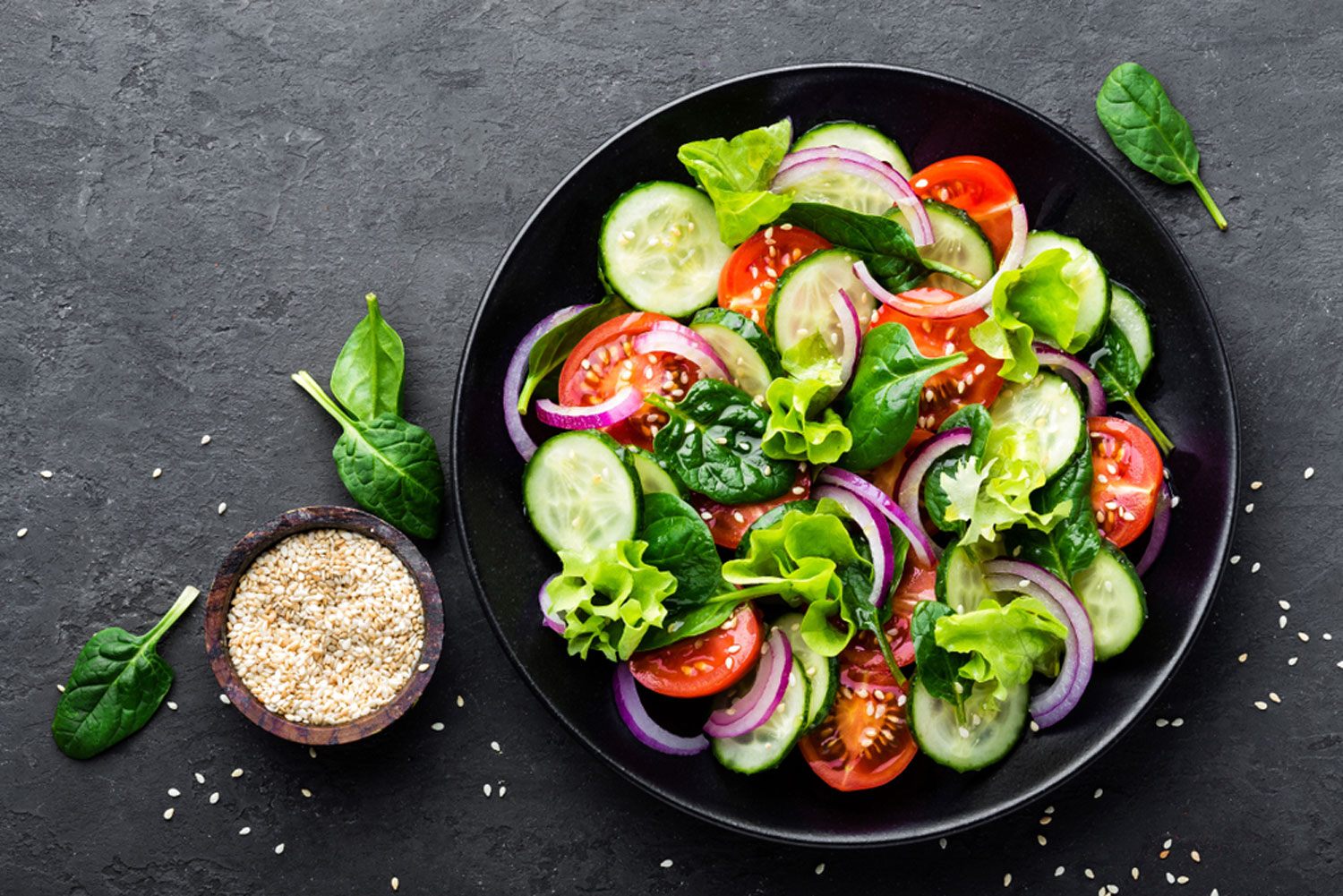
Image Source: theveganjoint.com
Exploring the Base: Fresh Greens Calorie Content
The foundation of any garden salad is its greens. These leafy powerhouses are naturally low in calories and packed with nutrients. Understanding the fresh greens calorie content is key to building a calorie-conscious meal.
- Lettuce Varieties:
- Iceberg Lettuce: This is the lowest in calories, offering a crisp texture but fewer nutrients. A cup of shredded iceberg lettuce is around 7 calories.
- Romaine Lettuce: A bit more nutrient-dense than iceberg, romaine offers a satisfying crunch. A cup of chopped romaine is about 8 calories.
- Spinach: A nutritional superstar, spinach is slightly higher in calories but rich in iron, vitamins, and minerals. A cup of raw spinach is approximately 7 calories.
- Mixed Greens/Spring Mix: These blends often include a variety of lettuces and other tender greens like arugula, radicchio, and mesclun. Their calorie count is generally very similar to romaine or spinach, averaging around 5-10 calories per cup.
- Kale: While a powerhouse of nutrients, kale is slightly more calorie-dense than other greens. A cup of chopped kale is about 33 calories, but it’s so nutrient-rich that it’s still a fantastic choice.
The vegetable salad calorie breakdown starts with these greens, and as you can see, they contribute very little to the overall calorie count.
The Supporting Cast: Other Vegetables and Their Calorie Impact
Beyond the greens, a garden salad often features a variety of colorful vegetables. These add flavor, texture, and even more nutrients without adding many calories, provided they are prepared simply.
- Tomatoes: A ½ cup of chopped tomatoes adds only about 16 calories. They are a good source of Vitamin C and lycopene.
- Cucumbers: These refreshing vegetables are mostly water. A ½ cup of sliced cucumbers is a mere 8 calories.
- Bell Peppers: Whether red, yellow, or green, bell peppers are low in calories and high in Vitamin C. A ½ cup of chopped bell peppers is around 15 calories.
- Carrots: While slightly higher in calories due to their natural sugars, carrots are nutrient-dense. A ½ cup of shredded carrots is about 25 calories.
- Onions: Red or white onions add a pungent kick. A ¼ cup of sliced onions contributes around 16 calories.
- Broccoli/Cauliflower Florets: Raw, these cruciferous vegetables are low in calories. A ½ cup of raw broccoli florets is about 15 calories.
- Radishes: These peppery additions are very low in calories. About 5 radishes add only around 5 calories.
- Mushrooms: Sliced raw mushrooms are another low-calorie option. A ½ cup of sliced mushrooms is approximately 10 calories.
When assembling a homemade garden salad calories, choosing a variety of these vegetables will enhance the nutritional profile and flavor without significantly increasing the calorie count.
Decoding the Calorie Boosters: Ingredients to Watch
While vegetables are your low-calorie friends, certain additions can dramatically increase the calories in a typical salad. These often include proteins, cheeses, nuts, seeds, and croutons.
Protein Powerhouses
Adding protein makes a salad a more complete meal, but it’s essential to be mindful of the type and quantity.
- Grilled Chicken Breast: A 3-ounce serving of plain grilled chicken breast is around 130-160 calories. This is a lean and excellent protein source.
- Tuna (canned in water): A 3-ounce serving of drained tuna packed in water is about 70-90 calories.
- Hard-Boiled Egg: One large hard-boiled egg contains about 70-80 calories and offers protein and healthy fats.
- Chickpeas/Garbanzo Beans: A ½ cup of chickpeas adds about 120 calories and provides plant-based protein and fiber.
- Beans (kidney, black, etc.): Similar to chickpeas, a ½ cup of cooked beans typically ranges from 110-120 calories.
- Salmon: A 3-ounce serving of grilled salmon can be around 150-180 calories, offering healthy omega-3 fats.
- Tofu: A 3-ounce serving of firm tofu is about 70-90 calories.
Cheesy Choices
Cheese can add a creamy texture and savory flavor, but it also adds fat and calories.
- Feta Cheese: A 1-ounce serving (about ¼ cup crumbled) is around 75 calories.
- Parmesan Cheese: A 1-ounce serving (about ¼ cup grated) is approximately 110 calories.
- Cheddar Cheese: A 1-ounce serving (about ¼ cup shredded) is around 115 calories.
- Mozzarella Cheese: A 1-ounce serving (about ¼ cup shredded, part-skim) is about 75 calories.
Nuts and Seeds
These add healthy fats, crunch, and nutrients, but a little goes a long way calorie-wise.
- Almonds: 1 ounce (about 23 almonds) is around 160 calories.
- Walnuts: 1 ounce (about 14 halves) is about 185 calories.
- Sunflower Seeds: 1 ounce (about 28 grams) is around 160 calories.
- Pumpkin Seeds (Pepitas): 1 ounce (about 28 grams) is around 150 calories.
Croutons and Crispy Bits
These add a satisfying crunch but are often fried and high in carbohydrates and fat.
- Croutons: A ½ cup of croutons can range from 80-120 calories, depending on the type and oil used.
- Fried Tortilla Strips: These can add 100-150 calories per ¼ cup.
The Salad Dressing Calorie Impact
This is arguably the most significant factor influencing the calories in a typical salad. Dressings can transform a healthy, low-calorie meal into a calorie bomb. Understanding the salad dressing calorie impact is crucial for keeping your garden salad healthy.
Creamy Dressings
These are often the highest in calories due to their fat content, typically from mayonnaise, sour cream, or oil.
- Ranch Dressing: 2 tablespoons can range from 120-150 calories.
- Blue Cheese Dressing: 2 tablespoons can range from 130-160 calories.
- Caesar Dressing: 2 tablespoons can range from 100-130 calories.
- Thousand Island Dressing: 2 tablespoons can range from 120-140 calories.
Vinaigrettes and Lighter Options
These are generally lower in calories, especially those made with an oil and vinegar base.
- Oil and Vinegar: A basic vinaigrette made with 1 tablespoon of olive oil and 2 tablespoons of vinegar is about 120 calories (mostly from the oil). However, using less oil and more vinegar can significantly reduce this.
- Balsamic Vinaigrette: 2 tablespoons can range from 60-100 calories.
- Lemon Vinaigrette: 2 tablespoons can range from 50-80 calories.
- Light/Low-Calorie Dressings: These can vary widely, but 2 tablespoons might range from 30-60 calories. Always check the label.
Tip: Opt for lighter vinaigrettes or use dressings sparingly. A good rule of thumb is to use 1-2 tablespoons of dressing per salad.
Restaurant Garden Salad Calories vs. Homemade
The restaurant garden salad calories can differ vastly from a homemade garden salad calories. Restaurants often use more generous portions of calorie-dense ingredients and richer dressings to enhance flavor.
Table: Estimated Calories in a Restaurant Garden Salad (with additions)
| Ingredient/Component | Typical Portion Size | Estimated Calories |
|---|---|---|
| Mixed Greens | 2 cups | 10-20 |
| Tomatoes | ½ cup | 16 |
| Cucumbers | ½ cup | 8 |
| Bell Peppers | ½ cup | 15 |
| Carrots | ¼ cup | 12 |
| Grilled Chicken Breast | 4 oz | 180-220 |
| Feta Cheese | 2 oz | 150 |
| Candied Pecans | ¼ cup | 200 |
| Croutons | ½ cup | 100 |
| Creamy Dressing (e.g., Ranch) | 3 tbsp | 180-225 |
| Total Estimated Calories | 851 – 1046 |
As you can see, a seemingly simple garden salad ordered at a restaurant can easily exceed 800-1000 calories when loaded with toppings and dressing.
In contrast, a homemade garden salad calories can be much more controlled.
Table: Estimated Calories in a Homemade Garden Salad (healthy version)
| Ingredient/Component | Portion Size | Estimated Calories |
|---|---|---|
| Mixed Greens | 3 cups | 15-30 |
| Spinach | 1 cup | 7 |
| Tomatoes | ½ cup | 16 |
| Cucumbers | 1 cup | 16 |
| Bell Peppers | ½ cup | 15 |
| Carrots | ¼ cup | 12 |
| Grilled Chicken Breast | 3 oz | 130-160 |
| Chickpeas | ¼ cup | 60 |
| Vinaigrette (light) | 2 tbsp | 60-80 |
| Total Estimated Calories | 371 – 416 |
This comparison highlights the significant impact of ingredient choices and portion control.
Nutritional Information Garden Salad: Beyond Calories
A garden salad isn’t just about garden salad calorie count; it’s a fantastic source of vitamins, minerals, and fiber. The nutritional information garden salad offers depends heavily on its components.
- Vitamins: Leafy greens are rich in Vitamin K, Vitamin A, and Vitamin C. Other vegetables contribute B vitamins, Vitamin E, and various antioxidants.
- Minerals: You’ll find minerals like iron (especially from spinach), calcium, potassium, and magnesium.
- Fiber: The vegetables provide dietary fiber, crucial for digestive health, blood sugar regulation, and satiety.
- Antioxidants: Colorful vegetables are packed with antioxidants that help protect your cells from damage.
When aiming for a low calorie garden salad, you don’t have to sacrifice nutritional value. Focus on nutrient-dense ingredients.
Creating a Low Calorie Garden Salad
To enjoy a low calorie garden salad that is both satisfying and nutritious, follow these tips:
Focus on the Greens and Veggies
- Pile on the leafy greens.
- Add a variety of non-starchy vegetables like cucumbers, bell peppers, tomatoes, and radishes.
- Limit or be mindful of higher-calorie vegetables like corn or peas.
Smart Protein Choices
- Opt for lean protein sources like grilled chicken, turkey, fish, beans, or lentils.
- Control portion sizes for protein.
Go Easy on the Toppings
- Limit cheese, nuts, and seeds. If you use them, measure out small portions.
- Skip croutons and fried ingredients.
Dress for Success (Lightly!)
- Choose oil-and-vinegar-based dressings or light vinaigrettes.
- Make your own dressing to control ingredients. A simple mix of olive oil, lemon juice or vinegar, and herbs is excellent.
- Use dressing sparingly. Drizzle it over the salad rather than pouring it on. Consider serving dressing on the side.
Example of a Very Low-Calorie Garden Salad (Approx. 100-150 Calories)
- Base: 3 cups Romaine lettuce (24 calories)
- Veggies:
- ½ cup Cucumber (8 calories)
- ½ cup Bell Pepper (15 calories)
- ¼ cup Cherry Tomatoes (12 calories)
- ¼ cup Radishes (5 calories)
- Dressing: 1 tablespoon Lemon-Herb Vinaigrette (approx. 40-60 calories)
This simple combination provides volume, crunch, and essential nutrients for very few calories.
Frequently Asked Questions (FAQ)
Q: Is a garden salad always healthy?
A: A garden salad can be very healthy, but it depends entirely on what you put in it and what dressing you use. A salad loaded with creamy dressings, cheese, croutons, and fried toppings can be quite unhealthy and high in calories.
Q: Can I eat a garden salad every day?
A: Yes, you can certainly eat a garden salad every day, especially if it’s well-balanced and incorporates a variety of nutrient-dense ingredients. It’s a great way to increase your vegetable intake.
Q: What is the healthiest type of salad dressing?
A: Generally, vinaigrettes made with healthy oils (like olive oil), vinegar or lemon juice, and herbs are considered the healthiest. Homemade dressings allow for the most control over ingredients and calories.
Q: How can I make my garden salad more filling?
A: To make your salad more filling, add lean protein (chicken, beans, eggs), healthy fats (avocado in moderation, a sprinkle of nuts/seeds), and fiber-rich vegetables. A complex carbohydrate source like a small portion of quinoa can also help.
Q: What are some low-calorie salad toppings?
A: Low-calorie toppings include a wide variety of fresh vegetables (carrots, cucumbers, bell peppers, onions, celery), herbs, sprouts, and very light dressings.
By following this comprehensive guide, you can confidently navigate the world of garden salads, ensuring yours is a delicious, nutritious, and calorie-conscious choice.