
Can you get rid of mice in your garden effectively and safely? Yes, you absolutely can! This comprehensive guide will walk you through proven methods for garden pest control and preventing mice in yard, ensuring your green space is free from these unwelcome visitors without harming your plants or the environment.
Mice in the garden can be a real nuisance. They nibble on seeds, bulbs, and young plants, potentially undoing hours of hard work. They can also carry diseases and leave droppings that contaminate your produce. Dealing with them requires a thoughtful approach, focusing on methods that are both effective and environmentally responsible. This article will dive deep into safe mouse removal techniques, rodent proofing garden strategies, and the best ways to deterring mice from making your garden their home.
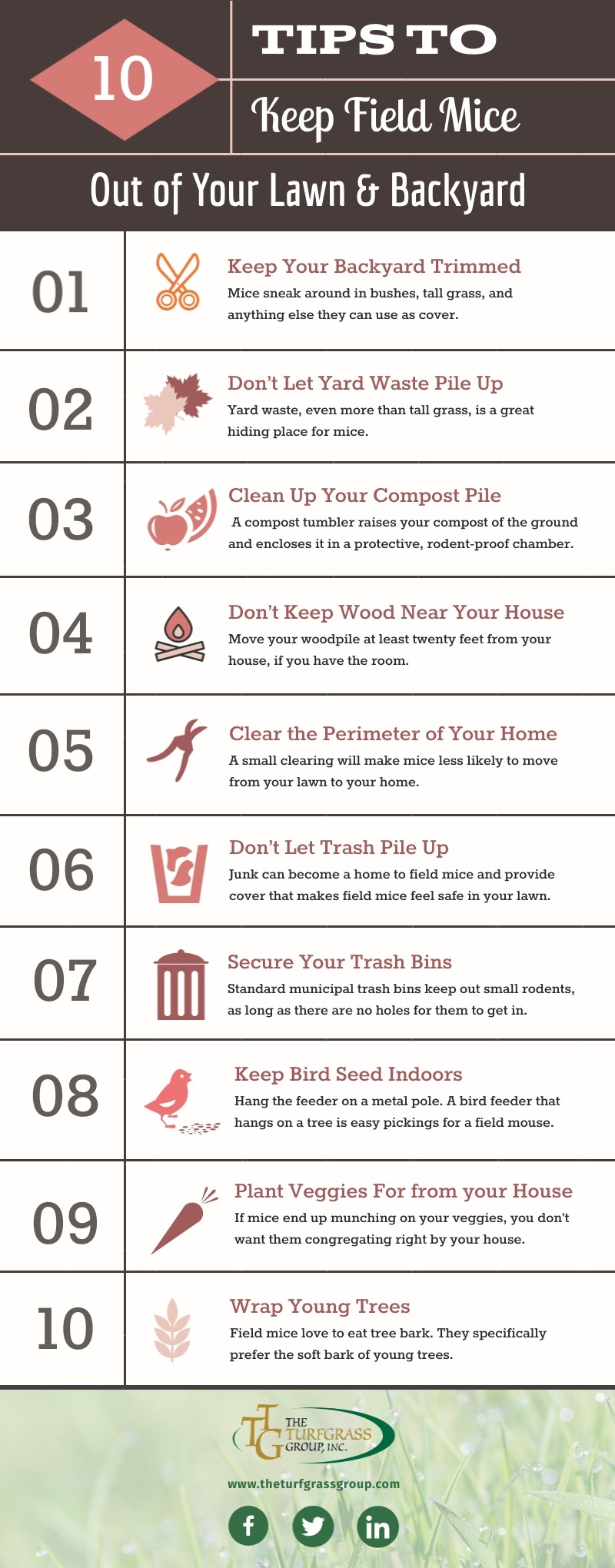
Image Source: theturfgrassgroup.com
Why Mice Invade Your Garden
Before we discuss how to get rid of them, it’s helpful to know why mice are attracted to your garden in the first place. Gardens offer a smorgasbord of delights for these small rodents:
- Food Sources: Seeds, fallen fruits, vegetables, grains, and even insects can be a buffet for mice.
- Shelter: Dense vegetation, compost piles, woodpiles, sheds, and overgrown areas provide excellent hiding places and nesting sites.
- Water: Damp areas, leaky hoses, or even bird baths can attract mice.
- Accessibility: Gaps in fences, openings in structures, or pathways created by their own activity make it easy for them to enter and exit.
Essential Steps for Garden Mouse Control
Effective garden pest control starts with a multi-pronged approach. It’s not just about eliminating the mice you see, but also about making your garden less inviting for future generations.
1. Garden Tidy-Up: Removing Shelter and Food
The most crucial step in preventing mice in yard is to eliminate what attracts them. This means a thorough cleanup of your garden and its surroundings.
Making Your Garden Less Appealing
- Clear Debris: Remove fallen leaves, branches, and any accumulated garden waste. These provide ideal hiding spots for mice.
- Manage Compost Piles: Ensure compost piles are well-maintained. Turn them regularly to speed up decomposition and avoid adding meat or dairy products, which are highly attractive to rodents. Consider using rodent-proof compost bins.
- Store Firewood: Keep firewood piles off the ground and at least 20 feet away from your house. Cover them with a tarp to keep them dry and less hospitable.
- Trim Overgrown Vegetation: Cut back tall grass and dense bushes, especially near your home or garden beds. Mice love to travel through and hide in thick foliage.
- Secure Trash Cans: Ensure all outdoor trash cans have tight-fitting lids. Mice are opportunistic feeders and will raid garbage if given the chance.
2. Sealing Entry Points: Rodent Proofing Your Garden Sheds and Structures
Mice are adept at squeezing through small openings. Rodent proofing garden structures like sheds, greenhouses, or even raised garden beds is essential.
Sealing Gaps and Holes
- Inspect Structures: Thoroughly check sheds, garages, and any other garden buildings for holes, cracks, or gaps.
- Use Sturdy Materials: Seal openings with steel wool, caulk, or metal flashing. Mice cannot chew through these materials easily.
- Check Vents and Pipes: Ensure vents and pipe entries are covered with fine metal mesh.
- Secure Doors: Make sure doors fit snugly and have weather stripping to prevent mice from entering.
3. Natural Mouse Repellent Strategies
For those seeking safe mouse removal and deterring mice without harsh chemicals, natural repellents are a great option. These methods focus on using scents or substances that mice dislike.
Scent-Based Deterrents
- Peppermint Oil: Mice have a strong aversion to the smell of peppermint. Soak cotton balls in pure peppermint oil and place them in areas where you’ve seen mice, like near plant roots or entry points. Reapply the oil every few days as the scent fades.
- Ammonia: The strong smell of ammonia can mimic the scent of predators to mice. Mix one part ammonia with three parts water in shallow containers and place them around your garden. Be cautious, as ammonia can be harmful in large quantities and its fumes can be strong.
- Cayenne Pepper/Chili Powder: Mice dislike the spicy scent and taste of cayenne pepper. Sprinkle it around vulnerable plants or potential entry points. However, it can be washed away by rain and may need frequent reapplication.
- Clove Oil or Garlic: Similar to peppermint, the strong aroma of cloves or garlic can deter mice. You can use clove oil on cotton balls or plant garlic bulbs around your garden.
Other Natural Methods
- Owl or Snake Decoys: Mimicking the presence of natural predators can make mice feel unsafe. Place owl or snake decoys strategically in your garden. While not always a foolproof solution, it can contribute to deterring mice.
- Cider Vinegar: Some gardeners report success using cider vinegar. Sprinkling it around the perimeter of garden beds might help, but its effectiveness can be limited and it might affect soil pH if used excessively.
It’s important to note that while natural mouse repellent options are appealing, their effectiveness can vary. Consistent application and a combination of methods often yield the best results.
4. Effective Mouse Traps for Gardens
When natural deterrents aren’t enough, mouse traps for gardens become a necessary tool. The key is to choose the right type of trap and use it safely and effectively.
Types of Mouse Traps
- Snap Traps: These are classic traps that kill mice quickly. They are generally considered humane if set correctly.
- Pros: Inexpensive, readily available, effective for quick kills.
- Cons: Can be messy, require careful handling to avoid injury.
- Live Catch Traps: These traps capture mice alive, allowing for their relocation.
- Pros: Humane, allows for relocation away from your property.
- Cons: Requires frequent checking to prevent stress or death of the captured mouse, and you’ll need to find a suitable location to release them far from other homes.
- Glue Traps: These traps use a strong adhesive to immobilize mice.
- Pros: Simple to use, inexpensive.
- Cons: Considered inhumane as mice suffer a slow death from starvation, dehydration, or stress. Many animal welfare organizations discourage their use.
Baiting Your Mouse Traps
The right bait is crucial for attracting mice to your traps.
- Peanut Butter: A classic and highly effective bait.
- Seeds and Nuts: Sunflower seeds, oats, or chopped nuts are also attractive.
- Chocolate: Mice are often drawn to the sweetness and fat content.
- Homemade Mouse Bait: While commercially available baits are effective, you can create homemade mouse bait by mixing peanut butter with oatmeal and a little bit of sugar or chocolate. Ensure your bait is placed securely on the trap trigger.
Strategic Placement of Traps
- Along Walls: Mice tend to travel along the edges of walls or structures. Place traps parallel to these routes.
- Near Activity: Set traps in areas where you’ve seen droppings, gnaw marks, or active signs of mice.
- Hidden Spots: Mice are cautious creatures. Placing traps in sheltered locations like under garden benches or near compost bins can increase their effectiveness.
- Multiple Traps: Use several traps to increase your chances of catching mice quickly.
Safety First: When setting mouse traps for gardens, wear gloves to avoid leaving your scent on the traps, which can make mice wary. Keep traps out of reach of children and pets.
3. Using Repellent Devices
Beyond scents and traps, there are technological solutions to consider for deterring mice.
Ultrasonic Mouse Repellers
These devices emit high-frequency sound waves that are supposed to be irritating or disorienting to rodents.
- How they work: They produce sounds outside the range of human hearing, creating an unpleasant environment for mice.
- Effectiveness: The effectiveness of ultrasonic repellers is debated. Some studies show limited success, while others suggest mice may become accustomed to the sounds over time. They are generally considered a safe option as they don’t use chemicals.
- Considerations: Ensure you purchase reputable brands and place them strategically. They are most effective in enclosed or semi-enclosed spaces.
Advanced Rodent Proofing Garden Techniques
For long-term success in preventing mice in yard, consider these more robust rodent proofing garden strategies.
4. Garden Barriers for Mice
Physical barriers can effectively block mice from accessing certain areas of your garden.
Using Wire Mesh and Fencing
- Material: Use sturdy hardware cloth or galvanized steel mesh with openings no larger than ¼ inch. This size is too small for mice to pass through.
- Installation:
- Raised Beds: Bury the mesh at least 6 inches into the ground and extend it a few inches above the soil line to prevent mice from climbing over.
- Around Vulnerable Plants: Create small cages or enclosures from wire mesh to protect individual plants or seedlings.
- Perimeter Fencing: If mice are entering your garden from a specific area, consider installing a fence around the perimeter. Ensure the fence is buried into the ground and is tall enough to deter climbing.
5. Controlling Food and Water Sources
Beyond securing your trash, actively managing potential food and water sources can significantly reduce a mouse’s attraction to your garden.
Eliminating Easy Meals
- Harvest Regularly: Pick ripe fruits and vegetables promptly. Don’t let fallen produce rot on the ground, as this is a primary food source for mice.
- Bird Feeders: Bird feeders can be a major attractant. Use feeders that are designed to be rodent-resistant, clean up spilled seed regularly, and consider placing them away from your house and garden beds.
- Pet Food: Never leave pet food outdoors, especially overnight. Store pet food in airtight containers.
Managing Water Sources
- Fix Leaks: Repair any leaky outdoor faucets or hoses.
- Empty Containers: Don’t leave water standing in buckets, saucers, or other containers.
When to Call a Professional
If you’ve tried various methods and are still struggling with a significant mouse infestation, it might be time to consider professional help. A pest control service can assess the situation and implement more targeted and potent solutions for safe mouse removal. They can also identify and address any underlying issues contributing to the infestation.
FAQs About Garden Mouse Control
Here are some common questions people have about getting rid of mice in their gardens:
Q1: Are mice dangerous to my garden?
A: Yes, mice can be dangerous to your garden. They can eat seeds, bulbs, young plants, and vegetables. They can also spread diseases through their droppings and urine.
Q2: Can I use poison to get rid of mice in my garden?
A: While rodenticides can be effective, they are generally not recommended for use in gardens, especially if you grow edible plants. Poisons can harm beneficial insects, birds, pets, and even children if ingested. There’s also a risk of secondary poisoning if predators eat poisoned mice. Always opt for safer methods like traps and repellents.
Q3: How often should I check mouse traps?
A: For live traps, check them at least twice a day, ideally in the morning and evening. This ensures captured mice don’t suffer from stress, starvation, or dehydration. For snap traps, check them daily to remove caught mice promptly.
Q4: What is the best natural mouse repellent?
A: Peppermint oil is often cited as one of the most effective natural mouse repellent options due to its strong scent, which mice dislike. However, consistency in application is key for any natural repellent.
Q5: How do I prevent mice from coming back after I get rid of them?
A: Consistent preventing mice in yard involves maintaining a clean garden, removing food and water sources, and regularly inspecting and sealing any potential entry points into your garden or structures. Making your garden less inviting is the best long-term strategy.
Q6: Are ultrasonic mouse repellers safe for pets like cats and dogs?
A: Most ultrasonic mouse repellers operate at frequencies that are not harmful to cats and dogs. However, some pets may be more sensitive than others, and it’s advisable to monitor your pets’ behavior when using these devices. If your pet shows signs of distress, discontinue use.
By implementing these safe mouse removal and deterring mice strategies, you can create a garden that is both productive and free from the damage caused by mice. Remember that a proactive and consistent approach to garden pest control and rodent proofing garden is your best defense against these persistent visitors.