
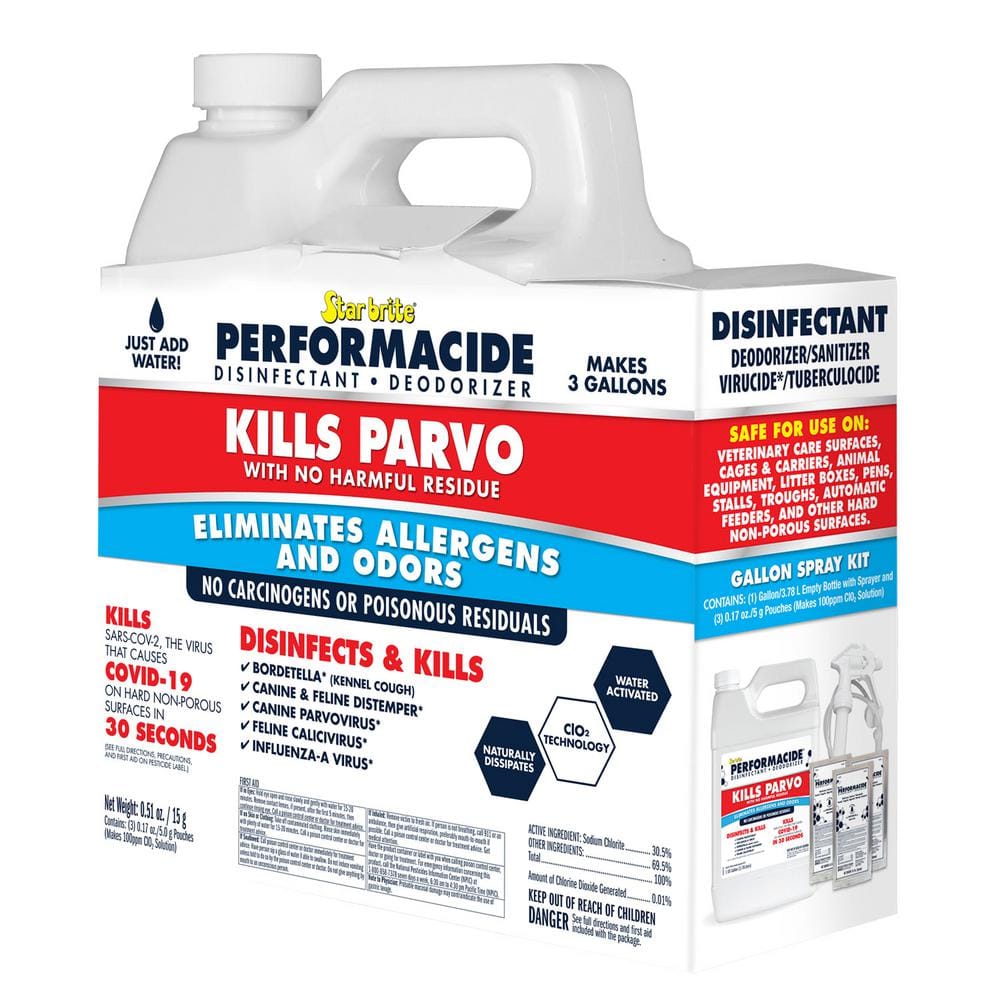
Image Source: images.thdstatic.com
How to Get Rid of Parvo in My Yard: Quick Guide
Can you effectively get rid of parvovirus in your yard? Yes, with diligent cleaning and disinfection, you can significantly reduce the risk of parvovirus transmission in your yard. What is parvovirus, and why is it a concern for pet owners? Canine parvovirus (CPV) is a highly contagious and often fatal viral disease that affects dogs, particularly puppies. It attacks the gastrointestinal tract, causing severe vomiting, diarrhea, lethargy, and dehydration. The virus is notoriously hardy, meaning it can survive in the environment for extended periods, making canine parvovirus yard decontamination a crucial step for pet owners. This guide will provide you with a comprehensive approach to parvovirus yard disinfection and eliminating parvo outdoors.
The Persistence of Parvovirus Outdoors
Parvovirus is a resilient foe. It can survive in soil, on surfaces, and even in dried feces for months, sometimes even up to a year or more, depending on environmental conditions. This persistence is what makes canine parvovirus yard safety a major concern. A dog can contract parvo by ingesting even a small amount of the virus, which is often shed in the feces of infected dogs. This means an apparently clean yard could still harbor the virus if not properly treated. Killing parvo in soil is a significant challenge because the virus is protected from direct cleaning agents when embedded in organic matter. Therefore, a multi-pronged approach is necessary for effective parvovirus remediation yard efforts.
Assessing the Risk and What to Do
If your dog has been diagnosed with parvo, or if a known infected dog has been in your yard, immediate action is paramount. The primary goal is to prevent reinfection of your recovering dog and to protect other unvaccinated or susceptible dogs from contracting the virus. Removing parvo from grass requires a thorough cleaning and disinfection process.
Key Steps to Take:
- Isolate: Keep any sick dogs away from other pets and communal areas until they have recovered and are cleared by a veterinarian.
- Contain: Limit access to the affected yard to prevent further spread.
- Remove Organic Matter: This is the first and most critical step in canine parvovirus yard sanitation.
Step 1: The Crucial Cleanup – Removing Feces and Debris
Before any disinfection can begin, a thorough physical removal of all organic matter is essential. This includes feces, vomit, soiled grass clippings, and any other debris.
Why this step is vital:
- Disinfectant Effectiveness: Disinfectants work by directly contacting and killing the virus. Organic matter can shield the virus, making disinfectants less effective.
- Reducing Viral Load: The more organic material you remove, the less virus you have to deal with.
What to look for:
- All Feces: Even dried feces can contain viable virus.
- Vomit or Diarrhea Stains: These areas are highly contaminated.
- Soiled Soil: If you see heavily soiled patches, consider removing a shallow layer of topsoil.
- Contaminated Mulch or Debris: Remove anything that might have come into contact with infected waste.
Actionable Advice:
- Wear disposable gloves and a mask to protect yourself.
- Use a plastic scoop or trowel to collect feces and soiled material.
- Place all collected waste in a thick, sealed plastic bag.
- Dispose of this bag in an outdoor trash receptacle immediately, or follow your local waste disposal guidelines for biohazardous materials.
- If you are removing soil, place it in heavy-duty trash bags as well.
Step 2: Selecting Your Disinfectant – The Right Tools for the Job
Choosing the correct disinfectant is critical for killing parvo in soil and on surfaces. Not all cleaning products are effective against parvovirus. The virus is known for its resistance to many common disinfectants.
Effective Disinfectants for Parvovirus:
The most commonly recommended and effective disinfectant for parvovirus is a 1:30 dilution of household bleach (sodium hypochlorite). This means mixing 1 part bleach with 30 parts water.
- Bleach (Sodium Hypochlorite): Highly effective, readily available, and cost-efficient. However, it can be harsh on certain surfaces and can damage plants.
- Potassium Peroxymonosulfate (e.g., Virkon™ S): This is a veterinary-grade disinfectant known for its broad-spectrum efficacy against viruses, including parvovirus. It is generally safer for use around plants and is often preferred for more sensitive areas.
- Accelerated Hydrogen Peroxide (e.g., Rescue™): Another effective veterinary disinfectant that is often considered safer for surfaces and animals than bleach.
Disinfectants NOT Recommended for Parvovirus:
- Quaternary Ammonium Compounds (Quats): While effective against many bacteria, Quats are generally not effective against parvovirus.
- Phenols: Also less effective against parvovirus compared to bleach or potassium peroxymonosulfate.
- Rubbing Alcohol (Isopropyl Alcohol): Not potent enough to reliably kill parvovirus.
Table: Disinfectant Effectiveness Against Parvovirus
| Disinfectant Type | Effectiveness Against Parvovirus | Notes |
|---|---|---|
| 1:30 Bleach Solution | Highly Effective | Can damage plants and some surfaces; requires ventilation; inactivates quickly. |
| Potassium Peroxymonosulfate | Highly Effective | Broader spectrum; safer for plants and surfaces; veterinary grade. |
| Accelerated Hydrogen Peroxide | Highly Effective | Safer for surfaces and animals; veterinary grade. |
| Quaternary Ammonium Compounds | Not Effective | Common in many household cleaners; ineffective against parvo. |
| Phenols | Limited Effectiveness | Less reliable than bleach or specialized veterinary disinfectants. |
| Rubbing Alcohol | Not Effective | Too weak to kill the virus. |
Step 3: The Disinfection Process – Applying the Solution
Once you have chosen your disinfectant and removed all organic matter, it’s time to apply the solution. This is the core of parvovirus yard disinfection.
Applying a Bleach Solution (1:30 Dilution):
- Preparation: Mix the bleach and water in a plastic watering can or sprayer. Ensure good ventilation.
- Application: Thoroughly saturate all surfaces where the infected dog may have been. This includes concrete, patio furniture, wooden decks, and even lightly into the soil.
- Contact Time: Bleach needs to remain wet on the surface for at least 10-20 minutes to effectively kill the virus.
- Rinsing (Optional but Recommended): After the contact time, rinse the area with plenty of clean water, especially on surfaces where pets might walk or lie down. Be mindful of where the rinse water goes, as it will carry diluted bleach.
- Caution: Bleach can discolor and degrade certain materials. Test on an inconspicuous area first if you are concerned about damage. It is also harmful to plants.
Applying Potassium Peroxymonosulfate or Accelerated Hydrogen Peroxide:
- Preparation: Follow the manufacturer’s instructions for dilution carefully. These products often come in concentrated forms.
- Application: Spray or apply the diluted solution thoroughly to all affected areas.
- Contact Time: Again, refer to the product’s label for the recommended contact time. This can vary but is often similar to or slightly longer than bleach.
- Rinsing: Many veterinary disinfectants do not require rinsing, making them more convenient and safer for the environment. Check the product label.
Parvovirus Soil Treatment:
Disinfecting soil is tricky. Parvovirus can survive in soil for a long time.
- Bleach on Soil: Applying a bleach solution can help, but its effectiveness diminishes as it soaks into the ground. It can also harm beneficial soil microorganisms.
- Potassium Peroxymonosulfate on Soil: These are generally considered safer for soil and more effective than bleach for deeper penetration.
- Sunlight: UV rays from sunlight can help inactivate parvovirus over time. However, this is a slow process and should not be relied upon as the sole method.
- Removal of Topsoil: For heavily contaminated areas, removing the top 2-3 inches of soil and replacing it with fresh soil might be the most effective approach to truly removing parvo from grass and the underlying soil. This is an extreme measure but can be necessary in severe cases.
Parvo Virus Lawn Treatment:
Treating grass requires careful consideration.
- Bleach on Grass: Bleach will kill grass. If you use bleach, apply it sparingly and be prepared for dead patches. Rinsing thoroughly may help dilute it slightly but won’t negate its damaging effects.
- Veterinary Disinfectants on Grass: Potassium peroxymonosulfate and accelerated hydrogen peroxide are often formulated to be less damaging to vegetation. Always follow label instructions and test in a small area first.
- Focus on Areas of Contact: Concentrate your efforts on areas where your dog may have urinated, defecated, or vomited. The broader lawn might not require the same intensity of treatment if contamination is localized.
- Allowing the Lawn to Recover: After disinfection, it’s best to keep dogs away from the treated lawn for as long as possible to allow the virus to naturally inactivate and for any disinfectant residues to dissipate.
Step 4: Drying and Airing Out
After disinfection and rinsing (if applicable), allow the treated areas to dry completely. Sunlight and fresh air can help further inactivate any remaining viral particles. This part of canine parvovirus yard sanitation is often overlooked but is important.
Step 5: Patience and Monitoring – The Long Game of Parvovirus Remediation
Parvovirus remediation yard efforts are not a one-time fix. Due to the virus’s persistence, patience and ongoing vigilance are key.
How Long Does Parvo Survive in the Yard?
As mentioned, parvovirus can survive for many months, even up to a year or more, in the environment. This means you need to be extremely cautious.
Monitoring and Re-treatment:
- Avoid Reintroduction: Do not allow unvaccinated or sick dogs into the yard until your veterinarian gives the all-clear.
- Regular Cleaning: Continue to promptly remove any feces or vomit from the yard.
- Disinfect High-Traffic Areas: Periodically re-treat areas where your dog frequently spends time, especially during periods of wet weather, which can sometimes prolong virus survival.
Special Considerations for Different Yard Surfaces
The best approach for canine parvovirus yard safety will vary depending on your yard’s surfaces.
Porous Surfaces (Soil, Mulch, Gravel):
- Challenge: These are the most difficult surfaces to decontaminate because the virus can penetrate and hide within them.
- Best Approach: Physical removal of contaminated material is crucial. For soil, consider removing the top layer. For bleach application, ensure thorough saturation. Potassium peroxymonosulfate is often a better choice for deeper soil treatment. Sunlight exposure is also beneficial over time.
Non-Porous Surfaces (Concrete, Patios, Vinyl Fences):
- Challenge: Easier to clean but still require thorough disinfection.
- Best Approach: Thoroughly scrub with soap and water first to remove any visible debris. Then, apply your chosen disinfectant (bleach or veterinary-grade) and ensure adequate contact time. Rinsing is generally recommended.
Wooden Decks and Fences:
- Challenge: Wood is porous and can absorb viruses. Bleach can also damage wood.
- Best Approach: Use a diluted bleach solution or a potassium peroxymonosulfate product. Scrub the wood thoroughly. Be aware that repeated bleaching can dry out and degrade wood over time.
Artificial Turf:
- Challenge: Can trap contaminants.
- Best Approach: Follow manufacturer guidelines. Typically, a good rinse with water followed by a broad-spectrum disinfectant like potassium peroxymonosulfate is recommended. Ensure good drainage.
Protecting Other Pets and Family Members
Your efforts in canine parvovirus yard sanitation not only protect future pets but also the health of your current pets and family.
- Hand Hygiene: Always wash your hands thoroughly with soap and water after cleaning or disinfecting the yard.
- Footwear: Consider having a designated pair of shoes or boots that you only wear when cleaning the yard to avoid tracking the virus indoors.
Frequently Asked Questions (FAQ)
Q1: How long does parvovirus live in the soil?
A1: Parvovirus is very hardy and can survive in soil for many months, potentially up to a year or even longer, especially in cooler, shaded, or damp conditions.
Q2: Can I use a regular garden hose to rinse bleach from my yard?
A2: Yes, you can use a garden hose to rinse, but be aware that the rinse water will contain diluted bleach and should not be allowed to run into waterways or onto sensitive plants. Ensure thorough rinsing of surfaces where pets will have direct contact.
Q3: Will sunlight kill parvovirus in my yard?
A3: Sunlight, specifically its UV rays, can help inactivate parvovirus over time. However, this is a gradual process and is not sufficient on its own to quickly decontaminate a yard. Disinfection is still necessary.
Q4: My neighbor’s dog has parvo. Should I disinfect my yard even if my dog hasn’t gotten sick?
A4: If a known infected dog has been in your yard or nearby, it’s a good precaution to perform canine parvovirus yard decontamination, especially if you have unvaccinated or at-risk dogs.
Q5: What is the best way to get rid of parvo from grass?
A5: Removing parvo from grass is best achieved by first removing any feces or organic matter. For treatment, a potassium peroxymonosulfate-based disinfectant is often recommended as it is more effective and less damaging to grass than bleach. However, bleach can be used sparingly with the understanding it will damage the grass.
Q6: Can I use disinfectant wipes on yard surfaces?
A6: Disinfectant wipes may be useful for small, localized spots on non-porous surfaces. However, for effective parvovirus yard disinfection of larger areas or porous surfaces, a liquid disinfectant applied with a sprayer or watering can is more effective due to the need for thorough saturation and extended contact time.
Q7: Do I need to disinfect my entire yard?
A7: Focus your efforts on areas where infected dogs have spent time, defecated, or vomited. If the contamination is widespread, a more comprehensive approach might be needed. Prioritize high-traffic areas and where your dog eats, drinks, or rests.
By following these detailed steps, you can significantly improve canine parvovirus yard safety and effectively manage parvovirus remediation yard challenges. Remember that consistency and thoroughness are your greatest allies against this resilient virus.