
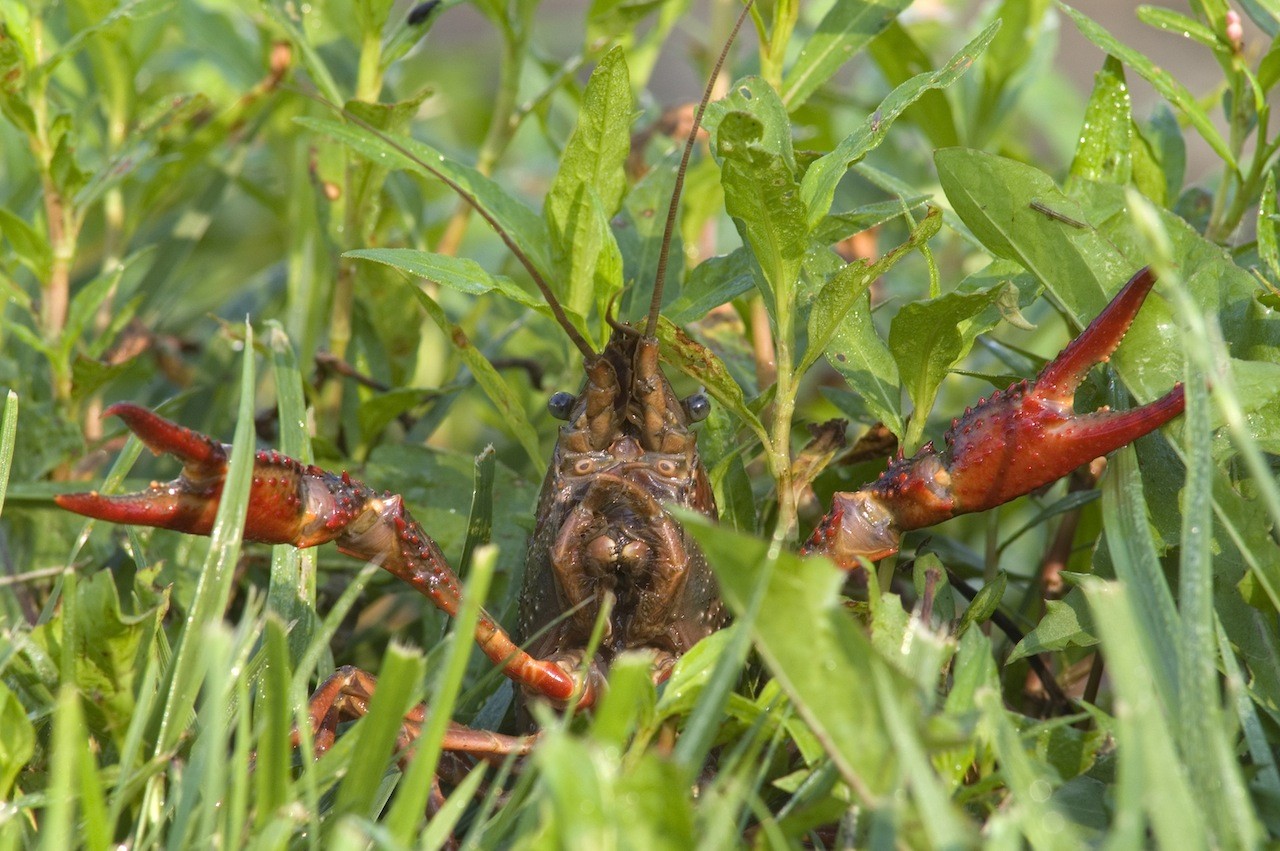
Image Source: bugspray.com
How To Get Rid Of Crayfish In Yard Fast
Can you get rid of crayfish in your yard fast? Yes, you can significantly reduce and manage a crayfish problem quickly with the right methods. Dealing with backyard crayfish can be a real nuisance, turning a pleasant outdoor space into a minefield of muddy mounds and potential damage. These burrowing crayfish, often mistaken for small crabs on land, are actually hardy crustaceans that thrive in damp environments, frequently causing issues near ponds, streams, or even just damp soil. This guide will walk you through effective crayfish removal techniques to tackle your crayfish problem head-on.
Why Are Crayfish in My Yard?
Crayfish, also known as crawfish or crawdads, are semi-aquatic. They need water to survive, but they are also adept at burrowing into moist soil, creating complex tunnel systems. If you have a yard with consistent moisture, a nearby water source like a pond, stream, or even a leaky faucet, you’re providing an ideal habitat. The presence of soft, muddy soil is a primary attractant for these burrowing crayfish as it allows them to dig their burrows easily.
They are attracted to:
- Moist Soil: Essential for digging their burrows.
- Water Sources: Ponds, streams, ditches, or even consistently damp areas.
- Food: Crayfish are omnivores, eating algae, aquatic plants, insects, snails, and decaying organic matter. A healthy ecosystem in or near your yard can provide a food source.
The Problem with Crayfish in the Yard
Crayfish damage can manifest in several ways, impacting both the aesthetics and structural integrity of your yard. Their burrowing activities are the most significant concern.
- Damage to Lawns and Gardens: Their mounds can disrupt the evenness of your lawn, making mowing difficult and unsightly. In gardens, their burrows can damage plant roots, making plants unstable and prone to falling over.
- Structural Issues: If burrows are dug too close to foundations, retaining walls, or patios, they can weaken the soil structure, potentially leading to subsidence or cracks over time. This is particularly true if the burrows reach significant depths.
- Uneven Ground: The characteristic chimneys or mounds they build can create tripping hazards.
- Aquatic Pests: While often seen as charming, in large numbers, pond crayfish can deplete aquatic vegetation and prey on smaller organisms, disrupting the balance of a pond ecosystem. They are considered aquatic pests when their population becomes problematic.
Fast and Effective Crayfish Removal Methods
When you need to get rid of crayfish fast, a multi-pronged approach is often best.
1. Manual Removal and Trapping
Manual removal is a direct way to reduce their numbers quickly.
Using Crayfish Traps
Crayfish traps are specifically designed to catch these crustaceans. They typically have a bait compartment and a funnel-shaped opening that allows crayfish to enter but makes it difficult for them to escape.
- Types of Traps:
- Net Traps: These are often collapsible and can be baited and placed in water.
- Box Traps: These are more rigid and can be submerged.
- Collapsible Funnel Traps: Easy to store and deploy.
- Baiting Your Traps: Effective baits include:
- Chicken pieces or necks
- Fish scraps
- Sardines or other oily fish
- Dog food (wet or dry)
- Placement:
- Place traps in or near water sources where crayfish are active.
- Submerge them completely.
- Check traps regularly, ideally daily, to remove caught crayfish and re-bait.
- Speed: This method can be quite fast for reducing numbers if you have many traps and a good location.
Hand Catching
This is more labor-intensive but can be effective for immediate removal, especially at night when crayfish are more active.
- When to Catch: Dusk or night is the best time.
- What You Need:
- A flashlight
- Waders (if catching in water)
- Gloves (crayfish can pinch)
- A bucket
- Technique: Shine your flashlight along the edge of the water or where you see mounds. Gently scoop them up with your hands (carefully!) or a net.
2. Habitat Modification to Deter Crayfish
Long-term crayfish control relies on making your yard less hospitable.
Managing Water Sources
- Drain Standing Water: Eliminate areas where water collects and sits for extended periods. This might involve improving drainage in your yard.
- Fix Leaks: Repair any leaky faucets, pipes, or sprinkler systems that contribute to constant dampness.
- Reduce Pond Water Levels (Temporarily): If you have a pond, temporarily lowering the water level can expose burrows and make crayfish more vulnerable. However, be mindful of other aquatic life.
Soil Management
- Improve Drainage: Aerate your soil and consider adding sand or compost to improve drainage. This makes it harder for them to dig extensive burrows.
- Compact Soil: In areas prone to burrowing, you can try compacting the soil. This is more of a deterrent than a removal method.
3. Natural Deterrents and Repellents
Some natural methods can help discourage crayfish from settling in your yard.
Essential Oils
Certain strong scents can deter crayfish.
- Peppermint Oil: Mix a few drops with water and spray around affected areas.
- Clove Oil: Similar to peppermint, its strong scent can be a repellent.
Important Note: While these can be deterrents, they are generally not strong enough to eliminate an established population quickly. They are best used as part of a broader strategy.
Garlic Spray
A strong garlic solution can also act as a repellent.
- How to Make: Blend several cloves of garlic with water, let it steep, strain, and then spray.
4. Chemical Control (Use with Caution)
Chemical treatments should be a last resort, especially if you have pets, children, or value beneficial wildlife in your yard. Always read and follow product labels carefully.
Insecticides/Pesticides
Some insecticides registered for burrowing pests may be effective, but crayfish are crustaceans, not insects. It’s crucial to use products specifically labeled for crayfish or aquatic invertebrates if available.
- Application: Usually applied directly to burrows.
- Risks: Can harm beneficial insects, earthworms, and potentially aquatic life if it leaches into waterways.
Fumigants
There are specific burrow fumigants available.
- Application: Inserted into burrows.
- Effectiveness: Can be effective but requires careful application to ensure it reaches the crayfish.
Crucial Warning: Before using any chemical, consult with your local extension office or a pest control professional to ensure you are using the right product for the job and that it is safe for your specific situation. Crayfish control using chemicals needs to be done responsibly.
5. Eliminating Food Sources
While difficult, reducing readily available food can make your yard less appealing.
- Clean Up Debris: Remove leaf litter, fallen fruit, and other organic debris that crayfish might feed on.
- Manage Ponds: If you have a pond, avoid overfeeding fish, which can lead to excess organic matter.
What About Pond Crayfish Specifically?
When dealing with pond crayfish, the approach needs to be sensitive to the pond’s ecosystem.
- Trap Regularly: This is the most recommended method for pond crayfish. Use multiple traps, baited with fish scraps or chicken.
- Manual Removal: As mentioned, catching them by hand or net at night is effective.
- Habitat Management: Consider if your pond has excessively muddy banks or areas where they can easily burrow and escape predators. You might need to reinforce bank edges with rocks or mesh in problem areas.
- Biological Controls: In some cases, introducing natural predators like certain fish species that eat crayfish can help, but this is a long-term strategy and requires careful consideration of the entire ecosystem.
Steps for Fast Crayfish Removal
To tackle your crayfish problem quickly, follow these steps:
- Identify the Extent of the Problem: Note where the mounds are most prevalent and if they are near structures. This will help you focus your efforts.
- Gather Your Supplies: Acquire crayfish traps, bait, a bucket, gloves, and a flashlight.
- Deploy Traps Immediately: Place traps in areas with the highest activity, ensuring they are properly baited and submerged.
- Begin Manual Removal: At dusk or night, go out and manually catch any crayfish you see.
- Modify Habitat: Start addressing any obvious water pooling or drainage issues. Fix leaky pipes or faucets.
- Monitor and Repeat: Check traps daily and continue manual removal. Re-bait traps as needed.
- Consider Deterrents: Apply natural deterrents like peppermint or garlic spray to the edges of your yard or around specific areas you want to protect.
- Evaluate Chemical Options (Last Resort): If the problem persists and is severe, research appropriate chemical controls after exhausting other options and consulting professionals.
Timing is Key for Crayfish Control
The best time to implement crayfish removal strategies is typically when they are most active and accessible.
- Spring: As temperatures rise, crayfish become more active after winter. Mating season also increases their movement.
- Fall: They are busy preparing for winter, often digging deeper burrows.
- Nighttime: Crayfish are primarily nocturnal. Using a flashlight to spot them on land or near water edges is highly effective for manual removal and trap checking.
Frequently Asked Questions About Backyard Crayfish
Q1: How do I know if I have crayfish?
A1: Look for small, muddy mounds with a central opening, often near water sources or in damp soil. You might also see small holes in the ground. Sometimes, you might spot them themselves, especially at night.
Q2: Are crayfish dangerous?
A2: Crayfish can pinch with their claws if threatened, but their pinch is usually not severe enough to cause significant injury. However, it’s best to handle them with gloves or a net. They are not inherently dangerous to humans.
Q3: Can I use salt to get rid of crayfish?
A3: While salt can kill crayfish, it is harmful to soil and plants, and can also contaminate groundwater. It’s not a recommended or environmentally sound method for crayfish control in your yard.
Q4: How do I stop crayfish from coming back?
A4: Consistent habitat modification is key. Improve drainage, eliminate standing water, and address any nearby water sources that attract them. Regularly monitoring and using traps can also help keep populations low.
Q5: Are crayfish a sign of a healthy ecosystem?
A5: In moderation, crayfish can be part of a healthy aquatic ecosystem. However, a large number of burrowing crayfish in your yard indicates they have found ideal conditions, which may need adjustment if they are causing crayfish damage. They are considered aquatic pests when their population becomes a problem.
By implementing these methods, you can effectively manage and reduce the population of crayfish in your yard, restoring it to a more enjoyable and less problematic space. Remember, persistence and a combination of strategies are usually the most successful path to crayfish removal.