
Can you fix squirrel holes in your yard? Yes, you can fix squirrel holes in your yard using a few different methods, from simple patching to more involved exclusion techniques.
Squirrels digging holes in your yard is a common problem for many homeowners. These furry critters, while entertaining to watch, can cause significant damage to lawns, gardens, and even the foundations of your home. The holes they create, often referred to as filling burrow holes or closing rodent tunnels, can be unsightly, pose tripping hazards, and allow other pests to enter your yard. This comprehensive guide will walk you through repairing squirrel damage and, more importantly, preventing future damage. We’ll cover everything from immediate fixes to long-term strategies for pest exclusion yard living.
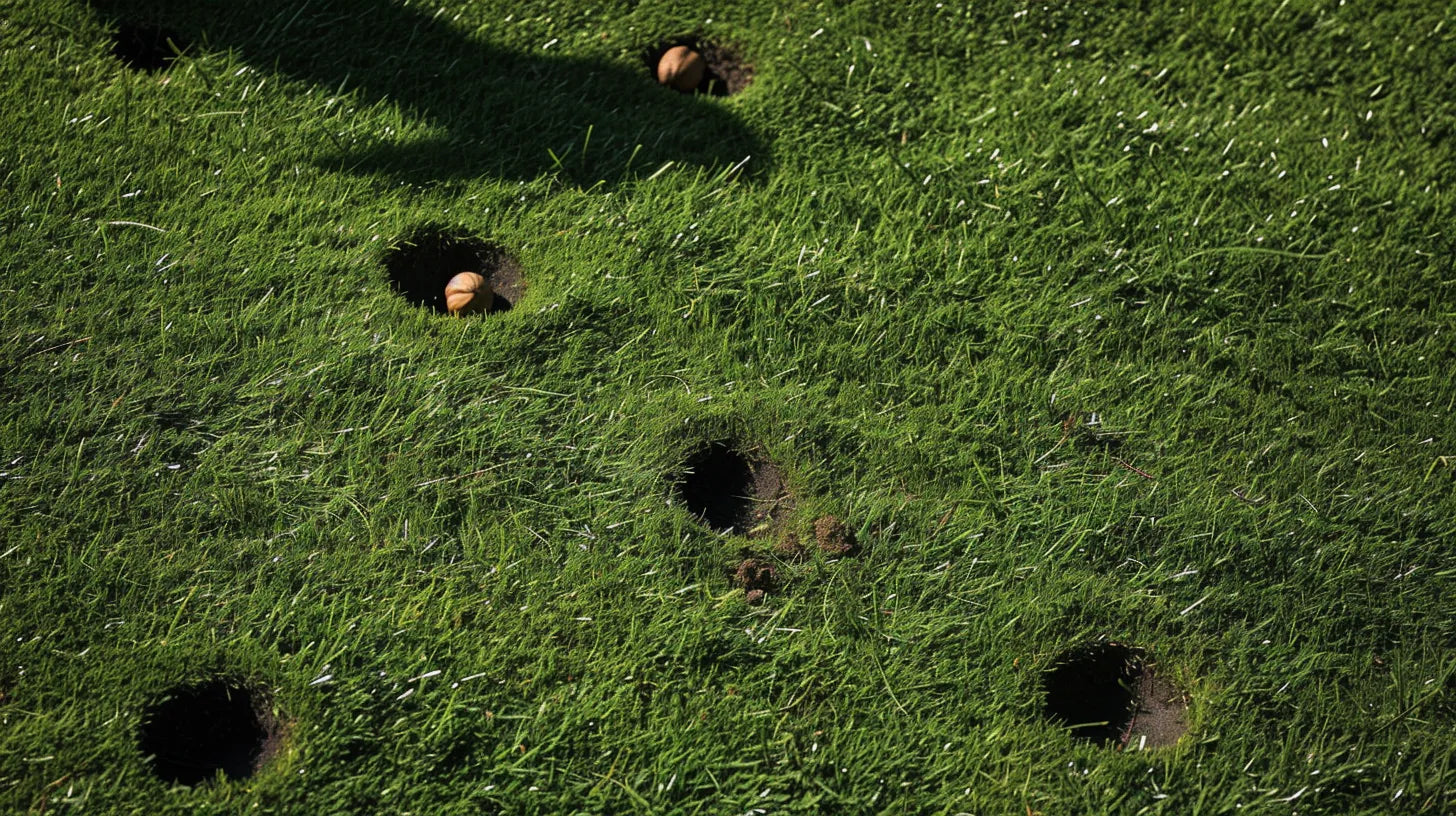
Image Source: fj-outdoors.com
Why Do Squirrels Dig Holes?
Before we delve into fixes, let’s understand why squirrels create these holes in the first place. Their motivations are primarily driven by instinct and necessity:
- Food Storage (Caching): Squirrels are notorious for burying nuts and seeds to save for later. They’ll dig small holes to stash their treasures, often forgetting where they’ve buried them, leading to more holes over time.
- Nesting and Shelter: During breeding season or harsh weather, squirrels may excavate deeper holes or enlarge existing ones to create nests or safe havens for themselves and their young. This is a key reason for filling abandoned burrows.
- Water and Minerals: In drier periods, squirrels might dig to reach moisture or minerals in the soil.
- Foraging: They also dig to unearth insects, grubs, or bulbs from your garden.
- Play and Exercise: Young squirrels, especially, will often dig and tunnel as a form of play and developing their skills.
Identifying Squirrel Holes
Squirrel holes typically differ from those made by other common yard pests. Here’s how to identify them:
- Size: Squirrel holes are usually about the size of a golf ball or slightly larger, though they can expand if a squirrel repeatedly uses them.
- Depth: They can range from a few inches to over a foot deep, especially if they are part of a more extensive burrow system.
- Location: You’ll often find them near trees, shrubs, garden beds, under decks, or near the foundations of your home – places that offer some cover or potential food sources.
- Activity: Look for fresh dirt piles around the hole, indicating recent activity. You might also see small paw prints or discarded nut shells.
Quick Fixes for Squirrel Holes
When you spot a squirrel hole, your first instinct is likely to fill it. Here are some effective quick fixes:
1. Patching Ground Holes with Soil and Seed
This is the simplest and most immediate way to address a hole.
Materials:
- Fresh topsoil
- Grass seed (matching your existing lawn)
- Compost or manure (optional, for better soil quality)
- Watering can or hose
Steps:
- Clear the Area: Remove any loose dirt, rocks, or debris from around the hole.
- Loosen the Soil: Use a trowel or small shovel to loosen the soil at the bottom of the hole. This helps the new soil integrate better.
- Fill the Hole: Mix your topsoil with compost or manure if you have it. Fill the hole with this mixture, mounding it slightly above the surrounding ground level. This accounts for settling.
- Add Grass Seed: Sprinkle a generous amount of grass seed over the mounded soil.
- Water Gently: Water the area thoroughly but gently. Avoid washing away the seeds.
- Maintain Moisture: Keep the area consistently moist until the grass germinates and establishes.
This method is excellent for ground squirrel hole repair on your lawn.
2. Using Gravel or Small Stones
For holes in garden beds or areas where grass is less important, gravel can be a quick and effective filler.
Materials:
- Gravel or small stones (pea gravel works well)
Steps:
- Clear Debris: Remove any loose soil or debris from the hole.
- Fill with Gravel: Pack the hole firmly with gravel or small stones.
- Level: Ensure the gravel is level with or slightly below the surrounding surface.
This is a good option for filling backyard cavities that don’t need to support plant growth.
3. Expanding Foam Sealant
For smaller holes, especially those under decks or in structures, expanding foam can be a good temporary solution.
Materials:
- Expanding foam sealant (suitable for outdoor use)
- Caulk gun (if using a canister)
- Utility knife or scissors
Steps:
- Clean the Hole: Ensure the inside of the hole is clean and dry.
- Apply Foam: Carefully inject the expanding foam into the hole. Do not overfill, as it will expand significantly.
- Trim Excess: Once the foam has cured (check product instructions), carefully trim away any excess that protrudes from the surface with a utility knife.
- Cover (Optional): For aesthetic purposes, you can cover the cured foam with soil, mulch, or paint.
Important Note: Expanding foam is generally a temporary fix. Squirrels can chew through it, and it might not be a sufficient barrier for larger or more persistent burrowers.
4. Hardware Cloth or Wire Mesh
For holes leading into more significant structures or under sheds, hardware cloth offers a more durable barrier.
Materials:
- Galvanized hardware cloth (1/4-inch or 1/2-inch mesh)
- Wire cutters or tin snips
- Staples or landscape pins
- Gloves
Steps:
- Measure and Cut: Measure the hole and cut a piece of hardware cloth that is significantly larger than the opening.
- Insert and Secure: Push the hardware cloth into the hole, ensuring it covers the opening completely and extends a few inches down into the hole. Use staples or landscape pins to secure the edges to the surrounding ground or structure.
- Cover: You can then cover the hardware cloth with soil, mulch, or sod for a neater appearance.
This is an effective method for sealing animal burrows that require a stronger deterrent.
Advanced Solutions and Prevention Strategies
While quick fixes are helpful, long-term solutions are crucial for preventing squirrel re-entry and protecting your yard from ongoing damage.
1. Modifying the Habitat
Squirrels are attracted to yards that offer them food, water, and shelter. Reducing these attractants is key to pest exclusion yard success.
- Secure Trash Cans: Ensure your garbage cans have tight-fitting lids.
- Remove Fallen Fruit and Nuts: Regularly clean up any fallen fruit, nuts, or seeds from trees and bird feeders.
- Protect Bird Feeders: Use squirrel-proof feeders or place them at least 10 feet away from trees and structures. Consider a squirrel baffle.
- Clear Debris: Remove piles of leaves, wood, or other debris where squirrels can hide or build nests.
- Trim Branches: Prune tree branches that overhang your roof or structures, as these provide easy access for squirrels.
2. Repellents and Deterrents
Various repellents can make your yard less appealing to squirrels.
- Commercial Repellents: Many commercially available squirrel repellents use scents or tastes that squirrels dislike. These often contain ingredients like castor oil, predator urine, or spicy pepper extracts. Follow product instructions carefully for application.
- Natural Repellents:
- Pepper Spray: Mix cayenne pepper or chili powder with water and a few drops of dish soap. Spray this solution around the affected areas and on plants squirrels tend to nibble. Reapply after rain.
- Garlic and Onion: Planting garlic and onions or scattering their peels around your garden can deter squirrels with their strong scent.
- Coffee Grounds: Used coffee grounds can act as a deterrent due to their acidity and scent. Sprinkle them around the base of plants.
- Mint: Planting mint or using mint oil can also be effective due to its strong aroma.
Important Note: Repellents need to be reapplied regularly, especially after rain, to remain effective.
3. Fencing and Barriers
For garden beds or specific areas you want to protect, physical barriers are very effective.
- Chicken Wire or Hardware Cloth Fencing: Build a fence around your garden beds using chicken wire or hardware cloth. Ensure the fence is at least 2-3 feet high and buried 6-12 inches into the ground to prevent burrowing underneath. The mesh size should be small enough to deter squirrels.
- Tree Trunk Wraps: Wrap the base of trees with metal flashing or a specialized tree guard to prevent squirrels from climbing up.
4. Addressing Nests and Structures
If squirrels are nesting in or around your home, more targeted sealing animal burrows and exclusion methods are needed.
- Inspect Attics and Eaves: Check for any holes or entry points squirrels might be using to access your attic or crawl spaces.
- Seal Entry Points: Use sturdy materials like hardware cloth, metal sheeting, or concrete to seal any openings.
- One-Way Doors: For active nests, you can install a one-way door over the main entry point. This allows squirrels to leave but not re-enter. Once you are sure all squirrels have exited, remove the door and permanently seal the opening. This is a humane way of filling abandoned burrows in your home’s structure.
- Professional Exclusion: If you suspect a significant infestation or are uncomfortable performing these tasks yourself, contact a wildlife removal specialist. They have the expertise and equipment for effective pest exclusion yard solutions.
Repairing Squirrel Damage: A Deeper Dive
When dealing with more extensive repairing squirrel damage, consider these aspects:
1. Stabilizing Soil Around Holes
For larger or deeper holes, especially on slopes, simply filling them can lead to erosion or further collapse.
Methods:
- Biodegradable Erosion Control Mats: Laying down these mats after filling the hole and planting grass seed can help stabilize the soil and prevent it from washing away.
- Reinforcing with Wire Mesh: As mentioned earlier, placing hardware cloth at the bottom of larger holes before filling can provide a more stable base and prevent further digging in that spot.
2. Repairing Lawn Damage
Beyond filling the holes, you might need to address the surrounding lawn damage.
- Reseeding: Ensure the reseeding process is thorough, using good quality seed and the appropriate soil amendments.
- Top Dressing: After reseeding, adding a thin layer of compost or quality topsoil can help improve the success rate of new grass growth.
- Aeration: If the soil is heavily compacted around the holes, consider aerating the lawn to improve air circulation and water penetration.
3. Addressing Structural Damage
If squirrels have damaged wooden structures, decks, or siding, these repairs need to be more robust.
- Replace Damaged Wood: Remove any chewed or rotten wood and replace it with new, treated lumber.
- Secure Loose Boards: Ensure all boards and siding are securely fastened to prevent future entry.
- Use Metal Flashing: Cover vulnerable wooden areas with metal flashing to deter chewing.
Table: Squirrel Hole Repair Materials Comparison
| Material | Best Use | Pros | Cons |
|---|---|---|---|
| Topsoil & Grass Seed | Lawn areas | Natural look, promotes grass growth | Requires consistent watering, can be re-dug by squirrels |
| Gravel/Stones | Garden beds, decorative areas | Good drainage, prevents plant growth, quick fill | Not suitable for lawns, can be dislodged |
| Expanding Foam | Small holes in structures (temporary) | Fills gaps effectively, expands to fill space | Can be chewed through, not durable, can be unsightly if not covered |
| Hardware Cloth/Wire Mesh | Under decks, structures, reinforcing holes | Strong deterrent, durable, prevents burrowing | Can be unsightly if not covered, requires cutting and securing |
| Metal Flashing | Tree trunks, structural edges | Durable chew deterrent, long-lasting | Can be unsightly, requires proper installation |
| Repellents (Natural/Commercial) | Deterrent for plants and general yard areas | Non-lethal, can be applied widely | Needs frequent reapplication, effectiveness varies, not a physical barrier |
Frequently Asked Questions (FAQ)
Q1: Will filling squirrel holes alone stop them from coming back?
A: Filling the holes is a necessary step, but it’s rarely enough on its own. Squirrels will often dig new holes if the underlying attractants (food, shelter) remain. Combining hole repair with habitat modification and deterrents is the most effective strategy for preventing squirrel re-entry.
Q2: Can I use concrete to fill squirrel holes?
A: While concrete is a very strong filler, it’s generally not recommended for lawn areas. It can create a hard, impermeable surface that hinders drainage and makes future lawn care difficult. It might be an option for very specific, permanent structural repairs, but generally, more natural or flexible materials are better for yard holes.
Q3: How deep do squirrel burrows typically go?
A: Squirrel burrows can vary in depth. Small caching holes might only be a few inches deep. However, nesting burrows can extend a foot or more underground, sometimes connecting multiple chambers. When filling burrow holes, consider the potential depth if you see signs of extensive digging.
Q4: Are there humane ways to remove squirrels from my yard?
A: Yes, humane methods include using one-way doors, installing deterrents to make the area less hospitable, and removing attractants. Live trapping can be an option, but ensure you check local regulations and release the squirrels far from your home, as they can have difficulty adapting to new territories.
Q5: What are the signs of a squirrel infestation in my home?
A: Signs include scratching or scampering noises in walls or attics, visible entry points (holes in siding, soffits, eaves), chewed wires or insulation, and droppings. Addressing these issues promptly is crucial for repairing squirrel damage to your home.
Conclusion
Dealing with squirrel holes in your yard requires a multi-faceted approach. While quick fixes like patching ground holes can address immediate issues, a focus on long-term prevention through habitat modification, deterrents, and physical barriers is essential for effective pest exclusion yard management. By sealing animal burrows properly and making your yard less appealing to squirrels, you can enjoy a beautiful, damage-free outdoor space. Remember to be persistent, as squirrels are resourceful creatures, and consistent effort will yield the best results in preventing squirrel re-entry and enjoying a peaceful coexistence, or rather, a peaceful lack of unwelcome guests.