
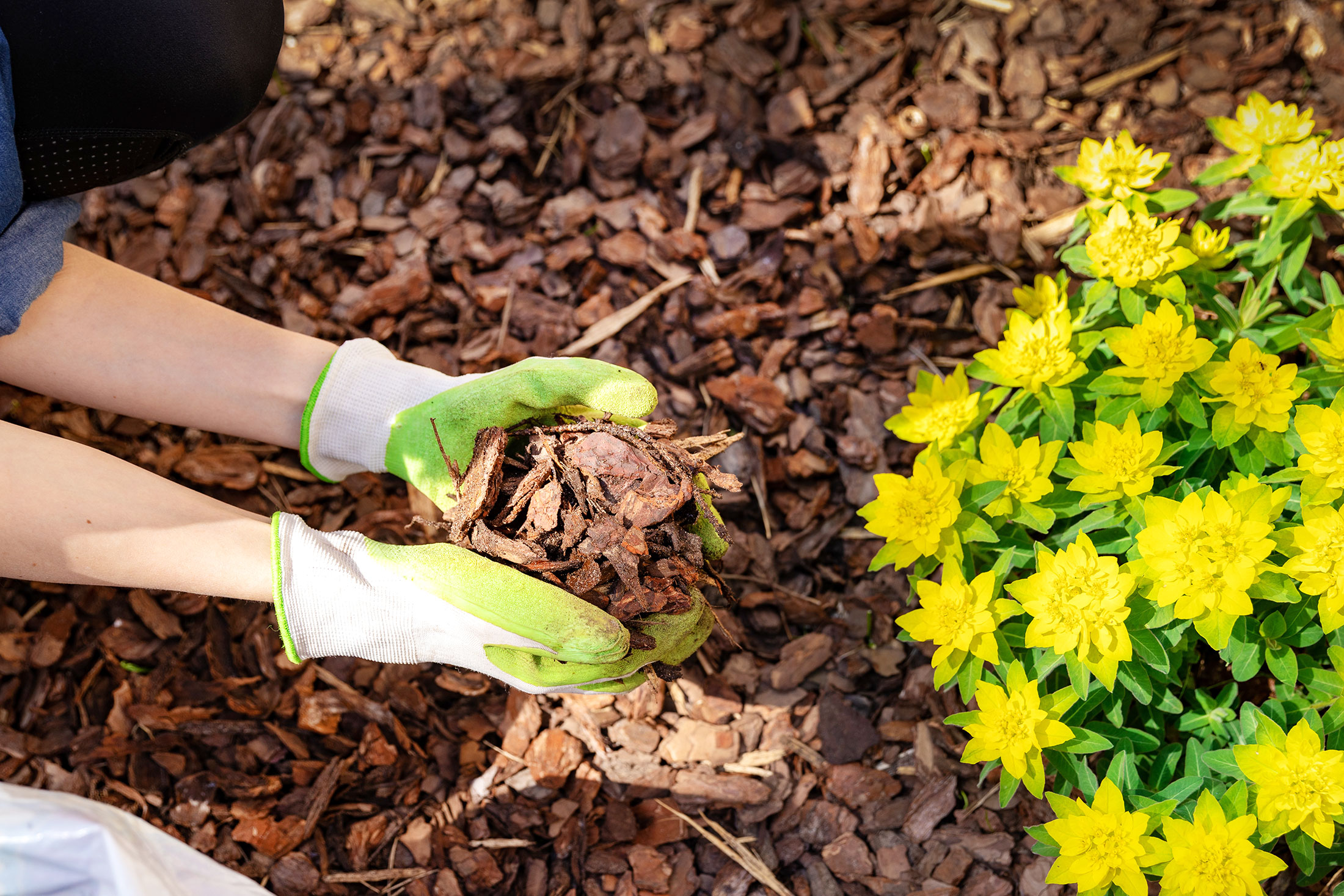
Image Source: reddilawnmaintenance.com
How Often Should You Mulch Your Lawn? Your Guide
Mulching your lawn can be done a few times a year, typically in the spring and fall, but the exact frequency depends on the type of mulch you use and your lawn’s specific needs. Mulching provides numerous benefits for your lawn’s health, appearance, and soil quality. This guide will delve into the optimal times, methods, and reasons behind consistent mulching for a thriving green space.
The Purpose and Advantages of Mulching
Mulching is a cornerstone of good lawn care. It’s more than just spreading a layer of material; it’s about creating a healthier environment for your grass. The primary benefits of mulching are vast and contribute significantly to a vibrant and resilient lawn.
Enhancing Soil Health and Moisture Retention
One of the most significant mulching benefits is its ability to improve soil structure. As organic mulches decompose, they add valuable nutrients back into the soil. This slow-release fertilization nourishes your grass throughout the growing season.
Furthermore, mulch acts as a protective blanket, significantly improving moisture retention. It reduces water evaporation from the soil surface, meaning you’ll need to water your lawn less frequently. This is particularly beneficial during hot, dry summer months.
Suppressing Weeds and Regulating Soil Temperature
A thick layer of mulch is an excellent natural weed suppressor. By blocking sunlight, it prevents weed seeds from germinating. This reduces the need for chemical herbicides, making your lawn safer for children and pets.
Mulch also plays a crucial role in regulating soil temperature. In summer, it keeps the soil cooler, protecting grass roots from heat stress. In winter, it helps insulate the soil, preventing extreme temperature fluctuations that can damage grass roots and encourage frost heaving.
Improving Lawn Appearance
Beyond the practical mulching benefits, a freshly mulched lawn simply looks better. It creates a uniform, finished appearance, instantly boosting your home’s curb appeal. The rich color and texture of mulch can transform a dull lawn into a lush, inviting space.
Deciphering Mulching Frequency: When and How Often?
Determining mulching frequency is key to reaping its full rewards without overdoing it. While the general advice points to spring and fall, the specifics of your lawn care schedule can influence this.
Spring Mulching: A Fresh Start
Spring is an ideal time to apply a fresh layer of mulch. As winter recedes and the soil begins to warm, mulching helps to lock in moisture from spring rains and suppress early weed growth. This seasonal mulching provides a vital boost as your lawn prepares for the active growing season.
- Timing: Aim for early to mid-spring, after the threat of hard frost has passed and before the heat of summer sets in.
- Purpose: To conserve moisture, suppress weeds, and provide a slow release of nutrients as the grass starts to grow actively.
Fall Mulching: Preparing for Winter
Fall is another critical period for mulching. It helps protect the grass roots from harsh winter conditions and provides a steady supply of nutrients as the lawn enters dormancy. This seasonal mulching is essential for the long-term health of your turf.
- Timing: Late fall, after the grass has stopped growing actively but before the ground freezes solid.
- Purpose: To insulate the soil, prevent extreme temperature fluctuations, and provide nutrients for the following spring.
Can You Mulch More Frequently?
While spring and fall are the primary times, some situations might warrant more frequent mulching. For instance, if you use certain types of organic mulch that decompose quickly, you might need to top up the layer more often to maintain its effectiveness. However, it’s generally not necessary to mulch more than twice a year for most homeowners. Over-mulching can lead to problems, so adherence to mulching frequency guidelines is important.
The Optimal Mulching Time: Season by Season
The best time to mulch your lawn is generally dictated by the seasons. Each application serves a distinct purpose in your lawn care schedule.
Spring: Waking Up the Lawn
The optimal mulching time in spring is when the soil has started to warm up but before intense summer heat arrives. This allows the mulch to work its magic in retaining moisture and keeping weeds at bay during the crucial growth period.
Summer: Maintenance and Moisture
While not a primary mulching season, if you notice your mulch layer has significantly thinned due to decomposition, a light top-up in early summer can be beneficial for continued moisture retention and weed suppression. However, avoid heavy mulching during the peak heat of summer, as this can sometimes overheat the soil and stress the grass.
Fall: Winterizing and Nourishing
The optimal mulching time in fall is when the weather is cooler, and the grass growth has slowed. This allows the mulch to settle in and provide insulation before the cold weather truly sets in.
Winter: A Time for Rest
Winter is not a time for mulching. The ground is typically frozen, and the grass is dormant. Any mulch applied now will likely remain on the surface until spring.
Choosing the Right Mulch: Types and Their Properties
The types of mulch you choose will influence its decomposition rate and longevity, subtly affecting your mulching frequency. Understanding the characteristics of different mulches is vital for effective mulch application.
Here’s a look at common mulch types:
| Mulch Type | Description | Pros | Cons |
|---|---|---|---|
| Wood Chips/Bark | Shredded or chipped bark from various trees (pine, hardwood, cedar). | Long-lasting, excellent at suppressing weeds, attractive appearance, good moisture retention. | Can sometimes rob nitrogen from soil as it decomposes (if not composted first), can be heavy. |
| Shredded Bark | Similar to wood chips but finer in texture. | Similar to wood chips, tends to stay in place better due to its fibrous nature. | Can also temporarily deplete nitrogen. |
| Composted Organic Matter | Well-rotted compost, manure, or other organic materials. | Adds rich nutrients to the soil as it breaks down, improves soil structure, excellent moisture retention. | Can be more expensive, appearance might not be as uniform as bark, can attract some insects. |
| Straw/Hay | Dried grasses. | Inexpensive, good for insulation, adds organic matter. | Decomposes quickly, can introduce weed seeds if not properly sourced (hay vs. straw), can look messy. |
| Pine Needles | Fallen needles from pine trees. | Long-lasting, decompose slowly, add acidity to soil (good for acid-loving plants), good moisture retention. | Can be difficult to spread evenly, may not be suitable for all lawn types, can mat down. |
| Grass Clippings | Dried clippings from mowing. | Free, readily available, adds nitrogen to soil. | Can mat down and prevent air/water penetration if applied too thickly, can look unsightly if not dried. |
Pro Tip: For lawns, wood chips or shredded bark are often preferred for their aesthetic appeal and longevity. Compost is excellent for improving soil health but may not offer the same refined look as bark.
Mastering Mulch Application: Techniques for Success
Proper mulch application is as important as the frequency. Applying too much or too little can negate the benefits of mulching and even harm your lawn.
How Much Mulch to Apply: The Golden Rule
A general rule of thumb for how much mulch to apply is a layer of 2-3 inches. This thickness is sufficient to suppress weeds, retain moisture, and regulate soil temperature without suffocating the grass roots.
- Too Little: If the layer is too thin (less than 2 inches), it won’t effectively suppress weeds or retain moisture.
- Too Much: If the layer is too thick (more than 3-4 inches), it can smother the grass, block air and water, and create a breeding ground for pests and diseases. It can also prevent new grass seeds from germinating if you’re overseeding.
The Application Process
- Prepare the Area: Before applying mulch, ensure your lawn is free of debris, large weeds, and excess thatch. Mow the lawn to a reasonable height.
- Spread Evenly: Use a rake or shovel to spread the mulch evenly across the desired areas. Avoid piling mulch directly against the base of trees or shrubs, as this can lead to rot and pest problems. For lawns, spread it directly over the soil surface.
- Maintain the Depth: Aim for that 2-3 inch depth consistently. You can use a ruler or a mulch depth gauge to check.
- Rake and Smooth: Once applied, use a rake to smooth out the mulch and ensure an even, attractive finish.
Seasonal Mulching: A Deeper Dive into Your Lawn Care Schedule
Your lawn care schedule should integrate seasonal mulching seamlessly. It’s not an isolated task but part of a year-round commitment to lawn health.
Spring Mulching in Detail
- When: After the last frost, typically March to May, depending on your climate.
- How: Apply a 2-3 inch layer of your chosen mulch.
- Why: To retain spring moisture, suppress emerging weeds, and provide nutrients as the grass awakens.
Fall Mulching in Detail
- When: Late October through November, before the ground freezes.
- How: Apply a 2-3 inch layer.
- Why: To insulate roots from winter cold, prevent soil erosion, and slowly release nutrients that will fuel spring growth.
What About Other Times?
While not the primary mulching frequency, there are times to consider a refresh:
- Mid-Summer: If your mulch has significantly broken down and the soil is drying out rapidly, a light top-up can be beneficial.
- After Aeration: If you aerate your lawn in the fall, applying mulch afterward can help fill the holes with beneficial organic matter.
Common Pitfalls to Avoid in Mulching
Even with the best intentions, some common mistakes can occur during mulch application. Being aware of these can help you maintain the benefits of mulching.
- Mulch Volcanoes: Piling mulch high around tree trunks or shrub bases. This traps moisture against the bark, promoting rot and inviting pests. Keep mulch a few inches away from the base of plants.
- Too Much Mulch: Exceeding the recommended 3-4 inch depth can suffocate grass, block air and water, and create an environment for disease.
- Too Little Mulch: A thin layer won’t provide the desired weed suppression or moisture retention.
- Using Fresh Grass Clippings: While free, thick layers of wet grass clippings can mat down, preventing air and water from reaching the soil and potentially leading to fungal growth. Dry them first if using them as mulch.
- Not Renewing: Forgetting to mulch entirely for extended periods can lead to a loss of the ongoing mulching benefits.
Frequently Asked Questions About Mulching
Q1: How often should I replenish my mulch if it decomposes quickly?
If you use organic mulches that break down rapidly (like straw or fresh grass clippings), you might need to top up the layer more frequently, perhaps every 6-12 months, to maintain the 2-3 inch depth. For slower-decomposing mulches like wood chips or bark, twice a year (spring and fall) is usually sufficient.
Q2: Can I mulch over existing mulch?
Yes, you can mulch over existing mulch, provided the old layer has decomposed significantly and is no longer at the optimal 2-3 inch depth. Simply add a fresh layer on top, ensuring the total depth doesn’t exceed 3-4 inches.
Q3: What is the difference between mulching a lawn and mulching garden beds?
While the principles are similar (moisture retention, weed suppression), the mulch application and types might differ slightly. For garden beds, mulch is typically applied around plants, leaving a small gap at the base of the stem. For lawns, mulch is spread evenly over the soil surface. Also, coarser mulches like bark are more common in garden beds for aesthetic reasons, while finer compost or wood fines can be used on lawns.
Q4: Does mulching kill grass?
No, proper mulching does not kill grass. In fact, it promotes a healthier lawn by retaining moisture, regulating temperature, and adding nutrients. However, applying mulch too thickly (over 4 inches) can suffocate the grass, preventing it from receiving adequate air and light.
Q5: When is the absolute best time to mulch for weed control?
To maximize weed control, the best times are early spring, just as weeds start to emerge, and fall, to prevent winter weeds from taking hold. The protective layer of mulch blocks sunlight, inhibiting germination.
By adhering to the recommended mulching frequency and proper mulch application techniques, you can unlock the full potential of this valuable lawn care practice, ensuring a healthier, more beautiful lawn year-round. Your lawn care schedule will thank you for it!