
When to apply weed killer and fertilizer? You should apply weed killer and fertilizer to your lawn in the spring and fall, typically when grass is actively growing and weeds are also present. This two-pronged approach is crucial for maintaining a healthy lawn.
A lush, green, weed-free lawn is the envy of any neighborhood. But achieving that picture-perfect turf isn’t just about mowing; it involves a consistent and well-timed approach to weed and feed applications. So, how often should you weed and feed your lawn? The answer isn’t a one-size-fits-all. Your lawn care schedule will depend on your grass type, climate, soil condition, and the specific products you use. However, a general guideline for fertilizing lawn frequency and weed control timing points towards two key periods: spring and fall.
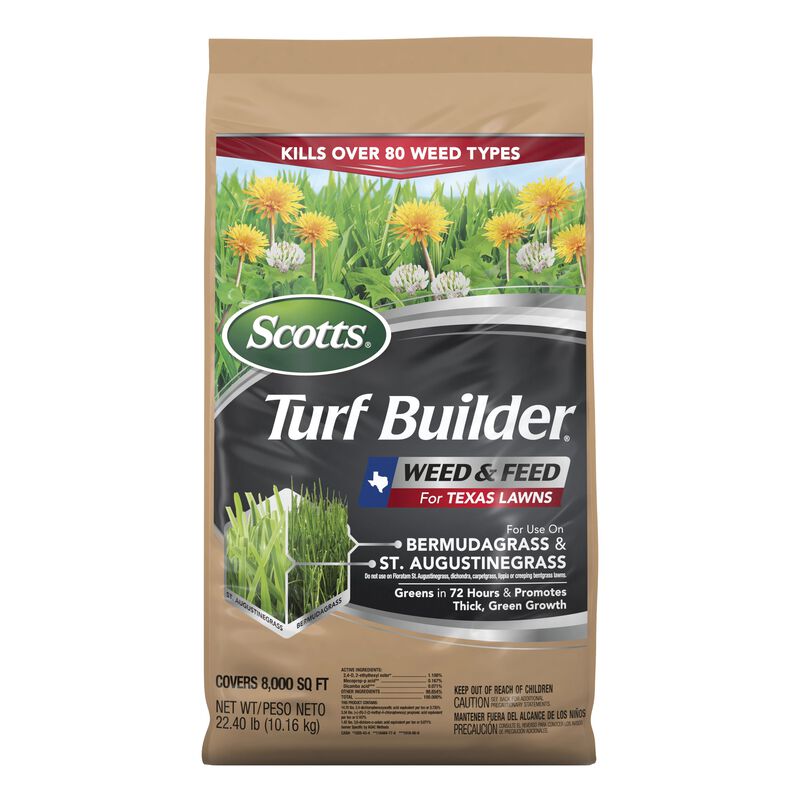
Image Source: scotts.com
The Importance of a Lawn Feeding Calendar
Creating a lawn feeding calendar is essential for proactive lawn care. It helps you track treatments and ensures you’re giving your lawn what it needs, when it needs it. This structured approach prevents over-fertilization, which can burn your grass, and under-fertilization, which leaves it weak and susceptible to pests and diseases. A balanced lawn feeding calendar is a cornerstone of maintaining a healthy lawn.
Spring Lawn Care: The Awakening
Spring is a vital time for your lawn. After a long winter, the grass is ready to grow and needs a boost. This is often the first major treatment of the year.
Why Spring is Prime Time
- Active Growth: Grass plants are actively growing in the spring. This means they can efficiently absorb the nutrients from the fertilizer, leading to stronger root development and greener blades.
- Weed Germination: Many common lawn weeds, like dandelions and crabgrass, also germinate and begin to grow in the spring. Applying a weed and feed product now can prevent these unwelcome guests from establishing themselves.
- Repairing Winter Damage: Winter can be harsh on lawns, causing damage from snow, ice, and freezing temperatures. Spring feeding helps the grass recover and fill in thin patches.
What to Look For in Spring Treatments
When you’re choosing a spring weed and feed product, consider the following:
- Pre-emergent Herbicides: For crabgrass prevention, a pre-emergent herbicide is key. These products stop crabgrass seeds from germinating.
- Broadleaf Weed Control: Most spring weed and feed products will also contain herbicides for broadleaf weeds like dandelions, clover, and plantain.
- Slow-Release Nitrogen: Look for fertilizers with slow-release nitrogen. This provides a steady supply of nutrients over a longer period, preventing rapid, weak growth that is prone to disease.
Timing Your Spring Application
The best time to weed and feed in the spring is generally when:
- Temperatures are consistently in the mid-50s to 60s Fahrenheit. This is when both grass and many common weeds are actively growing.
- The threat of frost has passed. Applying too early, when frost is still likely, can damage new grass growth.
- Your lawn is dry. Applying granular weed and feed to a wet lawn can cause the granules to stick to the grass blades, potentially burning them.
Spring lawn care sets the stage for a healthy summer. Don’t skip this important step!
Fall Lawn Feeding: The Preparation for Dormancy
Fall is arguably even more critical than spring for long-term lawn health. This is when you prepare your grass for the stresses of winter and set it up for success the following spring.
The Crucial Role of Fall Treatments
- Root Development: Grass continues to grow roots in the fall, even as the top growth slows. Fertilizing in the fall provides the necessary nutrients for this crucial root strengthening. Strong roots are vital for surviving winter and emerging healthy in spring.
- Nutrient Storage: Fall feeding helps the grass store carbohydrates in its roots and crown. This stored energy is used for early spring growth, giving your lawn a head start.
- Weed Control: Many perennial weeds, like dandelions, are actively drawing nutrients down into their root systems in the fall. Applying a broadleaf weed killer during this time is highly effective at killing the entire plant.
What to Look For in Fall Treatments
- Higher Nitrogen and Potassium: Fall fertilizers typically have a higher nitrogen content to promote growth and a good amount of potassium to improve disease resistance and winter hardiness.
- Broadleaf Weed Control: If weeds are still present, a product that targets broadleaf weeds is beneficial. However, some lawn care professionals recommend separating your fertilizer and weed control applications in the fall for better results.
Timing Your Fall Application
The best time to weed and feed in the fall depends on your region and grass type. Generally, it’s recommended to apply:
- Late September to Mid-October in cooler climates. This is after the peak of summer heat and before the ground freezes.
- A second application in late fall (November) before the ground freezes can be particularly beneficial for perennial grasses to help them store energy.
- Avoid applying fertilizer right before a hard freeze. The grass needs some time to absorb the nutrients.
Fall lawn feeding is an investment in your lawn’s future.
Summer and Winter: What About Them?
While spring and fall are the primary seasonal lawn treatments, what about summer and winter?
Summer Considerations
- Avoid Weed and Feed: Generally, it’s not recommended to apply “weed and feed” products during the peak of summer heat. High temperatures can stress the grass, and the herbicides in weed and feed products can exacerbate this stress, leading to brown patches or even killing the lawn.
- Fertilizing: If your lawn needs fertilizer in the summer, opt for a slow-release formula applied during cooler periods (early morning or late evening) and water it in thoroughly. Some experts suggest light applications of nitrogen in summer for certain grass types, but caution is advised.
- Weed Control: Spot-treat weeds in the summer as needed. Apply herbicides directly to the weeds, not broadcast over the entire lawn.
Winter Considerations
- Dormancy: Most cool-season grasses enter dormancy during the winter. Applying fertilizer or weed killer during this period is largely ineffective and can even be harmful.
- “Winterizer” Fertilizers: Some fall fertilizers are labeled as “winterizers.” These are typically high in potassium and are designed for the late fall application mentioned earlier, to help the grass survive the cold.
Understanding Weed Control Timing
Effective weed control timing is as important as the fertilization itself.
- Pre-emergent Weed Control: This is applied before weed seeds germinate. For crabgrass, this is typically in early spring.
- Post-emergent Weed Control: This is applied after weeds have already sprouted. Most “weed and feed” products contain post-emergent herbicides for broadleaf weeds.
When to apply weed killer and fertilizer together in a “weed and feed” product means you’re applying both at the same time, usually in spring or fall. However, for maximum effectiveness, especially with challenging weeds or specific grass types, separating these applications can be beneficial.
Fertilizing Lawn Frequency: A Deeper Dive
The fertilizing lawn frequency depends heavily on your grass type and your soil’s nutrient levels.
Cool-Season Grasses (Kentucky Bluegrass, Fescue, Ryegrass)
- Spring: One application of a balanced fertilizer.
- Fall: Two applications are ideal – one in early fall and another in late fall. This is crucial for root development and winter hardiness.
- Summer: Generally not recommended, unless a specific slow-release product is used with caution during cooler spells.
Warm-Season Grasses (Bermuda Grass, Zoysia, St. Augustine)
- Spring: Fertilize after the grass has greened up and is actively growing.
- Summer: Multiple applications (2-3) are often needed throughout the summer as these grasses thrive in heat.
- Fall: A late fall application can be beneficial for root strength before winter.
Soil Testing: The Ultimate Guide
The most accurate way to determine your fertilizing lawn frequency is to get a soil test. Your local extension office can provide kits and analysis. A soil test will tell you:
- pH Level: This affects nutrient availability.
- Nutrient Levels: Identifies deficiencies in nitrogen, phosphorus, potassium, and micronutrients.
Based on the soil test results, you can tailor your lawn feeding calendar and choose the right fertilizer formulations.
When to Apply Weed Killer and Fertilizer Separately
While “weed and feed” products are convenient, there are times when applying them separately yields better results:
- Crabgrass Control: Crabgrass pre-emergent herbicides are best applied in early spring before weed and feed applications, as they target germinating seeds.
- Specific Weed Problems: If you have a severe broadleaf weed infestation, you might want to apply a targeted broadleaf herbicide first. Wait a week or two for the weeds to die before applying fertilizer.
- Dormant Seeding: If you plan to overseed your lawn in the fall, avoid weed and feed products that could kill the new grass seed. Apply weed control only after the new grass is established and has been mowed a few times.
- Timing for Optimal Effectiveness: Sometimes, the ideal time for fertilizing (e.g., late fall) might not be the ideal time for weed control, or vice versa. Separating allows for precise timing.
Seasonal Lawn Treatments: A Table Overview
Here’s a simplified table outlining general seasonal lawn treatments:
| Season | Cool-Season Grasses | Warm-Season Grasses | Primary Goal |
|---|---|---|---|
| Spring | Fertilize, Pre-emergent for Crabgrass (early spring) | Fertilize after green-up | Green-up, root development, weed prevention |
| Summer | Minimal or no fertilizer; spot-treat weeds | Fertilize 2-3 times; manage pests/diseases | Maintain color, control summer stress |
| Fall | Fertilize (early fall & late fall), broadleaf weed control | Fertilize (late fall) | Root development, nutrient storage, winter hardiness |
| Winter | Dormant; no treatment | Dormant; no treatment | Dormancy, protection from cold |
Maintaining a Healthy Lawn: Beyond Weed and Feed
Maintaining a healthy lawn involves more than just timely weed and feed applications. Consider these practices:
- Proper Mowing: Mow at the correct height for your grass type. Avoid cutting off more than one-third of the grass blade at a time. Keep mower blades sharp.
- Adequate Watering: Water deeply and infrequently to encourage deep root growth. Avoid frequent, shallow watering.
- Aeration: Aerating your lawn (usually in fall or spring) helps relieve soil compaction, allowing air, water, and nutrients to reach the roots.
- Dethatching: Remove excess thatch (a layer of dead grass stems and roots) if it builds up, as it can harbor pests and diseases and prevent water and nutrients from reaching the soil.
- Overseeding: In the fall, overseeding can help thicken your lawn and fill in bare spots, improving its overall appearance and resilience.
Frequently Asked Questions (FAQ)
Q1: Can I weed and feed my lawn if it’s dry?
No, it’s generally best to apply granular weed and feed products when the grass is dry. If applied to wet grass, the granules can stick and burn the blades. Water the lawn after application to help the product work into the soil, but wait a day or two after application if possible.
Q2: What is the best time of year to apply weed and feed?
The best times are spring and fall when both grass and weeds are actively growing. Specific timing depends on your grass type and climate.
Q3: How often should I fertilize my lawn?
For cool-season grasses, fertilize in spring and twice in fall. For warm-season grasses, fertilize in late spring, summer (2-3 times), and late fall. A soil test can provide more precise recommendations.
Q4: What if I miss the optimal window for weed and feed?
Don’t worry! If you miss the ideal timing, you can still apply products. However, be cautious with “weed and feed” products during hot summer months. Consider using separate fertilizer and weed control products and applying them when temperatures are moderate.
Q5: Is it okay to use weed and feed on newly seeded lawns?
No, it’s generally not recommended. Wait until the new grass is established and has been mowed several times before applying any weed and feed products, as the herbicides can damage young grass.
By following this comprehensive guide, you’ll be well on your way to achieving and maintaining a beautiful, healthy lawn that you can enjoy throughout the year. Remember to always read and follow the label instructions on any lawn product you use.