
Can you put a yard fence close to a power box? Generally, no. There are specific rules and safety guidelines that dictate the required distance between yard fences and various types of electrical boxes, including power meter boxes, transformer boxes, and underground utility boxes. These rules are in place to ensure public safety, prevent accidental damage, and allow utility workers unobstructed access for maintenance and repairs.
Fences are a common feature in many backyards, defining boundaries, providing privacy, and enhancing security. However, when your property line or landscaping plans intersect with the location of electrical utility equipment, like power boxes, a critical question arises: how close can you put your yard fence to the power box? This isn’t a simple “how much space” question; it involves a complex interplay of safety regulations, utility company policies, and the specific type of electrical enclosure. Ignoring these guidelines can lead to safety hazards, fines, and the need for costly fence modifications.
This in-depth guide will explore the critical considerations, regulations, and best practices for installing a fence near electrical boxes. We’ll decipher the reasons behind these restrictions, explore different types of electrical enclosures and their specific setback requirements, and provide actionable advice for navigating this often-confusing aspect of property ownership.
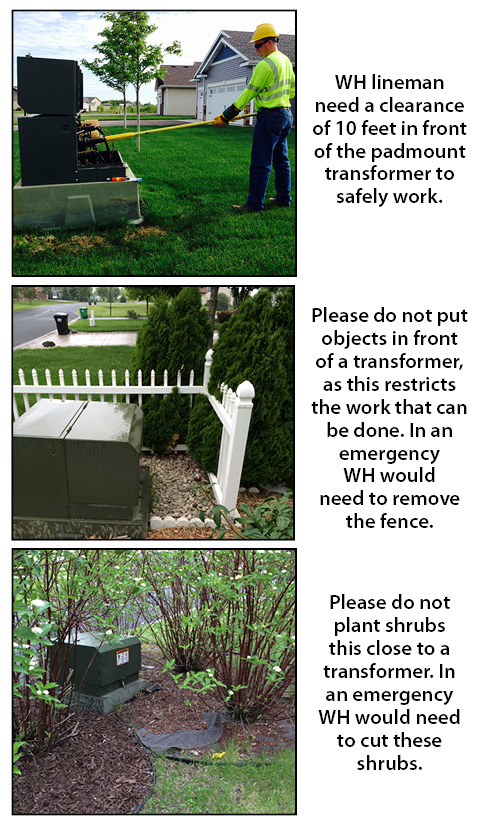
Image Source: www.whe.org
Why Setback Distances Matter: Safety First
The primary reason for establishing power line setback and utility box clearance rules is safety. Electrical equipment, especially that which handles high voltages, poses significant risks if tampered with or improperly accessed.
- Preventing Electrical Hazards: Fences, particularly metal ones, can conduct electricity. If a fence accidentally comes into contact with energized electrical equipment or a damaged power line, it can become a deadly conductor, posing a severe shock hazard to anyone who touches it. Even non-conductive fences can create a physical barrier that prevents emergency responders or utility workers from safely reaching the equipment in an emergency.
- Ensuring Access for Maintenance: Utility companies regularly need to access, inspect, maintain, and repair electrical equipment. This equipment includes outdoor electrical enclosure fence requirements that are often dictated by access needs. If a fence is too close, it can obstruct these vital operations. Imagine a fire or a major power outage; utility crews need immediate, unimpeded access to the transformer box fence setback or the main electric service entrance fence components to restore power or prevent further damage. A fence can be a significant impediment to their work.
- Protecting Equipment: Accidental damage to electrical boxes from lawnmowers, trimmers, or even casual contact can lead to expensive repairs, power outages, and potential safety risks. Setback distances help create a buffer zone to prevent such damage.
- Regulatory Compliance: Local building codes, national electrical codes (like the National Electrical Code or NEC in the US), and specific utility company regulations mandate these distances. Non-compliance can result in permit denials, mandatory fence relocation, and potential legal liabilities.
Deciphering Utility Box Types and Their Setback Needs
The term “power box” is a broad one. Different types of electrical enclosures have varying functions and, consequently, different utility cabinet fencing rules and setback requirements. It’s crucial to identify the specific type of box on your property.
1. The Power Meter Box
This is the box, usually mounted on the exterior of your house or a separate pole, that measures your electricity consumption.
- Function: Measures electricity used by the property.
- Proximity Concerns: While generally lower voltage than primary service equipment, meter boxes still require clear access. The power meter box fence distance is often less about extreme voltage shock and more about accessibility for meter reading and replacement. Obstructions can lead to estimated bills or difficulty in servicing.
- Typical Setback: While specific local codes vary, utility companies often require a clear path of at least 3 feet (approximately 0.9 meters) in front of the meter for access. Fences generally should not be placed directly against or in front of a meter box.
2. The Transformer Box (Pad-Mounted or Pole-Mounted)
These boxes are critical for stepping down high-voltage electricity from the grid to the usable voltage for homes and businesses. Pad-mounted transformers are often green metal boxes seen on the ground, while pole-mounted ones are the familiar larger boxes on utility poles.
- Function: Reduces high voltage to lower, usable voltage.
- Proximity Concerns: These are high-voltage equipment and pose a significant shock risk. The transformer box fence setback is paramount for safety and access. A fence too close could be energized if the transformer is damaged. Furthermore, utility workers need ample space to work around these units safely.
- Typical Setback: Setback distances for transformer boxes are typically more substantial. For pad-mounted transformers, a common requirement is a clear area around the unit, often extending 3 to 10 feet (0.9 to 3 meters) in all directions, depending on the size and voltage. Fences must be placed outside this critical safety zone. Always check with your local utility provider for their exact specifications.
3. The Electric Service Entrance Equipment
This refers to the main point where power enters your property from the utility lines and is often housed in a meter base and a main breaker panel.
- Function: The primary connection point and main distribution point for electricity entering the property.
- Proximity Concerns: This equipment controls the flow of electricity to your entire house. It requires unimpeded access for emergency shut-offs and maintenance. The electric service entrance fence placement needs to consider this.
- Typical Setback: While not always as extensive as transformer setbacks, there are still clearance requirements to ensure safe access. Typically, a clear working space in front of the service entrance panel is mandated by electrical codes, often around 3 feet.
4. Underground Utility Boxes
These are often seen as metal or plastic covers at ground level, indicating the location of underground electrical cables or junction points.
- Function: Protects and provides access to underground electrical conduits and connections.
- Proximity Concerns: While less visually imposing, these boxes house crucial underground connections. Driving or digging near them can damage the cables, leading to outages and costly repairs. The underground utility box fence placement needs to avoid these sensitive areas.
- Typical Setback: While specific distances can vary, it’s generally advisable to maintain a reasonable buffer zone, often at least a few feet, around these boxes to prevent accidental damage from excavation or equipment. Avoid building permanent structures like fences directly over them.
5. Generator Boxes/Enclosures
If you have a backup generator, its control panel or enclosure might also be considered an electrical box.
- Function: Houses and protects a backup generator and its controls.
- Proximity Concerns: Similar to other electrical equipment, generators and their associated enclosures require adequate ventilation and access for maintenance. The generator box fence clearance ensures these needs are met.
- Typical Setback: Consult the generator’s manual and local building codes for specific clearances. Generally, a few feet of clearance is recommended for ventilation and access.
Navigating the Rules: Who to Contact and What to Ask
Determining the exact fence setback requirements for electrical boxes on your property requires contacting the right authorities.
Your Local Utility Company: The Primary Source
Your electricity provider is the ultimate authority on their equipment and the required clearances. They have specific standards and protocols that all property owners must adhere to.
What to Ask Your Utility Company:
- “What is the required setback distance for a fence from [specific type of electrical box, e.g., pad-mounted transformer, meter box] located at my property address?”
- “Can you provide me with a diagram or document outlining your utility box clearance requirements for fencing?”
- “Are there any specific requirements for the type of fencing material when it’s near electrical equipment?”
- “Who is the best person to contact if I have further questions about fence placement near utility equipment?”
- “Does your company have specific rules for fence and electrical box proximity for underground utility boxes?”
Local Building Department or Permitting Office
Your local municipality or county will have building codes and zoning ordinances that may also dictate fence construction and setbacks, including those related to utility equipment.
What to Ask Your Local Building Department:
- “What are the general setback requirements for fences from property lines and utility easements?”
- “Are there specific codes related to fencing near electrical service entrances or transformer boxes?”
- “Do I need a permit to install a fence, and what documentation is required, especially if it’s near electrical equipment?”
- “Are there any specific rules regarding utility cabinet fencing rules in my area?”
Examining Easements and Property Surveys
When you purchased your property, you likely received a property survey. This document is invaluable as it often marks the location of utility easements – designated areas on your property that utility companies have the right to access for installing and maintaining their equipment.
- Utility Easements: These areas typically have strict rules about what can be built or placed within them. A fence might be prohibited entirely, or specific setback distances from the easement boundary will apply.
- Survey Diagrams: Review your survey to identify any marked utility boxes or underground conduit paths. This will give you a visual understanding of potential conflicts before you even start planning your fence.
Types of Fences and Their Proximity Implications
The material and design of your fence can also influence how close it can be to electrical equipment.
Metal Fences (Chain Link, Wrought Iron)
- Risks: Highly conductive. If they come into contact with energized equipment or downed power lines, they can become electrified, posing an extreme shock hazard.
- Setback Requirements: Typically require the largest setback distances to mitigate the risk of accidental contact and electrocution. The fence and electrical box proximity rules are strictest for metal fences.
Wooden Fences
- Risks: Non-conductive in their dry state. However, wood can become conductive when wet or damp, though the risk is generally lower than with metal. Rotting wood can also weaken the fence and make it more susceptible to falling onto equipment.
- Setback Requirements: While generally less stringent than for metal fences, setbacks are still necessary for access and to prevent physical contact.
Vinyl or Composite Fences
- Risks: Non-conductive materials.
- Setback Requirements: Similar to wooden fences, the primary concern is physical access and preventing accidental damage to the electrical equipment.
Planning Your Fence Project: Best Practices
To ensure a smooth and safe fence installation process when electrical boxes are a factor:
- Identify All Electrical Boxes: Walk your property and carefully identify every electrical box. Look for meter bases, transformer boxes (often green boxes on the ground or on poles), service disconnects, and any ground-level utility covers.
- Consult Your Utility Provider FIRST: Before drawing any plans or digging any holes, contact your local electric utility company. Get their specific requirements for utility box clearance for all identified equipment. This is the most crucial step.
- Review Your Property Survey: Locate any utility easements or marked underground lines.
- Obtain Local Permits: Check with your local building department about permit requirements for fence installation. They may have additional regulations or require you to submit plans for review.
- Mark Utility Lines: If you plan to dig for fence posts, always call 811 (in the US) or your local utility locating service before you dig. They will mark underground utilities for free, helping you avoid accidental damage to buried cables and underground utility box fence concerns.
- Hire Professionals: If you are unsure about navigating these regulations or the installation process, consider hiring a licensed fencing contractor who has experience working around utility equipment. They will be aware of the necessary power line setback and other crucial clearances.
- Consider Alternative Fence Locations: If the ideal fence line is too close to an electrical box, explore alternative routes that maintain the required safety and access clearances. Sometimes, a slight adjustment in the fence line can prevent significant problems.
- Fencing Around Equipment: In some cases, if local codes allow, you might be able to install a fence around an electrical box, but this requires specific clearances and often the use of specialized fencing materials and gate access for utility workers. This is particularly relevant for outdoor electrical enclosure fence scenarios where the enclosure itself might be the focus.
- Document Everything: Keep records of all communications with your utility company and local building department, as well as any permits or approvals.
Common Pitfalls to Avoid
- Assuming Standard Setbacks: Don’t rely on general online information. Setback rules vary significantly by utility provider and local jurisdiction.
- Ignoring Underground Lines: Many utilities are buried. Hitting one can be dangerous and expensive.
- Fencing Off Access Points: Never block the front or sides of electrical cabinets that require access for operation or maintenance.
- Building Too Close to Transformers: This is particularly dangerous due to high voltage. Always err on the side of caution and provide ample space.
- Failing to Call 811: This is a free service that can prevent catastrophic damage and injury.
Frequently Asked Questions (FAQ)
Q1: Can I put a fence in a utility easement?
A1: Generally, it is strongly discouraged or prohibited. Utility easements grant utility companies the right to access the land for their equipment. Building a fence within an easement can lead to its removal at your expense if the utility company needs to perform work. Always check the specific terms of your easement.
Q2: Who is responsible if my fence damages electrical equipment?
A2: Typically, the property owner is responsible for any damage caused by their fence or its improper placement. This can include the cost of repairs and any resulting power outages.
Q3: What if the electrical box is on my neighbor’s property but affects my fence line?
A3: You will still need to adhere to the utility company’s setback requirements. It’s advisable to speak with your neighbor and the utility company to ensure compliance and avoid potential disputes.
Q4: Can I put a gate in a fence that is near an electrical box?
A4: Gates are often necessary for utility access. If your fence is near an electrical box, ensure any gate provides clear and unobstructed access for utility personnel. The gate itself should not be placed in a way that impedes necessary clearances around the electrical equipment.
Q5: Are there specific rules for fencing around an underground utility box?
A5: While direct fencing over an underground box is usually not allowed, maintaining a clear zone around it is essential. Avoid placing heavy structures or engaging in digging activities within a few feet of the box to prevent damage to the buried cables. The underground utility box fence placement should prioritize protection of the buried infrastructure.
Q6: How do I find out which utility company services my area?
A6: Your electricity bill will clearly state the name of your utility provider. If you’re unsure, you can also ask a neighbor or check your local government’s website for utility service providers in your municipality.
Conclusion
Installing a yard fence is an exciting property improvement, but it requires careful planning, especially when electrical infrastructure is involved. The question of how close can you put your yard fence to the power box is best answered by prioritizing safety and compliance. Always start by contacting your local utility company, reviewing your property survey, and adhering to all local building codes. By respecting the necessary power line setback and utility box clearance requirements, you can ensure your fence is not only aesthetically pleasing and functional but also safe for yourself, your community, and the utility workers who maintain our power supply. Remember, a little due diligence upfront can save a lot of trouble, expense, and potential danger down the line.