
Wondering about the lawn aerator rental cost? You can typically expect to pay anywhere from $50 to $150 per day to rent a lawn aerator, with half-day rentals available for around $30 to $80. The exact aerator machine hire price depends on the type of aerator, your location, the rental duration, and any additional fees.
A healthy, vibrant lawn isn’t just about regular mowing and watering. It’s about allowing your grass to breathe and access the nutrients it needs to thrive. This is where a lawn aerator comes in. These machines, also known as core aerators or spike aerators, are essential tools for combating soil compaction and improving your lawn’s overall health. But before you rush out to buy one, have you considered renting? Renting a lawn aerator is often the most cost-effective solution for homeowners who only need the equipment occasionally.
This comprehensive guide will delve into everything you need to know about lawn aerator rental cost, helping you make informed decisions and get the best value for your money. We’ll explore the factors influencing rental prices, compare different types of aerators, discuss where to find the best deals, and offer tips for a successful rental experience.
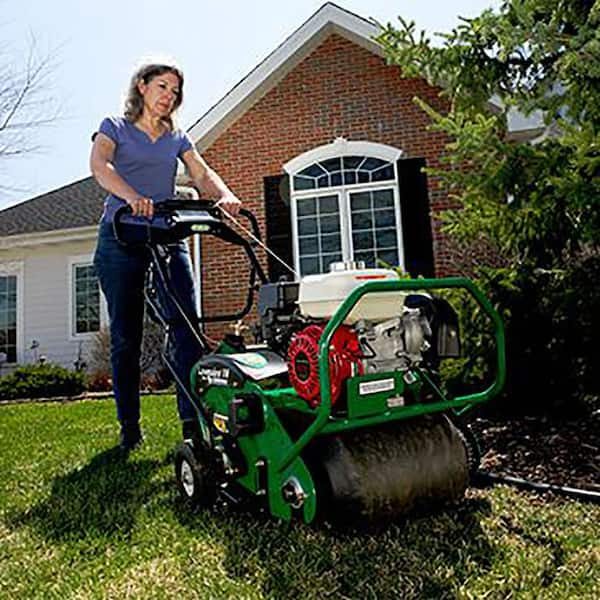
Image Source: images.thdstatic.com
Deciphering the Factors Influencing Lawn Aerator Rental Costs
Several key elements contribute to the final lawn aerator rental cost. Knowing these can help you budget effectively and find the most affordable option for your needs.
Type of Aerator
There are generally two main types of aerators available for rent:
- Core Aerators: These machines pull out small plugs or cores of soil, creating holes that are deeper and wider than spike aerators. This method is more effective for severely compacted soil and allows for better air, water, and nutrient penetration.
- Rental Cost: Core aerators tend to be more powerful and complex, so their price to rent lawn equipment is usually higher. Expect to pay between $75 and $150 for a daily rental.
- Spike Aerators: These aerators use solid tines to poke holes into the soil without removing it. They are generally lighter and easier to maneuver than core aerators but are less effective on heavily compacted soil.
- Rental Cost: Spike aerators are typically less expensive to rent, often falling in the $50 to $100 range for a daily rental.
Rental Duration
The longer you keep the aerator, the more you’ll pay. Most rental companies offer:
- Half-Day Rentals: Suitable for smaller lawns or if you plan to work quickly.
- Full-Day Rentals: The most common option, providing ample time for most residential lawns.
- Weekend Rentals: Often a package deal that covers Saturday and Sunday.
- Weekly Rentals: For larger properties or those who prefer a more relaxed pace.
The daily rate is usually the most economical for a single use. Weekend or weekly rates might offer a slight discount per day, but only if you truly need the extended time. Always calculate the total cost to see which option is best.
Location and Rental Company
Equipment rental prices for aerator can vary significantly depending on your geographic location and the specific rental company. Major metropolitan areas might have higher rental rates due to increased demand and operating costs compared to rural areas. Different rental companies also have their own pricing structures and competitor strategies.
Additional Fees and Services
Be aware of potential extra costs:
- Delivery and Pickup: If you don’t have a way to transport the aerator, delivery fees can add to the overall lawn aerator hire cost.
- Fuel: Most rental machines come with a full tank, but you’ll need to return it with a full tank, or the company will charge you for refueling.
- Damage Waivers: Some companies offer optional damage waivers for a small daily fee. This can protect you from paying for accidental damage to the equipment.
- Deposit: A security deposit is usually required and is refunded upon the safe return of the equipment.
Getting the Best Lawn Aerator Rental Cost: Your Guide to Savings
Maximizing your savings on a lawn aerator rental cost involves a bit of research and strategic planning. Here’s how to ensure you’re getting the best value.
Compare Prices from Multiple Rental Companies
This is the most crucial step. Don’t settle for the first rental shop you find. Explore:
- Local Equipment Rental Stores: These are often the best bet for specialized lawn care equipment.
- Big Box Home Improvement Stores: Stores like Home Depot and Lowe’s often have rental departments with a good selection of lawn care tools.
- Online Rental Platforms: Websites that aggregate rental equipment from various providers can be a great way to compare grass aerator rental rates quickly.
When comparing, ensure you’re looking at like-for-like equipment. A commercial-grade aerator will naturally cost more than a lighter-duty residential model.
Consider the Type of Aerator Needed
As discussed, core aerators are more expensive to rent than spike aerators. Assess your lawn’s needs:
- Is your soil heavily compacted? If you have clay soil, areas with heavy foot traffic, or notice standing water after rain, a core aerator is likely necessary.
- Is the compaction minor? For lighter compaction, a spike aerator might suffice and offer a lower aerator machine hire price.
For many homeowners dealing with moderate compaction, a core aerator is the superior choice for long-term lawn health, even if the initial rental cost is higher. The improved aeration benefits will outweigh the rental difference.
Look for Off-Season Deals or Package Deals
While aeration is typically done in spring and fall, you might find slightly lower price to rent lawn equipment during the shoulder seasons. Some rental companies might also offer discounts if you rent multiple pieces of equipment (e.g., an aerator and a dethatcher).
Read Reviews and Check Equipment Condition
Before committing, check online reviews for the rental company. Look for comments about the condition of their equipment. Renting well-maintained machinery can prevent downtime and frustration. A poorly maintained aerator might break down, costing you more in the long run if you have to extend the rental period or hire a replacement.
Ask About Member Discounts or Loyalty Programs
Some rental companies offer discounts to members of professional landscaping associations or have loyalty programs for repeat customers. It doesn’t hurt to ask!
Understanding the Price of Renting a Dethatcher
While you’re focused on aeration, it’s worth noting that dethatching is another beneficial lawn care practice. You might consider combining these tasks. The cost of renting a dethatcher typically ranges from $40 to $100 per day. Like aerators, dethatcher rental prices depend on the type (powered versus manual), the rental duration, and the rental company.
A power dethatcher, which uses rotating tines or flails to remove thatch, will generally be more expensive than a manual dethatcher. If you plan to rent both, inquire about package deals to potentially reduce your overall equipment rental prices for aerator and dethatcher.
Sod Aerator Rental Price: A Specialized Consideration
While not as common for homeowners, if you’re working with new sod or very delicate turf, you might encounter specialized aerators like sod aerator rental price. These are designed to be less disruptive. The sod aerator rental price might be similar to or slightly higher than standard core aerators, depending on their specific design and intended use. It’s always best to clarify with the rental company what type of aerator you need for your specific project.
How Much to Rent Turf Aerator?
When searching for how much to rent turf aerator, you’ll find prices largely align with the core aerator rates discussed earlier. The term “turf aerator” is often used interchangeably with “lawn aerator,” especially for the more robust core aerating machines that are best suited for established turf. So, the $75-$150 daily range for a core aerator is a good benchmark for renting a turf aerator.
The Benefits of Renting vs. Buying a Lawn Aerator
For most homeowners, renting a lawn aerator is the more practical and economical choice. Let’s look at why:
Cost-Effectiveness
- Purchase Price: A decent homeowner-grade core aerator can cost anywhere from $500 to $1,500 or more. Commercial-grade machines are significantly more expensive.
- Storage: Aerators are bulky. Do you have a place to store it year-round?
- Maintenance: Like any machinery, aerators require maintenance – oil changes, spark plug replacements, and occasional repairs. These costs add up.
- Frequency of Use: Most lawns only need aeration once or twice a year. The infrequent use makes the initial investment hard to justify.
Convenience
- No Storage Hassles: You rent it when you need it, and return it when you’re done.
- Latest Models: Rental companies often update their fleet, meaning you might get to use a newer, more efficient model than you could afford to buy.
- Less Worry About Repairs: If the rented aerator breaks down, the rental company is responsible for fixing it or providing a replacement.
Trying Before Buying
If you’re contemplating buying an aerator, renting one first is a great way to see if you like using it and if it makes a noticeable difference in your lawn before committing to a purchase.
How to Use a Rented Lawn Aerator Safely and Effectively
Renting an aerator is only half the battle; using it correctly is essential for achieving the best results and ensuring your safety.
Pre-Aeration Checks
- Water the Lawn: Water your lawn lightly 24-48 hours before aerating. This helps the machine penetrate the soil more easily. Avoid aerating a waterlogged lawn, as this can cause more damage.
- Mow the Lawn: Mow your grass to about 2-3 inches. Shorter grass allows the aerator to work more efficiently and makes it easier to collect the soil cores.
- Clear the Area: Remove any rocks, branches, toys, or other debris from the lawn that could damage the aerator or become projectiles.
- Call 811: Before you dig, always call 811 to have underground utility lines marked. This is crucial for your safety and to avoid costly damage.
During Aeration
- Read the Manual: Familiarize yourself with the specific model you’ve rented.
- Start Slow: Begin at a moderate pace to get a feel for the machine’s weight and handling.
- Overlap Passes: Overlap your passes by a few inches to ensure thorough coverage.
- Aeration Pattern: Aerate in one direction across the lawn, then turn 90 degrees and aerate in the other direction. This ensures even aeration.
- Watch for Obstacles: Be mindful of sprinkler heads, tree roots, or other underground obstacles.
Post-Aeration Care
- Leave the Cores: Allow the soil cores to dry on the surface for a day or two. They will naturally break down and return valuable nutrients to the soil. You can lightly rake them to speed up this process if desired.
- Fertilize and Overseed: This is the ideal time to apply fertilizer and overseed your lawn, as the open holes allow these materials to reach the root zone.
- Water: Water your lawn thoroughly after applying any treatments.
Typical Lawn Aerator Rental Costs at Major Retailers
To give you a clearer picture, here are some approximate average aerator rental cost figures you might encounter. Keep in mind these are estimates and can vary greatly.
| Rental Company | Aerator Type | Daily Rental Cost (Approx.) | Notes |
|---|---|---|---|
| Home Depot | Core Aerator | $80 – $120 | Often have various models available. |
| Lowe’s | Core Aerator | $75 – $110 | Check for availability in your local store. |
| Local Equipment Rental | Core Aerator | $70 – $150+ | May offer half-day rates, delivery options. |
| Local Equipment Rental | Spike Aerator | $50 – $90 | Less common, but available in some areas. |
| Online Rental Platforms | Varies (Core/Spike) | $60 – $130 | Price depends on the specific provider. |
These figures are for daily rentals and do not include potential delivery fees, fuel charges, or damage waivers. Always confirm the exact grass aerator rental rates with the specific company you plan to use.
When to Aerate Your Lawn
Timing is crucial for successful aeration. The best times to aerate depend on your grass type:
- Cool-Season Grasses (Fescue, Ryegrass, Kentucky Bluegrass):
- Spring: After the grass has greened up but before the summer heat sets in (late March to May).
- Fall: When the grass is still actively growing but the heat has subsided (September to November). Fall is often considered the ideal time for cool-season grasses as it allows for good recovery and overseeding.
- Warm-Season Grasses (Bermuda, Zoysia, St. Augustine):
- Late Spring to Summer: When the grass is actively growing and can recover quickly from the stress of aeration (late May to August).
Avoid aerating during periods of extreme heat, drought, or when the grass is dormant.
Frequently Asked Questions About Lawn Aerator Rentals
Here are some common questions people have when looking to rent a lawn aerator:
Q1: What is the average aerator rental cost for a half-day?
A1: A half-day rental for a lawn aerator typically ranges from $30 to $80. This is a good option for smaller lawns or if you’re confident you can complete the job within a few hours.
Q2: Do I need a special license or experience to rent a lawn aerator?
A2: Generally, no. Lawn aerators are considered user-friendly equipment, and most rental companies will provide a brief overview of operation. However, it’s always wise to be physically capable of operating such machinery safely.
Q3: Can I rent a tow-behind aerator?
A3: Yes, tow-behind aerators are available for rent. These are designed to be pulled by a riding mower or tractor. The lawn aerator hire cost for tow-behind models might be slightly higher due to their size and power, but they can cover larger areas more efficiently.
Q4: What is the difference between core aeration and spike aeration?
A4: Core aeration pulls out plugs of soil, creating deeper holes that are ideal for compacted soil. Spike aeration simply punches holes into the soil without removing material. Core aeration is generally more effective for improving soil structure and drainage.
Q5: When should I aerate my lawn?
A5: The best time to aerate depends on your grass type. For cool-season grasses, aerate in early spring or fall. For warm-season grasses, aerate in late spring or summer when they are actively growing.
Q6: How often should I aerate my lawn?
A6: Most lawns benefit from aeration once a year, especially if they experience heavy traffic or have clay soil. Some lawns may only need it every 2-3 years.
Q7: What if the rental aerator breaks down?
A7: If the equipment malfunctions due to no fault of your own, contact the rental company immediately. They will typically arrange for a repair or replacement. If the damage is due to misuse, you may be responsible for repair costs.
Q8: Are there any alternatives to renting an aerator?
A8: For very small lawns, manual spike aerators (which you can often purchase relatively cheaply) might be an option, but they are very labor-intensive. For most situations, renting a powered aerator is the most practical and efficient solution.
By following these guidelines and doing your research, you can confidently rent a lawn aerator at a price that fits your budget and contribute to a healthier, more beautiful lawn. Happy aerating!