
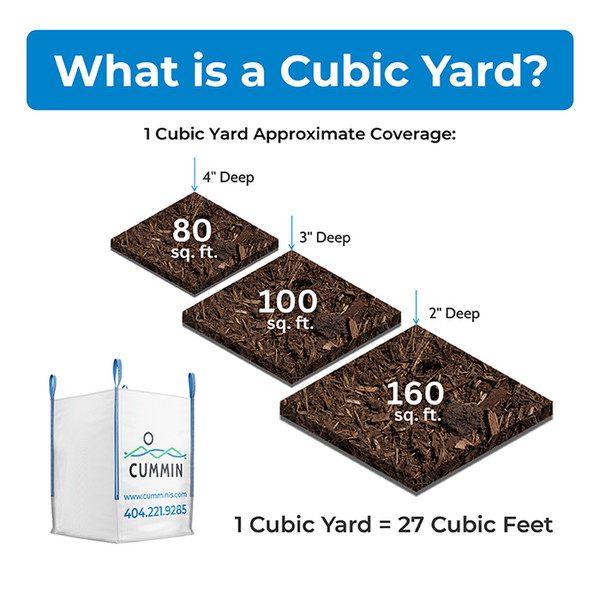
Image Source: www.cumminlandscapesupply.com
Pea Gravel Prices: How Much Is A Yard Of Pea Gravel?
So, how much is a yard of pea gravel? Typically, you can expect to pay anywhere from $20 to $70 per cubic yard for pea gravel, though this can vary based on location, quality, and whether you buy it in bulk. This guide will delve deeper into the factors influencing pea gravel cost per cubic yard and help you figure out the cost of pea gravel per yard for your specific needs. We’ll explore the price of pea gravel, answer how much does pea gravel cost, and even touch on using a pea gravel calculator to estimate your project’s expenses.
Pea gravel is a popular choice for many landscaping and construction projects. Its smooth, rounded stones and natural appearance make it versatile for everything from garden pathways and patios to drainage solutions and decorative ground cover. But before you start planning your next outdoor project, it’s crucial to get a clear picture of the costs involved. This comprehensive breakdown will equip you with the knowledge to make informed decisions and stay within your budget.
Fathoming the Cost: Factors Affecting Pea Gravel Prices
The price of pea gravel isn’t a fixed number. Several elements play a significant role in determining how much you’ll spend on a cubic yard. Let’s break down these key factors:
Location, Location, Location
The geographic region where you purchase pea gravel has a substantial impact on its price. Areas with higher demand or closer proximity to gravel quarries may offer more competitive pricing. Conversely, if you live in a region where gravel extraction is less common, or if transportation costs are high due to distance, you might find yourself paying more. Local market conditions, including the availability of labor and fuel prices, also contribute to regional price differences.
Quality and Type of Pea Gravel
While the term “pea gravel” generally refers to small, rounded stones, there can be variations in quality and specific types.
- Color: Pea gravel comes in a range of natural colors, including tans, grays, whites, and sometimes even earthy reds or browns. More unique or sought-after colors might carry a slightly higher price tag.
- Size Consistency: While “pea” implies a small size, the consistency of the stone size can vary. More uniformly sized gravel might be more expensive than a mix with a broader range of sizes.
- Washed vs. Unwashed: Washed pea gravel has been cleaned to remove dust and fine particles, resulting in a cleaner, more appealing look, especially for decorative purposes. This cleaning process adds to the overall cost of pea gravel per yard. Unwashed gravel, while cheaper, may contain more fines and can be dustier.
Bulk Pricing vs. Bagged Gravel
The way you purchase pea gravel significantly affects the yard of gravel price.
- Bulk Delivery: Buying pea gravel by the cubic yard in bulk from a local landscape supplier or quarry is generally the most cost-effective option. This is often referred to as pea gravel bulk pricing. When you buy in bulk, you’re essentially cutting out the middleman and paying for the raw material and delivery.
- Bagged Gravel: Pea gravel sold in bags at garden centers or big-box home improvement stores is convenient for smaller projects, but it comes at a premium. The convenience of pre-portioned bags, handling, and packaging increases the price per pound or per bag. While you might see a bag priced lower than a cubic yard, when you calculate the equivalent volume, bagged gravel is almost always more expensive.
Delivery Fees
If you’re buying in bulk, delivery charges are a critical component of the cost to buy pea gravel. These fees can vary based on:
- Distance: The further the delivery location is from the supplier, the higher the delivery fee will likely be.
- Delivery Vehicle: The type of truck used for delivery might also influence the cost.
- Volume: Some suppliers might offer tiered delivery fees based on the quantity ordered.
It’s essential to inquire about delivery charges upfront to get an accurate total cost.
Additional Costs to Consider
Beyond the price of the gravel itself and delivery, other expenses might be involved:
- Site Preparation: Depending on your project, you might need to prepare the area by excavating, leveling, or adding a base material like crushed stone.
- Weed Barrier Fabric: For pathways and garden beds, installing a weed barrier fabric underneath the pea gravel is highly recommended to prevent weed growth and keep the gravel from mixing with the soil. This adds to the overall landscaping gravel cost.
- Edging: To contain the pea gravel and provide a clean finish, you might need to install edging materials.
- Tools and Equipment: For larger projects, you might need to rent equipment like a wheelbarrow, shovel, or compactor.
Deciphering the Numbers: Typical Pea Gravel Costs
To give you a clearer idea, let’s look at some average cost ranges. Remember, these are estimates, and actual prices will vary:
Table 1: Average Pea Gravel Costs
| Purchase Method | Price Range per Cubic Yard | Notes |
|---|---|---|
| Bulk Delivery | $20 – $70 | Most cost-effective for larger projects. Includes material & sometimes delivery. |
| Bagged (Small Bag) | $5 – $10 per 50lb bag | Convenient for small projects, but more expensive per unit volume. |
| Bagged (Large Bag) | $15 – $30 per 100lb bag | Larger bags offer slightly better value than small bags, but still pricier. |
Important Note on Bagged Gravel: A cubic yard of pea gravel is approximately 2000-2700 pounds, depending on the density of the stone. If a bag contains 50 pounds of gravel, you would need roughly 40-54 bags to equal one cubic yard. This clearly illustrates why bagged gravel is significantly more expensive for larger quantities.
How Much Gravel Do You Need? Using a Pea Gravel Calculator
One of the best ways to accurately estimate your pea gravel cost per yard is to use a pea gravel calculator. These online tools are designed to help you determine the volume of gravel needed for your project. Generally, you’ll need to input:
- The length of the area
- The width of the area
- The desired depth of the gravel (commonly 2-4 inches for pathways and decorative use)
The calculator will then convert these measurements into cubic yards. For instance, if you’re creating a pathway that’s 10 feet long, 3 feet wide, and you want a 3-inch (0.25 feet) layer of pea gravel, the calculation would be:
Length × Width × Depth = Volume
10 ft × 3 ft × 0.25 ft = 7.5 cubic feet
Since there are 27 cubic feet in a cubic yard (3 ft × 3 ft × 3 ft), you would divide your cubic feet by 27:
7.5 cubic feet / 27 cubic feet/yard ≈ 0.28 cubic yards
It’s always a good idea to round up to the nearest half or full yard to account for settling and potential waste. So, for this example, you’d likely order 0.5 cubic yards of pea gravel.
Once you have your required volume, you can then multiply it by the pea gravel cost per yard from your chosen supplier to get your estimated material cost. Don’t forget to add any delivery fees!
Finding the Cheapest Pea Gravel
If budget is your primary concern, and you’re looking for the cheapest pea gravel, here are some strategies:
- Shop Around Locally: Contact multiple landscape supply yards, quarries, and even large garden centers in your area. Compare their prices for bulk delivery.
- Consider Off-Season Purchases: Sometimes, you might find better deals on landscaping materials during the off-season when demand is lower.
- Look for Sales or Promotions: Keep an eye out for seasonal sales or special offers from suppliers.
- Buy in Larger Quantities: If your project requires more than a few cubic yards, you might be able to negotiate a slightly better pea gravel bulk pricing.
- Factor in Delivery Costs: The absolute cheapest yard of gravel price might not be the best deal if delivery fees are exorbitant. Calculate the total cost, including delivery, from different suppliers.
- Consider Local Quarries: Direct from a quarry can sometimes yield the best prices, especially for very large orders, but ensure they deliver to your location and that the quality meets your needs.
Comparing Landscaping Gravel Costs
Pea gravel is just one type of landscaping gravel. It’s helpful to compare its landscaping gravel cost with other popular options to ensure it’s the right choice for your project and budget.
- Crushed Stone (e.g., 3/4″ Minus): This is generally cheaper than pea gravel. It’s angular, which makes it compact well and is often used as a base layer for driveways, patios, or as a sub-base for pathways. Its rough texture isn’t as comfortable for walking as pea gravel.
- River Rock: Similar in shape and size to pea gravel, river rock can sometimes be more expensive due to its natural, rounded appearance and the effort involved in sourcing and processing it.
- Decomposed Granite: This material breaks down over time into a fine, dust-like consistency. It compacts well and can create a natural, earthy look, often used for pathways. Its price can be comparable to or slightly higher than pea gravel, depending on availability and color.
- Gravel with Fines: This is essentially crushed stone that hasn’t been screened as thoroughly, meaning it contains more small particles and dust. It’s often the cheapest gravel option but can be very dusty when dry and muddy when wet, making it less ideal for high-traffic pedestrian areas.
When evaluating landscaping gravel cost, consider not only the initial price but also the longevity, maintenance requirements, and aesthetic appeal of each material for your specific application.
Pea Gravel Applications: More Than Just Aesthetics
While the attractive, smooth appearance of pea gravel makes it a favorite for decorative landscaping, its uses extend beyond pure aesthetics.
Pathways and Patios
Pea gravel is a classic choice for creating charming garden paths and casual patios. Its rounded stones provide a comfortable surface underfoot (though it’s not ideal for high heels or rolling furniture). Proper installation with a weed barrier and edging is crucial for longevity and a neat appearance.
Drainage Solutions
The gaps between the rounded stones allow water to pass through easily. This makes pea gravel an excellent material for:
- French Drains: Used around foundations or in soggy areas to collect and redirect water.
- Rain Gardens: Helping to absorb and filter rainwater runoff.
- Drainage Ditches: Preventing water buildup in specific areas.
Decorative Ground Cover
In garden beds and around trees, pea gravel can serve as a mulch alternative. It helps suppress weeds, retain some soil moisture, and provides a clean, finished look. It’s particularly well-suited for xeriscaping or drought-tolerant gardens.
Play Areas
Some playgrounds use pea gravel as a soft, shock-absorbent surface for children’s play areas, though safety regulations and specific playground surfacing standards should always be consulted.
Driveways and Parking Areas
While less common for heavy-traffic driveways than crushed stone due to its tendency to shift, pea gravel can be used for low-traffic driveways or decorative parking areas. It provides a more natural look than asphalt or concrete.
Installation Tips for Pea Gravel Projects
To ensure your pea gravel project looks great and lasts, follow these installation tips:
1. Plan Your Layout
Mark out the area you want to cover. Consider the depth of gravel needed – typically 2-4 inches for most landscaping applications.
2. Prepare the Site
- Clear the Area: Remove all grass, weeds, rocks, and debris from the designated area.
- Excavate (if necessary): For pathways and patios, you might need to excavate the soil to the desired depth to accommodate the gravel and any base layers.
- Level the Ground: Ensure the base is as level as possible. This will make spreading the gravel easier and create a more even surface.
- Install Edging: This is crucial for containing the gravel and preventing it from spreading into surrounding areas. Options include landscape timbers, metal edging, plastic edging, or brick.
3. Install a Weed Barrier Fabric
Lay down a high-quality landscape fabric over the entire prepared area. This fabric allows water to pass through but prevents weeds from growing up from the soil below and stops the gravel from sinking into the subsoil. Overlap the edges of the fabric by at least 6 inches.
4. Add a Base Layer (Optional but Recommended for High-Traffic Areas)
For pathways, patios, or driveways that will see significant foot traffic or occasional vehicle use, adding a layer of crushed stone or gravel base (like 3/4″ minus) beneath the pea gravel can provide extra stability and better drainage. Compact this base layer thoroughly.
5. Spread the Pea Gravel
Once the weed barrier (and base layer, if used) is in place, begin spreading the pea gravel. Use a shovel and rake to distribute it evenly across the area to your desired depth. For larger areas, a wheelbarrow is essential for transport.
6. Rake and Level
Use a garden rake to spread the gravel evenly and remove any larger clumps or debris. For a smooth finish, you might use a screeding board or a mechanical tamper to compact the surface slightly, especially in seating areas.
7. Final Touches
Clean up any stray gravel from surrounding areas. Ensure the edging is secure.
Frequently Asked Questions About Pea Gravel
Q1: What is the difference between pea gravel and river rock?
A: Both pea gravel and river rock are smooth, rounded stones. The primary difference is often in their origin and color. Pea gravel is typically sourced from various geological deposits and can come in a wider range of colors, often in shades of tan, gray, and white. River rock is specifically collected from riverbeds, and its appearance is shaped by the constant tumbling action of water, often resulting in more muted, earthy tones and sometimes unique color patterns. In terms of landscaping gravel cost, river rock can sometimes be more expensive due to sourcing and processing.
Q2: Can I use pea gravel for a dog run?
A: Yes, pea gravel can be a suitable material for a dog run, provided it’s installed correctly. Its porous nature helps with drainage, reducing mud. However, it’s crucial to:
* Use washed pea gravel to minimize dust.
* Install a robust weed barrier underneath to prevent weeds from growing through.
* Be aware that some dogs may try to eat the small stones, which can be a choking hazard or cause digestive issues. Closely supervise your pets.
* Clean up after your pets regularly to maintain hygiene and prevent odors.
Q3: How do I calculate how much pea gravel I need for a 10×10 patio?
A: To calculate the amount of pea gravel for a 10×10 patio, you first need to decide on the desired depth. Let’s assume a 3-inch depth.
* Convert inches to feet: 3 inches = 0.25 feet.
* Calculate the volume in cubic feet: 10 ft (length) × 10 ft (width) × 0.25 ft (depth) = 25 cubic feet.
* Convert cubic feet to cubic yards: There are 27 cubic feet in 1 cubic yard. So, 25 cubic feet / 27 cubic feet/yard ≈ 0.93 cubic yards.
* It’s always best to round up, so you would likely need to purchase 1 cubic yard of pea gravel for your 10×10 patio. Use a pea gravel calculator for more precise estimations.
Q4: Is pea gravel good for drainage?
A: Yes, pea gravel is excellent for drainage. The rounded shape of the stones creates small voids between them, allowing water to flow through freely. This makes it ideal for applications like French drains, around drainage pipes, and in areas prone to waterlogging.
Q5: What’s the difference between buying pea gravel by the bag versus by the yard?
A: Buying pea gravel by the bag is convenient for small projects but is significantly more expensive per unit volume. A cubic yard is a much larger quantity, typically delivered in bulk by a truck. Purchasing by the yard is the most economical way to buy pea gravel for larger projects, as you avoid the costs associated with packaging and individual handling. When comparing pea gravel prices, always consider the total volume you’re getting for your money.
Q6: Who sells the cheapest pea gravel?
A: The cheapest pea gravel is usually found at local landscape supply yards or quarries that sell in bulk. Big-box home improvement stores and garden centers often sell bagged gravel, which is more expensive. To find the best price, you’ll need to compare the cost of pea gravel per yard from several local suppliers, including their delivery fees.
Q7: How deep should I lay pea gravel for a pathway?
A: For a garden pathway, a depth of 2 to 4 inches of pea gravel is typically recommended. A shallower depth might not provide enough coverage, while a deeper layer can make walking more difficult and requires more material, increasing the yard of gravel price for the project.
By thoroughly researching prices, understanding the factors that influence them, and using tools like a pea gravel calculator, you can effectively budget for and execute your next landscaping project with confidence.