
Can you keep mice out of your garden naturally? Yes, you absolutely can! By implementing a combination of physical barriers, natural repellents, and smart gardening practices, you can effectively protect your plants and prevent mouse infestations in your vegetable patch and flower beds.
Mice, while small, can cause significant damage to a garden. They nibble on seedlings, gnaw at roots, and feast on fruits and vegetables, turning your gardening haven into a buffet. Dealing with these persistent pests can be frustrating, but there are many effective, natural, and humane mouse control methods you can employ. This guide will walk you through proven strategies for garden mouse proofing, keeping mice away from flowers, deterring mice from plants, and implementing robust garden pest control.
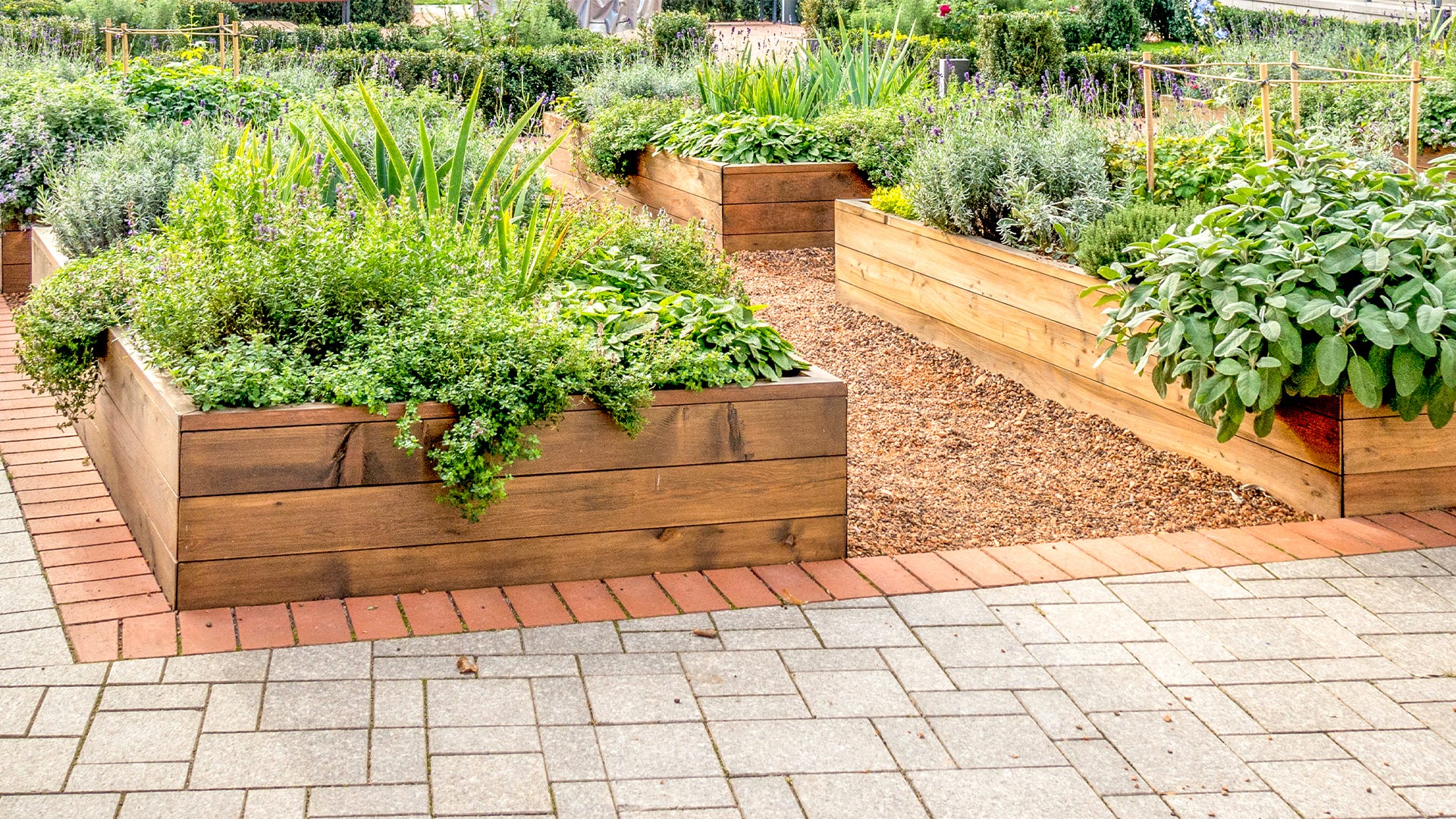
Image Source: www.victorpest.com
Recognizing the Signs of a Mouse Problem
Before you can effectively keep mice out of your garden, it’s important to know if you have a problem. Look for these common signs:
- Gnawed plants: Look for damaged leaves, stems, or fruits. Mice often leave small, incisor-like bite marks.
- Holes in the ground: Mice create small burrows and runways. You might see tiny holes in the soil, especially around the base of plants.
- Droppings: Mouse droppings are small, dark, and pellet-shaped, often found along runways or near food sources.
- Chewed debris: Mice may chew through mulch, roots, or even plastic plant protectors.
- Tracks in soft soil: In damp soil, you might see tiny footprints.
Natural Mouse Repellents: What Smells Do Mice Dislike?
Mice have a keen sense of smell, and certain strong scents can be highly effective as natural mouse repellents. These natural mouse deterrents work by overwhelming their senses, making your garden an unpleasant place to visit.
Strong-Smelling Plants
Certain plants naturally deter mice. Planting these strategically around your garden can help keep them at bay.
- Mint: Varieties like peppermint and spearmint have a strong scent that mice strongly dislike. Plant mint around the edges of your garden beds or in pots near vulnerable plants.
- Lavender: The fragrant aroma of lavender is pleasant to humans but off-putting to mice.
- Onions and Garlic: The pungent smell of these alliums is a powerful natural mouse deterrent. You can plant them directly in the garden or scatter crushed garlic or onion skins.
- Rosemary: This aromatic herb is another favorite among gardeners for its pest-repelling qualities.
- Marigolds: While popular for their beauty, marigolds also emit a scent that many pests, including mice, find unpleasant.
Essential Oils
Concentrated essential oils can be very effective. You can apply them in a few ways:
- Cotton Balls: Soak cotton balls in essential oils like peppermint, eucalyptus, or tea tree oil. Place these cotton balls around the perimeter of your garden and near plants you want to protect. Refresh them every few days as the scent fades.
- Sprays: Mix a few drops of essential oil with water and a small amount of mild soap (like castile soap) to help the oil disperse. Spray this mixture around your garden beds. Be sure to test on a small area first to ensure it doesn’t harm your plants.
- Oils to Consider:
- Peppermint oil
- Eucalyptus oil
- Tea tree oil
- Citronella oil
- Clove oil
Other Natural Scents
- Cayenne Pepper: Mice dislike the heat of cayenne pepper. Sprinkle it around the base of plants. You may need to reapply after rain.
- Cloves: The strong scent of whole cloves or ground cloves can deter mice. Scatter them around your garden.
- Ammonia: The smell of ammonia is often associated with predators and can scare mice. Soak rags in ammonia and place them in small, open containers around your garden. Be cautious with ammonia, as its fumes can be strong, and keep it away from pets and children.
Physical Barriers: Mouse Exclusion Tactics
When natural repellents aren’t enough, creating physical barriers is an excellent way to achieve mouse exclusion. These methods physically prevent mice from reaching your plants.
Garden Mouse Proofing Your Beds
- Hardware Cloth: This is a woven wire mesh with small openings, typically 1/4 inch or 1/2 inch. You can use it to create barriers around your entire garden or individual beds.
- How to Use: Bury the hardware cloth at least 6 inches into the ground and extend it at least 1-2 feet above the soil surface. Bend the top 6 inches outward at a 90-degree angle to create an “outward-facing lip,” making it harder for mice to climb over. Secure it with stakes or landscape pins.
- Wire Cages: For individual plants, especially seedlings or vulnerable vegetables like young carrots, create small cages from hardware cloth. Place the cage around the plant and secure it to the ground. This is a great way to protect young plants as they establish themselves.
- Raised Beds: While not a complete solution on their own, raised garden beds can make it more difficult for mice to access your plants. Ensure the base of your raised bed is also protected with hardware cloth if mice are a significant problem.
Protecting Specific Plants
- Seedlings: Young seedlings are particularly vulnerable. Consider using larger plant protectors made from hardware cloth or plastic cloches with ventilation holes to keep mice away from delicate plants.
- Fruits and Vegetables: Once fruits and vegetables begin to grow, they become prime targets. Covering fruit-bearing bushes or low-hanging branches with fine-mesh netting can be effective. Ensure the netting is secured to the ground to prevent mice from burrowing underneath.
Habitat Modification: Making Your Garden Less Appealing
Mice seek out gardens for food, water, and shelter. By altering your garden’s environment, you can make it a less attractive place for them to live.
Eliminating Food Sources
- Cleanliness is Key: Remove fallen fruits and vegetables from your garden promptly. Don’t leave them to rot, as this provides an easy food source.
- Secure Compost Bins: If you compost, ensure your compost bin is rodent-proof. Tumbler composters or bins with tight-fitting lids and rodent-resistant mesh are ideal.
- Bird Feeders: Bird feeders can attract mice. If you use them, consider placing them away from your garden, cleaning up spilled seed regularly, and using baffles to prevent access. Squirrel-proof feeders are often also mouse-resistant.
- Pet Food: Never leave pet food outdoors, especially overnight, as it’s a significant attractant.
Removing Shelter and Hiding Places
- Tidy Up: Keep your garden tidy. Remove piles of leaves, debris, woodpiles, and overgrown vegetation, especially near your garden beds. These are ideal nesting sites for mice.
- Trim Overhanging Branches: Branches that extend over your garden can provide access routes for mice. Trim them back.
- Mulch Wisely: While mulch is beneficial for soil health, thick, deep mulch can provide cover for mice. Keep mulch away from the immediate base of plants and consider using finer mulch materials that offer less cover.
Humane Mouse Control Methods
For those who prefer not to harm the mice, humane mouse control is an excellent option. These methods focus on relocating or deterring them without causing injury.
Live Trapping
Live traps, often made of metal or plastic, capture mice without harming them.
- How to Use: Place live traps along known mouse runways or near signs of activity. Bait the traps with peanut butter, seeds, or small pieces of fruit. Check the traps regularly (at least once or twice a day).
- Relocation: Once a mouse is caught, it’s crucial to relocate it a significant distance from your home and garden (at least a mile, preferably more) to prevent it from returning. Choose a suitable habitat for the mouse, such as a wooded area.
Ultrasonic Devices
These electronic devices emit high-frequency sound waves that are supposed to be irritating to rodents but inaudible to humans and pets.
- Effectiveness: The effectiveness of ultrasonic devices can vary. Some studies suggest they may offer temporary relief, while others find mice quickly become accustomed to the sounds. It’s often best to use these in conjunction with other methods.
Maintaining Your Mouse-Proof Garden
Consistent effort is key to long-term success in keeping mice out of your garden.
Regular Inspections
- Daily Checks: Make it a habit to walk through your garden daily, looking for any new signs of mouse activity.
- Seasonal Adjustments: As seasons change, mice may seek new sources of food or shelter. Be prepared to adjust your strategies accordingly.
Reapplication of Repellents
- Weather: Rain and wind can wash away or dissipate natural repellents. Be prepared to reapply sprays and scattered materials after wet weather or windy conditions.
- Scent Fading: Essential oils and other strong-smelling deterrents lose their potency over time. Reapply them every few days or as needed.
Preventing Mice in Your Vegetable Patch: Specific Strategies
Your vegetable patch is often the most attractive target for mice due to the abundance of delicious food. Here are some targeted strategies for preventing mice in your vegetable patch:
- Crop Rotation: While primarily for soil health and disease prevention, rotating crops can also disrupt established pest patterns.
- Companion Planting: As mentioned earlier, planting deterrent plants like mint, garlic, and onions among your vegetables can provide a natural defense.
- Protective Covers: For vulnerable crops like strawberries, beans, and peas, consider using floating row covers made of fine mesh. Ensure the edges are securely anchored to the ground to prevent mice from sneaking underneath.
- Harvesting Promptly: Harvest vegetables as soon as they are ripe. Don’t leave mature produce in the garden overnight, as this is an open invitation for mice.
Keeping Mice Away From Flowers
While mice may focus on vegetables, they aren’t averse to flower bulbs or tender young shoots.
- Bulbs: When planting bulbs, consider burying them deeper than usual or surrounding them with hardware cloth. Some gardeners report success with sprinkling cayenne pepper or predator urine granules around bulbs.
- Young Shoots: Tender new shoots in the spring are a delicacy for mice. Use small wire cages or protective collars around new growth, especially from plants like hostas or delphiniums.
When to Consider Professional Help
If you’ve tried various natural methods and are still experiencing significant damage or a widespread infestation, it might be time to consult a professional pest control service. Look for companies that offer humane and eco-friendly solutions if possible.
Frequently Asked Questions (FAQ)
Q1: What is the most effective natural mouse repellent?
A1: Peppermint oil is often cited as one of the most effective natural mouse repellents due to its strong scent that mice find intensely unpleasant. However, a combination of methods, such as peppermint oil with physical barriers and habitat modification, will yield the best results.
Q2: Can I use essential oils directly on my plants to repel mice?
A2: It’s generally not recommended to apply essential oils directly to plants without diluting them, as concentrated oils can sometimes damage plant tissues. Mix a few drops of essential oil with water and a small amount of mild soap to create a spray. Always test this mixture on a small part of the plant first to ensure it doesn’t cause harm.
Q3: How deep do I need to bury hardware cloth to keep mice out?
A3: To effectively keep mice out, bury the hardware cloth at least 6 inches into the ground. This prevents them from burrowing underneath your barriers.
Q4: Are ultrasonic rodent repellers effective in gardens?
A4: The effectiveness of ultrasonic rodent repellers in gardens can be inconsistent. While some users report success, mice can sometimes become accustomed to the sounds. It’s often best to use them as a supplementary method alongside other strategies like physical barriers and natural repellents.
Q5: What are the best safe mouse repellents for a garden with pets and children?
A5: For gardens with pets and children, prioritize natural repellents that are non-toxic and safe if accidentally ingested. Strong-smelling plants like mint, lavender, and rosemary are excellent choices. Diluted essential oil sprays (with caution and testing) and natural deterrents like cayenne pepper (applied away from areas where pets or children play) can also be considered. Always supervise pets and children in the garden when using any deterrent.
Q6: How can I proof my entire garden against mice?
A6: Garden mouse proofing typically involves a multi-pronged approach: creating a perimeter fence using hardware cloth buried deep and extending upwards with an outward lip, eliminating potential food and water sources, removing hiding places, and employing natural repellents.
Q7: How do I stop mice from eating my flower bulbs?
A7: To stop mice from eating flower bulbs, plant them deeper than usual, surround them with hardware cloth cages buried in the soil, or scatter natural repellents like cayenne pepper or cloves around the planting area.
Q8: What is the best way to deter mice from plants in general?
A8: Deterring mice from plants involves making your garden unattractive and inaccessible. This includes using natural repellents (scented plants, essential oils), physical barriers (hardware cloth, cages), and removing anything that might attract them (food sources, shelter).
By applying these natural methods and maintaining vigilance, you can create a garden that is both productive and protected from the persistent presence of mice. Enjoy your beautiful and bountiful harvest!