
Mushrooms popping up in your yard can be a nuisance, but thankfully, you can stop mushrooms from growing in your yard by addressing the underlying conditions that encourage their growth, primarily excess moisture and decaying organic matter. This guide will walk you through effective strategies for mushroom control and preventing toadstools, transforming your lawn from a fungal haven to a healthy, vibrant space.
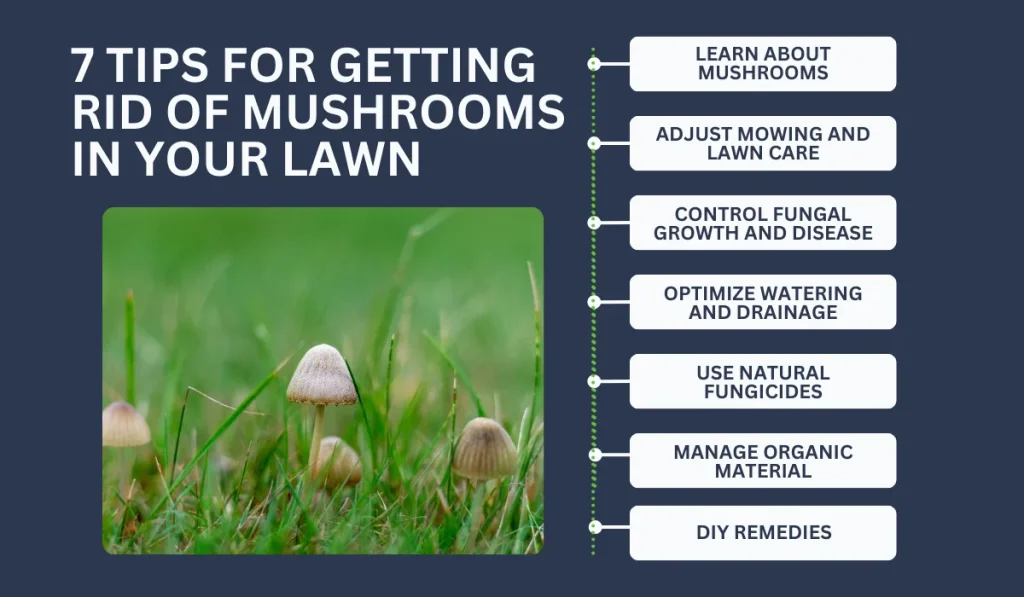
Image Source: sodlawn.com
Why Do Mushrooms Appear in My Lawn?
Mushrooms are the fruiting bodies of fungi that live unseen in the soil. They thrive in specific conditions, and their appearance is a signal that something in your lawn’s environment is creating an ideal habitat for them.
The Role of Moisture
Fungi, like mushrooms, require moisture to survive and reproduce. Excess water in the soil is a primary driver for their appearance. This can be due to:
- Poor Drainage: Compacted soil or low-lying areas that collect water are prime spots for fungal activity.
- Overwatering: Watering your lawn too frequently or for too long can saturate the soil.
- Shade and Dampness: Areas of your yard that receive limited sunlight and retain moisture for extended periods are particularly susceptible.
- Rainfall: Prolonged periods of wet weather can create ideal conditions for mushrooms to emerge.
Decaying Organic Matter: A Fungal Feast
Mushrooms are nature’s recyclers. They break down dead organic material. If your lawn has a significant amount of thatch (a layer of dead grass, leaves, and other plant debris), or if you have decaying tree stumps or buried wood, these serve as a food source for the fungi.
Soil Compaction and Aeration Issues
When soil becomes compacted, air and water circulation are hindered. This can lead to a buildup of moisture in localized areas, creating perfect breeding grounds for fungi.
Thatch Build-Up: The Unseen Problem
A thick thatch layer acts like a sponge, holding onto moisture and providing a dark, damp environment. It also smothers the grass, making it weaker and more prone to fungal infections.
Effective Strategies for Mushroom Control
Stopping mushrooms involves a multi-pronged approach, focusing on removing their food sources and improving the overall health of your lawn.
Addressing Moisture Issues: Key to Mushroom Control
Reducing excess moisture is paramount for mushroom control.
Improving Lawn Drainage
- Aeration: This process involves creating small holes in the soil to improve air circulation and water penetration. Regular aeration can significantly reduce damp lawn issues.
- Dethatching: Removing the thatch layer allows water to drain away more effectively.
- Grading: For persistent pooling, consider regrading your lawn to ensure water flows away from problem areas.
- Soil Amendments: Incorporating organic matter like compost can improve soil structure, making it more porous and better draining.
Smart Watering Practices
- Water Deeply, Less Often: Encourage deeper root growth by watering thoroughly but less frequently. This prevents the surface layer from staying constantly wet.
- Water in the Morning: Watering in the morning allows the grass blades to dry off throughout the day, reducing the risk of fungal diseases.
- Avoid Overwatering: Pay attention to your lawn’s needs and adjust watering schedules accordingly. A soil moisture meter can be helpful.
Eliminating Food Sources
Mushrooms need to eat, and their diet consists of decaying organic matter.
Removing Debris
- Rake Regularly: Keep your lawn free of fallen leaves, grass clippings, and other organic debris.
- Remove Stumps and Buried Wood: Old tree stumps and buried wood are magnets for fungi. Dig them up and dispose of them. If removal isn’t possible, consider drilling holes into the stump and filling them with a nitrogen-rich fertilizer or a mushroom deterrent, which can speed up decomposition and discourage fungal growth.
Managing Thatch
- Dethatch Annually: Use a dethatching rake or a power dethatcher to remove accumulated thatch. This is crucial for good lawn health and mushroom prevention.
Lawn Fungus Treatment and Yard Mildew Removal
While the aim is prevention, sometimes a more direct lawn fungus treatment is necessary.
Chemical Treatments
- Fungicides: Over-the-counter fungicides can be effective for treating existing mushroom outbreaks. Look for products specifically labeled for lawn fungi. Always follow product instructions carefully and wear protective gear.
- Consider the Cause: Fungicides address the symptom (mushrooms) but not always the cause. It’s still essential to improve drainage and reduce organic matter.
Natural Approaches to Yard Mildew Removal and Fungal Growth Prevention
Many gardeners prefer natural methods for yard mildew removal and fungal growth prevention.
- Baking Soda Spray: A solution of baking soda and water can be sprayed on affected areas. It raises the soil pH, making it less hospitable to fungi.
- Vinegar Solution: Diluted vinegar can also be used, but be cautious as it can harm grass if not diluted properly.
- Milk Spray: Some anecdotal evidence suggests spraying diluted milk can help control fungal growth. The idea is that the proteins in milk trigger a response that fights off fungi.
- Compost Tea: Applying compost tea can introduce beneficial microbes that compete with harmful fungi.
Promoting Soil Health Improvement
Healthy soil is the foundation of a healthy lawn, making it more resistant to fungal issues.
Core Aeration and Dethatching
- Frequency: Aerate your lawn at least once a year, and dethatch as needed, typically when the thatch layer exceeds ½ inch.
- Benefits: These practices improve air, water, and nutrient penetration to the root zone, fostering stronger grass growth.
Topdressing
- What it is: Applying a thin layer of compost or other organic matter over the lawn after aerating.
- Benefits: This helps to fill the aeration holes, improve soil structure, and introduce beneficial microbes. It’s a fantastic method for soil health improvement.
Proper Fertilization
- Balanced Nutrition: Use a balanced fertilizer appropriate for your grass type and the season. Avoid excessive nitrogen, which can promote lush growth that is more susceptible to fungal diseases.
- Soil Testing: A soil test can reveal nutrient deficiencies and pH imbalances that can be corrected.
Natural Mushroom Deterrents and Preventing Toadstools
Beyond addressing the core issues, some natural mushroom deterrents can be employed.
Maintaining a Healthy Lawn
The best way to prevent toadstools and mushrooms is to maintain a healthy, resilient lawn.
- Mow High: Mowing your grass at a slightly higher setting encourages deeper root growth, which makes the grass more tolerant to stress and less susceptible to fungal invasions.
- Proper Watering: As mentioned, consistent, deep watering is key.
- Seasonal Fertilization: Feed your lawn with the right nutrients at the right times of the year.
Specific Natural Mushroom Deterrents
- Lime: Applying garden lime can raise the soil pH, making it less favorable for many types of fungi. Test your soil first, as some grasses prefer slightly acidic conditions.
- Corn Gluten Meal: This is a natural pre-emergent herbicide, but it also acts as a mild fertilizer and may deter fungal growth by inhibiting the development of fungal spores. It’s best applied in early spring.
- Beneficial Microbes: Introducing beneficial bacteria and fungi through compost or specific soil amendments can outcompete harmful pathogens.
Common Mushroom Types in Lawns and Their Causes
Knowing the common types of mushrooms can sometimes offer clues to the specific conditions in your yard.
| Mushroom Type | Common Causes | Suggested Solutions |
|---|---|---|
| Fairy Rings | Decaying organic matter (wood, roots) in the soil. | Dethatching, aeration, improving drainage, removing buried wood. Chemical treatment for severe cases. |
| Ink Caps | Rich organic matter, often in moist, fertile soil. | Reduce thatch, improve drainage, avoid overwatering. |
| Horse Mushrooms | Well-rotted organic matter, often found in pastures. | Rake up debris, aerate, improve drainage. |
| Coprinus (Shaggy Mane) | Moist soil, rich in organic matter, often found in lawns. | Reduce thatch, improve drainage, avoid overwatering. |
| Puffballs | Usually appear in lawns with healthy, fertilized soil. | Generally harmless. If they become numerous, consider improving drainage or dethatching. |
Important Note: While most lawn mushrooms are harmless to humans and pets, some can be toxic. It’s best practice to prevent them altogether, and if you suspect ingestion, contact your local poison control center immediately.
Long-Term Fungal Growth Prevention
Sustainable lawn care practices are the most effective way to achieve long-term fungal growth prevention.
Building a Resilient Ecosystem
- Healthy Grass Roots: Deep roots are less susceptible to drought stress and fungal diseases.
- Balanced Soil Biology: A diverse community of soil microbes can help suppress disease-causing fungi.
- Good Air Circulation: Pruning overgrown shrubs or trees that shade your lawn can improve airflow.
Regular Maintenance Schedule
- Seasonal Aeration and Dethatching: Make these part of your annual lawn care routine.
- Consistent Debris Removal: Don’t let leaves or clippings accumulate.
- Observational Lawn Care: Regularly inspect your lawn for early signs of problems.
Troubleshooting Persistent Mushroom Issues
If you’ve tried several methods and still face mushroom problems, consider these advanced steps.
Soil Testing for Deeper Insights
A professional soil test can reveal more than just nutrient levels. It can indicate:
- Soil pH: Crucial for nutrient availability and fungal resistance.
- Organic Matter Content: Helps in managing thatch and improving structure.
- Compaction Levels: Quantifies how compacted your soil is.
Consulting a Professional
- Lawn Care Services: A local lawn care professional can diagnose specific issues and recommend tailored solutions.
- Arborists: If buried wood or stumps are a suspected cause, an arborist can advise on their removal.
Frequently Asked Questions (FAQ)
Q1: Are lawn mushrooms dangerous?
While most mushrooms found in lawns are not harmful to touch, many are toxic if ingested. It’s best to prevent them from growing, especially if you have children or pets who play in the yard.
Q2: Can I just pick the mushrooms?
Picking mushrooms will remove the visible fruiting bodies, but it won’t address the underlying fungal network in the soil. They will likely reappear until the environmental conditions are corrected.
Q3: How often should I aerate my lawn?
For most lawns, aerating once a year is sufficient. If your soil is heavily compacted or you have persistent thatch issues, you might consider aerating twice a year.
Q4: What is a good lawn fungus treatment for a beginner?
Start with addressing the basics: improving drainage, reducing thatch, and managing watering. If you need a treatment, a readily available lawn fungicide from a garden center, used according to label directions, is a common starting point.
Q5: My lawn has a lot of shade. How does this affect mushroom growth?
Shady areas retain moisture longer and have less direct sunlight to dry out the soil surface, creating ideal conditions for fungal growth. Improving air circulation through pruning and ensuring you aren’t overwatering these areas are key.
Q6: What are “puffballs” and how do I stop them?
Puffballs are a type of mushroom that releases spores from a spherical fruiting body. They often appear in healthy, well-fertilized lawns. While generally harmless, if they become an issue, improving drainage and dethatching can help.
Q7: How can I improve soil health improvement naturally?
Focus on adding organic matter through topdressing with compost, avoiding excessive chemical use, and using practices like aerating and mulching with organic materials.
By implementing these lawn care tips and strategies for mushroom control, you can effectively manage and prevent the unsightly and potentially problematic growth of mushrooms in your yard, fostering a healthier, more enjoyable outdoor space.