
Image Source: grow.ifa.coop
How Often To Water Lawn In 100 Degree Weather?
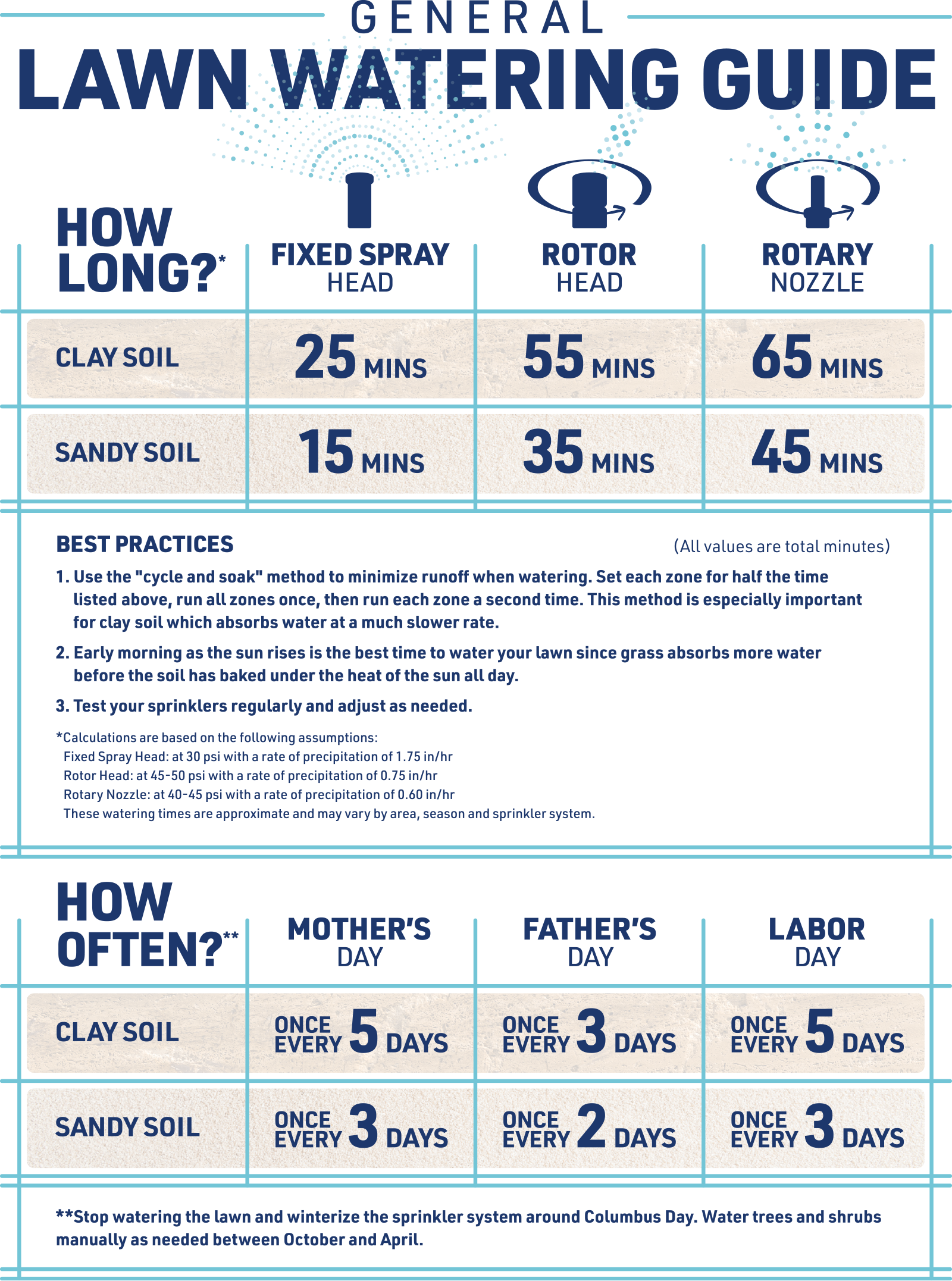
In 100-degree weather, you generally need to water your lawn more frequently, but the exact frequency depends on several factors. A good rule of thumb is to water deeply but less often, aiming for about 1 to 1.5 inches of water per week, applied in one to three sessions. This promotes deeper root growth, making your lawn more resilient to heat stress.
The Challenge of Watering in Extreme Heat
When temperatures soar to 100 degrees Fahrenheit and beyond, your lawn faces a significant challenge. The intense sun and dry air can quickly dehydrate grass, leading to wilting, browning, and even death if not managed properly. This is where understanding proper lawn care 100 degrees becomes crucial for maintaining a healthy, green yard. The goal is to provide adequate moisture without contributing to issues like fungal diseases or shallow root systems. This guide will help you navigate the complexities of watering lawn heat and ensure your grass thrives, even in the most brutal summer conditions. We’ll delve into the best strategies for lawn hydration strategies and establish a lawn watering schedule summer that works.
Why Deep Watering is Key in High Temperatures
In scorching weather, the temptation might be to water your lawn a little bit every day. However, this approach is often counterproductive. Deep watering lawn is far more effective because it encourages grass roots to grow deeper into the soil in search of moisture. When you water shallowly and frequently, roots tend to stay near the surface, making them more vulnerable to drying out quickly during hot spells.
- Deeper Roots: By saturating the soil to a depth of 4-6 inches, you create an environment where roots can extend further down. This makes the grass more self-sufficient and less reliant on constant surface watering.
- Reduced Stress: Grass with deep roots can access moisture stored deeper in the soil profile, helping it withstand periods of drought and high temperatures more effectively.
- Less Evaporation: Watering deeply less often means less water is lost to evaporation from the soil surface and the grass blades themselves, especially when compared to light, frequent watering.
How Much Water Does Your Lawn Really Need?
Determining the precise amount of water your lawn requires in extreme heat involves a bit of observation and some simple tools. The general guideline of 1 to 1.5 inches of water per week is a starting point, but it needs to be adjusted based on your specific grass type, soil conditions, and the intensity of the heat.
Measuring Your Water Output
The easiest way to measure how much water your sprinkler system is applying is by using a simple rain gauge or a series of tuna cans or empty food containers. Place them around your lawn in areas that the sprinkler covers. Run your sprinklers for a set amount of time and then measure the depth of water collected in the containers. This will give you an accurate reading of your sprinkler’s efficiency.
- Sprinkler Type: Different sprinkler heads have varying outputs. Pop-up sprinklers might water faster than oscillating ones.
- Water Pressure: Water pressure can fluctuate, impacting the amount of water delivered over a specific time.
- Wind: Windy conditions can cause significant water loss through evaporation and drift, meaning less water actually reaches the soil.
Adjusting for Temperature and Humidity
When temperatures are consistently at 100 degrees Fahrenheit, your lawn’s water needs will increase. The hotter and drier the weather, the more frequently you’ll need to water.
- High Temperatures (100°F+): Expect to water more often.
- Low Humidity: Low humidity increases the rate of evapotranspiration (water loss from plants and soil), meaning your lawn will dry out faster.
- Wind: Strong winds exacerbate water loss.
Optimal Watering Times to Combat Heat
The best time to water lawn high temps is crucial to maximize water absorption and minimize loss. Watering during the hottest parts of the day is generally the least effective.
Early Morning Watering
The ideal time to water your lawn is in the early morning, typically between 4 a.m. and 10 a.m.
- Reduced Evaporation: Cooler temperatures and less wind in the morning mean more water reaches the roots.
- Less Disease Risk: Watering in the morning allows grass blades to dry off during the day, reducing the risk of fungal diseases that thrive in prolonged moisture.
- Root Absorption: Grass plants can absorb water more efficiently when it’s cooler.
Evening Watering Concerns
While watering in the evening might seem like a good idea to cool down the lawn, it can have drawbacks.
- Fungal Diseases: If grass blades remain wet overnight, it creates a perfect environment for fungal growth. This can lead to lawn diseases that damage or kill your grass.
- Inefficiency: While evaporation is lower than midday, it’s still higher than in the early morning.
Avoiding Midday Watering
Watering during the peak heat of the day (10 a.m. to 4 p.m.) is generally not recommended.
- High Evaporation: Most of the water will evaporate before it can even soak into the soil and reach the roots.
- Water Waste: This is the least efficient time to water, wasting both water and your efforts.
Factors Influencing Watering Frequency
Several variables play a role in how often you should adjust your watering schedule during extreme heat.
Grass Type
Different grass species have varying water requirements and tolerances to heat.
- Warm-Season Grasses: (e.g., Bermuda, Zoysia, St. Augustine) are generally more drought-tolerant and require less frequent watering once established. They thrive in heat.
- Cool-Season Grasses: (e.g., Kentucky Bluegrass, Fescue, Ryegrass) are more susceptible to heat stress and will require more consistent watering in 100-degree weather to survive.
Soil Type
The composition of your soil significantly impacts how quickly it dries out and how well it retains moisture.
- Sandy Soil: Drains quickly, meaning it dries out faster and requires more frequent watering.
- Clay Soil: Retains moisture for longer periods but can become waterlogged if overwatered, leading to shallow root growth and potential disease.
- Loam Soil: Offers a good balance of drainage and moisture retention.
Sun Exposure and Shade
Areas of your lawn that receive full sun all day will dry out much faster than areas with partial shade.
- Full Sun: Requires more diligent watering.
- Shaded Areas: May need less frequent watering, but monitor for signs of stress as even shade can get hot in extreme temperatures.
Signs of a Dehydrated Lawn
Recognizing the early signs of dehydrated lawn is key to intervening before permanent damage occurs. Your lawn will often tell you when it’s thirsty.
- Color Change: Grass blades may start to lose their vibrant green color and take on a dull, grayish-blue hue.
- Footprints: If you walk across the lawn and your footprints remain visible for a long time, the grass blades lack the moisture to spring back.
- Leafy Appearance: Grass blades may start to curl or fold inwards as a way to conserve moisture.
- Wilting: In severe dehydration, the entire lawn may appear wilted and limp.
Developing a Lawn Watering Schedule in Hot Weather
Creating a consistent lawn watering schedule summer that accounts for 100-degree days requires a strategic approach. The goal is to water deeply enough to reach the root zone, but not so often that you promote shallow roots or fungal issues.
The “Deep and Infrequent” Philosophy
This is the cornerstone of effective watering lawn heat.
- Frequency: Instead of watering a little bit every day, aim to water deeply once to three times per week, depending on the factors mentioned above.
- Duration: Ensure your sprinklers run long enough to saturate the soil to a depth of 4-6 inches. This might mean running sprinklers for 20-30 minutes per zone, or even longer, depending on your system’s output.
Adapting Your Schedule
Your schedule will need to be dynamic.
- Monitor Conditions: Pay attention to the weather forecast. If a heatwave is predicted to continue, you might need to increase watering frequency.
- Observe Your Lawn: Regularly check for the signs of dehydrated lawn. If you see them, it’s time to water.
- Rainfall: Adjust your watering schedule based on any rainfall. A good soaking rain can provide the equivalent of a watering session.
Troubleshooting Common Watering Issues
Even with the best intentions, issues can arise. Addressing them promptly will ensure your lawn’s health.
Overwatering Lawn Heat
While it might seem counterintuitive, overwatering lawn heat can be detrimental.
- Shallow Roots: Constant moisture near the surface encourages roots to stay shallow, making the lawn weaker and more susceptible to drought stress when watering is reduced.
- Fungal Diseases: Saturated soil and wet grass blades create an ideal breeding ground for diseases like brown patch and dollar spot.
- Nutrient Leaching: Excessive watering can wash essential nutrients deeper into the soil, away from the grass roots.
Signs of Overwatering:
- Yellowing grass
- Mushy soil
- Increased weed growth (some weeds thrive in wet conditions)
- Visible fungal growth
Underwatering and Drought Stress
Conversely, not providing enough water will lead to the signs of dehydrated lawn discussed earlier.
- Root Damage: Prolonged drought can cause irreversible damage to grass roots.
- Weakened Turf: The lawn becomes more vulnerable to pests and diseases.
- Browning and Dormancy: Eventually, the grass may go dormant, appearing brown, but it can often recover with sufficient water. However, prolonged dormancy can lead to death.
Strategies for Drought-Tolerant Lawn Watering
If you live in an area prone to extreme heat and drought, you might consider adopting drought tolerant lawn watering practices to conserve water and create a more resilient lawn.
- Choose Drought-Tolerant Grasses: For new lawns or overseeding, consider grass varieties known for their drought resistance.
- Improve Soil Health: Healthy soil with good organic matter content retains moisture better. Aerating your lawn and topdressing with compost can significantly improve soil structure.
- Mulching: While not typically applied to lawns, ensuring surrounding garden beds are mulched can help retain soil moisture in your landscape, indirectly benefiting the overall microclimate.
- Water-Wise Practices: Collect rainwater in barrels for irrigation. Consider installing a smart irrigation controller that adjusts watering based on weather data.
The Role of Aeration and Dethatching
Regular lawn maintenance practices play a crucial role in how efficiently your lawn can utilize water, especially during hot weather.
Aeration
Aerating your lawn involves creating small holes in the soil. This helps:
- Improve Water Penetration: Compacted soil prevents water from reaching the root zone. Aeration breaks up this compaction.
- Enhance Air and Nutrient Uptake: Roots need air and nutrients to thrive. Aeration allows these to reach the roots more easily.
- Reduce Runoff: When soil is compacted, water tends to run off the surface instead of soaking in.
Dethatching
Thatch is a layer of dead and living grass stems and roots that accumulate between the green grass blades and the soil surface. A thin layer of thatch is beneficial, but excessive thatch can prevent water and nutrients from reaching the soil.
- Blocks Water: A thick thatch layer acts like a sponge, absorbing water and preventing it from reaching the soil.
- Harbors Pests and Diseases: It can also create a habitat for insects and diseases.
When to Dethatch: Dethatching is best done during the active growing season of your grass type. For cool-season grasses, this is typically spring and fall. For warm-season grasses, it’s late spring and early summer.
Long-Term Strategies for Heat Resilience
Beyond immediate watering, building a lawn that is naturally more resistant to heat is a smart long-term approach.
Soil Improvement
A healthy soil ecosystem is the foundation of a resilient lawn.
- Organic Matter: Incorporating compost and other organic materials improves soil structure, aeration, and water-holding capacity.
- Soil Testing: Test your soil periodically to identify any nutrient deficiencies or pH imbalances that could be hindering root growth.
Grass Selection
As mentioned, choosing the right grass type for your climate is paramount.
- Native Grasses: Many native grasses are naturally adapted to local conditions and often require less water.
- Blends and Mixtures: Using a blend of grass species can provide greater resilience, as different grasses may perform better under varying stress conditions.
Frequently Asked Questions (FAQ)
Here are some common questions about watering lawns in extreme heat:
Q1: Can I water my lawn at night?
A1: It’s generally best to avoid watering at night. While evaporation is lower than during the day, wet grass blades overnight can promote fungal diseases. Early morning is the preferred time.
Q2: How do I know if my sprinklers are watering evenly?
A2: Use tuna cans or rain gauges placed around your lawn to measure the water output from your sprinklers. If the water depth varies significantly between cans, you may have an issue with your sprinkler heads or water pressure.
Q3: My lawn is turning brown. Is it dead?
A3: Not necessarily. Grass often turns brown and goes dormant during prolonged heat and drought as a survival mechanism. If the roots are still alive, it can often recover with adequate watering. However, consistent brown patches that don’t recover after watering may indicate a more serious problem or dead grass.
Q4: Should I fertilize my lawn during a heatwave?
A4: It’s generally not recommended to fertilize your lawn when temperatures are consistently above 90 degrees Fahrenheit. Fertilizing can encourage new growth, which is more susceptible to heat stress and requires more water. It’s better to fertilize in the spring or fall when temperatures are milder.
Q5: How do I deal with brown spots in my lawn during extreme heat?
A5: Brown spots can be caused by various issues, including underwatering, fungal diseases, or pet urine. If the soil is dry, increase watering. If the soil is consistently moist and you see brown patches, it might be a fungal issue, and you may need to use a fungicide. If the brown spot is small and isolated, check for pet urine or insect activity.
By implementing these lawn hydration strategies and adapting your irrigation frequency hot weather, you can significantly improve your lawn’s ability to withstand the challenges of 100-degree weather, ensuring it remains healthy and vibrant throughout the summer.