
So, you’ve got a raccoon problem? You’re likely wondering, “How do you get raccoons out of your yard?” The answer involves understanding their habits, identifying why they’re attracted to your space, and then employing safe and effective methods to encourage them to move along.
Raccoons, those masked bandits of the night, can be both fascinating and frustrating visitors. Their intelligence and adaptability make them adept at finding food and shelter, often leading them into our backyards, gardens, and even homes. While they play a role in the ecosystem, their presence can lead to damaged property, spread of disease, and a general nuisance. This guide will walk you through the steps to safely and humanely get raccoons out of your yard and prevent them from returning. We’ll cover everything from simple deterring raccoons techniques to more robust raccoon removal strategies.
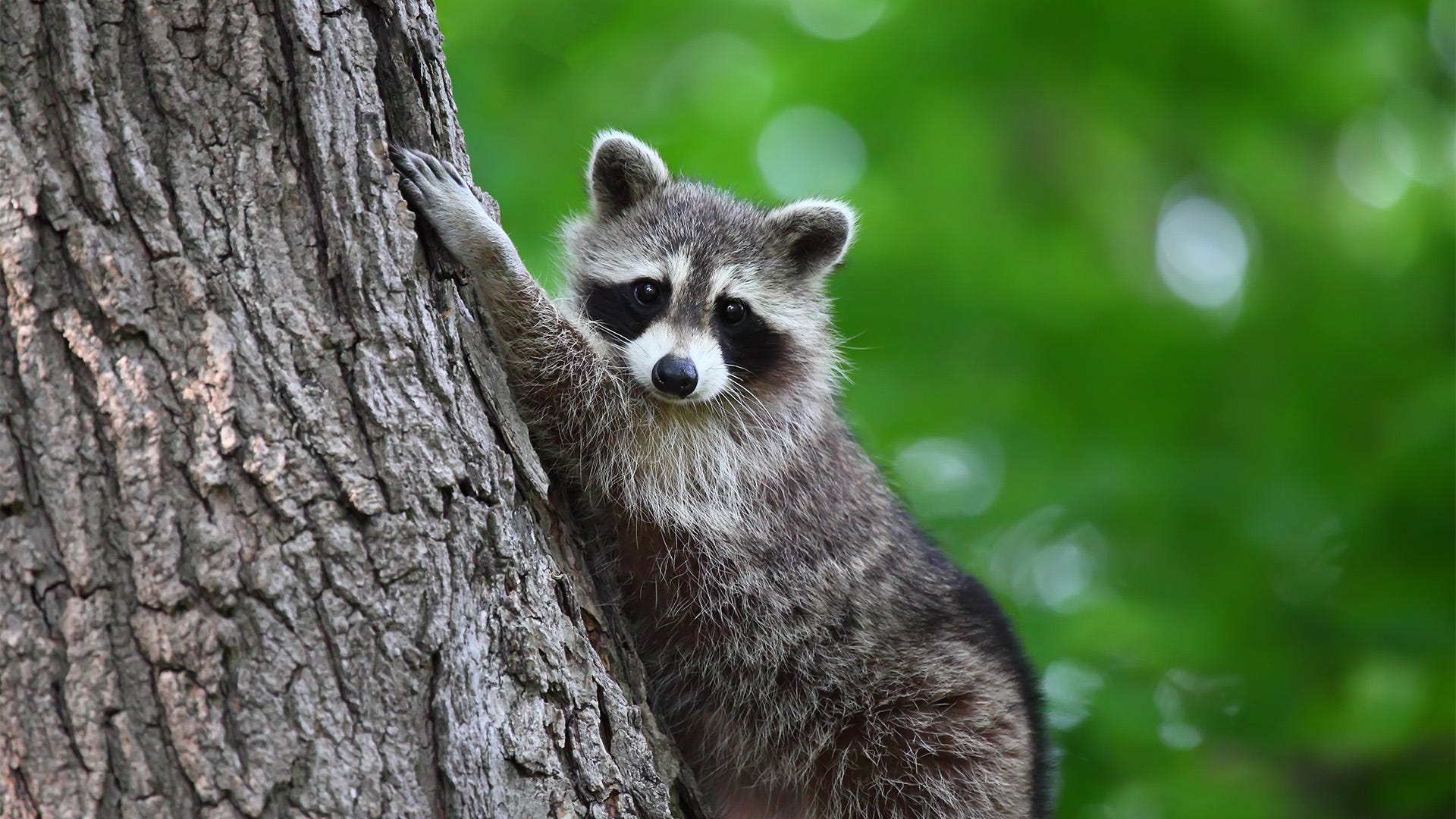
Image Source: www.havahart.com
Why Raccoons Visit Your Yard
Before you can effectively remove raccoons, it’s crucial to grasp why they’re drawn to your property in the first place. Raccoons are opportunistic omnivores, meaning they’ll eat just about anything they can find. Their primary needs are food, water, and shelter.
Food Sources
- Garbage Cans: Unsecured trash cans are a smorgasbord for raccoons. The smells of discarded food are highly attractive.
- Pet Food: Leaving pet food outdoors, especially overnight, is a direct invitation.
- Bird Feeders: Spilled birdseed and the feeders themselves can be a food source.
- Fallen Fruit and Vegetables: Ripe fruits or vegetables that fall from trees or garden plants are easily accessible.
- Grubs and Insects: Lawns and gardens can provide a rich source of grubs and other insects, especially after rain.
- Compost Bins: Poorly secured compost bins can expose a wealth of decaying food matter.
Water Sources
- Bird Baths: These can be a convenient drinking source.
- Pet Water Bowls: Left out in the yard, these are an easy target.
- Puddles and Ponds: Natural or artificial water bodies offer hydration.
- Leaky Faucets or Hoses: Even a slow drip can attract thirsty raccoons.
Shelter and Den Sites
- Under Decks and Porches: These areas offer protection from the elements and predators.
- Sheds and Garages: Openings can allow access to dry, sheltered spaces.
- Attics and Crawl Spaces: Warm, dry attics are prime real estate for denning, especially for mothers with kits.
- Hollow Trees and Logs: Natural den sites are still utilized when available.
- Dense Brush or Overgrown Vegetation: These areas provide cover and a sense of security.
Identifying Raccoon Activity
Spotting raccoons or their signs is the first step in addressing the problem. Look for these common indicators:
- Nocturnal Activity: Raccoons are primarily active at night. You might hear rustling, chattering, or digging sounds after dark.
- Tracks: Their distinctive five-fingered paw prints, resembling small human hands, are often found in soft soil, mud, or near water sources.
- Droppings (Scats): Raccoon droppings are typically cylindrical, dark, and often contain undigested food items like seeds, fur, or insect parts. They often deposit their scat in a specific area, known as a latrine site.
- Damaged Gardens: They can dig up bulbs, eat fruits and vegetables, and tear apart plants in search of insects.
- Tipped-Over Trash Cans: A classic sign of raccoon visitation.
- Scratch Marks: Raccoons have sharp claws and may leave marks on trees, decks, or siding.
- Chewed Wires or Materials: If they’ve gained access to a structure, they might chew through wood, wires, or insulation.
- Visible Raccoons: Seeing them rummaging through your yard, especially during the day (which can indicate illness or desperate hunger), is a clear sign.
Humane and Effective Raccoon Removal Strategies
Getting rid of raccoons requires a multi-pronged approach. The goal is to make your yard less appealing and to encourage them to relocate elsewhere.
1. Eliminate Food Sources
This is the most critical step in deterring raccoons. If they can’t find food, they’ll move on.
- Secure Your Trash:
- Use heavy-duty trash cans with tight-fitting lids. Metal cans are more difficult to chew through than plastic.
- Consider using bungee cords or straps to secure lids if necessary.
- Store trash cans in a shed or garage until collection day.
- Rinse food containers before disposing of them to reduce lingering odors.
- Manage Pet Food:
- Never leave pet food or water bowls outside overnight.
- Feed pets indoors or bring bowls in after they’ve finished eating.
- Bird Feeder Management:
- Choose squirrel-proof feeders or mount feeders on poles with baffles that raccoons cannot climb.
- Clean up spilled seed regularly.
- Consider temporarily removing feeders during peak raccoon activity.
- Harvest Garden Produce:
- Pick ripe fruits and vegetables promptly.
- Clear away fallen produce from trees and bushes.
- Compost Wisely:
- Use a sturdy, raccoon-proof compost bin with a secure lid.
- Avoid composting meat, dairy, or greasy foods, as these are particularly attractive to raccoons.
2. Remove Water Sources
While less impactful than food, eliminating easy water access can help.
- Empty pet water bowls left outside.
- Fix leaky outdoor faucets or hoses.
- Consider covering bird baths if they are a consistent attraction.
3. Block Access to Shelter and Den Sites
Wildlife exclusion is key to preventing them from settling in.
- Seal Entry Points:
- Inspect your home for any openings in the foundation, siding, roof, or eaves.
- Seal gaps and holes with sturdy materials like hardware cloth (1/4-inch or 1/2-inch mesh), metal sheeting, or concrete.
- Pay close attention to areas where utilities enter the house.
- Secure Outdoor Structures:
- Decks and Porches: Raccoons often den under decks. Use sturdy hardware cloth to create a barrier around the perimeter, burying it at least a foot underground and extending it upward to prevent digging. Ensure there are no existing openings they can exploit.
- Sheds and Garages: Keep doors closed and repair any holes or gaps in walls or roofs.
- Chimney Caps: Install a sturdy chimney cap with mesh sides to prevent raccoons from entering your chimney.
- Trim Trees: Trim tree branches that extend over your roof, as these can provide a highway for raccoons to access your attic.
4. Use Raccoon Repellents and Deterrents
While not always a standalone solution, raccoon deterrents can be effective when used in conjunction with other methods.
- Scents:
- Ammonia: Soaked rags placed near entry points or den sites can deter raccoons due to the strong smell. However, use caution as ammonia can be harmful if inhaled excessively.
- Predator Urine: Urine from coyotes or foxes can signal a predator’s presence, making raccoons feel unsafe.
- Peppermint Oil or Other Strong Smells: Some anecdotal evidence suggests strong essential oils might work, but their effectiveness is often short-lived and requires frequent reapplication.
- Sounds and Lights:
- Motion-Activated Lights: Sudden bursts of light can startle raccoons and disrupt their nocturnal activity.
- Ultrasonic Devices: These devices emit high-frequency sounds that are supposed to be unpleasant for raccoons. Their effectiveness is debated, and raccoons may become accustomed to them.
- Radios: Leaving a radio on a talk station near their suspected den site might make them feel disturbed.
- Physical Barriers in Gardens:
- Fencing: A sturdy fence, at least 3-4 feet high and made of wire mesh, can help protect gardens. Bury the bottom of the fence at least 6 inches into the ground and add an outward-facing overhang at the top to prevent climbing.
- Netting: Lightweight netting can be draped over plants or berry bushes.
5. Live Trapping for Raccoon Removal
Humane raccoon trapping should be a last resort, especially if you are unable to address the underlying attractants. Trapping is most effective for removing a specific nuisance animal, but if food and shelter remain, new raccoons will likely move in.
- Choosing a Trap: Use a live trap that is large enough for a raccoon (typically 30-36 inches long). Such traps are available for purchase or rent from hardware stores or pest control companies.
- Baiting the Trap:
- Bait: Marshmallows, canned sardines, tuna, peanut butter, or pieces of fruit are effective baits.
- Placement: Place the bait at the back of the trap so the raccoon must fully enter to reach it, triggering the door mechanism.
- Trap Placement: Place the trap near the area of raccoon activity, such as along their travel paths or near an entry point.
- Checking the Trap: Crucially, check the trap frequently – at least twice a day (morning and evening). Leaving a trapped animal for extended periods is inhumane, can lead to stress, dehydration, or injury.
- Relocation:
- Legality: Be aware of local and state laws regarding trapping and relocating wildlife. Many areas have specific regulations or prohibit relocation entirely due to the risk of disease spread or disrupting established ecosystems.
- Distance: If relocation is legal and permitted, move the raccoon at least 10-15 miles away from your property to prevent it from returning. Choose a suitable habitat with access to food and water, but avoid relocating them into areas where they might become a problem for other residents.
- Handling: Wear heavy gloves and long sleeves when handling a trap with a raccoon inside. Raccoons can bite and scratch if they feel threatened.
Important Considerations for Trapping:
- Kits: Be extremely careful if you suspect a female raccoon is trapped, as she may have young kits nearby that will starve without her. If kits are present, professional raccoon removal is strongly advised.
- Disease: Raccoons can carry rabies and other diseases. Never handle a raccoon with your bare hands. If you suspect a raccoon is acting strangely or aggressively, contact animal control immediately rather than attempting to trap it yourself.
6. When to Call Professionals
For severe infestations, or if you are uncomfortable handling wildlife, it’s best to call a professional wildlife exclusion service or pest control company. They have the expertise and equipment for safe and effective raccoon removal. They can also help identify and seal entry points, preventing future problems.
Preventing Raccoons in Your Garden
Gardens are often a buffet for raccoons. Here’s how to prevent raccoons in garden areas:
Garden Protection
- Fencing: As mentioned earlier, a robust fence is your best bet.
- Height: Minimum 3-4 feet.
- Material: Sturdy wire mesh (1/4″ to 1/2″ hardware cloth).
- Depth: Bury the bottom 6-12 inches into the ground.
- Overhang: Add an outward-facing L-shaped skirt at the top to prevent climbing.
- Row Covers: Lightweight fabric covers can protect individual plants or rows. Secure them well with rocks or stakes.
- Netting: Drape bird netting over berry bushes or fruit trees. Ensure it’s secured and doesn’t pose a entanglement risk to other wildlife.
- Companion Planting: Some gardeners believe certain plants, like marigolds or castor beans (use caution with castor beans as they are toxic), can deter raccoons. Their effectiveness is often debated.
- Water Features: Avoid leaving water sources like decorative ponds or bird baths close to your garden if they are attracting raccoons.
Scare Tactics for Gardens
- Motion-Activated Sprinklers: These can be very effective at startling raccoons away from garden beds.
- Scarecrows and Decoys: While raccoons can get used to stationary objects, moving or reflective decoys might offer temporary protection. Rotate their placement.
- Scent Deterrents: Apply raccoon repellent products or natural scents (like ammonia-soaked rags) around the garden perimeter. Reapply after rain.
Raccoon Proofing Your Property: A Comprehensive Checklist
Raccoon proofing your home and yard is an ongoing process. Here’s a checklist to help you stop raccoons from entering your property:
| Area | Action |
|---|---|
| Trash & Recycling | Use sturdy cans with locking lids. Store cans in a garage or shed. Clean cans regularly. Take trash out on collection day only. |
| Pet Food/Water | Feed pets indoors. Bring all pet food and water bowls inside at night. |
| Bird Feeders | Use squirrel/raccoon-proof feeders. Install baffles on poles. Clean up spilled seed. Consider removing during peak raccoon season. |
| Gardens | Install sturdy fencing (3-4ft high, buried, with overhang). Use row covers or netting for plants. Harvest ripe produce promptly and clean up fallen fruits/vegetables. Secure compost bins. |
| Decks & Porches | Seal all openings with 1/4″ or 1/2″ hardware cloth. Bury hardware cloth at least 1 foot deep around the perimeter. Check for and seal any existing gaps or holes. |
| Sheds & Garages | Keep doors shut and locked. Seal any holes or gaps in walls, roofs, and foundations. |
| Attic & Crawl Spaces | Inspect for any openings. Seal them with durable materials. Trim overhanging tree branches. Consider one-way exclusion doors if raccoons are already inside. |
| Chimneys | Install a secure chimney cap with mesh. |
| Foundations | Seal any cracks or holes in the foundation walls with concrete or metal flashing. |
| Gutters & Downspouts | Ensure they are clear and free of debris that could attract insects or provide access points. Secure loose downspouts. |
| General Yard | Remove clutter (e.g., old woodpiles) that can provide shelter. Fix leaky outdoor faucets. Keep BBQ grills clean. |
Frequently Asked Questions (FAQ)
Q1: Are raccoons dangerous?
Yes, raccoons can be dangerous. They can carry diseases like rabies and distemper, and can transmit parasites like roundworm. They can also inflict painful bites and scratches if they feel threatened, especially if they are cornered or protecting young. It’s always best to maintain a safe distance.
Q2: Can I kill raccoons on my property?
Laws regarding the killing of raccoons vary significantly by state and local municipality. In many areas, it is illegal to harm or kill wildlife without proper permits or licenses. It is crucial to research your local wildlife regulations before considering lethal methods. Humane raccoon trapping and relocation are often preferred, and in many cases, required by law.
Q3: What should I do if a raccoon is in my house?
If you find a raccoon inside your home, remain calm and try to avoid cornering it. Open all doors and windows that lead outside and close interior doors to contain the animal. Block off its escape route only if it leads to another part of the house. Turn off any bright lights inside and reduce noise. The raccoon may leave on its own. If it doesn’t, or if it appears aggressive or sick, call a professional wildlife removal service or your local animal control.
Q4: How do I stop raccoons from digging in my yard?
The primary reason raccoons dig is to find food, such as grubs, earthworms, or insects. To stop them, focus on making your yard less appealing:
* Reduce grub populations: Use appropriate grub treatments for your lawn.
* Remove other food sources: Secure trash, pet food, and bird feeders.
* Install fencing: Protect garden beds with sturdy wire fencing.
* Use deterrents: Motion-activated sprinklers or scent repellents can sometimes help.
Q5: Is there an effective raccoon repellent that truly works?
While many products are marketed as raccoon repellents, their effectiveness is often limited and temporary. Natural repellents like ammonia, predator urine, or strong essential oils may work for a short period but require frequent reapplication, especially after rain. Ultrasonic devices have mixed reviews, with many animals becoming accustomed to them over time. The most effective strategy for getting rid of raccoons and keeping them away is habitat modification: removing attractants like food and shelter and securing entry points.
Q6: How do I know if there are baby raccoons in the den?
If you suspect a raccoon is denning under your deck or in your shed, listen carefully for faint chattering or squeaking sounds, particularly at dawn or dusk. You might also notice adult raccoons making frequent trips to and from the den. If you find a den with kits, it’s best to contact a professional wildlife removal service. Attempting humane raccoon trapping of a mother without addressing the kits can result in orphaned and distressed young, and a mother raccoon will be highly protective and potentially aggressive if her kits are disturbed. It’s crucial to wait until the kits are old enough to travel with their mother before attempting exclusion, typically in late spring or early summer.
Q7: Can I just seal up the entrance if I think raccoons are inside my attic?
Never seal up an entry point if you suspect raccoons are inside, especially during spring and summer. This could trap mothers and their young inside, leading to the death of the animals and potential damage and odor issues as they decompose. If you suspect an infestation, it’s best to call a professional. They can confirm the presence of animals and use appropriate methods, such as one-way exclusion doors, to allow animals to leave on their own terms.
By following these guidelines, you can effectively manage raccoons in your yard, ensuring a safer and more peaceful coexistence with nature while protecting your property. Remember, patience and consistency are key to successful raccoon removal and prevention.