
Image Source: contentgrid.homedepot-static.com
How To Fix Dead Spots In Lawn: Your Guide
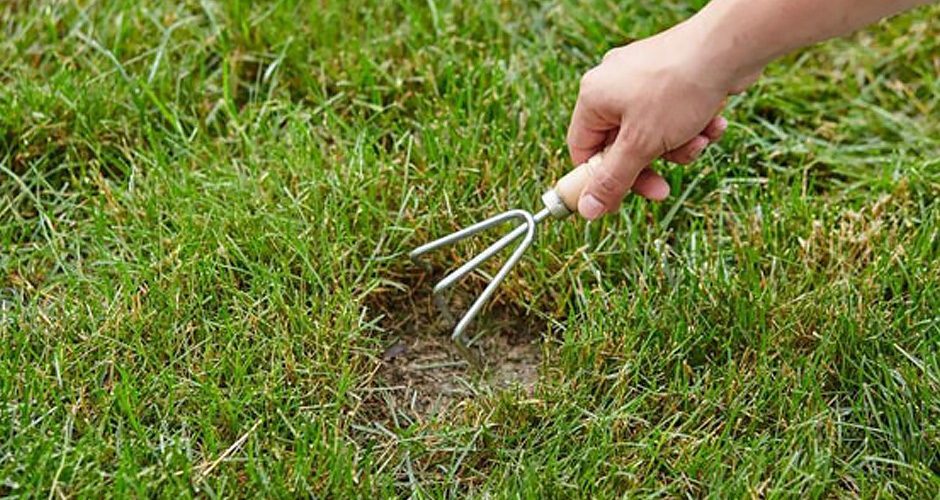
Dead spots in your lawn can be frustrating, turning a vibrant green carpet into a patchy eyesore. What is a dead spot? A dead spot is an area of your lawn where the grass has died, leaving bare soil or brown, withered blades. Can I fix dead spots? Yes, you absolutely can fix dead spots, and this comprehensive guide will walk you through the process, from identifying the cause to restoring your lawn to its former glory.
Why Does My Lawn Have Dead Spots?
Before you can fix dead spots, you need to know why they appeared. Several factors can contribute to these unwelcome patches. Let’s explore the common culprits:
1. Pests:
* Grubs: These are the larvae of beetles and they feed on grass roots, starving the plant. You’ll often see irregular brown patches that pull up easily, like a carpet. Grub treatment is crucial if these are the cause.
* Chinch Bugs: These tiny insects suck the sap from grass blades, causing yellowing and browning, often in sunny areas.
* Armyworms and Cutworms: These caterpillars can quickly decimate patches of grass overnight.
2. Diseases:
* Fungal Diseases: Many fungal infections can cause brown or discolored patches. These often thrive in damp conditions. Fungicide application can help combat these issues.
* Brown Patch: This disease creates circular patches of brown, straw-like grass.
* Dollar Spot: Small, straw-colored spots that can merge into larger dead areas.
3. Environmental Factors:
* Lack of Water: Drought stress is a primary reason for browning.
* Poor Drainage: Waterlogged soil can suffocate grass roots. Irrigation system repair might be necessary if this is the case.
* Too Much Water: Overwatering can also lead to root rot and disease.
* Excessive Heat: Extreme temperatures can stress grass.
* Compacted Soil: Hard soil prevents water, air, and nutrients from reaching the roots. Lawn aeration is a great solution for compaction.
* Thatch Buildup: A thick layer of dead grass and organic matter, known as thatch, can block water and nutrients. Thatch removal can be essential.
4. Chemical Damage:
* Pet Urine: High nitrogen content in pet waste can “burn” the grass, creating dead spots.
* Spilled Chemicals: Accidental spills of gasoline, oil, or herbicides can kill grass.
5. Nutrient Deficiencies:
* Lack of Fertilization: Grass needs nutrients to stay healthy and green. Improper fertilizer application can lead to weak growth and dead patches.
* Soil pH Imbalance: The soil needs to be in the right pH range for grass to absorb nutrients effectively. Soil testing can reveal pH issues.
6. Mechanical Damage:
* Heavy Foot Traffic: Repeatedly walking on the same areas can compact the soil and damage the grass.
* Mower Damage: Dull mower blades can tear grass, making it susceptible to disease.
Diagnosing the Cause: A Step-by-Step Approach
To effectively fix dead spots, you must first pinpoint the reason.
Step 1: Visual Inspection
Walk your lawn and examine the dead spots closely.
- Shape and Size: Are the spots circular, irregular, or uniform?
- Color: Is the dead grass brown, yellow, or straw-colored?
- Texture: Does the dead grass pull up easily? Are there any visible insects or fungal growth?
- Surrounding Areas: Are nearby plants or trees showing signs of stress?
Step 2: Check for Pests
- Grub Test: In a suspected area, cut a small square of sod (about 1 square foot) and lift it. If you can easily roll it up like a carpet and see C-shaped white grubs, you have a grub problem.
- Chinch Bug Test: Push a section of your lawn into a can filled with water. If chinch bugs are present, they will float to the surface.
Step 3: Examine Soil Conditions
- Moisture Level: Is the soil dry, soggy, or just right?
- Compaction: Try pushing a screwdriver into the soil. If it’s difficult to push in, the soil is likely compacted.
- Thatch Layer: If the grass blades feel spongy and a thick layer of brown material is visible at the soil line, you have thatch.
Step 4: Consider Environmental Factors
- Sunlight: Are the dead spots in full sun, shade, or partial shade? Some grasses tolerate less sun than others.
- Watering Habits: How often and how deeply are you watering?
- Recent Activity: Did you recently apply any chemicals, have pets in the area, or park equipment on the lawn?
Step 5: Soil Testing
For a more precise diagnosis, especially if disease or nutrient deficiency is suspected, conduct a soil testing. You can buy kits from garden centers or send a sample to your local cooperative extension office. This will tell you about your soil’s pH, nutrient levels, and even potential contamination.
Fixing Dead Spots: Solutions for Every Problem
Once you’ve identified the cause, you can implement the right solutions.
Addressing Pest Infestations
If pests are the culprit, targeted pest control is necessary.
- Grub Treatment: Apply a grub killer according to product instructions. Timing is important; it’s often best to treat in late summer or early fall when grubs are closer to the surface.
- Chinch Bug Treatment: Use an insecticide specifically for chinch bugs. Ensure good coverage, especially in sunny areas.
- Armyworm/Cutworm Treatment: Insecticides are also effective for these. Look for signs of feeding in the early morning or evening.
Combating Lawn Diseases
For fungal issues, fungicide application can save your lawn.
- Identify the Disease: Knowing the specific fungal disease helps in choosing the right fungicide.
- Apply Correctly: Follow product instructions precisely. Fungicides often work best as a preventative measure or at the first sign of disease.
- Improve Conditions: Address the underlying issues that promote disease, such as overwatering or poor air circulation.
Rectifying Environmental Issues
- Watering Wisely:
- Water deeply and infrequently to encourage deep root growth. Aim for about 1 inch of water per week, including rainfall.
- Water early in the morning to minimize evaporation and reduce the risk of fungal diseases.
- If you suspect irrigation system repair is needed, check for leaks, broken sprinkler heads, or clogged lines.
- Aeration for Compaction:
- Lawn aeration involves using a machine to pull out small plugs of soil. This creates holes that allow air, water, and nutrients to penetrate the soil.
- It’s best done during the grass’s active growing season.
- Thatch Removal:
- If thatch is more than half an inch thick, it’s time for thatch removal.
- This can be done with a power rake or a dethatching rake. It’s usually best to dethatch in the spring or fall.
- Improving Drainage:
- For persistent drainage issues, consider grading the lawn or installing a drainage system.
- Amend heavy clay soils with organic matter to improve drainage.
- Sunlight Needs:
- If dead spots are in areas with too much or too little sun for your grass type, consider overseeding with a more suitable variety or planting shade-tolerant ground cover.
Correcting Chemical Damage
- Pet Urine Spots: Water the affected area immediately to dilute the urine. For persistent spots, you may need to reseed.
- Chemical Spills: Remove contaminated soil and reseed the area.
Balancing Soil Nutrients
- Fertilizer Application:
- Use a balanced fertilizer application based on your soil test results and the needs of your grass type.
- Follow the recommended application rates and timing.
- pH Adjustment:
- If your soil test indicates an incorrect pH, amend the soil accordingly. Lime raises pH (makes it more alkaline), while sulfur lowers pH (makes it more acidic).
Restoring Dead Spots: Re-Seeding and Overseeding
Once the underlying cause is resolved, it’s time to bring your lawn back to life.
Preparing the Area
- Remove Debris: Clear away any dead grass, rocks, or weeds from the bare patches.
- Loosen Soil: Rake the soil surface to loosen it. This provides a good seedbed for new grass. If the soil is compacted, consider light lawn aeration before seeding.
Choosing the Right Seed
- Grass Type: Select a grass seed that matches your existing lawn and the conditions of the area (sun, shade, traffic).
- Seed Quality: Opt for high-quality seed mixtures from reputable sources.
Seeding and Overseeding
- Seeding: Spread the grass seed evenly over the prepared bare spots at the recommended rate.
- Overseeding: If you have large patchy areas or want to thicken your lawn, overseeding is the process of sowing grass seed over an existing lawn. This is a great way to introduce new grass varieties and improve overall lawn density.
- Raking In: Gently rake the seed into the top quarter-inch of soil to ensure good seed-to-soil contact.
- Top Dressing: Lightly cover the seed with a thin layer of compost or topsoil for added moisture retention.
Watering the New Seed
- Consistent Moisture: Keep the seedbed consistently moist but not waterlogged. Water lightly several times a day if necessary, especially in warm or windy weather.
- Gradual Reduction: Once the seedlings are about an inch tall, you can gradually reduce watering frequency and increase the amount of water.
- New Grass Care: Avoid mowing new grass until it reaches about 3 inches in height. Use a sharp mower blade and set it to a higher setting. Avoid heavy foot traffic on the new lawn until it is well-established.
Preventing Future Dead Spots: Proactive Lawn Care
The best way to deal with dead spots is to prevent them from happening in the first place.
- Regular Watering: Maintain a consistent watering schedule, watering deeply and infrequently.
- Proper Fertilization: Feed your lawn with the right nutrients at the right times of the year.
- Mowing Habits: Mow at the correct height for your grass type and keep mower blades sharp.
- Weed Prevention: Implement weed prevention strategies, such as proper fertilization and mowing, to keep your lawn healthy and dense. Healthy grass outcompetes weeds.
- Aeration and Dethatching: Perform lawn aeration and thatch removal as needed to keep the soil healthy.
- Pest and Disease Monitoring: Regularly inspect your lawn for signs of pests or diseases and address them promptly.
- Soil Health: Continue with soil testing every few years to ensure your soil has the right pH and nutrient balance.
Summary Table: Common Dead Spot Causes and Solutions
| Cause of Dead Spots | Symptoms | Solution |
|---|---|---|
| Grubs | Irregular brown patches, sod lifts easily like carpet | Grub treatment (insecticide) |
| Fungal Diseases | Circular brown or discolored patches, often in damp areas | Fungicide application, improve drainage, reduce watering, air circulation |
| Drought Stress | General browning, grass turns dull or grey | Deep, infrequent watering; irrigation system repair if needed |
| Compacted Soil | Patches of thin or dead grass, difficult to water | Lawn aeration, reduce traffic |
| Thatch Buildup | Spongy turf, dieback, poor water penetration | Thatch removal (dethatching) |
| Pet Urine | Small, distinctly brown or bleached spots | Water immediately, reseed if necessary |
| Nutrient Deficiency | Yellowing, slow growth, overall poor color | Fertilizer application based on soil testing |
| Overwatering | Yellowing, browning, increased susceptibility to fungal diseases | Reduce watering frequency, ensure good drainage |
Frequently Asked Questions (FAQ)
Q1: How long does it take to fix dead spots in my lawn?
A1: The time it takes to fix dead spots depends on the cause and the method used. Simple issues like overwatering might see improvement in a week or two after correction. Seeding can take several weeks to germinate and establish. For severe problems like deep-rooted pests or compacted soil, it might take a full growing season to see significant recovery.
Q2: When is the best time to reseed my lawn?
A2: The best time to reseed depends on your grass type. Cool-season grasses (like fescue, bluegrass, and rye) do best when seeded in early fall or early spring. Warm-season grasses (like Bermuda and Zoysia) prefer late spring or early summer.
Q3: Can I use a weed killer if I have dead spots?
A3: If weeds are contributing to the dead spots or growing in them, you can use a weed killer. However, be cautious. Some weed killers can damage or kill grass, especially if the grass is already stressed. It’s often best to fix the underlying cause of the dead spot first, then address weeds. If you must use a weed killer, choose one specifically labeled for your grass type and apply it only to the weeds.
Q4: How do I know if my lawn needs aeration?
A4: Your lawn needs lawn aeration if the soil is compacted, water doesn’t penetrate well, grass struggles to grow, or you see a lot of thatch. If a screwdriver is hard to push into the ground, it’s a good sign of compaction.
Q5: My lawn has yellow patches. Is it disease or lack of fertilizer?
A5: Yellow patches can be caused by both disease and nutrient deficiency. A soil testing can help determine nutrient levels. If the yellowing is accompanied by wilting, spots, or rings, it might be a disease, and fungicide application could be needed. If the grass is uniformly yellow and growth is stunted, it’s more likely a fertilizer issue.
By following this comprehensive guide, you can diagnose and effectively treat dead spots in your lawn, restoring its health and beauty. Remember, consistent observation and proper care are key to a thriving green space.