
Can you keep rabbits off your lawn using natural methods? Yes, you absolutely can keep rabbits off your lawn with a variety of natural deterrents and by creating a truly rabbit-proof garden. This guide will explore effective, safe rabbit deterrents and solutions for deterring rabbits from your prize-winning vegetables and delicate flower beds.
Rabbits are adorable, but when they set their sights on your lovingly cultivated lawn, vegetable patch, or flowerbeds, they can quickly turn your gardening dreams into a nibbled nightmare. Understanding rabbit behavior and employing smart strategies is key to protecting your plants and enjoying your outdoor space. We’ll delve into a range of natural rabbit repellents, physical barriers, and sensory deterrents that won’t harm these furry visitors or your family.
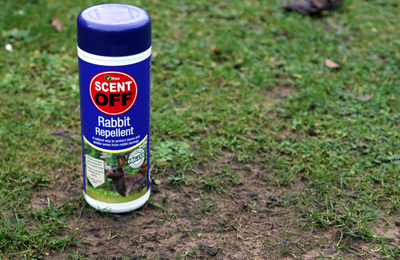
Image Source: www.gardenworld.co.uk
The Bunny Buffet: Why Rabbits Love Your Garden
Before we discuss rabbit deterrents, it’s helpful to know why your garden is so appealing to them. Rabbits are herbivores, meaning they eat plants. They are particularly fond of young, tender shoots, leafy greens, and soft roots. Your lawn, with its lush grass, and your vegetable garden, brimming with tasty produce like lettuce, carrots, beans, and broccoli, are essentially a rabbit buffet. Flower beds with soft petals and new growth are also prime targets.
Several factors can attract rabbits to a particular area:
- Availability of food: This is the primary reason. Lush grass, accessible vegetables, and flowers are a significant draw.
- Shelter: Areas with dense shrubs, overgrown vegetation, or even woodpiles offer rabbits safe places to hide from predators.
- Water sources: While they get most of their water from plants, access to puddles or ponds can also attract them.
- Proximity to wild areas: Gardens bordering fields, woodlands, or unkempt lots will naturally have more rabbit traffic.
The Case for Natural Deterrents: Gentle Yet Effective
While commercial rabbit repellents are available, many gardeners prefer natural solutions. These methods are generally safer for children, pets, and beneficial wildlife, and they are kinder to the environment. Natural rabbit deterrents work by exploiting a rabbit’s senses of smell, taste, and touch, making your garden an unpleasant or inaccessible place for them.
Here are the main categories of natural rabbit deterrents we’ll explore:
- Scent-Based Deterrents: Utilizing strong or unpleasant odors to keep rabbits away.
- Taste-Based Deterrents: Making plants taste bad to rabbits.
- Physical Barriers: Preventing rabbits from reaching your plants altogether.
- Sensory Deterrents: Using visual or auditory cues to startle or confuse them.
Scent-Based Deterrents: A Whiff of Unwelcome
Rabbits have a keen sense of smell, and certain odors are off-putting to them. These natural rabbit repellents are often derived from common household items or plants.
1. Garlic and Hot Pepper Sprays
A potent combination of garlic and hot pepper can create a strong scent and a burning sensation that rabbits dislike.
How to make a DIY rabbit repellent:
- Ingredients:
- 1 whole bulb of garlic
- 1-2 tablespoons of cayenne pepper (or other hot pepper powder)
- 1 quart (approx. 1 liter) of water
- 1 teaspoon of mild liquid soap (like castile soap)
- Instructions:
- Mince or blend the garlic cloves.
- In a blender or food processor, combine the minced garlic, cayenne pepper, and water. Blend until smooth.
- Let the mixture steep for at least 24 hours, or up to a few days, for the scent to intensify.
- Strain the mixture through cheesecloth or a fine-mesh sieve into a spray bottle. Discard the solids.
- Add the liquid soap to the bottle. The soap acts as a surfactant, helping the spray adhere to the plants.
- Shake well before each use.
Application:
- Spray liberally on the foliage of plants you want to protect, especially young seedlings and vulnerable flowers.
- Reapply after rain or watering.
- Test on a small area of the plant first to ensure it doesn’t cause leaf burn.
Why it works: The strong smell of garlic and the capsaicin in hot peppers are irritating to a rabbit’s sensitive nose and mouth.
2. Essential Oils
Certain essential oils have strong aromas that can repel rabbits.
- Peppermint Oil: Rabbits dislike the strong, minty scent.
- Tea Tree Oil: Known for its pungent odor.
- Eucalyptus Oil: Another strong-smelling oil.
- Rosemary Oil: Has a distinct herbaceous aroma.
How to use essential oils:
- Method 1: Cotton Balls: Soak cotton balls in your chosen essential oil(s). Place these cotton balls strategically around the perimeter of your garden beds or near plants you want to protect. Replace them every few days as the scent fades.
- Method 2: Spray: Mix about 10-15 drops of essential oil with 1 quart of water and a teaspoon of mild soap. Spray around the garden. Be cautious with direct application on leaves, as some oils can be potent and may damage delicate foliage.
Why it works: The intense smell overwhelms a rabbit’s olfactory senses, making the area seem undesirable.
3. Blood Meal or Bone Meal
These organic fertilizers have a dual purpose. They provide nutrients to the soil, and their strong, meaty smell can deter rabbits.
Application:
- Sprinkle a light layer of blood meal or bone meal around the base of plants or along the borders of your garden beds.
- Keep it away from direct contact with plant stems to avoid potential burning.
Why it works: The scent mimics that of predators, making rabbits feel unsafe.
4. Castor Oil
Castor oil is another powerful scent deterrent.
How to use castor oil:
- Method 1: Spray: Mix 2 tablespoons of castor oil with 1 quart of water and a teaspoon of mild soap. Spray this solution around your garden.
- Method 2: Castor Oil Pellets: You can purchase castor oil-based granular repellents. These release their scent over time.
Why it works: The strong, unpleasant smell of castor oil is highly effective at repelling rabbits.
5. Ammonia-Soaked Rags
The pungent smell of ammonia can be a powerful rabbit repellent.
How to use ammonia:
- Soak rags or cotton balls in household ammonia.
- Place these around your garden beds.
- Be very careful not to get ammonia directly on your plants, as it can burn them. This method is best used around the perimeter.
Why it works: The strong, acrid smell is a deterrent. However, this is a less desirable method as it can be harsh and the smell can be unpleasant for humans as well.
Taste-Based Deterrents: Making Plants Unpalatable
Sometimes, making your plants taste bad is the best way to deter rabbits from them.
1. Soap or Egg Wash
Some gardeners find that a light coating of soap or a diluted egg wash makes plants less appealing.
How to use:
- Soap Wash: Mix a small amount of mild, unscented soap with water and lightly spray or wipe down susceptible plants.
- Egg Wash: Whisk a couple of eggs with a little water. Lightly spray or brush this mixture onto the leaves. The dried residue can make the plants unappealing.
Why it works: The taste and texture can be off-putting to rabbits.
2. Bitter Sprays (Commercial & DIY)
While we’re focusing on natural, many commercial rabbit repellents use bittering agents that are safe but taste unpleasant. You can also create a DIY version.
DIY Bitter Spray:
- Ingredients:
- 1 quart (approx. 1 liter) of water
- 1 tablespoon of vegetable oil
- 1 tablespoon of mild liquid soap
- 1 tablespoon of dried bitter herbs (like wormwood or rue) OR a few drops of food-grade bittering agent (like yucca extract if available).
- Instructions:
- Brew a strong tea with the dried herbs and water, then strain.
- Combine the herbal tea (or water if using a bittering agent) with vegetable oil and soap in a spray bottle.
- Shake well.
Application: Spray directly onto plant leaves and stems. Reapply frequently, especially after rain.
Why it works: The bitter taste is a strong deterrent.
Physical Barriers: The Most Reliable Method
While scent and taste deterrents can be helpful, the most foolproof way to keep rabbits off your lawn and out of your garden is to physically prevent them from accessing the area. This is where a garden fence for rabbits or other barriers come into play.
1. Chicken Wire or Wire Mesh Fencing
This is the gold standard for keeping rabbits out of flower beds and vegetable gardens.
Key Considerations for a Rabbit Proof Garden Fence:
- Height: The fence should be at least 2 feet (60 cm) high. Rabbits can jump, but they are generally hesitant to jump over a solid barrier, especially if it’s tall enough.
- Material: Use galvanized chicken wire or hardware cloth with small openings. Small mesh sizes (1 inch or less) are crucial to prevent even young rabbits from squeezing through.
- Depth: This is a critical element often overlooked. Rabbits are excellent diggers. To prevent them from burrowing under, the fence needs to be buried at least 6 inches (15 cm) into the ground.
- Angling Outwards: For maximum protection, bury the fence with the bottom 6 inches angled outwards at a 45-degree angle. Cover this buried portion with soil or rocks. This makes digging under more difficult, as rabbits will encounter the wire at an angle that discourages them.
- Securing: Ensure the fence is securely attached to sturdy posts or stakes.
Table: Fencing Options and Considerations
| Fencing Material | Mesh Size (Ideal) | Height Recommendation | Burial Depth Recommendation | Pros | Cons |
|---|---|---|---|---|---|
| Chicken Wire | 1 inch or less | 2-3 feet | 6 inches | Relatively inexpensive, widely available | Can be flimsy, requires sturdy support |
| Hardware Cloth | 1/2 inch or less | 2-3 feet | 6 inches | Sturdier, smaller openings for better exclusion | More expensive than chicken wire |
| Welded Wire (heavy) | 1×2 inches | 3 feet | 6 inches | Very strong | Can be expensive, openings might allow smaller rabbits |
2. Row Covers and Netting
For individual plants or smaller garden areas, lightweight row covers or netting can provide protection.
- How to Use: Drape the material over plants or hoops, ensuring it’s anchored securely to the ground to prevent rabbits from getting underneath.
- Best For: Protecting seedlings, young plants, or specific vegetable crops.
3. Raised Garden Beds
Raised beds can offer some level of protection, especially if they have solid sides that rabbits cannot easily chew through or burrow under.
- Key Feature: Ensure the sides are at least 1 foot (30 cm) high.
- Added Protection: Combine raised beds with a wire mesh skirt around the bottom edge that extends outwards and is buried slightly, creating an L-shape underground barrier.
4. Natural Barriers
Certain plants can act as natural barriers due to their texture or scent. While not foolproof, they can contribute to a rabbit proof garden.
- Plants Rabbits Dislike: Thorny bushes (roses, hawthorn), plants with fuzzy or aromatic leaves (lamb’s ear, lavender, rosemary, sage). Planting these around the perimeter of your garden or in front of more vulnerable plants can create a natural deterrent.
Sensory Deterrents: Startling the Unwanted Guests
Rabbits are prey animals, and anything that startles them can make them wary of an area.
1. Reflective Surfaces
Shiny objects that move or flash can scare rabbits.
- Options: Old CDs hung on strings, reflective tape, or small mirrors placed strategically in the garden.
- How they work: The unexpected flashes of light can startle rabbits.
2. Noise Makers
Sudden or consistent noises can also deter rabbits.
- Options: Wind chimes, aluminum pie pans hung to clatter together, or motion-activated sprinklers.
- Motion-Activated Sprinklers: These are particularly effective as they provide a sudden burst of water when motion is detected, which rabbits dislike. They are a safe rabbit deterrent that doesn’t harm the rabbits.
3. Predators and Their Scents
Introducing scents or visual cues of predators can make rabbits feel unsafe.
- Predator Urine: You can purchase commercially available predator urine (coyote, fox) to spray around your garden perimeter.
- Scarecrows or Predator Decoys: While often seen as whimsical, these can have some effect, especially if moved regularly to prevent rabbits from becoming accustomed to them.
Other Natural Methods for Deterring Rabbits
1. Keeping the Garden Tidy
A tidy garden is a less attractive garden for rabbits.
- Remove Shelter: Trim back overgrown bushes, remove woodpiles, and keep grass mowed short around the garden. This eliminates hiding places and makes rabbits feel more exposed.
- Clean Up Fallen Fruit: Fallen fruit can attract rabbits and other pests.
2. Companion Planting
Some plants are believed to deter rabbits when planted alongside other crops.
- Aromatic Herbs: Planting strong-smelling herbs like basil, mint, rosemary, sage, and thyme around your vegetable garden can help mask the scent of your crops and deter rabbits.
- Thorny Plants: As mentioned earlier, planting thorny plants like roses or brambles around vulnerable areas can create a physical deterrent.
3. Introducing Natural Predators
This is a more advanced strategy, but encouraging natural predators like owls, hawks, or snakes can help control rabbit populations. This is often achieved by creating a habitat that attracts these beneficial animals.
Combining Strategies for Maximum Effectiveness
The most successful approach to keeping rabbits off your lawn and out of your garden is to use a combination of these methods. For instance, you might install a sturdy garden fence for rabbits around your vegetable patch and use garlic spray on your flower beds.
Example Strategy Breakdown:
- Vegetable Garden:
- Primary defense: Buried wire mesh fencing (at least 6 inches deep, angled outwards).
- Secondary deterrent: Companion planting with aromatic herbs around the perimeter.
- Supplemental: Occasional application of a DIY hot pepper spray if any breaches occur.
- Flower Beds:
- Primary deterrent: Regular application of a natural rabbit repellent spray (garlic/pepper or essential oil based).
- Secondary deterrent: Placing cotton balls soaked in peppermint oil around vulnerable plants.
- Physical barrier: Consider low wire mesh around particularly prized plants if rabbits are persistent.
- Lawn:
- Primary deterrent: Keep lawn mowed short and tidy.
- Secondary deterrent: Use motion-activated sprinklers if rabbits are grazing on the lawn itself.
Frequently Asked Questions (FAQ)
- Q1: Will human hair keep rabbits away?
A1: Some gardeners believe that human hair, when scattered around plants, can deter rabbits due to the scent of humans. Its effectiveness is debated, and it needs to be replenished frequently. - Q2: Can I use mothballs to repel rabbits?
A2: Mothballs are generally not recommended as safe rabbit deterrents. They contain naphthalene or paradichlorobenzene, which are toxic and can be harmful to children, pets, and wildlife if ingested. Stick to natural and safer alternatives. - Q3: How often do I need to reapply natural rabbit repellents?
A3: Natural deterrents, especially sprays, need frequent reapplication, typically every few days and always after rain or watering. Scent-based methods like cotton balls also need to be refreshed as the scent dissipates. - Q4: Are commercial rabbit repellents safe?
A4: Many commercial rabbit repellents are formulated with natural ingredients like essential oils, bittering agents, or predator urine, making them generally safe when used according to label directions. Always read and follow the product instructions. - Q5: What is the most effective way to keep rabbits out of my garden?
A5: The most effective method is physical exclusion, such as installing a properly constructed garden fence for rabbits that is tall enough, made of small-mesh wire, and buried deep enough to prevent burrowing. Combining this with other natural rabbit deterrents offers the best protection.
By employing a combination of these natural deterrents and physical barriers, you can effectively protect your lawn, vegetables, and flowers from hungry rabbits and cultivate a truly rabbit proof garden. Remember that consistency is key, and adapting your strategies based on the rabbit activity in your specific area will lead to the most success. Happy gardening!