
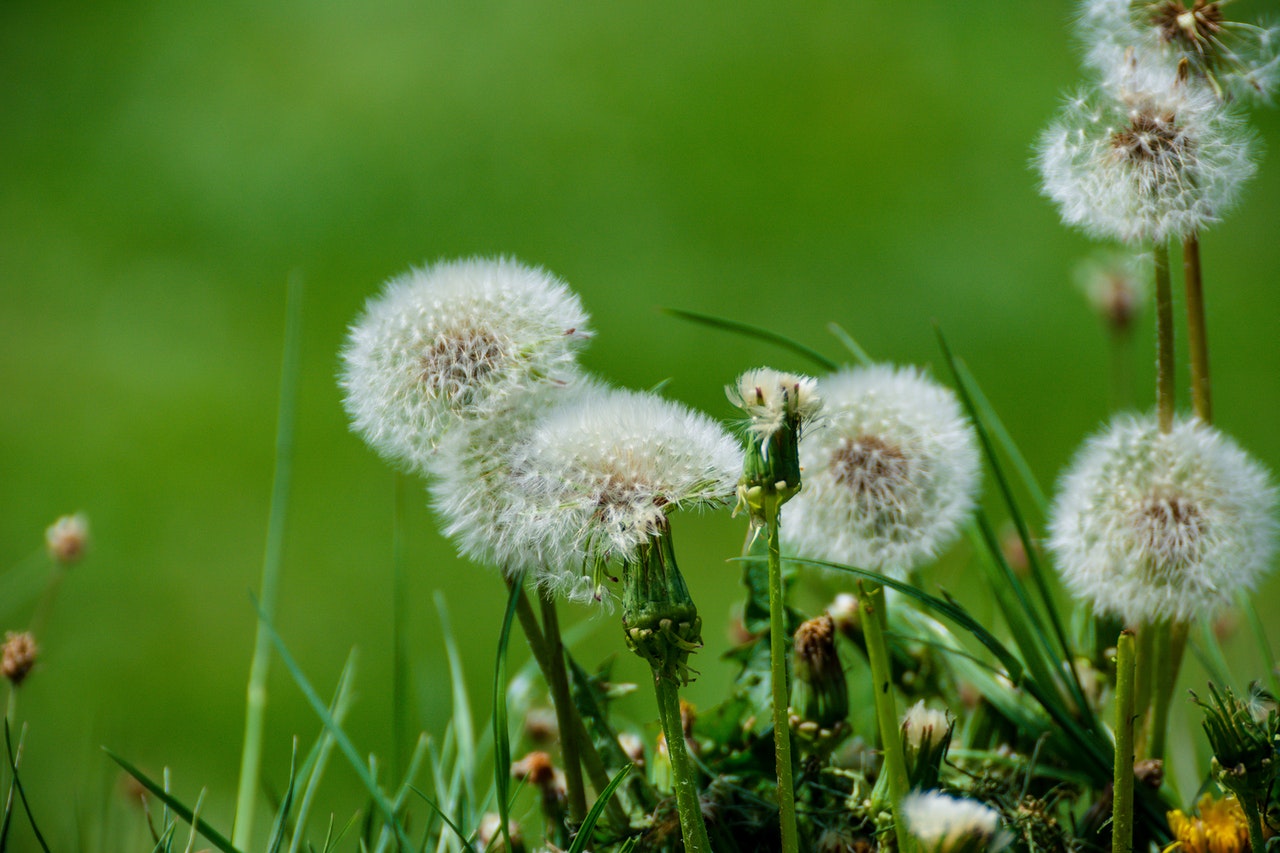
Image Source: organiclawnsbylunseth.com
How Do I Kill Dandelions In My Lawn: Best Methods
Yes, you can effectively kill dandelions in your lawn. The best methods combine proactive prevention with targeted removal strategies. This comprehensive guide will explore various approaches, from gentle natural dandelion removal to more potent chemical dandelion treatment, helping you achieve a pristine, weed-free lawn.
Dandelions, with their bright yellow flowers and fluffy seed heads, are a common nuisance for many homeowners. While some might appreciate their fleeting bloom, most desire a uniformly green, manicured lawn free of these persistent invaders. Battling dandelions requires a multi-pronged approach, focusing on lawn care for dandelions that not only eliminates existing weeds but also prevents new ones from taking root. This article will delve into the most effective ways to tackle dandelions, ensuring your lawn remains a vibrant green carpet.
Why Dandelions Thrive and How to Stop Them
Dandelions are remarkably successful weeds due to several key characteristics:
- Deep Taproots: Their extensive taproots can reach up to 10-15 inches deep, anchoring them firmly and making them difficult to pull completely by hand. If any part of the root remains, the plant can regenerate.
- Prolific Seed Production: A single dandelion plant can produce hundreds of seeds, which are easily dispersed by wind, pets, and even your shoes.
- Adaptability: They thrive in various soil conditions and are often more vigorous than the surrounding turfgrass, especially in weakened lawns.
- Early Spring Growth: Dandelions emerge and flower early in the spring, often before the turfgrass has fully greened up, making them highly visible.
The cornerstone of effective lawn weed prevention is a healthy, dense turf. A well-maintained lawn naturally crowds out weeds, leaving less space and fewer resources for them to establish. This involves proper mowing, watering, and fertilization.
The Right Time: Best Time to Kill Dandelions
Timing is crucial for effective dandelion control. The best time to kill dandelions is when they are actively growing and before they go to seed.
- Early Spring: This is an ideal time. Dandelions are usually the first broadleaf weeds to appear, and the turf is just starting its growth cycle. Applying treatments before the dandelions flower and produce seeds is key.
- Fall: While often overlooked, fall is also a prime time for dandelion control. The plant is still actively drawing nutrients down into its root system, making post-emergent weed control treatments more effective. Treating in the fall can significantly reduce the number of dandelions that emerge the following spring.
- Avoid Peak Summer Heat: During hot, dry summer periods, both your turf and dandelions may be stressed. Applying herbicides during this time can sometimes damage your lawn more than the weeds, or the weeds might not be actively growing, reducing the effectiveness of the treatment.
Methods for Dandelion Eradication
There are several effective methods for killing dandelions, ranging from manual labor to chemical applications. The best approach for you will depend on your preferences, the severity of the infestation, and your commitment to natural dandelion removal versus chemical treatments.
1. Manual Dandelion Pulling: The Hands-On Approach
Manual dandelion pulling is a satisfying and environmentally friendly method, especially for scattered infestations.
- How it Works: The goal is to remove the entire taproot.
- Tools:
- Dandelion Weeder/Crabgrass Killer Tool: These specialized tools have a long, forked end designed to go deep into the soil and lever out the taproot.
- Kitchen Knife or Screwdriver: A sturdy knife or flathead screwdriver can also be used to loosen the soil around the root.
- Garden Fork: For larger areas or particularly stubborn weeds, a garden fork can help loosen the soil.
- Technique:
- Loosen the Soil: Water the area thoroughly an hour or two before pulling. Moist soil makes it much easier to extract the entire root.
- Insert the Tool: Place the weeder tool as close to the dandelion base as possible, angling it to reach the taproot.
- Lever and Pull: Gently push the tool into the ground and lever it to loosen the soil around the root. Then, carefully pull the dandelion straight up.
- Check for Root: Inspect the pulled weed to ensure the entire taproot is removed. If it breaks off, the plant can regrow.
- Dispose: Place pulled dandelions in a bag and discard them to prevent seeds from spreading.
- Pros:
- Environmentally friendly, no chemicals used.
- Immediate results.
- Can be done anytime.
- Cons:
- Time-consuming and labor-intensive for large infestations.
- Requires persistence to ensure the entire root is removed.
- Can leave small holes in the lawn if not done carefully, which weeds can then colonize.
2. Organic Weed Killer Options
For those seeking organic weed killer solutions, several natural options are available that can be effective against dandelions.
- Vinegar: Horticultural vinegar (with a higher acidity, around 20%) can be effective. Household vinegar (5%) may also work on young plants but is less potent.
- How it Works: The acetic acid in vinegar dehydrates the plant tissue, killing the foliage. It works best on young, actively growing dandelions.
- Application: Spray directly onto the dandelion leaves on a sunny, calm day. Be careful not to spray the surrounding grass, as vinegar is non-selective and will kill any plant it contacts.
- Effectiveness: It primarily kills the top growth. Repeated applications may be necessary to weaken and eventually kill the taproot.
- Salt: Salt can dehydrate plants.
- How it Works: Absorbed by the roots, it disrupts cellular function.
- Application: A small amount of salt can be applied directly to the crown of the dandelion.
- Caution: Salt can damage your soil and prevent any plant growth in that area for a long time. Use sparingly and with extreme caution, as it can harm your lawn grass.
- Boiling Water: Simple and effective for small patches.
- How it Works: The extreme heat destroys plant cells.
- Application: Carefully pour boiling water directly onto the dandelion.
- Caution: Like vinegar and salt, it will also kill any grass it touches. Best for cracks in sidewalks or driveways.
- Corn Gluten Meal (Pre-emergent): While not a direct killer of established dandelions, corn gluten meal acts as a pre-emergent for dandelions.
- How it Works: It inhibits root formation in germinating seeds.
- Application: Applied in early spring before dandelion seeds germinate.
- Pros: Adds nitrogen to the soil, improving lawn health.
- Cons: Effectiveness can be variable and requires precise timing.
3. Homemade Dandelion Killer Recipes
Many gardeners experiment with homemade dandelion killer concoctions. While some can offer temporary relief, their effectiveness against established taproots is often limited compared to commercial products or thorough manual removal.
Here are a couple of common recipes:
-
Vinegar, Salt, and Dish Soap Mixture:
- Ingredients: 1 gallon of horticultural vinegar (20%), 1 cup of salt, 1 tablespoon of liquid dish soap.
- Instructions: Mix ingredients thoroughly in a spray bottle or garden sprayer.
- Application: Spray directly onto dandelion leaves on a sunny day.
- Caution: This is a strong, non-selective herbicide. It will kill any plant it contacts, including your lawn grass. Use with extreme care and target only the dandelions. The salt can also affect soil health long-term.
-
Vinegar and Lemon Juice:
- Ingredients: 1 cup of white vinegar, 1 tablespoon of lemon juice, 1 teaspoon of dish soap.
- Instructions: Combine in a spray bottle.
- Application: Spray directly onto dandelion leaves.
- Effectiveness: Less potent than horticultural vinegar mixes but still has some desiccant effect.
Important Note: Homemade herbicides, especially those containing salt and strong vinegar, can be harmful to your soil and surrounding desirable plants. Always test in a small area first and use with caution.
4. Chemical Dandelion Treatment: Herbicides
Chemical treatments offer a more potent and often quicker solution for dandelion control. These typically fall into two categories: pre-emergent for dandelions and post-emergent weed control.
4.1. Pre-Emergent Herbicides
- How they Work: Pre-emergent herbicides are applied before dandelion seeds germinate. They create a chemical barrier in the soil that kills weed seedlings as they sprout.
- Timing: Crucial for effectiveness. Applied in early spring before soil temperatures consistently reach 50-55°F.
- Examples: Products containing dithiopyr, trifluralin, or pendimethalin.
- Pros: Prevents new dandelions from establishing.
- Cons: Does not kill existing weeds. Requires precise timing. Can affect the germination of desirable grass seed if applied too late or if overseeding is planned.
4.2. Post-Emergent Herbicides
- How they Work: Post-emergent herbicides are designed to kill weeds that have already emerged. They are absorbed by the leaves and translocated down to the roots.
- Types:
- Selective Herbicides: These are formulated to kill broadleaf weeds like dandelions without harming grasses. They are the most common choice for lawn care.
- Non-Selective Herbicides: These kill all plants they contact, including grass. They are best used for spot treatments in areas where you don’t mind killing everything, like cracks in sidewalks.
- Active Ingredients to Look For:
- 2,4-D: A widely used selective herbicide for broadleaf weeds.
- Mecoprop (MCPP): Another common selective herbicide.
- Dicamba: Often used in combination with 2,4-D and MCPP for broader spectrum control.
- Triclopyr: Effective against a wide range of broadleaf weeds.
- Carfentrazone-ethyl: A newer, fast-acting contact herbicide.
- Application:
- Read the Label: Always read and follow the product label instructions carefully.
- Best Time: Apply when dandelions are actively growing and not stressed by drought or extreme heat. Early spring and fall are often ideal.
- Spot Treatment vs. Broadcast: For scattered dandelions, spot treatment with a spray bottle is most efficient and minimizes chemical use. For widespread infestations, a broadcast spreader or sprayer may be used.
- Weather Conditions: Avoid spraying on windy days to prevent drift onto desirable plants. Do not water the lawn for at least 24 hours after application.
- Pros: Highly effective at killing existing dandelions, including their roots. Selective herbicides protect your lawn grass.
- Cons: Chemical use raises environmental concerns. Improper application can damage desirable plants or harm beneficial insects.
5. Lawn Care for Dandelions: A Holistic Approach
Beyond direct removal, adopting good lawn care for dandelions practices will help create an environment where they struggle to survive.
- Mowing Height: Mow your lawn at the higher end of the recommended range for your grass type (typically 3-4 inches). Taller grass shades the soil, making it harder for weed seeds to germinate and providing a competitive advantage to the turf.
- Proper Watering: Water deeply and infrequently. This encourages deep root growth in your grass, making it more resilient. Shallow, frequent watering can weaken turf and create ideal conditions for shallow-rooted weeds.
- Fertilization: Feed your lawn with the appropriate fertilizer at the right times of the year. A healthy, well-fed lawn can outcompete weeds.
- Aeration and Dethatching: These practices improve soil structure, water penetration, and air circulation, all of which promote a healthier turf that is less susceptible to weed invasion.
- Overseeding: In the fall, overseed thin or bare patches of your lawn with high-quality grass seed. This fills in gaps where weeds might otherwise establish.
Best Practices for Effective Dandelion Control
To maximize your success in eliminating dandelions, consider these best practices:
- Integrated Pest Management (IPM): This approach combines various methods – mechanical, cultural, and chemical – to manage weeds in the most environmentally sound and effective way. Start with cultural and mechanical methods (healthy lawn, manual pulling) and resort to chemical treatments only when necessary and with careful consideration.
- Persistence is Key: Dandelions are tenacious. You may need to repeat treatments or pulling efforts over several seasons to significantly reduce their population.
- Identify and Treat Early: The sooner you spot and address dandelions, the easier they are to control. Don’t let them go to seed.
- Protect Your Lawn: When using any chemical treatment, ensure it is labeled for use on your specific type of lawn grass. Always follow label directions precisely.
- Consider the Environment: Opt for natural or organic methods whenever feasible. If you must use chemicals, choose the least toxic option and apply it precisely where needed.
Common Dandelion Control Strategies Table
| Method | Pros | Cons | Best For |
|---|---|---|---|
| Manual Dandelion Pulling | Eco-friendly, immediate results, no chemicals | Labor-intensive, may not remove entire root, can leave holes | Scattered weeds, small lawns, organic gardening |
| Organic Weed Killer | Natural, safe for environment/pets (if careful) | Less potent, may require repeat applications, can affect desirable plants if not applied precisely | Small infestations, eco-conscious homeowners |
| Homemade Killer | Readily available ingredients | Variable effectiveness, can harm soil and grass, requires careful application | Experimental use, small patches, specific targeting |
| Pre-Emergent Herbicide | Prevents new growth | Does not kill existing weeds, requires precise timing | Proactive prevention in spring |
| Post-Emergent Herbicide | Kills existing weeds, including roots | Chemical use, potential harm to environment/grass if misused, requires careful application | Moderate to heavy infestations, quick results needed |
| Good Lawn Care | Prevents future weeds, healthy lawn | Long-term strategy, does not remove existing weeds | All lawn owners, foundation for weed control |
Frequently Asked Questions (FAQ)
Q1: Will vinegar kill dandelions?
A1: Yes, horticultural vinegar (20% acidity) can kill dandelions by dehydrating their foliage. Household vinegar (5%) is less effective but can work on young weeds. However, vinegar is a non-selective herbicide, meaning it will also kill grass and any other plants it contacts, so precise application is essential. It typically kills the top growth, and repeated applications might be needed to impact the deep taproot.
Q2: Is there a natural way to get rid of dandelions permanently?
A2: Achieving permanent eradication naturally is challenging but possible with consistent effort. Combining thorough manual dandelion pulling (ensuring the entire taproot is removed) with robust lawn care for dandelions practices that promote a dense, healthy turf will significantly reduce their presence over time. Using organic pre-emergents like corn gluten meal can also help prevent new seedlings.
Q3: When is the absolute best time to kill dandelions?
A3: The best time to kill dandelions is in the early spring when they are actively growing and before they flower and set seed. Fall is also an excellent time for post-emergent weed control as the plant is storing energy in its roots.
Q4: Can I use a weed killer that kills dandelions but not my grass?
A4: Yes, selective post-emergent weed control herbicides are designed specifically for this purpose. Look for products that list dandelions as a target weed and are labeled for use on your type of lawn grass. Common active ingredients include 2,4-D, MCPP, and Dicamba. Always read and follow the product label.
Q5: How do I prevent dandelions from coming back next year?
A5: Effective lawn weed prevention involves several strategies. Maintaining a thick, healthy lawn through proper mowing, watering, and fertilization is paramount. Applying a pre-emergent for dandelions in early spring before seeds germinate can also be highly effective. Continue with manual pulling of any stray dandelions as soon as they appear and before they go to seed. Fall is also a critical time for control efforts.
By employing a combination of these methods, you can effectively manage and ultimately conquer dandelions, transforming your lawn into the green, healthy space you desire. Remember, consistency and timely action are your greatest allies in the battle against these persistent yellow invaders.