
Can you get rid of dandelions in your lawn fast? Yes, you can! Getting rid of dandelions quickly involves a combination of manual removal, targeted treatments, and preventative measures.
Dandelions, with their cheerful yellow blooms and fluffy seed heads, are a common sight in many lawns. While some might find them charming, most homeowners see them as persistent weeds that detract from a lush, green yard. The good news is that with the right approach, you can effectively tackle these sunny invaders and reclaim your lawn’s pristine appearance. This guide will walk you through various dandelion eradication methods, from quick fixes to long-term dandelion control strategies.
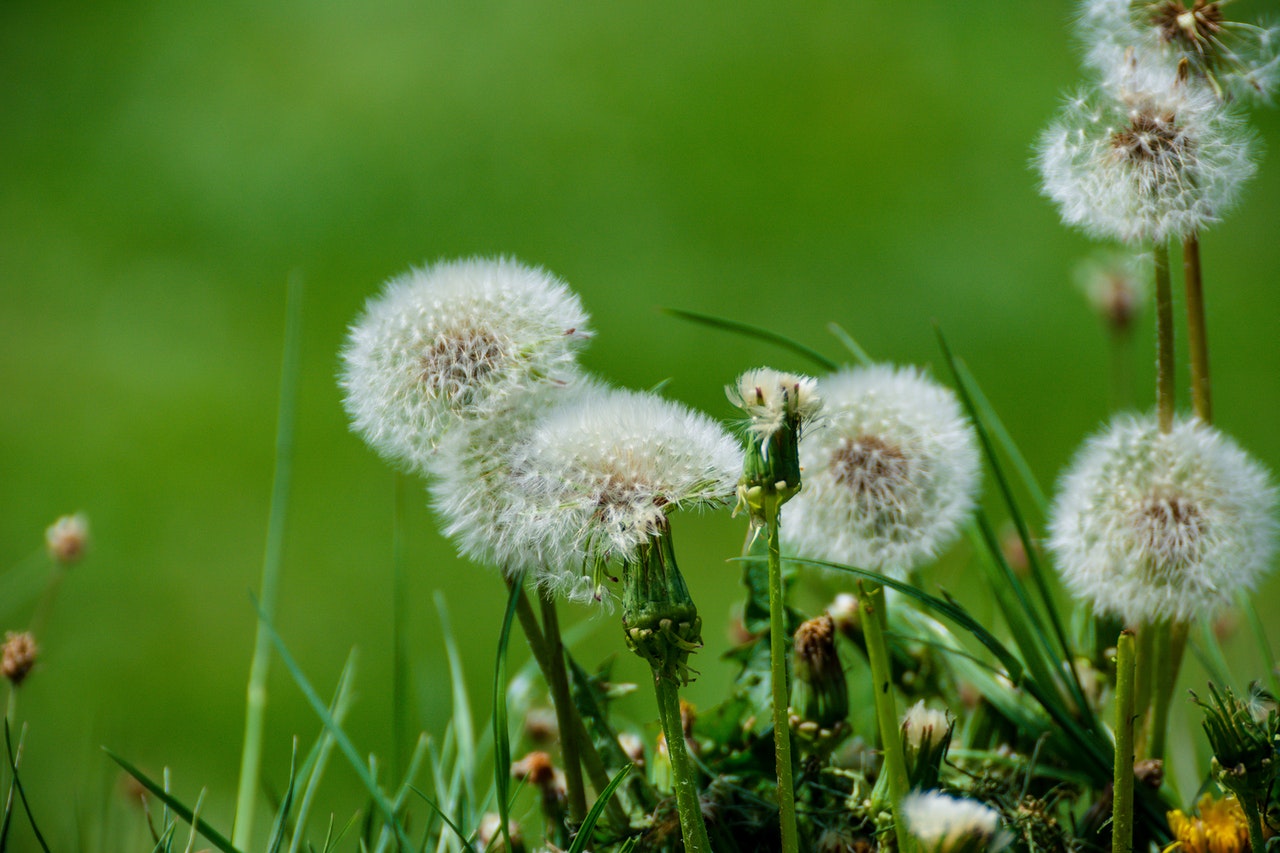
Image Source: organiclawnsbylunseth.com
Quick Wins: Immediate Dandelion Removal
When you want to get rid of dandelions fast, immediate action is key. These methods focus on removing existing plants before they can spread further.
Manual Dandelion Removal
The most direct and often fastest way to eliminate individual dandelions is by hand. This method is effective, especially when dandelions are few and far between, and it’s an excellent approach for those seeking organic dandelion removal.
Tools for Manual Removal
- Dandelion Puller/Weeder: These specialized tools are designed to grasp the dandelion taproot, making it easier to pull the entire plant out without breaking the root.
- Garden Fork or Trowel: If you don’t have a specific weeder, a sturdy trowel or a garden fork can be used to loosen the soil around the dandelion, helping you to extract the root.
- Gloves: Protect your hands while you work.
The Process of Pulling Dandelions
- Timing is Crucial: The best time to pull dandelions is after a good rain or watering. Moist soil makes it easier to pull out the entire taproot.
- Get to the Root: Insert your chosen tool deep into the soil, aiming to go past the taproot.
- Wiggle and Pull: Gently wiggle the tool to loosen the soil around the root. Then, grip the dandelion by its base (as close to the soil line as possible) and pull steadily upwards.
- Inspect for Root Fragments: Dandelions have a deep taproot. If you leave any part of the root behind, it can regrow. Make sure you’ve removed the entire root.
- Dispose Properly: Place pulled dandelions in a bag and discard them. Do not compost them, as they can still spread seeds or regrow from root fragments.
Pros of Manual Removal:
- Immediate Results: You see the weed gone right away.
- Environmentally Friendly: No chemicals involved.
- Cost-Effective: Requires minimal investment in tools.
- Selective: You only remove the target weed.
Cons of Manual Removal:
- Time-Consuming: Can be tedious if you have a large infestation.
- Requires Effort: It’s physical work.
- Root Breakage: If not done carefully, the root can break, leading to regrowth.
Using a Natural Dandelion Killer
For a quick, chemical-free approach to tackling dandelions, a natural dandelion killer can be effective for spot treatments. These are often based on natural acids or oils that kill the plant on contact.
Common Natural Dandelion Killers
- Vinegar: Horticultural vinegar (often 20% acetic acid) is much stronger than household vinegar and can quickly kill the foliage of dandelions. Household vinegar (5%) can also work but may require repeat applications.
- Salt: A solution of salt and water can dehydrate and kill dandelions. Use with caution, as salt can harm your lawn grass if applied too liberally.
- Boiling Water: Pouring boiling water directly onto dandelions is a simple and effective way to kill them instantly. Be extremely careful not to splash yourself or your desirable plants.
How to Apply Natural Killers
- Targeted Application: Apply these solutions directly to the dandelion’s leaves and stem. Avoid spraying on your lawn grass, as they can damage it too.
- Repeat if Necessary: For persistent dandelions, you may need to reapply the treatment.
- Best Time to Apply: Apply on a warm, sunny day when the plant is actively growing. This helps the solution to work more effectively.
Pros of Natural Killers:
- Fast-Acting: Often show results within hours.
- Environmentally Sound: Biodegradable and generally safe for pets and children once dry.
- Readily Available: Ingredients are common household items.
Cons of Natural Killers:
- Non-Selective: Can damage or kill any plant they come into contact with, including grass.
- May Not Kill the Root: Some natural killers only affect the top growth, and the root may survive and regrow.
- Repeat Applications: Often require multiple treatments.
Effective Dandelion Treatments for Your Lawn
Beyond immediate fixes, several best dandelion treatment options offer more comprehensive weed control dandelions. These strategies aim to eliminate existing weeds and prevent new ones from establishing.
Chemical Dandelion Control
For rapid and widespread dandelion infestations, chemical dandelion control is often the most efficient solution. These products are designed to target broadleaf weeds like dandelions without harming most lawn grasses.
Types of Dandelion Herbicides
- Selective Herbicides: These are designed to kill specific types of weeds (broadleaf weeds) while leaving grass unharmed. They are the most common type for lawn care.
- Broadleaf Weed Killers: Many commercial products fall into this category, containing active ingredients like 2,4-D, MCPP, or Dicamba.
- Pre-emergent Herbicides: These are applied before weed seeds germinate, preventing them from growing. They are useful for preventing dandelions in the spring and fall.
- Post-emergent Herbicides: These are applied to actively growing weeds to kill them.
How to Use Chemical Herbicides Safely and Effectively
- Read the Label: Always read and follow the manufacturer’s instructions carefully. This includes application rates, timing, and safety precautions.
- Choose the Right Product: Select a herbicide specifically labeled for dandelions and safe for your type of lawn grass.
- Apply at the Right Time: The most effective time to apply post-emergent herbicides is when dandelions are young and actively growing, typically in spring or fall. Avoid applying during hot, dry weather or when rain is imminent.
- Spot Treatment vs. Broadcast: For smaller infestations, spot treatment with a spray bottle is best. For widespread issues, you might use a broadcast spreader.
- Safety First: Wear protective clothing, including gloves, long sleeves, and pants, when applying herbicides. Keep pets and children off the lawn until the product has dried.
Pros of Chemical Control:
- Fast and Effective: Can quickly kill large numbers of dandelions.
- Targeted Action: Selective herbicides are designed to spare your lawn grass.
- Long-Lasting: Some products offer residual control.
Cons of Chemical Control:
- Environmental Concerns: Potential impact on non-target plants, beneficial insects, and water sources if not used correctly.
- Health Risks: Potential health risks to humans and pets if not handled with care.
- Resistance: Over-reliance can lead to herbicide-resistant weeds.
- Cost: Can be more expensive than manual methods.
Integrated Dandelion Control Strategies
The most successful dandelion eradication methods often involve a combination of approaches. This integrated strategy focuses on both killing existing weeds and creating a lawn environment that discourages them.
Fertilizing for a Healthy Lawn
A thick, healthy lawn is the best defense against weeds. Dandelions thrive in thin, stressed turf.
- Proper Mowing: Mow your lawn at the correct height for your grass type (usually 3-4 inches). Taller grass shades the soil, preventing weed seeds from germinating.
- Regular Fertilization: Feed your lawn with the appropriate fertilizer at the right times of the year. This promotes dense growth and strengthens grass against weed competition.
- Adequate Watering: Water your lawn deeply and infrequently. This encourages deep root growth in your grass, making it more resilient.
Aeration and Dethatching
- Aeration: This process creates small holes in the soil, relieving compaction and allowing air, water, and nutrients to reach the grass roots. It helps your lawn grow thicker.
- Dethatching: A thick layer of thatch (dead grass clippings) can prevent water and nutrients from reaching the soil and can harbor pests and diseases. Dethatching removes this layer, improving lawn health.
Overseeding
- Filling Thin Spots: If your lawn has bare patches or thin areas, overseeding with a good quality grass seed can help fill these spaces with dense turf, leaving no room for dandelions to establish.
Preventing Dandelions Lawn
The best way to prevent dandelions lawn is to maintain a healthy, competitive turf. Proactive measures are crucial for long-term dandelion control.
Understanding Dandelion Life Cycle for Prevention
Dandelions are prolific seed producers. A single plant can release hundreds of seeds, which can travel long distances on the wind. Their life cycle involves:
- Germination: Seeds can germinate in spring or fall when soil temperatures are between 50-70°F (10-21°C).
- Growth: They grow rapidly, producing a rosette of leaves and then a flower stalk.
- Flowering and Seeding: Flowers bloom in spring and can appear throughout the summer and fall. Once pollinated, they develop into fluffy seed heads.
By disrupting this cycle, you can significantly reduce dandelion populations.
Fall Dandelion Control
Fall is a critical time for prevent dandelions lawn. Many herbicides are more effective in the cooler temperatures of fall, and this is also the best time to fertilize and overseed.
- Apply Post-Emergent Herbicides: Targeting dandelions in the fall, when they are storing energy in their roots for winter, is highly effective. This can prevent them from producing seeds the following spring.
- Overseed Thin Lawns: Fall is the ideal time to overseed. New grass can establish itself before winter and will be strong enough to compete with dandelions in the spring.
- Fertilize: A fall fertilizer application helps your grass build strong roots for winter and come back vigorously in the spring.
Spring Dandelion Management
In spring, focus on removing any dandelions that have survived the winter and on preventing new ones from establishing.
- Early Spot Treatment: As soon as you see dandelions, either pull them manually or spot-treat with an appropriate herbicide or natural killer.
- Pre-emergent Application: If you have a history of severe dandelion problems, consider a pre-emergent herbicide application in early spring before the seeds germinate. This creates a barrier that prevents seedlings from growing.
- Mowing Height: Ensure your mower is set to the correct height for your grass to promote healthy growth.
Dandelion Eradication Methods: A Comparative Look
Here’s a quick overview of different dandelion eradication methods and when they are most effective.
| Method | Speed of Results | Effectiveness for Large Infestations | Environmental Impact | Labor Intensive | Best Use Case |
|---|---|---|---|---|---|
| Manual Dandelion Removal | Immediate | Low | Very Low | High | Few dandelions, organic gardening |
| Natural Dandelion Killer | Fast (foliage) | Moderate | Low | Moderate | Spot treatment, organic approach |
| Chemical Herbicides | Fast | High | Moderate to High | Low | Widespread infestations, quick results needed |
| Healthy Lawn Maintenance | Slow/Long-term | Very High | Very Low | Low | Prevention, overall lawn health |
| Overseeding/Aeration | Slow/Long-term | High | Very Low | Moderate | Improving lawn density, preventing future weeds |
Frequently Asked Questions about Dandelion Removal
Q1: What is the fastest way to get rid of dandelions?
The absolute fastest way to get rid of visible dandelions is through manual pulling or spot-treating with a strong natural killer like horticultural vinegar or boiling water. However, for widespread infestations, chemical herbicides will provide the quickest overall reduction.
Q2: Can I get rid of dandelions without chemicals?
Yes, you can effectively get rid of dandelions without chemicals. Organic dandelion removal methods include manual pulling, using natural killers like vinegar or salt solutions, and promoting a dense, healthy lawn that outcompetes weeds.
Q3: When is the best time of year to treat dandelions?
The best times to treat dandelions are in the spring and fall. In spring, weeds are actively growing, making them susceptible to herbicides. In fall, weeds are storing energy in their roots, so treatments applied then are particularly effective at killing the entire plant and preventing regrowth the following year.
Q4: Will corn gluten meal kill dandelions?
Corn gluten meal acts as a pre-emergent, meaning it inhibits seed germination. It can help prevent dandelions lawn by stopping their seeds from sprouting. It will not kill established dandelions. It’s important to apply it at the correct time in the spring and fall, before dandelion seeds begin to germinate.
Q5: How do I stop dandelions from coming back?
To prevent dandelions lawn, focus on maintaining a healthy, dense lawn. This involves proper mowing, regular watering, appropriate fertilization, aeration, and overseeding thin areas. Address any dandelion issues promptly and consistently.
Q6: What is the best dandelion treatment for a large lawn?
For a large lawn with a significant dandelion problem, a selective broadleaf herbicide applied with a broadcast spreader or a hose-end sprayer is often the most efficient and effective solution. Always follow label directions for safe and proper application.
By understanding the different dandelion control strategies and applying the methods that best suit your situation, you can achieve a beautiful, weed-free lawn. Remember that consistency is key to long-term success in weed control dandelions.