
Can you leave political signs in your yard indefinitely? No, most local governments and homeowner associations (HOAs) have specific rules about how long political signs can stay up, often tied to election dates. Leaving them up too long can result in fines or removal.
Political signs are a familiar sight during election seasons. They’re a way for candidates and supporters to show their allegiance and encourage others to vote. But there’s a common question many people have: How long can you actually leave these signs in your yard? The answer isn’t a simple “forever.” Instead, it’s a complex mix of local rules, state laws, and sometimes, even HOA restrictions.
This post will dive deep into the world of political sign ordinances, helping you navigate the often-confusing landscape of campaign sign regulations and understand election sign removal dates. We’ll explore local sign laws, HOA sign restrictions, and even state political sign laws to give you a clear picture. Knowing these rules can save you from headaches and potential fines.
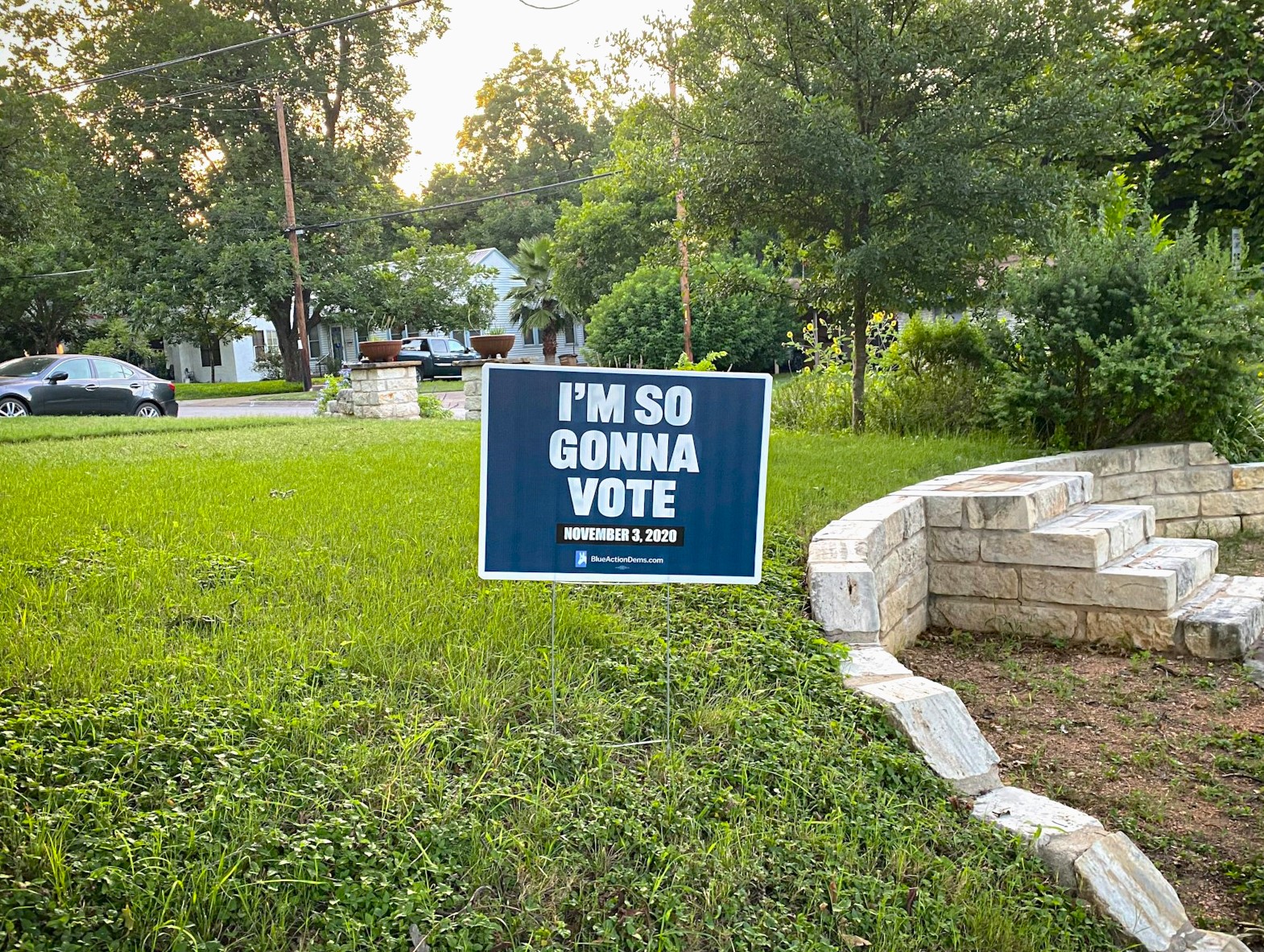
Image Source: static.yardsignplus.com
Decoding Local Sign Laws
The most crucial factor in determining how long you can display a political sign is your local government. Cities and counties across the nation have enacted political sign ordinances that dictate everything from the size and placement of signs to, importantly, their duration. These laws are often created to balance free speech rights with the community’s desire for aesthetic appeal and to avoid the appearance of perpetual campaigning.
Varying Timeframes: A Patchwork of Rules
What one town permits, another might prohibit. There’s no single federal law governing the length of time a political sign can remain in a yard. This means you need to research the specific rules for your area.
- Post-Election Removal: Many ordinances specify a short period after the election has concluded for signs to be removed. This could be anywhere from 24 hours to a week or more. The idea is to clear the public spaces and private yards once the election is decided.
- Pre-Election Limits: Some areas also have rules about when you can start putting up signs. While less common for private residential yards than for public property, it’s worth noting.
- No Specific End Date: In some cases, local laws might not specify an exact removal date but instead refer to the sign being “temporary” or related to a specific election. Once that election is over, the sign’s purpose is arguably fulfilled, and it could be deemed a violation if left indefinitely.
The Importance of Research
The best way to know for sure is to check with your local city or county clerk’s office. Their websites often have information on sign regulations, or you can call them directly. Looking for terms like “sign ordinance,” “election signage,” or “temporary signage regulations” on your local government’s website is a good starting point.
State Political Sign Laws: A Broader Perspective
While local ordinances usually hold the most sway for yard signs, some states have enacted laws that preempt or influence these local rules. These state political sign laws often aim to protect political speech and may prevent overly restrictive local measures.
Balancing Free Speech and Local Control
The First Amendment to the U.S. Constitution protects freedom of speech. This protection extends to political expression, including yard signs. However, this right is not absolute. Governments can impose reasonable time, place, and manner restrictions on speech. For political signs, these restrictions often focus on:
- Size: Limiting how large a sign can be.
- Height: Specifying how tall a sign can be.
- Number: Restricting how many signs one property can display.
- Duration: Setting limits on how long signs can be displayed, especially around election times.
When State Laws Trump Local Ones
In some states, legislation exists to prevent local governments from banning political signs altogether or from having overly stringent regulations that unduly burden political speech. For example, a state law might specify that political signs can remain up for a certain number of days before and after an election, regardless of what a local ordinance says.
However, these state-level protections are not universal, and their scope can vary greatly. It’s essential to see if your state has specific laws that might override or supplement your local political sign ordinances. Again, checking your state’s legislative website or contacting your state representative’s office can provide clarity.
HOA Sign Restrictions: When Private Rules Apply
If you live in a community governed by a Homeowners Association (HOA), you have another layer of rules to consider. HOA sign restrictions can be even more stringent than local government laws. HOAs often aim to maintain a certain aesthetic within the community, and this can include strict rules about what residents can display on their property.
The Power of CC&Rs
HOAs operate based on Covenants, Conditions & Restrictions (CC&Rs). These are legally binding documents that all homeowners agree to abide by when they purchase a property in an HOA community. CC&Rs often contain detailed provisions about signage.
- Permitted vs. Prohibited: HOAs might prohibit political signs entirely, or they may allow them but with strict limitations on size, duration, and design.
- Specific Timeframes: An HOA might require political signs to be removed immediately after the election, or they may have their own designated removal dates.
- “Temporary Political Signage” Policies: Some HOAs have specific policies for temporary political signage that outline the allowed display periods.
Navigating HOA Rules
If you are in an HOA, you must consult your CC&Rs or contact your HOA board for information on their specific sign policies. It’s crucial to adhere to these rules, as violations can lead to fines, demands for removal, or even liens on your property.
Important Consideration: In some cases, state laws might limit an HOA’s ability to restrict political signs, similar to how they can limit local government ordinances. If you believe your HOA’s restrictions are overly burdensome and potentially violate your right to political expression, you may need to research state laws that protect homeowners from unreasonable HOA rules.
Types of Political Signs and Their Rules
The type of political sign you are displaying can also influence the regulations. Generally, these are divided into a few categories:
Campaign Signs
These are the most common type, advocating for a specific candidate or ballot measure. Their display is almost always tied to the election cycle.
Issue-Oriented Signs
These signs express support or opposition to a particular issue (e.g., supporting a local park initiative, opposing a new development). The rules for these can sometimes differ from campaign signs, as they aren’t always tied to a specific election date. However, many political sign ordinances will treat them similarly in terms of size and duration to prevent the appearance of permanent political statements cluttering neighborhoods.
Residential vs. Commercial Signs
Rules can also differ for signs on residential properties versus those on commercial properties. Residential yards are often subject to stricter aesthetic rules, while commercial zones might have different regulations.
Key Elements of Political Sign Ordinances
When examining political sign ordinances, several key elements are typically addressed:
Size Limitations
Most regulations will specify a maximum size for political signs. This is often to maintain visual harmony in neighborhoods and prevent signs from becoming traffic hazards or overwhelming the landscape. Common limits might be 4 square feet per side for residential areas, with larger limits possible for businesses.
Placement Rules
Yard sign placement rules are also common. These dictate where on your property a sign can be placed.
- Setbacks: Signs often cannot be placed too close to the street or sidewalk (setbacks from property lines are common).
- Visibility: Some rules aim to ensure signs don’t obstruct visibility for drivers at intersections.
- Public vs. Private Property: Rules for public property (like parkways or medians) are usually much stricter and often prohibit signs altogether, or have very short time limits. Most of the discussion here focuses on private residential property.
Number of Signs
There might be limits on how many signs you can display at one time. This prevents an overwhelming visual presence.
Duration of Display
As we’ve discussed, this is a critical factor. Ordinances will often specify:
- Pre-Election Period: When signs can be put up.
- Post-Election Removal Dates: When they must be taken down.
This is where election sign removal dates become most relevant. For instance, an ordinance might state that signs supporting a candidate in a November election must be removed within 10 days of election day.
Campaign Literature Disposal: A Related Concern
While not directly about yard signs, the rules surrounding campaign literature disposal can sometimes be linked. Once an election is over, and you’re taking down your signs, you might also have leftover flyers, brochures, or other campaign materials. While there are rarely strict laws about disposing of these personal items, responsible disposal is good practice. Recycling is always a preferred option for paper-based materials.
Post-Election Sign Removal: What Happens Next?
The period immediately following an election is when post-election sign removal becomes critical. Local governments and HOAs will often begin enforcing their regulations more strictly during this time.
Enforcement and Penalties
If you fail to remove your political signs by the mandated deadline, you could face:
- Fines: Many ordinances include penalty clauses for non-compliance. These fines can be daily or a one-time penalty.
- Sign Removal by Authorities: In some cases, the local government or HOA may have the right to remove the signs themselves and charge you for the cost of removal.
- HOA Action: As mentioned, HOAs can impose fines, suspend privileges, or even place liens on your property for violations.
Staying Compliant
The easiest way to avoid penalties is to be aware of and follow the rules. Make a note of the election date and mark your calendar with the required sign removal date. Don’t wait until the last minute.
Navigating Temporary Political Signage
The concept of temporary political signage is central to most regulations. These rules recognize that political campaigning is a temporary activity.
What Constitutes “Temporary”?
Generally, a sign is considered temporary if it’s related to an upcoming election or a specific ballot measure. Once the election is over, the sign loses its temporary status and becomes, in the eyes of many ordinances, a permanent sign that may be subject to different, often stricter, rules. This is why post-election sign removal is so important.
Yard Sign Placement Rules: Common Pitfalls
Beyond duration, common issues arise with yard sign placement rules:
- Public Easements: Placing signs in public easements or rights-of-way (areas between the sidewalk and the street) is often prohibited. While these areas may look like part of your yard, they often belong to the municipality.
- Blocking Sightlines: Signs that obstruct the view of drivers at intersections are a safety hazard and are frequently cited for removal.
- Attachment to Public Fixtures: Attaching signs to utility poles, street signs, or public trees is almost universally prohibited.
Federal vs. State vs. Local Laws: Who Wins?
This can be a tricky area. Generally, the hierarchy of laws is:
- U.S. Constitution: Provides broad rights, including free speech.
- Federal Laws: Pertain to national issues.
- State Laws: Can offer protections that local laws cannot infringe upon.
- Local Ordinances: Specific rules for cities, counties, towns.
- HOA Rules (CC&Rs): Private contractual agreements within a community.
A federal court ruling might strike down an ordinance if it’s found to be an unconstitutional restriction on free speech. Similarly, a state law might preempt a local ordinance if it sets a standard that local governments must follow. However, for the most part, when it comes to the duration of yard signs, local sign laws and HOA rules are what homeowners directly encounter and must comply with.
Frequently Asked Questions (FAQ)
Here are some common questions people have about political signs:
Q1: Can I put a political sign on my neighbor’s property?
A1: Generally, no. You need the property owner’s permission to place any sign on private property that is not your own. Placing a sign on someone else’s property without their consent can be considered trespassing.
Q2: Can my HOA ban political signs entirely?
A2: In many states, HOAs cannot ban political signs entirely, especially if they are related to elections. State laws often protect homeowners’ rights to display such signs, though HOAs can still impose reasonable restrictions on size, placement, and duration. You should check your state’s laws and your HOA’s governing documents.
Q3: What if my city has no specific rules about how long a political sign can stay up?
A3: Even without a specific removal date, signs are generally expected to be temporary and tied to an election. Leaving a sign up indefinitely could be interpreted as violating broader ordinances related to property maintenance or general sign regulations. It’s best to err on the side of caution and remove signs after the election.
Q4: Can I put a political sign on a public sidewalk or parkway?
A4: In most municipalities, placing signs on public property, including sidewalks, parkways (the strip of grass between the sidewalk and the street), or medians, is prohibited or has very strict, short-term allowances, if any. These areas are typically governed by separate public property ordinances.
Q5: What if I can’t afford to remove my signs immediately after the election?
A5: While understandable, financial hardship is rarely an accepted excuse for violating ordinances. It’s advisable to plan ahead. If you anticipate difficulty, contact your local code enforcement or HOA board before the deadline to explain your situation and see if any temporary extensions are possible. It’s always better to communicate than to ignore the rules.
Q6: Are there rules about the material of political signs?
A6: Some ordinances might have rules about how signs are affixed to the ground (e.g., requiring stakes that don’t damage the ground) or prohibit certain materials that could be hazardous, but this is less common than rules about size, placement, and duration.
Q7: What are considered “complex words” for readability formulas?
A7: Complex words are typically defined as words with three or more syllables. Readability formulas aim to simplify language by reducing the number of these words.
Q8: How do campaign literature disposal rules differ from political sign rules?
A8: Campaign literature disposal typically refers to paper materials like flyers and brochures. While there are rarely strict laws on how individuals must dispose of their personal campaign literature, responsible recycling is encouraged. Political sign rules, conversely, are legal ordinances enforced by governments or HOAs with potential penalties.
By familiarizing yourself with these guidelines and doing your due diligence with your local authorities and HOA, you can confidently display your political support without running afoul of the law. Remember, good civic practice includes respecting the rules that help keep our communities orderly and presentable.