
Can you get rid of mice in your garden safely? Yes, you absolutely can! This guide will show you how to tackle a backyard mice problem effectively and humanely. We’ll explore natural mouse deterrents, safe mouse traps, and methods for preventing mice in your garden altogether.
Mice in the garden can be a real nuisance. They nibble on plants, dig up bulbs, and can even carry diseases. Dealing with them requires a thoughtful approach, focusing on garden pest control that is both effective and safe for your family, pets, and the environment. This isn’t just about getting rid of them; it’s about preventing mice in garden spaces for the long term.
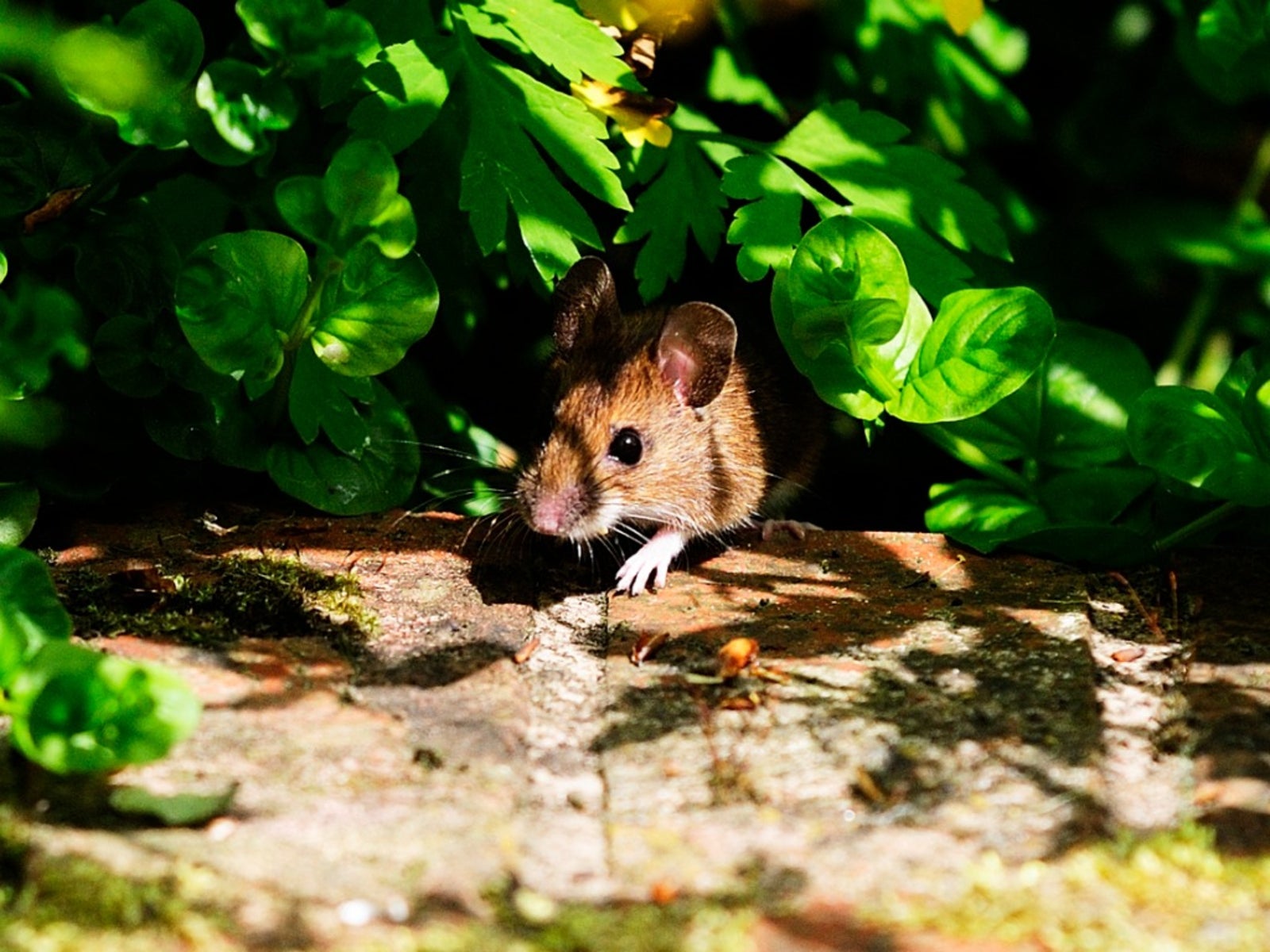
Image Source: cdn.mos.cms.futurecdn.net
Identifying Mouse Activity
Before you can get rid of mice, you need to know they are there. Identifying mouse activity is the first step. Look for signs like droppings, gnawed plants, small holes in the ground, or faint scratching noises.
Signs of Mice
- Droppings: These are small, dark, and rod-shaped, often found near food sources or along their travel paths.
- Gnaw Marks: Mice need to gnaw to keep their teeth in check. You might see this on plant stems, irrigation lines, or even wooden structures.
- Tracks: In dusty or muddy areas, you might find tiny footprints.
- Burrows/Holes: Mice create small burrows in the ground, often hidden under debris or dense foliage.
- Nests: Look for shredded plant material, insulation, or other soft items gathered together.
- Grease Marks: Mice often run along walls or edges, and their fur can leave oily marks.
Natural Mouse Deterrents for Your Garden
Many gardeners prefer natural mouse deterrents over harsh chemicals. These methods work by making your garden less attractive or hospitable to mice.
Scent-Based Repellents
Mice have a strong sense of smell and can be deterred by certain strong odors.
- Peppermint Oil: Soak cotton balls in peppermint oil and place them around your garden beds, especially near areas where you’ve seen activity. Reapply regularly as the scent fades.
- Cayenne Pepper: Sprinkle cayenne pepper around plants. The spiciness can irritate mice when they try to eat or burrow near it.
- Ammonia: Some people find that placing bowls of ammonia-soaked rags can deter mice, as they dislike the strong smell. Be cautious with this, as ammonia can be harmful if ingested by pets or children.
- Used Coffee Grounds: While not a strong repellent, some believe the scent and texture of used coffee grounds can discourage mice from nesting or foraging in certain areas.
Habitat Modification
Making your garden less appealing to mice is a key part of rodent control garden strategies.
- Remove Food Sources: This is crucial. Don’t leave pet food outdoors. Secure compost bins tightly. Clean up fallen fruits and vegetables promptly. Bird feeders can be a major attractant; consider feeders that are squirrel-proof and clean up spilled seed.
- Eliminate Shelter: Mice love hiding places. Keep your garden tidy. Trim back overgrown bushes and weeds. Remove piles of debris, woodpiles, or unused equipment where mice can nest.
- Seal Entry Points: If mice are getting into sheds or garages attached to your garden, seal any holes or cracks larger than a quarter inch.
Physical Barriers
Creating physical barriers can stop mice from reaching your plants.
- Hardware Cloth: For raised beds or vulnerable plants, consider using hardware cloth (a wire mesh). Bury it slightly around the base to prevent burrowing underneath.
- Netting: Fine netting can protect young plants or seedlings from being eaten.
Safe Mouse Traps: A Humane Approach
When deterrents aren’t enough, safe mouse traps are the next step in rodent control garden efforts. The goal is humane mouse removal whenever possible.
Live Traps
Live traps catch mice without harming them.
- How they work: These traps have a mechanism that allows the mouse to enter but not exit. They are designed to be gentle.
- Placement: Place traps along walls or known travel paths, baited with peanut butter, oats, or seeds.
- Checking traps: It’s essential to check live traps frequently, at least twice a day. Mice can die from stress or dehydration if left too long.
- Relocation: If you catch a mouse, relocate it far from your home and garden, ideally several miles away in a suitable habitat. Check local regulations regarding wildlife relocation.
Snap Traps (with caution)
Traditional snap traps are effective but can be lethal. If you choose to use them, safety for other animals is paramount.
- Placement: Place snap traps along walls or near signs of activity.
- Baiting: Peanut butter is a popular bait.
- Safety: Place snap traps in areas inaccessible to children and pets. You can use a bait station or a small box with an entrance hole just big enough for a mouse.
Glue Traps (Consider alternatives)
Glue traps are controversial. While they catch mice, they are often considered inhumane as the animal can suffer for a long time. If you must use them, check them very frequently and consider releasing the mouse far away if caught live. Many prefer to avoid these altogether.
Implementing Effective Garden Pest Control
Garden pest control is an ongoing process. Mice are not the only pests you might encounter. A holistic approach often works best.
Integrated Pest Management (IPM)
IPM combines several methods to manage pests. This includes:
- Prevention: As discussed, making your garden less attractive.
- Monitoring: Regularly checking for signs of pests.
- Intervention: Using the least toxic methods first.
Encouraging Natural Predators
Nature provides its own solutions!
- Owls: Install owl boxes in your yard. Owls are voracious predators of mice.
- Snakes: While some people are scared of snakes, non-venomous species are excellent at controlling rodent populations. Avoid killing them.
- Predatory Birds: Encourage birds of prey like hawks by providing perching spots.
Beneficial Insects
While not directly targeting mice, a healthy garden ecosystem with beneficial insects can indirectly help by keeping other pest populations in check, which might otherwise attract mice. This ties into organic pest control garden principles.
Preventing Mice in Your Garden Long-Term
The best way to deal with mice is to stop them from coming in the first place. Preventing mice in garden spaces requires consistent effort.
Garden Hygiene
- Cleanliness is Key: Regularly clear away fallen leaves, debris, and weeds. These offer shelter and nesting material.
- Edible Garden Management: Harvest ripe produce promptly. Don’t leave overripe or fallen fruit on the ground. Store harvested produce in rodent-proof containers.
- Composting: Use a well-sealed compost bin to prevent mice from accessing food scraps. Turn your compost regularly.
Landscape Design
- Reduce Hiding Spots: Avoid dense, overgrown areas. Keep grass mowed and trim bushes away from foundations.
- Elevate Structures: If you have sheds or garden furniture, elevate them slightly off the ground to make them less appealing as nesting sites.
- Water Management: Fix leaky faucets and irrigation systems. Standing water can attract mice and other pests.
Exclusion Methods
- Fencing: For specific garden beds, consider installing a sturdy fence made of hardware cloth. Ensure it’s buried at least six inches underground and extends at least two feet above ground to prevent climbing.
- Seal Gaps: Check sheds, garages, and homes for any small gaps or holes that mice could use to enter. Seal these with steel wool or caulk.
Dealing with a Backyard Mice Problem: A Step-by-Step Plan
Here’s a plan to tackle your backyard mice problem systematically.
- Confirm the Presence of Mice: Use the signs of identifying mouse activity discussed earlier.
- Identify Entry Points and Harborage: Where are they coming from? Where are they hiding?
- Remove Food and Water Sources: This is the most crucial step. Make your garden less attractive.
- Eliminate Shelter: Tidy up your garden, remove debris piles.
- Implement Deterrents: Use natural repellents like peppermint oil.
- Consider Traps (Safely): If necessary, use live traps for humane removal or carefully placed snap traps.
- Seal Entry Points: Prevent them from returning to structures.
- Maintain Vigilance: Continue to monitor and keep your garden clean.
Table: Natural Deterrents vs. Traditional Methods
| Method | Pros | Cons | Best For |
|---|---|---|---|
| Natural Repellents | Safe for pets/children, eco-friendly, non-lethal. | May need frequent reapplication, effectiveness can vary, might not deter severe infestations. | Mild deterrence, maintaining a healthy garden. |
| Habitat Modification | Highly effective long-term, addresses the root cause, sustainable. | Requires consistent effort and tidiness. | Preventing mice from being attracted to your garden. |
| Live Traps | Humane, catch-and-release is an option, non-toxic. | Requires frequent checking, relocation can be challenging, mice might return if not relocated far enough. | Humane removal of individual mice. |
| Snap Traps | Effective and quick, relatively inexpensive. | Lethal, requires careful placement to avoid non-target animals, can be unsightly. | When quick elimination is needed and safety is ensured. |
| Glue Traps | Catches mice. | Often considered inhumane, mice can suffer. Generally not recommended. | Avoid if possible. |
| Predator Encouragement | Natural, sustainable, part of a healthy ecosystem. | Takes time to establish, effectiveness depends on local wildlife. | Long-term, ecological pest control. |
Frequently Asked Questions (FAQ)
Q1: Are mice in the garden dangerous?
Mice themselves are generally not aggressive, but they can carry diseases that are transmitted to humans or pets through their droppings or urine. They can also damage plants, bulbs, and irrigation systems.
Q2: Can I use essential oils to repel mice in my garden?
Yes, peppermint oil is a popular and effective mouse repellent garden option. Other strong scents like eucalyptus or citronella may also work. Always use essential oils diluted and with caution around pets and children, ensuring they don’t ingest them.
Q3: How do I know if it’s mice or voles in my garden?
Mice tend to be more visible and gnaw on plants above ground. Voles are burrowers and create distinctive surface runways in the grass and chew on roots and stems below the soil line. Their droppings also differ; vole droppings are typically larger and more oval.
Q4: What is the best humane way to get rid of mice?
The best humane approach involves a combination of prevention (removing food, water, and shelter) and live trapping followed by relocation. Encouraging natural predators is also a great long-term solution.
Q5: How far away do I need to relocate a mouse?
To prevent them from returning, relocation should ideally be several miles away. Ensure the new location provides suitable habitat with food and shelter.
Q6: Can I use poison to get rid of mice in my garden?
Using rodenticides (poisons) in gardens is generally not recommended, especially if you have pets or children. There’s a risk of secondary poisoning to wildlife that might consume a poisoned mouse. It’s also not considered organic pest control garden friendly. Stick to safer methods.
By employing these strategies, you can effectively manage mice in your garden, creating a healthier and more enjoyable space for your plants and yourself. Remember that consistency and a multi-pronged approach are key to successful rodent control garden management.