
When your trusty lawn mower finally gives up the ghost, you might wonder, “How do I dispose of my lawn mower?” The most common and responsible answer is to properly dispose of it through designated recycling centers, hazardous waste facilities, or by utilizing junk removal services that handle equipment. Simply leaving it on the curb is often illegal and harmful to the environment. This guide will walk you through the best and safest ways to handle old lawn mower removal, ensuring you get rid of your mower responsibly and eco-consciously.
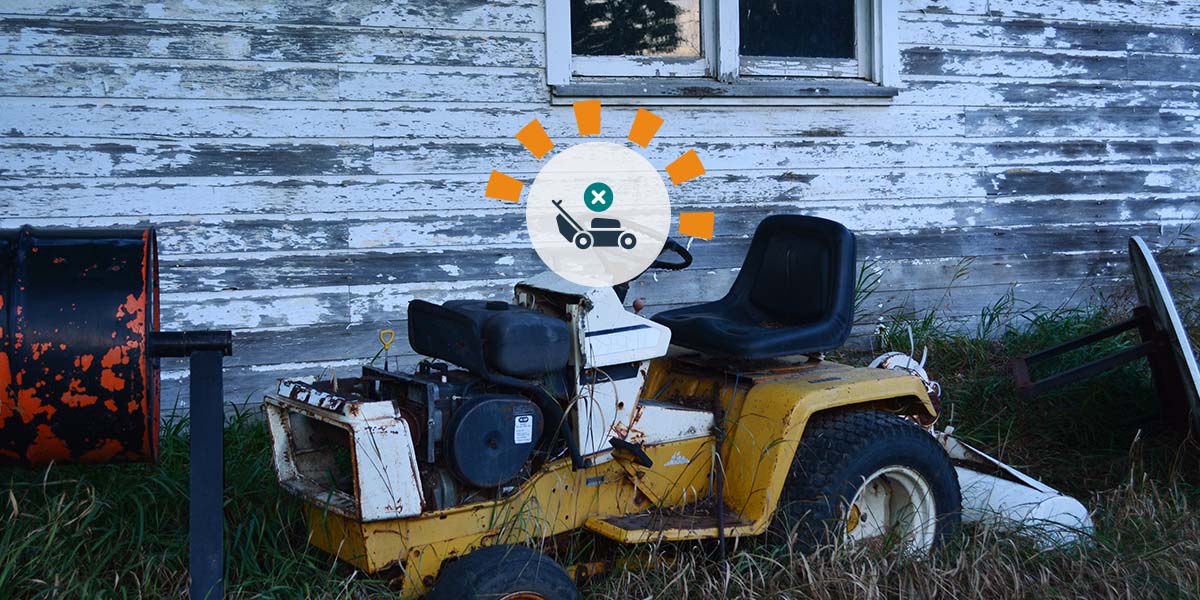
Image Source: dumpsters.com
Why Responsible Lawn Mower Disposal Matters
Throwing away an old lawn mower improperly can have serious environmental consequences. These machines often contain fluids like gasoline, oil, and battery acid, which are toxic and can contaminate soil and water if not handled correctly. Furthermore, many components of a lawn mower, such as metal parts and certain plastics, can be recycled, reducing the need for new raw materials and conserving energy. Responsible mower disposal is not just about decluttering your garage; it’s about protecting our planet.
Environmental Impact of Improper Disposal
- Soil and Water Contamination: Leaking gasoline, oil, and battery acid can seep into the ground, polluting soil and potentially reaching groundwater sources.
- Air Pollution: If burned, lawn mower components can release harmful pollutants into the atmosphere.
- Landfill Strain: Landfills are already overburdened. Disposing of large items like riding mowers or zero-turn mowers unnecessarily adds to this problem.
- Resource Waste: Valuable materials like steel, aluminum, and copper are lost when mowers are not recycled.
Legal Considerations
Many local municipalities have specific regulations regarding the disposal of appliances and equipment containing hazardous materials. Leaving an old lawn mower on the curb or disposing of it in regular trash can result in fines. Always check your local waste management guidelines.
Preparing Your Lawn Mower for Disposal
Before you can say goodbye to your old mower, some preparation is necessary. This involves draining hazardous fluids and ensuring the unit is safe to transport.
Safely Draining Fluids
This is arguably the most crucial step. You’ll need a few things:
- Drain Pan or Container: To catch the fluids.
- Gloves and Eye Protection: To protect yourself from spills.
- Funnel: To direct the fluids into the container.
- Rags or Absorbent Material: For any drips or spills.
Disposing of Gasoline
- Run the Mower Dry: The easiest way to remove gasoline is to run the mower until it stops from lack of fuel. Do this in a well-ventilated area, away from any ignition sources.
- Manual Draining (if necessary): If there’s still fuel, place a drain pan beneath the fuel tank’s drain plug (usually at the bottom). Carefully remove the plug and let the gasoline drain out. Once drained, replace the plug securely.
- Store Safely: Seal the gasoline in an approved container. Never pour gasoline down drains or into the environment. Contact your local hazardous waste facility for proper disposal instructions for gasoline. Some auto parts stores or service stations may also accept small amounts.
Draining Oil
- Warm the Engine: Start the mower for a few minutes to warm the oil. This makes it flow more easily.
- Locate Drain Plug: Find the oil drain plug, usually on the underside of the engine.
- Position Drain Pan: Place your drain pan directly under the plug.
- Remove Plug: Carefully loosen and remove the drain plug. Allow all the old oil to drain completely.
- Replace Plug: Once drained, clean the plug and screw it back in.
- Dispose of Oil Responsibly: Old motor oil is a hazardous waste. Pour the used oil into a sealable container. Take it to an auto parts store, a service station, or a local recycling center that accepts used motor oil.
Battery Removal (for Electric and Riding Mowers)
- Disconnect: Always disconnect the spark plug wire or the power source before working on the mower.
- Locate Battery: Batteries are typically found under the seat on riding mowers or in a designated compartment on some electric mowers.
- Remove Battery: Unscrew or unclip the battery from its housing.
- Handle with Care: Batteries, especially lead-acid batteries, contain corrosive acid. Handle them carefully to avoid leaks.
- Recycle Batteries: Car battery recycling facilities, electronics stores, or designated household hazardous waste collection sites are the best places to take old batteries.
Cleaning and Minor Disassembly
- Clean the Mower: Remove excess grass clippings, dirt, and debris from the mower deck and body. This makes it easier to handle and inspect for recycling potential.
- Secure Loose Parts: Tape down any loose cords or covers.
- Remove Attachments: Detach any accessories like grass bags or mulching inserts. These might be disposable or recyclable separately.
Methods for Lawn Mower Disposal
Now that your mower is prepped, let’s explore the various ways to get rid of it.
1. Lawn Mower Recycling Centers
This is the most environmentally friendly option. Many recycling centers specialize in handling scrap metal and appliances, including lawn mowers.
- How it Works: You typically drop off the mower at a designated facility. They will then disassemble it, separating metal, plastic, and hazardous materials for proper recycling or disposal.
- Finding a Center:
- Search online for “lawn mower recycling near me” or “scrap metal recycling [your city/state]”.
- Contact your local municipal waste management or public works department. They often have lists of approved recycling facilities.
- Check with larger home improvement stores or equipment dealers; they sometimes partner with recycling programs.
- Fees: Some centers may charge a small fee, while others might even pay you for the scrap metal value, especially for larger units like riding mowers.
2. Hazardous Waste Collection Sites
For mowers with residual fluids that you couldn’t fully drain, or if you have old gasoline or oil to dispose of, a hazardous waste collection site is your best bet.
- What They Accept: These sites are equipped to handle and neutralize hazardous materials like fuels, oils, batteries, and chemicals.
- Finding a Site:
- Your local government’s environmental protection agency or waste management website will have information on collection days or permanent drop-off locations.
- Search for “household hazardous waste disposal [your city/county]”.
- Preparation: Ensure all fluids are contained as securely as possible. If you’re taking the mower itself, confirm they accept whole units.
3. Junk Lawn Mower Pickup Services
If transporting your old mower is difficult, hiring a junk removal service is a convenient option.
- How it Works: You contact a junk removal company, they provide a quote (often based on the item’s size and weight), and then schedule a pickup. They will handle the loading and responsible disposal or recycling of the mower.
- Finding a Service:
- Look for local junk removal companies. Many advertise online or through local directories.
- National services like 1-800-GOT-JUNK? also offer equipment removal.
- Cost: Expect to pay a fee, which can vary depending on the service provider and the size of the mower. This fee covers labor, transportation, and disposal/recycling costs.
- Benefits: This is ideal for bulky items like riding mowers or zero-turn mowers, or if you have multiple items to discard.
4. Donation or Resale (If Still Usable)
If your mower is still in working condition, or can be easily repaired, consider giving it a second life.
- Donation:
- Local Charities: Organizations like Habitat for Humanity ReStore or local community centers might accept working lawn equipment.
- Schools or Community Gardens: Agricultural programs or community garden initiatives might need a mower.
- Resale:
- Online Marketplaces: Craigslist, Facebook Marketplace, or eBay are great platforms to sell a used mower.
- Local Equipment Dealers: Some dealers accept trade-ins or buy used equipment.
- Important Note: If you sell or donate a mower with fuel or oil still in it, be sure to inform the buyer or recipient.
5. Municipal Bulk Waste Pickup
Some cities offer scheduled bulk waste pickup services. You may need to schedule this service in advance and adhere to specific guidelines regarding item preparation and placement.
- Check Local Rules: Contact your city’s sanitation department to see if this is an option and what the requirements are.
- Preparation: They may require fluids to be drained or certain parts to be removed.
Specific Types of Mower Disposal
The type of mower you have can influence the disposal process.
Disposing of Gasoline Mower
Gasoline mowers require careful handling of fuel and oil.
- Key Steps: Draining gasoline and oil are paramount. Recycling centers and hazardous waste facilities are best equipped to handle these.
- Considerations: The engine block, metal deck, and wheels can often be recycled as scrap metal.
Electric Mower Disposal
Electric mowers, particularly corded or battery-powered models, have different considerations.
- Battery Disposal: The main concern is the battery. Lithium-ion batteries, common in newer models, require specialized recycling due to fire hazards. Lead-acid batteries also need proper handling. Many electronics retailers and battery recycling centers accept these.
- Corded Mowers: The motor and metal components can usually be recycled. The power cord can be recycled with other electronic waste.
- Finding Facilities: Look for e-waste recycling centers or battery recycling programs.
Riding Mower Disposal
Riding mowers are larger and heavier, often containing more fluids and larger batteries.
- Logistics: Transporting a riding mower can be challenging. Junk removal services or specialized scrap metal yards with lifting capabilities are often necessary.
- Fluid Drainage: Ensure all fuel, oil, and potentially hydraulic fluid (on some models) are drained responsibly.
- Scrap Metal Value: Due to their size and metal content, riding mowers can sometimes have a scrap metal value at recycling yards.
Zero Turn Mower Disposal
Zero-turn mowers, similar to riding mowers, are substantial pieces of equipment.
- Similarities to Riding Mowers: Disposal methods and preparation are largely the same as for riding mowers.
- Complexity: Some zero-turn mowers may have more complex hydraulic systems and larger batteries, requiring careful fluid management and battery recycling.
- Professional Help: For these larger machines, professional junk removal or towing services might be the most practical way to get them to a disposal site.
Can I Just Leave My Old Mower on the Curb?
No, you generally cannot just leave your old mower on the curb. Most municipal waste services do not consider lawn mowers to be standard trash items. They contain hazardous materials and often valuable recyclables. Leaving one on the curb could lead to fines and is environmentally irresponsible. Always check your local regulations before attempting to dispose of any large equipment this way.
What Is the Best Way to Dispose of a Mower?
The best way to dispose of a mower is through a designated recycling center that accepts scrap metal and appliances, after ensuring all hazardous fluids have been drained and disposed of properly. If transportation is an issue or the mower is not functional, a reputable junk lawn mower pickup service that prioritizes responsible recycling is an excellent alternative.
Who Can Help With Old Lawn Mower Removal?
Several entities can help with old lawn mower removal:
- Local Recycling Centers: For drop-off and recycling.
- Municipal Waste Management Departments: For information on local disposal options and regulations.
- Household Hazardous Waste Facilities: For proper disposal of fluids and batteries.
- Junk Removal Services: For pickup and responsible disposal.
- Scrap Metal Yards: Often accept mowers for their metal content.
- Equipment Dealers: Some may offer haul-away services or trade-in options.
Eco-Friendly Tips and Best Practices
Embracing eco-friendly practices throughout the disposal process makes a significant difference.
Prioritize Recycling
Always aim to recycle your mower. This conserves resources and reduces waste.
Check for Local Incentives
Some municipalities offer incentives or rebates for recycling large appliances or equipment. Inquire with your local waste authority.
Consider a Trade-In Program
When purchasing a new mower, ask dealers if they offer a trade-in program for your old unit. This often simplifies the disposal process.
Repair Before Replacing
If your current mower is broken, consider if it’s repairable. Extending the life of your equipment is the most eco-friendly option.
Responsible Fluid Disposal
- Never pour gasoline or oil into storm drains, sewers, or onto the ground.
- Use designated collection points for used oil and gasoline.
Frequently Asked Questions (FAQ)
Q1: Can I put my old lawn mower in my regular trash bin?
A1: No, it is generally not permissible to put a lawn mower in regular trash. Most waste collection services do not accept them due to their size and hazardous components like gasoline, oil, and batteries.
Q2: Where can I take my old gasoline mower for disposal?
A2: You should take your old gasoline mower to a local recycling center or a scrap metal facility after draining all fuel and oil. The drained fuel and oil should be taken to a household hazardous waste collection site.
Q3: How do I get rid of a broken riding mower?
A3: For a broken riding mower, your best options are:
* Contacting a junk removal service that specializes in large items.
* Taking it to a scrap metal recycling yard that can handle its size.
* Checking with your local municipality for bulk pickup services.
Ensure all fluids are drained beforehand.
Q4: Are there fees associated with lawn mower recycling?
A4: Fees can vary. Some recycling centers may charge a nominal fee to cover processing costs, while others might pay you a small amount for the scrap metal value. It’s best to call ahead and inquire about their policies.
Q5: What about electric mowers? How do I dispose of them?
A5: For electric mower disposal, focus on responsible battery recycling. Take the battery to an electronics recycling center or a facility that accepts rechargeable batteries. The mower itself, minus the battery, can usually be recycled as scrap metal.
Q6: Is it legal to dispose of a mower yourself?
A6: Yes, it is legal to dispose of a mower yourself, provided you follow local regulations for hazardous waste and scrap metal. Simply abandoning it or putting it in regular trash is often illegal.
Q7: What should I do with the oil and gasoline from my mower?
A7: Used motor oil and gasoline are considered hazardous waste. Store them in sealed, approved containers and take them to a local household hazardous waste collection site, a certified recycling center, or some auto parts stores that accept these materials.
By following these guidelines, you can ensure your old lawn mower is disposed of safely, responsibly, and with minimal impact on the environment. Happy mowing with your new machine!