
Yes, you can get rid of slugs in your yard using a variety of methods, from simple traps to natural deterrents. This comprehensive guide will walk you through effective strategies for garden slug control and preventing slug damage.
Slugs are a common nuisance for gardeners. These slimy gastropods can decimate tender seedlings, chew unsightly holes in leaves, and generally wreak havoc on your precious plants. Their nighttime foraging can leave you waking up to a garden in ruin. But don’t despair! There are many ways to combat these garden invaders and reclaim your green space. This article delves into various methods, focusing on both immediate solutions and long-term strategies for a slug-free garden.
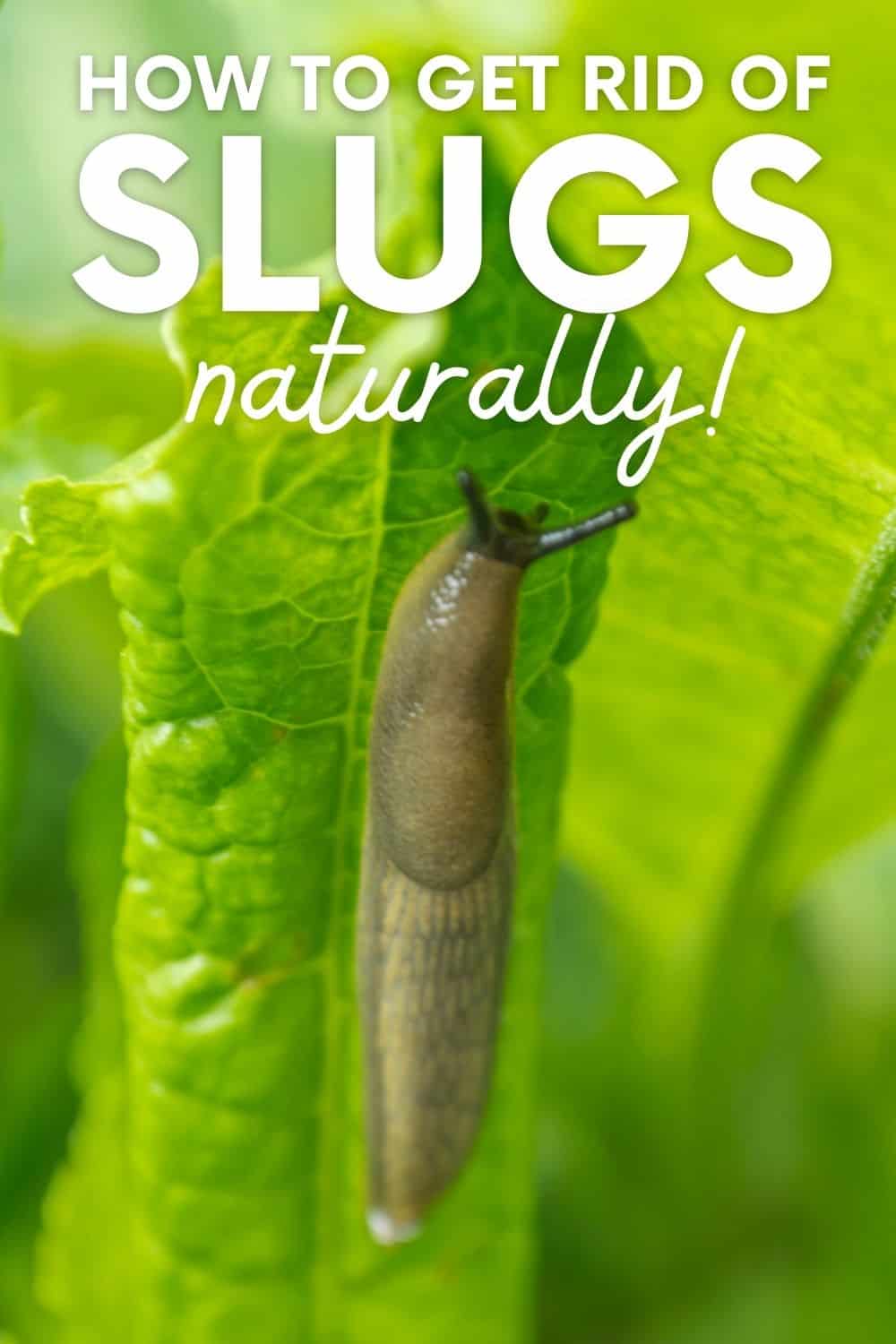
Image Source: growfully.com
Understanding Your Enemy: The Slug
Before we dive into eradication, let’s briefly get to know our adversary. Slugs are mollusks related to snails but lack an external shell. They thrive in damp, cool environments, which is why they are most active after rain or during humid nights. They feed on a wide variety of plants, showing a particular fondness for soft-leaved varieties, young vegetables, and flowers. Their slimy trail, while distinctive, is a tell-tale sign of their presence and their destructive feeding habits.
Natural Slug Deterrents: Gentle Yet Effective
For those who prefer an eco-friendly approach, several natural slug deterrents can significantly reduce slug populations and protect your plants without harsh chemicals. These methods often leverage the slugs’ own biology and preferences against them.
The Humble Beer Trap for Slugs
One of the most popular and surprisingly effective organic slug solutions is the beer trap for slugs. Slugs are attracted to the scent of fermenting yeast in beer.
How to set up a beer trap:
- Gather your supplies: You’ll need shallow containers (like yogurt cups, tuna cans, or saucers), beer (any kind will do, though cheaper is often recommended), and something to prop up the container slightly.
- Bury the container: Dig a small hole in your garden so that the rim of the container is level with the soil surface. This makes it easy for slugs to crawl in.
- Fill with beer: Pour beer into the container, filling it about halfway.
- Add a ramp: Place a twig or small board leading into the container. This gives slugs an easier entry point.
- Monitor and empty: Check the traps daily. Slugs will drown in the beer. Empty the containers regularly and refill with fresh beer.
Why it works: Slugs are drawn to the fermented smell of beer. They crawl into the trap, become intoxicated, and fall into the liquid, where they perish.
Diatomaceous Earth for Slugs: A Natural Abrasive
Diatomaceous earth for slugs is a fine powder made from fossilized aquatic organisms. When used in its food-grade form, it’s safe for humans and pets but deadly to slugs.
How to use diatomaceous earth:
- Apply to dry soil: Diatomaceous earth works by absorbing the slime layer that slugs need to survive. It’s most effective when applied to dry soil around your plants. Reapply after rain.
- Create barriers: Sprinkle a band of diatomaceous earth around the base of plants you want to protect, or around the perimeter of your garden beds.
- Caution: While natural, wear a mask when applying to avoid inhaling the fine dust. It can also harm beneficial insects if they come into direct contact with it.
Why it works: The sharp, microscopic edges of the diatomaceous earth particles scratch and damage the slug’s soft body, causing them to dehydrate and die.
Copper Tape for Slugs: A Protective Barrier
Copper tape for slugs acts as a physical and electrical barrier that slugs find highly unpleasant. When a slug’s slime trail comes into contact with copper, a mild chemical reaction occurs that creates an unpleasant sensation for the slug, deterring them from crossing.
How to use copper tape:
- Apply to containers: Wrap copper tape around the rims of pots and planters. Ensure there are no gaps.
- Create barriers around beds: Secure copper tape around the edges of raised garden beds or around individual plants.
- Overlap seams: If you’re taping a longer run, overlap the ends of the tape to ensure a continuous barrier.
- Keep it clean: Over time, copper can oxidize and lose some of its effectiveness. Gently clean the tape periodically to maintain its slug-repelling properties.
Why it works: The electrical charge created when slug slime touches copper creates a mild “shock” that slugs avoid.
Slug Repellent Plants: Your Allies in the Garden
Some plants are naturally unappealing to slugs. Incorporating these slug repellent plants into your garden design can help create a less inviting environment for them.
Examples of slug-repellent plants:
- Herbs: Rosemary, thyme, sage, mint, and lavender are generally disliked by slugs due to their strong scents.
- Certain flowers: Foxgloves, geraniums, fuchsias, and hydrangeas are also reported to be less attractive to slugs.
- Groundcovers: Plants like Vinca minor (periwinkle) and Ajuga reptans (bugleweed) can create dense ground cover that makes it harder for slugs to move around.
Why it works: The strong scents and textures of these plants are off-putting to slugs, making them less likely to munch on them.
Physical Barriers and Trapping Methods
Beyond natural deterrents, several physical methods can help you manage slug populations and prevent them from reaching your plants.
The Power of Hand-Picking
While it might sound unappealing, one of the most direct methods of garden slug control is simply to go out at night with a flashlight and pick them off.
Tips for hand-picking:
- Timing is key: Slugs are most active on damp evenings or early mornings.
- Wear gloves: If the thought of touching a slug makes you squeamish, wear gloves.
- Dispose of them properly: Drown them in a bucket of soapy water, or drop them into a sealed bag and put them in the trash. Avoid just tossing them into another part of your yard, as they might return.
Why it works: This method directly removes slugs from your garden, reducing their numbers.
Creating Slug Traps with Household Items
Besides beer traps, you can create other simple traps using common household items.
Examples of homemade slug traps:
- Citrus rind traps: Place halves of grapefruit or orange rinds upside down in your garden. Slugs will congregate underneath them, and you can collect and dispose of them in the morning.
- Board or tile traps: Lay damp boards or tiles in shady, moist areas of your garden. Slugs will seek shelter underneath them during the day, making them easy to find and remove.
Why it works: These traps provide shelter that slugs seek out, allowing for easy collection.
Commercial Slug Bait Options: When to Consider Them
If natural methods aren’t sufficient, there are commercial slug bait options. It’s important to choose these carefully, especially if you have pets or wildlife in your yard.
Understanding Slug Pellets
Slug pellets are a common solution, but their effectiveness and environmental impact vary.
- Iron Phosphate: This is a highly recommended and safer option. Iron phosphate is naturally occurring and breaks down into iron and phosphate, which are plant nutrients. Slugs eat the pellets, ingest the iron phosphate, and stop feeding, eventually dying. It is much safer for pets and wildlife than older formulations.
- Metaldehyde: This is a more traditional and highly effective slug killer, but it is also highly toxic to pets, children, and wildlife. If you have pets or children who frequent your garden, it is strongly advised to avoid metaldehyde-based baits. Even if pets don’t eat the pellets directly, they can ingest a slug that has eaten the pellets, leading to poisoning.
Important considerations for slug baits:
- Read the label: Always follow the instructions on the product packaging carefully.
- Apply sparingly: Only use bait where you see slug activity and apply it around plants, not directly on them.
- Timing: Apply bait in the evening, as this is when slugs are most active.
- Pet and wildlife safety: Prioritize iron phosphate baits if you have pets or wildlife.
Why it works: Slug baits contain an attractant that slugs consume. The active ingredient then either dehydrates them, disrupts their nervous system, or prevents them from feeding, leading to their demise.
Chemical Solutions: A Last Resort
While this guide focuses on natural and less toxic methods, it’s worth acknowledging that chemical pesticides are available. However, due to their potential harm to beneficial insects, pets, wildlife, and the environment, they should be considered a last resort and used with extreme caution. Always opt for the least toxic options and follow all safety guidelines.
Prevention is Key: Proactive Strategies
The best way to deal with slugs is to prevent them from becoming a major problem in the first place. Implementing good gardening practices can make your yard less hospitable to these pests.
Modifying the Garden Environment
Slugs love moisture and shelter. By making your garden less appealing, you can discourage them.
- Improve drainage: Ensure your garden beds have good drainage. Soggy soil provides ideal slug habitats.
- Water wisely: Water your plants in the morning rather than in the evening. This allows the soil surface and foliage to dry out before nightfall, making it less attractive to slugs.
- Remove hiding places: Clear away debris, fallen leaves, and weeds where slugs can hide during the day. This includes old boards, rocks, and dense ground cover that doesn’t serve a purpose.
- Mulch alternatives: While mulch is beneficial for soil health, some types can retain moisture and provide slug cover. Consider coarser mulches like gravel or wood chips that slugs find harder to navigate.
Protecting Vulnerable Plants
Certain plants are more susceptible to slug damage.
- Seedling protection: Young seedlings are particularly vulnerable. You can protect them by creating barriers around them, such as using copper tape for slugs or placing collars made from plastic bottles or tin cans around the base of the plants.
- Raised beds: These can offer some protection as they are often drier and have fewer hiding places than ground-level gardens.
Companion Planting for Slug Defense
Some plants can deter slugs when planted alongside more vulnerable crops. This is a form of organic slug solutions that utilizes natural plant interactions.
- Aromatic herbs: Planting strong-smelling herbs like rosemary, thyme, and mint near susceptible plants can help mask the scent of your desired crops and deter slugs.
- Plants with rough textures: Plants with hairy or rough leaves, such as nasturtiums (though slugs often love these, they can act as a sacrificial crop) or certain ferns, can be less appealing to slugs.
Dealing with Salt for Slugs: A Word of Caution
While salt for slugs can kill them by drawing out moisture through osmosis, it is generally not recommended for garden use.
Why avoid salt:
- Soil damage: Salt can be detrimental to soil health, harming beneficial microorganisms and making it difficult for plants to absorb nutrients.
- Plant damage: If salt comes into direct contact with plant roots or leaves, it can cause severe damage and even kill the plant.
- Limited effectiveness: It’s difficult to apply salt precisely to kill slugs without harming your plants or soil.
Therefore, while technically it can kill slugs, it’s a method that carries significant risks for your garden’s overall health.
Integrating Methods for Comprehensive Garden Slug Control
The most effective approach to garden slug control often involves a combination of methods. By using several strategies simultaneously, you can create a robust defense against these persistent pests.
Here’s a strategy that combines several techniques:
- Start with Prevention: Improve drainage, water in the morning, and clear debris.
- Implement Natural Deterrents: Set up beer traps for slugs and apply diatomaceous earth for slugs or copper tape for slugs around vulnerable plants.
- Encourage Beneficial Predators: Attract natural predators like birds, toads, and ground beetles to your garden. These creatures are excellent slug hunters.
- Consider Organic Baits: If slug activity is high, use iron phosphate slug bait options as a targeted solution, following instructions carefully.
- Manual Removal: Make a habit of checking for slugs regularly, especially after rain, and hand-picking them.
Table: Slug Control Methods at a Glance
| Method | Description | Effectiveness | Safety (Pets/Wildlife) | Effort Level | Best For |
|---|---|---|---|---|---|
| Beer Trap | Shallow container with beer, sunk into the ground. | High | Moderate | Medium | General slug population reduction |
| Diatomaceous Earth | Powder that dehydrates slugs upon contact. | Moderate | High | Low | Barrier around plants, dry conditions |
| Copper Tape | Barrier that creates an electrical deterrent. | High | High | Medium | Pots, raised beds, protecting specific plants |
| Hand-Picking | Physically removing slugs by hand. | High | High | High | Immediate, targeted removal |
| Citrus Rinds | Using rinds as traps for easy collection. | Moderate | High | Low | Daytime collection |
| Iron Phosphate Bait | Organic bait that slugs eat and then stop feeding. | High | High | Low | Severe infestations, broad garden protection |
| Metaldehyde Bait | Traditional, effective bait but highly toxic. Use with extreme caution. | Very High | Very Low | Low | Severe infestations (avoid if pets/wildlife) |
| Slug Repellent Plants | Planting herbs and flowers that slugs dislike. | Low-Moderate | High | Low | Long-term prevention, garden aesthetics |
| Environmental Mods | Improving drainage, watering times, clearing debris. | Moderate | High | Medium | Long-term prevention, habitat modification |
| Salt | NOT RECOMMENDED – Kills slugs but harms soil and plants. | High | Low | Low | Avoid |
Frequently Asked Questions (FAQ)
Q1: When is the best time to look for slugs?
The best time to find slugs is on damp, cool evenings after rain, or in the early morning before the sun has fully dried the ground. A flashlight is your best friend for these nocturnal excursions.
Q2: Can slugs harm my pets?
While slugs themselves are not typically harmful if ingested by pets, some commercial slug baits, particularly those containing metaldehyde, are highly toxic and can be fatal if eaten by dogs or cats. Always choose pet-safe slug baits like those based on iron phosphate, and keep all slug control products out of reach of pets and children.
Q3: My beer traps aren’t catching many slugs. What can I do?
Ensure the rim of your container is level with the soil. Try using a different type of beer, as some slugs might have preferences. Make sure the trap is in an area with heavy slug activity. Reapply fresh beer every few days.
Q4: Is diatomaceous earth safe to use on edible plants?
Yes, food-grade diatomaceous earth is generally considered safe to use on edible plants. However, always wash produce thoroughly before consumption to remove any residue. Remember that it needs to be reapplied after rain.
Q5: My plants are still getting eaten despite my efforts. What else can I try?
Consider implementing multiple strategies simultaneously. For instance, use copper tape around susceptible plants, set up beer traps in problem areas, and manually remove any slugs you find. Improving your garden’s drainage and reducing daytime hiding spots for slugs can also make a big difference over time.
By understanding the nature of slugs and employing a multi-faceted approach that prioritizes organic slug solutions and preventative measures, you can effectively manage these garden pests and enjoy a healthier, more productive yard. Happy gardening!