
Yes, you can definitely deep water your lawn to encourage healthier grass. Deep watering means giving your grass enough water to soak deeply into the soil, typically 4-6 inches down. This helps grass grow stronger roots, making it more resilient to heat, drought, and foot traffic.
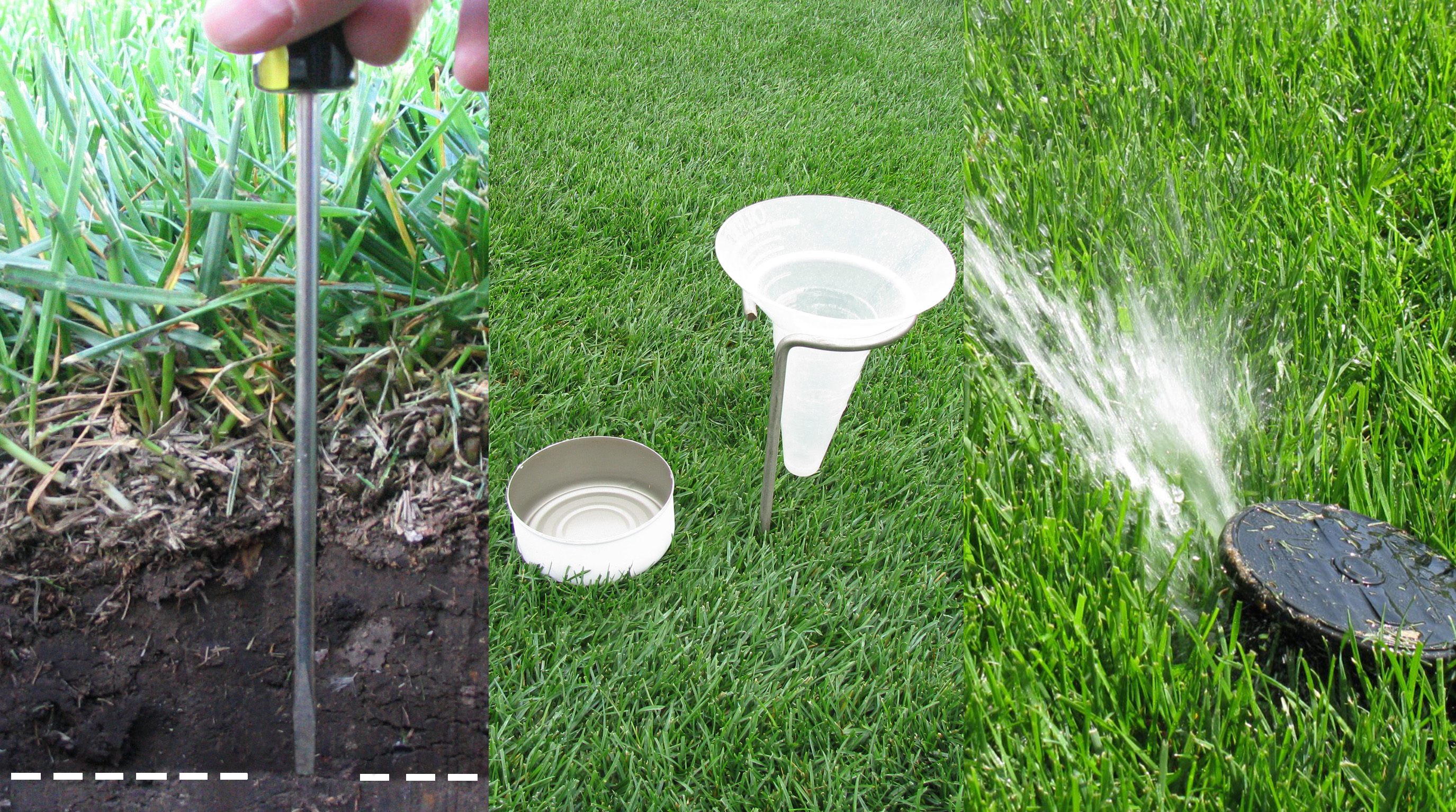
Image Source: newsroom.unl.edu
Why Deep Watering is Crucial for Your Grass
Watering your lawn seems simple, but doing it the right way makes a huge difference. Many people water their grass too often with shallow amounts. This encourages grass to grow weak roots that stay close to the surface. When the weather gets hot or dry, these shallow roots can’t reach enough moisture, and your lawn suffers.
Deep watering techniques are key to building a strong, healthy lawn. It’s like giving your grass a good drink that lasts, instead of just a quick sip that doesn’t do much. This method promotes robust root development, leading to a more drought-tolerant and vibrant lawn all season long.
The Core Benefits of Deep Watering
- Stronger Roots: The most significant benefit is encouraging roots to grow deeper into the soil. This makes the grass more resistant to drying out.
- Drought Resistance: Lawns with deep roots can access moisture further down, helping them survive periods of little rain. This is especially important for creating a drought tolerant lawn watering strategy.
- Reduced Weed Growth: When grass is healthy and dense, it crowds out weeds. Deep watering contributes to this density.
- Disease Prevention: Overwatering, especially in hot weather, can lead to fungal diseases. Deep, infrequent watering allows the soil surface to dry out between waterings, which helps prevent these issues.
- Improved Soil Structure: Water moving through the soil can help break up compacted areas, allowing for better air and water circulation.
- Less Frequent Watering: While it seems counterintuitive, watering deeply less often saves you time and can be more efficient for your lawn’s health.
Deciphering How To Deep Water Lawn: Essential Techniques
Deep watering techniques aren’t complicated, but they require patience and observation. The goal is to deliver water slowly enough that it can penetrate the soil without running off.
The Art of Slow and Steady Watering
- Use a Soaker Hose or Sprinkler with a Low Output: These deliver water at a slower rate, allowing it to soak in. If you use sprinklers, ensure they are set to water for longer periods.
- Avoid Fast, Surface Watering: Quick sprinklings just wet the top layer of soil and evaporate quickly, doing little for root growth.
- Water Until the Soil is Moist Several Inches Down: You can check this by gently probing the soil with a screwdriver or a soil probe after watering. It should be moist 4-6 inches below the surface.
Measuring Water Delivery
A simple way to gauge how much water you’re applying is by using a rain gauge or placing several empty tuna cans or shallow containers around your lawn. Time how long it takes for the containers to collect about an inch of water. This will give you an idea of how long to run your sprinklers for deep watering.
When to Implement Deep Watering: Timing Matters
The best time for deep watering is early in the morning. Here’s why:
Morning Watering Advantages
- Reduces Evaporation: The sun is not at its strongest in the early morning, so less water will evaporate before it can soak into the soil.
- Minimizes Disease Risk: Watering in the morning allows the grass blades to dry off during the day. Wet leaves overnight can encourage fungal growth.
- Allows Absorption: Grass can absorb water effectively before the heat of the day increases transpiration (the process of water movement through a plant and its evaporation from aerial parts, such as leaves, stems and flowers).
Avoiding Evening Watering
Watering late in the evening or at night can leave the grass blades wet for extended periods. This creates a perfect environment for fungal diseases to thrive, potentially damaging your lawn.
How Often to Deep Water Lawn: Finding the Right Rhythm
This is where many people get confused. Instead of sticking to a strict schedule, it’s better to water when your lawn actually needs it.
Signs of an Underwatered Lawn
- Color Change: The grass may start to turn a dull bluish-green or gray-green.
- Footprints Remain: If you walk on the grass and your footprints stay visible for a long time, the grass blades lack the moisture to spring back.
- Wilting Blades: Individual grass blades may start to curl or fold in half.
Watering Frequency for Lawns
The watering frequency for lawns depends on several factors:
- Grass Type: Some grasses, like fescues, are more drought-tolerant than others.
- Soil Type: Sandy soils drain faster and may need more frequent watering than clay soils. Clay soils hold moisture longer but can become waterlogged if overwatered.
- Weather Conditions: Hot, windy, and dry weather will cause the lawn to dry out much faster, requiring more frequent watering.
- Season: Lawns generally need more water during their active growing season, which is often spring and fall, and less during dormancy in summer or winter.
As a general guideline, most established lawns benefit from deep watering techniques that aim for about 1 to 1.5 inches of water per week. However, this doesn’t mean watering every day. It might mean watering deeply once or twice a week, depending on the factors above.
Table 1: General Watering Frequency Guidelines (Adjust based on your specific conditions)
| Soil Type | Summer (Hot & Dry) | Spring/Fall | Winter (If Actively Growing) |
|---|---|---|---|
| Sandy | 2-3 times per week | 1-2 times per week | As needed, infrequently |
| Loamy | 1-2 times per week | 1 time per week | As needed, infrequently |
| Clay | 1 time per week | As needed, infrequently | As needed, infrequently |
Important Note: This is a starting point. Observe your lawn closely for signs of stress.
Improving Soil Moisture Retention: The Foundation of Healthy Watering
Even with the best lawn irrigation best practices, if your soil can’t hold water, your efforts might be in vain. Improving soil moisture retention is vital for watering lawns deeply and effectively.
Aeration: The Key to Deeper Water Penetration
- What is Aeration? Aeration is the process of creating small holes in your soil. This allows air, water, and nutrients to reach the grass roots more easily.
- Why Aerate? Compacted soil is a major barrier to deep watering. Aeration breaks up compaction, allowing water to penetrate the root zone instead of running off the surface.
- When to Aerate? The best time to aerate is when your grass is actively growing. For cool-season grasses (like bluegrass, fescue, ryegrass), this is typically spring or fall. For warm-season grasses (like Bermuda, zoysia, St. Augustine), this is late spring or early summer.
Adding Organic Matter: Nature’s Sponge
- Compost and Topdressing: Adding a layer of compost or other organic matter to your lawn helps improve soil structure and its ability to hold moisture. Organic matter acts like a sponge, soaking up water and releasing it slowly to the grass roots.
- How to Apply: Apply a thin layer (about 1/4 to 1/2 inch) of compost after aeration. Rake it gently into the holes. This process also helps to naturally improve soil moisture retention.
Mulching: A Protective Layer
- Benefits of Mulch: While not typically applied directly to lawns, for garden beds adjacent to your lawn, mulch helps retain soil moisture by reducing evaporation from the soil surface. This can indirectly help your lawn by reducing the need to overcompensate in nearby areas.
Putting It All Together: A Deep Watering Strategy
Let’s break down a practical approach to lawn irrigation best practices focusing on deep watering.
Step-by-Step Deep Watering
-
Assess Your Lawn’s Needs:
- Check for signs of an underwatered lawn (color change, footprints, wilting).
- Consider your soil type and recent weather.
-
Choose the Right Time:
- Aim for early morning (6 AM to 10 AM).
-
Water Deeply:
- Apply enough water to moisten the soil 4-6 inches deep.
- Use a slow application rate to prevent runoff. This might mean running your sprinklers for a longer duration than you’re used to, perhaps 20-30 minutes per zone, then moving to another zone and coming back to the first later if needed to achieve the full water depth without runoff.
-
Allow Drying Time:
- Let the soil surface dry out between watering sessions. This is crucial for preventing disease.
-
Adjust as Needed:
- If you have sandy soil, you might water more frequently but still deeply.
- If you have clay soil, you’ll water less often but ensure the water penetrates well.
- During heatwaves, you may need to water more frequently, but always prioritize the deep soak.
Watering Lawns Deeply: A Practical Example
Imagine your lawn shows signs of stress on a Tuesday. You decide to deep water.
- Tuesday Morning (6 AM): Set your sprinklers to run for 25 minutes in Zone 1. Then, move to Zone 2 and run for 25 minutes.
- Check Soil Moisture: After watering, use a screwdriver to check how deep the water has penetrated. If it’s only 2 inches, you’ll need to water longer or in cycles.
- Cycle and Soak: If your soil is very dry or compacted, you might water for 15 minutes, wait an hour for the water to soak in, and then water for another 15 minutes. This is part of effective lawn irrigation best practices.
- Wait and Observe: Do not water again until you see signs of stress or the soil starts to dry out significantly at the root level. This might be 3-7 days later, depending on the weather. This approach is key for establishing drought tolerant lawn watering.
Troubleshooting Common Deep Watering Issues
Sometimes, even with the best intentions, you might encounter problems.
Water Runoff
- Why it Happens: Watering too quickly or on slopes can cause water to run off the surface, meaning it doesn’t soak into the soil.
- Solutions:
- Reduce the sprinkler’s application rate.
- Use the “cycle and soak” method mentioned above.
- Install a smart irrigation controller that adjusts watering based on weather data.
- Improve soil structure through aeration and adding organic matter to enhance improving soil moisture retention.
Uneven Watering
- Why it Happens: Sprinkler heads can be clogged, misaligned, or have different spray patterns, leading to dry spots and overwatered areas.
- Solutions:
- Regularly check and clean your sprinkler heads.
- Ensure sprinkler heads are properly adjusted to cover the intended area without spraying sidewalks or driveways.
- Overlap sprinkler patterns slightly to ensure complete coverage.
Overwatering Despite Deep Watering
- Why it Happens: Even deep watering can be too much if done too frequently. It’s about the amount of water and the frequency.
- Solutions:
- Stick to watering only when the lawn shows signs of needing water.
- Prioritize deep soaking less often over light watering more frequently.
- Ensure good drainage in your soil.
Frequently Asked Questions (FAQ)
Can I deep water my lawn in the summer heat?
Yes, but it’s even more critical to do it correctly during summer. Water early in the morning to minimize evaporation. Avoid watering during the hottest parts of the day. The goal is still to moisten the soil deeply, but you may need to adjust frequency based on extreme heat and the needs of your grass.
How do I know if my sprinkler system is watering deeply enough?
Use a simple soil probe or a screwdriver. After watering, push it into the soil. It should slide in easily and feel moist several inches down. You can also use rain gauges or tuna cans placed on the lawn to measure the water accumulation. If you’re consistently getting less than an inch of water in a single watering session and the soil isn’t moist 4-6 inches down, you need to water longer or adjust your system.
Is it better to water my lawn every day?
No, generally it is not better to water your lawn every day. Daily light watering encourages shallow root growth, making the grass more susceptible to drought and disease. Deep, infrequent watering promotes a strong root system, leading to a healthier, more resilient lawn. Focus on watering lawns deeply and allowing the soil to dry slightly between sessions.
How do I improve my soil’s ability to hold water?
Improving soil moisture retention can be achieved by aerating your lawn regularly and incorporating organic matter like compost. Organic matter acts like a sponge, absorbing and holding water for the grass roots. Well-aerated soil also allows water to penetrate more effectively.
What are the best practices for watering a new lawn?
New lawns require more frequent, lighter watering to help establish the seeds or sod. Once the grass is established (usually after a few weeks of consistent growth), you can transition to the deep watering techniques described in this article. Always follow the specific recommendations provided by the seed or sod supplier.
By adopting these deep watering techniques, you’re investing in the long-term health and resilience of your lawn. Remember to observe your grass, adjust your watering schedule based on your specific conditions, and prioritize lawn irrigation best practices for a greener, healthier yard.