
Can your yard turn into a lake after a heavy rain? Does water pool around your house or seep into your basement? You’re not alone! Many homeowners face yard flooding. This guide provides easy fixes to stop your yard from flooding from rain.
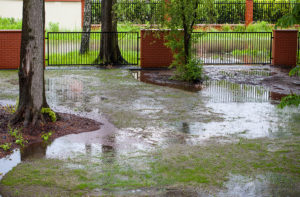
Image Source: www.esogrepair.com
Why Does My Yard Flood?
Yard flooding happens when rainwater can’t drain away from your property quickly enough. This can be due to several factors, often working together.
Common Causes of Yard Flooding
- Heavy Rainfall: Simply put, if more rain falls than your yard can absorb or drain, it will collect.
- Poor Grading: The slope of your yard is crucial. If your yard slopes towards your house or is flat, water won’t run off naturally.
- Compacted Soil: Hard, compacted soil doesn’t absorb water well. This can happen from heavy foot traffic, construction, or even just time.
- Improper Drainage Systems: Existing drainage might be clogged, too small, or not designed for the amount of water.
- Saturated Ground: If the ground is already wet from previous rain, it has less capacity to absorb new water.
- Clogged Gutters and Downspouts: When gutters and downspouts are blocked with leaves and debris, water overflows near your foundation.
- Low Spots and Depressions: These areas naturally collect water, creating puddles.
- Impermeable Surfaces: Driveways, patios, and sidewalks prevent water from soaking into the ground, forcing it to flow elsewhere.
Simple Solutions for Yard Drainage
You don’t always need a professional to fix minor yard flooding. Here are some easy, DIY drainage solutions and rain water management techniques.
1. Check and Clean Your Gutters and Downspouts
This is the first and easiest step. Clogged gutters are a major culprit for water pooling near your foundation.
- How to:
- Use a sturdy ladder to reach your gutters.
- Wear gloves and a mask.
- Remove all debris like leaves, twigs, and dirt.
- Flush the gutters with a hose to ensure water flows freely.
- Check downspouts for blockages by running water through them. If they’re blocked, you might need a plumber’s snake or to disassemble them.
2. Extend Your Downspouts
Even clean downspouts can dump a lot of water right next to your house. Extending them directs water further away.
- How to:
- Purchase flexible or rigid downspout extensions from a hardware store.
- Connect the extension to the end of your existing downspout.
- Ensure the extension directs water at least 5-10 feet away from your foundation.
- Consider burying flexible extensions or using solid pipes to keep them out of the way and prevent tripping hazards.
3. Improve Grading (Minor Adjustments)
Your yard should slope away from your house, typically at least 1 inch per foot for the first 6 feet. While major grading is a big job, small adjustments can help.
- How to:
- Observe where water pools.
- If the problem is minor and close to your house, you can add soil to create a gentle slope.
- Use a shovel to mound soil against your foundation, extending outward to create the slope.
- Ensure you don’t create a dam that traps water elsewhere. The goal is to guide it away.
4. Aerate Your Soil
Compacted soil struggles to absorb water. Aeration creates small holes, allowing water and air to penetrate.
- How to:
- Use a manual or power core aerator.
- Core aerators remove small plugs of soil.
- Do this when the soil is moist, not waterlogged or dry.
- You can leave the soil plugs on the lawn; they will break down.
- Aerating once a year can significantly improve drainage.
5. Add Mulch or Compost
Organic matter improves soil structure, making it more absorbent.
- How to:
- Spread a 2-3 inch layer of organic mulch (like wood chips, bark, or straw) or compost over bare soil areas or garden beds.
- This helps retain moisture in dry periods and improves drainage in wet periods.
- Avoid piling mulch directly against tree trunks or plant stems.
6. Plant Water-Absorbing Plants
Some plants are excellent at soaking up excess moisture. This is a natural and attractive drainage solution.
- How to:
- Identify areas in your yard that stay wet.
- Choose native plants known for their ability to tolerate wet conditions. Examples include:
- For sunny areas: Daylilies, Coneflowers, Astilbe, Cardinal Flower.
- For shady areas: Hostas, Ferns, Joe-Pye Weed, Swamp Milkweed.
- Planting these can help manage rain water management in a beautiful way and contribute to soil erosion control by their root systems.
More Advanced Drainage Solutions
If simple fixes aren’t enough, you might need to consider more involved drainage solutions.
7. French Drain Construction
A French drain is a trench filled with gravel and a perforated pipe that redirects water away from problem areas. This is a very effective method for rain water management.
- What is a French Drain?
A French drain is a trench containing a perforated pipe surrounded by gravel. Its purpose is to collect and carry away groundwater and surface water. - How it Works:
Water seeps into the gravel, flows into the perforated pipe, and is directed to a lower point or a suitable outlet, like a storm drain, dry well, or downhill area. - DIY vs. Professional:
While a smaller French drain can be a DIY project, larger or more complex installations are best left to professionals. - Key Steps for DIY French Drain Construction:
- Plan the Path: Determine where water is coming from and where you want it to go. The path should generally slope downhill.
- Dig the Trench: Dig a trench about 12-18 inches deep and 12 inches wide. Ensure it has a consistent slope of 1-2% (1-2 inches of drop per 10 feet).
- Lay Landscape Fabric: Line the trench with permeable landscape fabric to prevent soil from mixing with the gravel and clogging the drain.
- Add Gravel: Place a 4-6 inch layer of washed gravel at the bottom of the trench.
- Install the Pipe: Lay a perforated drain pipe (usually 4-inch diameter) on top of the gravel, ensuring the perforations face down.
- Cover with More Gravel: Fill the rest of the trench with gravel, leaving about 2-4 inches at the top.
- Wrap with Fabric: Fold the landscape fabric over the gravel to keep it clean.
- Top Layer: Cover the fabric with a thin layer of topsoil and reseed or lay sod.
8. Grading Improvements
Significant grading changes can effectively redirect surface water. This often requires professional help, especially for larger slopes or when dealing with significant water volume.
- When is Professional Grading Needed?
If your entire yard slopes towards your house, or if you have large, low-lying areas that collect a lot of water, professional grading is often the best drainage solution. - What Professionals Do:
Contractors use heavy equipment to move soil, creating the correct pitch to move water away from structures and into a more desirable drainage area. This might involve adding or removing soil, installing swales (shallow, broad ditches), or directing water to a storm drain.
9. Swales
A swale is a shallow, broad, vegetated channel that intercepts surface runoff and carries it away. They are an excellent form of rain water management and can help with soil erosion control.
- How Swales Work:
Instead of a pipe, a swale uses the landscape itself to slow down and channel water. The vegetation helps filter the water and reduces erosion. - Benefits:
- Aesthetically pleasing
- Helps recharge groundwater
- Reduces the amount of water directed to storm drains
- Effective for managing runoff from larger areas
10. Dry Wells
A dry well is an underground pit filled with gravel that collects and absorbs surface water.
- How Dry Wells Work:
Typically, a dry well is dug, lined with landscape fabric, and filled with gravel. Water from downspouts or drainage pipes is directed into the dry well, where it slowly soaks into the surrounding soil. - Where to Use Them:
They are good for collecting water from downspouts or the end of French drains in areas where you can’t easily discharge water elsewhere.
11. Permeable Paving
Replacing impermeable surfaces like concrete or asphalt with permeable options allows water to soak through. This is a great strategy for rain water management in driveways and patios.
- What is Permeable Paving?
Permeable paving systems allow water to pass through them into the ground below. This can include:- Permeable concrete/asphalt: Special mixes with larger voids.
- Pavers: Interlocking stones with gaps filled with sand or gravel.
- Gravel: Loose stone that allows water to drain easily.
- Grass pavers: Plastic or concrete grids that support grass while allowing water through.
- Benefits:
- Reduces surface runoff
- Recharges groundwater
- Reduces the load on storm drains
- Can be attractive and durable
12. Rain Gardens
A rain garden is a shallow, planted depression designed to capture and absorb rainwater runoff from roofs, driveways, and other impermeable surfaces. They are a beautiful and effective method for rain water management.
- How Rain Gardens Work:
Rain gardens are strategically placed to receive runoff. Their soil is specially prepared to absorb water quickly, and they feature plants that can tolerate both wet and dry conditions. - Benefits:
- Filters pollutants from runoff
- Reduces the volume and speed of water reaching storm drains
- Provides habitat for wildlife
- Enhances the aesthetic appeal of your yard
Protecting Your Home from Water Damage
Yard flooding can lead to more serious problems, like water in your basement. Implementing basement waterproofing measures is essential.
13. Sump Pump Installation
If your yard consistently has groundwater issues or water pressure near your foundation, a sump pump can be a lifesaver.
- What is a Sump Pump?
A sump pump is a pump installed in the lowest part of a basement or crawl space to remove water that collects there. - How it Works:
Water that enters the sump pit (a hole dug for the pump) triggers a float switch, activating the pump. The pump then discharges the water away from your house. - When to Consider Sump Pump Installation:
- If you frequently find water in your basement or crawl space.
- If your area has a high water table.
- As an extra layer of protection for basement waterproofing.
- Professional Installation:
While some basic sump pumps can be installed by DIYers, it’s often best to have a professional install it to ensure proper connection to your weeping tile system (if you have one) and reliable discharge.
14. Interior Drainage Systems (Weeping Tile)
These systems work from the inside of your basement to collect water before it can cause damage.
- How They Work:
A network of perforated pipes is installed around the interior perimeter of your basement floor. Water that seeps through the foundation walls or floor is collected by these pipes and directed to a sump pit, where a sump pump removes it.
15. Exterior Waterproofing Membranes
This is a more involved process but provides excellent protection against water intrusion from the outside.
- How it Works:
Excavation is required around your foundation. A waterproof membrane is applied to the exterior walls, often combined with a drainage board or French drain system at the foundation base to direct water away.
Natural Solutions for Soil Erosion Control
Flooding often exacerbates soil erosion control issues, washing away valuable topsoil.
16. Ground Cover and Mulching
Bare soil is highly susceptible to erosion from rain.
- How to:
- Plant dense ground cover plants in bare or sloped areas.
- Apply a thick layer of mulch (wood chips, straw, shredded bark) to exposed soil. Mulch acts as a protective blanket.
- This helps the soil absorb water better and prevents raindrops from dislodging soil particles.
17. Retaining Walls
For areas with significant slopes, retaining walls can help hold the soil in place and prevent erosion.
- Types of Walls:
- Terraced gardens: Create level planting areas on slopes.
- Natural stone or timber walls: Blend well with the landscape.
- Interlocking concrete blocks: Modern and easy to install for smaller projects.
18. Check Dams and Terracing
On steeper slopes, creating small barriers (check dams) or leveled terraces can slow down water flow and trap sediment.
- Check Dams: Small, temporary barriers made from logs, rocks, or straw bales placed across a ditch or slope to slow water.
- Terracing: Cutting a hillside into a series of level or near-level steps.
Rain Barrel Benefits
Collecting rainwater is a fantastic rain water management practice that reduces the amount of water overwhelming your yard and provides a useful resource for your garden.
19. Using Rain Barrels
- What They Are:
Rain barrels are containers that collect rainwater from your downspouts. - Key Benefits:
- Water Conservation: Reduces your reliance on municipal water for gardening and other outdoor uses.
- Reduces Stormwater Runoff: Capturing water at the source lessens the burden on storm drains and prevents local flooding.
- Healthier Plants: Rainwater is free of chlorine and other chemicals found in tap water, which is better for your plants.
- Cost Savings: Lower water bills.
- How to Use Them:
- Place a rain barrel under a downspout.
- Ensure the barrel is stable and has an overflow mechanism to direct excess water away.
- Use the collected water for watering plants, washing cars, or other non-potable uses.
Putting It All Together: A Drainage Plan
A successful rain water management strategy often involves combining several methods.
Creating Your Yard Drainage Plan
- Assess Your Yard: Walk your property after a rainstorm. Note where water collects, where it flows, and any areas experiencing soil erosion control problems.
- Identify the Sources: Are you getting water from heavy rain, melting snow, or poor drainage from a neighbor’s property?
- Prioritize Solutions: Start with the easiest fixes (gutters, downspout extensions).
- Consider Your Budget: Some solutions are DIY-friendly and low-cost, while others require professional installation and a larger investment.
- Think Long-Term: Plan for basement waterproofing and consider sump pump installation if water intrusion is a persistent issue.
- Consult Professionals: For complex problems or if you’re unsure, get advice from landscapers, drainage specialists, or foundation repair companies.
Frequently Asked Questions (FAQ)
Q1: How much slope do I need for my yard to drain properly?
A1: Generally, a slope of at least 1 inch per foot for the first 6 feet away from your foundation is recommended to ensure proper surface water drainage.
Q2: Can I just fill in low spots in my yard to stop flooding?
A2: Filling low spots can help, but it’s important to ensure you’re not just moving the water problem elsewhere or creating a new dam. Adding soil to create a gentle slope away from structures is usually more effective.
Q3: My basement floods. Is this a yard drainage problem or a foundation problem?
A3: It can be both. Poor yard grading or drainage can direct water towards your foundation, leading to basement flooding. Conversely, foundation cracks or failed basement waterproofing can also allow water in. It’s often a combination, and addressing yard drainage is crucial.
Q4: What’s the difference between a French drain and a swale?
A4: A French drain uses a buried pipe and gravel to channel water underground, while a swale is an open, vegetated channel on the surface that slows and directs water.
Q5: Are rain barrels legal in my area?
A5: In most places, rain barrels are legal and encouraged. However, a few areas have had restrictions in the past. It’s always a good idea to check local ordinances.
Q6: How often should I clean my gutters?
A6: It’s best to clean your gutters at least twice a year, in the spring and fall, to remove leaves, twigs, and other debris that can cause blockages and overflow.
By implementing these drainage solutions and rain water management techniques, you can effectively stop your yard from flooding, protect your home from water damage, and enjoy a drier, healthier outdoor space.