
So, how much is a yard of concrete in California? On average, you can expect to pay between $150 and $250 per cubic yard for concrete in California. This price covers the material itself and basic delivery, but several factors can significantly alter the final cost.
California concrete prices are influenced by a complex interplay of economic forces, material availability, labor costs, and project specifics. Deciphering the true cost of concrete per cubic yard in California requires looking beyond the base price and examining all the elements that contribute to the final bill. This comprehensive pricing guide aims to shed light on the various components that make up the cost of concrete in the Golden State, from the raw materials to the final installation.
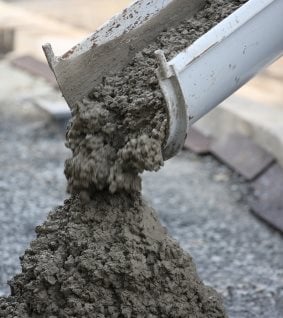
Image Source: static.concretenetwork.com
Factors Influencing California Concrete Prices
The cost of concrete is not a static figure. Many variables come into play, making it essential to get detailed quotes for your specific project. Understanding these factors will help you budget more effectively and avoid unexpected expenses.
Material Composition and Mix Design
The base price of concrete is determined by its ingredients: cement, aggregates (sand and gravel), and water. However, the proportions and types of these ingredients, along with any additives, can change the price.
Cement Type
- Portland Cement: The most common type. Its price can fluctuate based on global supply and demand.
- Specialty Cements: For specific applications (e.g., high-early strength, sulfate resistance), specialized cements may be required, which can increase the cost.
Aggregates
- Sand and Gravel: The availability and quality of local aggregates impact their cost. Sourcing materials from further away can add to transportation expenses.
- Recycled Aggregates: Sometimes used as a more sustainable and potentially cost-effective option, though availability can be a factor.
Additives and Admixtures
These are chemicals or materials added to the concrete mix to enhance its properties.
- Water Reducers: Allow for less water while maintaining workability, leading to stronger concrete.
- Air Entrainers: Improve freeze-thaw resistance, crucial in some California climates.
- Accelerators/Retarders: Speed up or slow down the setting time.
- Fibers (Steel, Polypropylene): Enhance strength and crack resistance.
- Coloring Agents: For decorative concrete, these add a premium.
The more specialized the mix, the higher the cost per cubic yard. A standard residential driveway mix will be less expensive than a high-strength mix for a bridge or a decorative stamped concrete blend.
Quantity and Batch Size
Ready-mix concrete plants often have minimum batch sizes. Ordering a quantity significantly less than a standard batch might incur a surcharge. Conversely, very large orders might allow for slight price breaks per cubic yard, although this is not always guaranteed.
Transportation and Concrete Delivery Cost California
This is a significant component of the overall price.
Distance from the Plant
The further the delivery location is from the ready-mix concrete plant, the higher the delivery fee will be. This covers fuel, driver wages, and truck wear and tear.
Delivery Surcharges
- Off-Road Delivery: If the truck needs to go off a paved road, there might be an extra charge due to the increased difficulty and potential damage to the truck.
- Staged Delivery: If multiple stops are needed for the truck, or if the pour site is difficult to access, additional fees may apply.
- Waiting Time: If the crew is not ready to receive the concrete upon the truck’s arrival, or if the pouring process is significantly delayed, the concrete company may charge for waiting time.
The concrete delivery cost California residents face can range from $75 to $200 or more per truckload, depending on these factors. A standard concrete truck holds about 9 to 11 cubic yards.
Project Type and Complexity
The intended use of the concrete dramatically influences its price.
Concrete Slab Cost California
Pouring a standard concrete slab for a patio, foundation, or walkway is a common application. The concrete slab cost California projects are typically based on the square footage and thickness of the slab, which translates to the cubic yardage needed.
- Thickness: A standard slab might be 4 inches thick, while a driveway or a load-bearing foundation might require 6 inches or more. Thicker slabs mean more concrete, thus a higher overall cost.
- Reinforcement: Steel rebar or wire mesh is often used to strengthen slabs and prevent cracking. The cost of reinforcement is usually added to the concrete price.
- Finishing: Basic finishing (broom finish) is standard. Smoother finishes (like trowel finish) or decorative finishes (stamped, colored, exposed aggregate) will increase costs.
Other Applications
- Foundations: Often require higher strength concrete and more complex pouring techniques.
- Retaining Walls: May need specialized mixes and reinforcement.
- Decorative Concrete: Stamped, stained, or polished concrete commands a premium due to the extra labor and materials involved in the finishing process.
Location within California
California is a large state with diverse economic conditions. California concrete prices can vary significantly from region to region.
- Northern California vs. Southern California: Prices can differ due to local demand, labor costs, and proximity to aggregate sources.
- Urban vs. Rural Areas: Major metropolitan areas often have higher labor and delivery costs compared to more rural regions.
Labor and Installation Costs
While this guide focuses on the material cost, it’s crucial to remember that installation is a separate, significant expense. The concrete installation cost California jobs depend on:
- Labor Rates: Skilled concrete finishers and laborers command higher wages.
- Site Preparation: Excavation, grading, formwork, and reinforcement installation all add to the labor cost.
- Equipment Rental: If specialized equipment is needed (e.g., concrete pumps), rental fees will apply.
Market Demand and Seasonality
Like many construction materials, concrete prices can be affected by market demand. During peak construction seasons, demand increases, potentially driving up prices. Conversely, during slower periods, prices might stabilize or even slightly decrease.
Average Concrete Price California Breakdown
To provide a clearer picture, let’s break down the potential costs associated with a cubic yard of concrete in California. Remember, these are estimates and can fluctuate.
Base Material Cost (Per Cubic Yard)
- Standard Mix (e.g., 3000-4000 PSI): $150 – $200
- High-Strength Mix (e.g., 5000+ PSI): $180 – $230
- Decorative Mix (e.g., colored, stamped): $200 – $275+
Associated Costs (Often Billed Separately or Included in Project Quote)
| Cost Component | Estimated Range (Per Cubic Yard) | Notes |
|---|---|---|
| Delivery Fee (portion) | $20 – $50 | Assuming a truck delivers ~10 yards. The actual delivery fee per truck can be $75-$200+. |
| Reinforcement (Rebar) | $10 – $30 | For standard residential slabs. Varies with spacing and size. |
| Additives/Admixtures | $5 – $20+ | Depending on the type and quantity. Air-entrainment is usually a few dollars; fiber reinforcement can be more. |
| Pump Rental (if needed) | $75 – $150+ per hour | If the concrete needs to be pumped from the truck to the pour site. This cost is often passed on directly. |
| Formwork | Variable | Cost of lumber and labor to create the mold for the concrete. |
| Site Prep (Excavation) | Variable | Labor and equipment for digging and preparing the ground. |
| Finishing | Variable | Cost for broom finish, trowel finish, stamped patterns, coloring, etc. Can add significantly to the per-square-foot or per-cubic-yard cost. |
| Labor (Installation) | Variable | This is a major part of the total project cost, separate from material. |
The average concrete price California homeowners and contractors pay will depend on the specific combination of these factors.
Ready-Mix Concrete Prices California: What to Expect
Ready-mix concrete is delivered to your site in a concrete mixer truck, pre-mixed to your specifications. This is the most common method for most projects.
Factors Affecting Ready-Mix Pricing
- Minimum Order Quantities: Most plants have a minimum order, often around 5 cubic yards. If you need less, you might pay for the minimum quantity or a surcharge.
- Pouring Time: Extended pouring times beyond the allotted time (usually 30-60 minutes after arrival) can incur waiting charges.
- Back Charges: If the concrete isn’t handled properly on-site, leading to waste or additional work for the delivery driver, back charges might apply.
The ready-mix concrete prices California market are competitive, but quality and service vary between suppliers. It’s wise to compare quotes from multiple reputable companies.
Concrete Contractor Prices California
When you hire a contractor, their pricing structure will also influence the final cost. Concrete contractor prices California professionals charge will factor in their overhead, profit margin, and the expertise of their crew.
What Contractors Include in Their Quotes
A good contractor’s quote should itemize costs, including:
- Material Costs: The price of the concrete per cubic yard.
- Labor Costs: For site preparation, formwork, pouring, finishing, and curing.
- Equipment Rental: Mixers, vibrators, pumps, finishing tools.
- Permits: If required for your project.
- Waste Disposal: Removal of excess concrete or demolition debris.
- Overhead and Profit: The contractor’s business expenses and desired profit.
Getting Multiple Quotes
Always obtain at least three detailed quotes from different contractors. This allows you to compare not only the bottom line but also what is included in each bid. Look for contractors with good reviews and a solid portfolio of similar projects.
Calculating Your Concrete Needs
To get an accurate estimate, you need to calculate the volume of concrete required. This is usually measured in cubic yards.
Formula for Volume
Volume = Length × Width × Thickness
- Ensure all measurements are in the same units. It’s common to measure in feet for length and width, and inches for thickness.
- Convert inches to feet: Divide the thickness in inches by 12.
Example Calculation:
Let’s say you need a concrete slab that is 10 feet long, 10 feet wide, and 4 inches thick.
- Convert thickness to feet: 4 inches / 12 inches/foot = 0.333 feet
- Calculate volume in cubic feet: 10 ft × 10 ft × 0.333 ft = 33.3 cubic feet
- Convert cubic feet to cubic yards: There are 27 cubic feet in 1 cubic yard (3 ft × 3 ft × 3 ft = 27 cu ft).
33.3 cubic feet / 27 cubic feet/yard = 1.23 cubic yards
Always Order Extra
It’s a good practice to order about 10% extra concrete to account for:
- Spillage: Some concrete can be lost during pouring.
- Uneven Subgrade: The ground might not be perfectly level, requiring slightly more concrete to fill low spots.
- Form Bulging: Forms can sometimes bulge slightly under the pressure of wet concrete.
For our example of 1.23 cubic yards, ordering 10% extra would mean ordering 1.35 cubic yards. Since concrete is typically sold in half or full cubic yard increments, you would likely order 1.5 cubic yards.
Cost Considerations for Different Projects
Let’s look at some common project types and how concrete volume and pricing play out.
Driveways
A typical two-car driveway might be 18 feet wide by 40 feet long and 4 inches thick.
- Volume: (18 ft × 40 ft × 0.333 ft) / 27 = 8.9 cubic yards.
- With 10% extra: Approximately 10 cubic yards.
- Estimated Material Cost: 10 yards × $175/yard (average) = $1750
This is just the material. Add labor, reinforcement, finishing, and potentially a concrete pump, and the total project cost can easily range from $4,000 to $8,000 or more.
Patios
A patio of 10 feet by 20 feet, 4 inches thick.
- Volume: (10 ft × 20 ft × 0.333 ft) / 27 = 2.47 cubic yards.
- With 10% extra: Approximately 2.75 cubic yards, so you’d order 3 cubic yards.
- Estimated Material Cost: 3 yards × $175/yard = $525
A simple broom-finished patio might cost $1,500 – $3,000 total. Decorative finishes or complex shapes will increase this.
Sidewalks
A typical sidewalk might be 4 feet wide, 50 feet long, and 4 inches thick.
- Volume: (4 ft × 50 ft × 0.333 ft) / 27 = 2.47 cubic yards.
- With 10% extra: Approximately 2.75 cubic yards, so you’d order 3 cubic yards.
- Estimated Material Cost: 3 yards × $175/yard = $525
Sidewalk installation can range from $10 to $25 per square foot, so a 200 sq ft sidewalk (4×50) could cost $2,000 – $5,000.
Deciphering the Concrete Pricing Guide California
Navigating the world of concrete pricing requires a systematic approach. Here’s a breakdown of how to make informed decisions:
1. Define Your Project Needs
- Purpose: What will the concrete be used for? (Driveway, patio, foundation, wall, etc.)
- Size and Shape: Accurately measure the dimensions.
- Thickness: Determine the required depth based on load-bearing needs.
- Strength: Consult local building codes or engineers for PSI requirements.
- Finish: Basic broom finish, smooth trowel, stamped, colored, exposed aggregate?
- Reinforcement: Will rebar or wire mesh be needed?
2. Calculate Your Cubic Yardage
Use the formula Volume = Length × Width × Thickness and add 10% extra.
3. Research Local Suppliers
- Identify reputable ready-mix concrete suppliers in your area.
- Check online reviews and ask for recommendations.
4. Request Detailed Quotes
- Contact at least three suppliers for material pricing per cubic yard.
- Inquire about delivery fees and any potential surcharges.
- Ask about minimum order quantities and associated costs.
5. Choose a Contractor (If Not DIY)
- Get bids from experienced concrete contractors.
- Ensure their quotes are itemized and cover all aspects of the job.
- Verify their licensing, insurance, and bonding.
- Ask for references and review their past work.
6. Compare Apples to Apples
When comparing quotes, ensure you’re comparing the same quality of materials, services, and specifications. A lower price might come with fewer included services or lower-quality materials.
Cost-Saving Tips
While concrete can be a significant investment, some strategies can help manage expenses:
- Order in Bulk: If you have multiple concrete needs, consolidating them into larger orders might offer better pricing.
- Efficient Design: Simple shapes and standard thicknesses are generally less expensive than complex designs or extra-thick pours.
- Proper Site Preparation: Doing as much of the site prep (excavation, grading, formwork) yourself, if feasible and you have the skills, can save on labor costs.
- Shop Around: Get quotes from multiple suppliers and contractors. Prices can vary significantly.
- Consider Off-Peak Times: If possible, scheduling your pour during less busy construction periods might lead to better pricing.
- Minimize Delivery Issues: Ensure your site is easily accessible for the concrete truck to avoid waiting charges.
Frequently Asked Questions (FAQ)
Q1: What is the cheapest way to get concrete in California?
The cheapest way is usually to perform the work yourself if you have the necessary skills and tools, and to source concrete from a supplier with competitive pricing. However, DIY projects carry risks, and mistakes can be costly.
Q2: Can I buy concrete directly from a manufacturer, or do I need a contractor?
You can buy concrete directly from ready-mix plants. Many homeowners do this for smaller DIY projects. However, for larger or more complex jobs, a contractor is highly recommended for proper installation and finishing.
Q3: How much does a concrete pump cost in California?
Concrete pump rental typically costs between $75 and $150 or more per hour, often with a minimum rental period. The total cost depends on the pump size, duration of use, and distance from the pump company.
Q4: Is stamped concrete more expensive than regular concrete?
Yes, stamped concrete is significantly more expensive than plain concrete. The added cost comes from the specialized labor, materials (release agents, sealers, colorants), and the intricate finishing process required to create the stamped pattern.
Q5: What are the typical labor costs for concrete installation in California?
Labor costs vary widely by region and contractor experience. Expect to pay anywhere from $4 to $10+ per square foot for basic concrete installation, not including material costs. More complex finishes or site preparation will increase this.
Q6: How much does a concrete contractor charge per hour in California?
Hourly rates for concrete contractors can range from $50 to $150 or more per hour for a skilled crew, depending on the complexity of the job and the contractor’s overhead.
Q7: What are construction material costs in California like for concrete?
Construction material costs in California, including concrete, tend to be higher than in many other parts of the US due to higher labor wages, transportation costs, and stricter environmental regulations. The construction material costs California sector reflects these economic factors.
Q8: How much does a 4-inch thick concrete slab cost per square foot in California?
For a basic 4-inch thick concrete slab, factoring in materials and standard installation labor, you can expect costs to range from $5 to $15 per square foot, depending on location, finishing, and reinforcement.
Conclusion: Fathoming Your Concrete Investment
The price of a yard of concrete in California is a multifaceted equation. From the raw materials and specialized admixtures to the essential concrete delivery cost California drivers navigate, each element contributes to the final figure. Understanding California concrete prices, the breakdown of cost of concrete per cubic yard California, and the potential expenses for concrete slab cost California projects empowers you to budget effectively.
By researching suppliers, obtaining detailed quotes from concrete contractor prices California professionals, and accurately calculating your needs, you can approach your concrete project with confidence. This concrete pricing guide California aims to equip you with the knowledge to make informed decisions and secure the best value for your construction needs. Remember, investing in quality materials and skilled labor upfront often prevents more costly repairs and replacements down the line.