
Can I rototill my yard to prepare it for planting? Yes, rototilling your yard is an excellent way to prepare the soil for planting, making it easier to work with and promoting healthier plant growth.
Getting your yard ready for planting can seem like a big job, but with the right approach, it becomes much simpler. Rototilling your yard is a key step in soil preparation, transforming compacted earth into a welcoming environment for your plants. This guide will walk you through how to rototill your yard like a pro, ensuring your garden tilling efforts yield the best results.
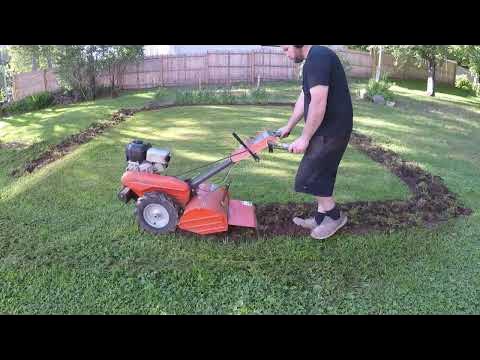
Image Source: i.ytimg.com
Why Rototill Your Yard?
Rototilling serves several vital purposes for your garden and lawn. It’s about more than just breaking up the surface; it’s about creating a foundation for healthy growth.
Key Benefits of Tilling Soil
- Loosening Soil: Over time, soil can become compacted, making it hard for roots to penetrate and for water and air to circulate. Rototilling breaks up this compaction, creating a loose, friable soil structure.
- Soil Aeration: This process introduces air into the soil, which is crucial for the respiration of plant roots and the beneficial microorganisms that live in the soil. Good soil aeration is essential for plant health.
- Incorporating Amendments: Whether you’re adding compost, fertilizer, or other soil conditioners, rototilling evenly distributes these materials throughout the soil profile, making their nutrients readily available to plants.
- Weed Control: For areas with a significant weed problem, rototilling can bury existing weeds and their seeds, helping to reduce their future growth.
- Improving Drainage: Compacted soil often has poor drainage. Loosening the soil with a rototiller allows water to move through more freely, preventing waterlogging.
- Preparing Garden Beds: It’s a fundamental step in preparing garden beds, turning a wild patch into a tidy, ready-to-plant area.
Choosing the Right Rototiller
Not all rototillers are created equal. The type you choose will depend on the size of your yard and the condition of your soil.
Types of Rototillers
There are two main types of rototillers for home use:
- Front-Tine Rototillers: These are generally lighter and more maneuverable, making them suitable for smaller gardens or areas with lighter soil. The tines are located in front of the engine.
- Pros: More affordable, easier to control in tight spaces.
- Cons: Can be less effective on hard-packed soil, tend to pull the tiller forward, potentially making it harder to control on slopes.
- Rear-Tine Rototillers: These have tines located behind the wheels. They are typically heavier and more powerful, making them ideal for larger areas, tough soil, or tilling a garden that hasn’t been worked before.
- Pros: More powerful, better at breaking up hard soil, generally easier to control as the tines pull the tiller into the ground.
- Cons: More expensive, less maneuverable in tight spaces.
Considerations When Selecting:
- Yard Size: For a small vegetable patch, a front-tine tiller might suffice. For a large lawn renovation or an extensive garden, a rear-tine tiller is often a better investment.
- Soil Type: If your soil is heavy clay or has been heavily compacted, a rear-tine tiller will make the job much easier.
- Power Source: Most home rototillers are gas-powered, but electric and battery-powered options are also available, best suited for smaller tasks.
- Tine Design: Some tillers have forward-rotating tines, while others have reverse-rotating tines. Reverse rotation can offer more control when starting.
Essential Rototilling Safety Gear
Safety is paramount when operating powerful machinery like a rototiller. Always wear the appropriate protective gear.
Your Safety Kit
- Eye Protection: Safety glasses or goggles are crucial to protect your eyes from flying debris.
- Hearing Protection: Rototillers can be noisy. Earplugs or earmuffs will protect your hearing.
- Sturdy Footwear: Closed-toe, slip-resistant boots or shoes are essential to protect your feet and provide good traction.
- Gloves: Work gloves will protect your hands from blisters and provide a better grip on the tiller’s handles.
- Long Pants: Wear sturdy, long pants to protect your legs from flying dirt and rocks.
The Step-by-Step Guide to Rototilling Your Yard
Follow these steps for effective and efficient rototiller use.
Step 1: Prepare the Area
Before you even start the engine, a good deal of prep work is needed.
Clearing the Ground
- Remove Debris: Pick up any rocks, branches, sticks, toys, or other foreign objects from the area you plan to till. These can damage the tiller or become projectiles.
- Clear Sod (If Necessary): If you are preparing an area that was previously lawn, you may want to remove the sod first, especially if it’s thick and established. You can do this with a sod cutter. Alternatively, you can till it in, but it will require multiple passes.
- Mark Obstacles: If there are underground sprinkler heads, utility lines, or other buried features, mark their locations clearly to avoid damaging them.
Check Soil Moisture
The moisture level of your soil is critical for successful tilling.
- Too Dry: If the soil is bone dry, it will be very hard to till, and the tiller may bounce excessively.
- Too Wet: If the soil is too wet, tilling can create clods that are difficult to break down and can damage the soil structure by destroying aeration and promoting compaction when the water eventually dries out.
- The Right Moisture: The ideal condition is moist but not saturated. A good test is to grab a handful of soil and squeeze it. If it forms a firm ball that doesn’t crumble easily and leaves your hands damp but not muddy, it’s ready for tilling. If it crumbles apart easily, it’s too dry. If water oozes out when you squeeze it, it’s too wet.
Step 2: Set Up Your Rototiller
Ensure your tiller is ready to go.
Pre-Operation Checks
- Fuel: If it’s a gas tiller, check the fuel level and add the correct type of fuel and oil if necessary.
- Oil Level: Check the engine oil level.
- Tines: Ensure the tines are securely attached and in good condition.
- Adjustments: Some tillers have adjustable handles or wheels. Adjust them for your comfort and control.
Step 3: The Tilling Process
This is where the action happens. Patience and a methodical approach are key.
First Pass: Breaking Up the Soil
- Start the Engine: Follow the manufacturer’s instructions to start the tiller.
- Engage the Tines: Slowly engage the tines. For most tillers, this involves a lever or throttle control.
- Begin Tilling: Start at one edge of the area. Walk at a steady pace, allowing the tiller to do the work. Guide it in a straight line.
- Depth Control: Most tillers have a depth adjustment or a drag bar. For the first pass, set it to a moderate depth (e.g., 4-6 inches) to start breaking up the soil.
- Overlap Your Passes: Overlap each pass by about half the width of the tiller to ensure you cover the entire area evenly.
Second Pass: Refining the Soil
- Direction Change: For your second pass, it’s often helpful to till in the opposite direction of your first pass (perpendicular). This helps to further break up the soil and incorporate any amendments.
- Deeper Passes: You can adjust the depth to go deeper if needed, but be cautious not to go too deep on the first pass with hard soil. Aim to loosen the soil to the desired depth for preparing garden beds.
- Incorporate Amendments (Optional): If you are adding compost or fertilizer, spread it evenly over the area after the first pass and before the second pass. The second pass will help mix it in. This is a crucial part of soil preparation.
Subsequent Passes
- Finer Texture: If the soil is still in large clumps, you may need additional passes. On these passes, you can often adjust the tiller to go a bit shallower or faster to create a finer texture, ideal for planting seeds.
- Handling Resistance: If the tiller is struggling, don’t force it. You may need to adjust the depth, go slower, or address an underlying issue like overly wet soil or hidden debris.
Step 4: Post-Tilling Tasks
Once you’ve finished tilling, there are a few more steps to ensure optimal results.
Smoothing and Leveling
- Raking: Use a rake to break up any remaining large clods of soil and to level the tilled area. This creates a smooth surface perfect for planting.
- Final Amendments: This is a good time to add any final amendments, like lime or specific fertilizers, and lightly rake them into the top few inches of soil.
Letting the Soil Rest
- Settling: After tilling, the soil may appear quite loose. Allowing the soil to rest for a few days or even a week can help it settle and regain some structure before planting. This is particularly beneficial for garden bed preparation.
Table: Tilling Depth Recommendations
| Soil Condition | Initial Pass Depth | Subsequent Pass Depth | Notes |
|---|---|---|---|
| Light Sandy Soil | 4-6 inches | 6-8 inches | Less likely to compact. |
| Loamy Soil | 6-8 inches | 8-10 inches | Good for most gardens. |
| Heavy Clay or Compacted | 4-6 inches | 6-8 inches | Go shallower initially. Multiple passes. |
| Newly Cleared Rough Land | 3-4 inches | 4-6 inches | Remove larger debris first. |
Common Rototilling Mistakes to Avoid
Even with the best intentions, errors can happen. Being aware of these pitfalls can save you time and effort.
Pitfalls and Solutions
- Tilling Wet Soil: As mentioned, this can lead to poor soil structure and compaction. Solution: Always check soil moisture. Wait for drier conditions.
- Not Clearing Debris: Rocks and sticks can jam the tines or break parts of the tiller. Solution: Thoroughly clear the area before starting.
- Forcing the Tiller: Pushing a tiller that’s struggling can damage the machine and isn’t effective. Solution: Adjust the depth, go slower, or address soil conditions.
- Tilling Too Deep Initially: On very hard soil, trying to go too deep on the first pass can bog down the tiller. Solution: Make shallow passes first, then go deeper.
- Tilling Too Often: While tilling soil is beneficial, over-tilling can break down the soil’s natural structure and harm beneficial organisms. Solution: Till only when necessary for preparation.
Alternative Methods for Soil Loosening
While rototilling is effective, it’s not the only way to loosen and prepare your soil.
Other Soil Preparation Techniques
- Double Digging: This labor-intensive method involves digging a trench, loosening the soil at the bottom, and then using that soil to fill the next trench. It’s excellent for creating deep, well-aerated beds.
- Broadforking: A broadfork is a garden tool that loosens soil deeply without inverting it. It’s less disruptive to soil structure than rototilling and is a great option for those who prefer less mechanical intervention.
- Sheet Mulching (Lasagna Gardening): This involves layering organic materials (like cardboard, compost, leaves) on top of the ground. Over time, these materials decompose, loosening and enriching the soil below. This is a good method for no-till gardening.
- Cover Cropping: Planting cover crops like clover or vetch and then tilling them into the soil (or cutting and leaving them as mulch) adds organic matter and improves soil structure naturally. This is a form of soil preparation that builds fertility.
Maintaining Your Rototiller
Proper maintenance ensures your tiller lasts for years and performs reliably.
Routine Care
- Cleaning: After each use, clean the tines, housing, and engine of any soil and debris. A hose or stiff brush works well.
- Lubrication: Check your owner’s manual for lubrication points and follow the recommended schedule.
- Spark Plug: Periodically check and clean or replace the spark plug.
- Air Filter: Clean or replace the air filter according to the manufacturer’s recommendations.
- Storage: Store the tiller in a dry, protected area. For long-term storage (over winter), consider draining the fuel or using a fuel stabilizer.
Frequently Asked Questions (FAQ)
Here are some common questions about rototiller use and soil preparation.
Q1: How often should I rototill my garden?
You generally only need to rototill when preparing a new garden bed or amending existing soil, typically once a year. Over-tilling can harm soil structure.
Q2: Can I rototill over existing grass?
Yes, you can rototill over existing grass. However, it will likely require multiple passes. For best results, remove thick sod with a sod cutter first, or be prepared for the tiller to struggle and for grass to re-establish from remaining roots.
Q3: My tiller is bouncing a lot. What am I doing wrong?
Bouncing usually means the soil is too dry and hard, or you are trying to till too deep on the first pass. Try watering the area lightly (if it’s not already too wet) and make shallower passes. Ensure you are walking at a steady pace.
Q4: How deep should I rototill?
The ideal depth varies by soil type and what you are planting. For most vegetable gardens, 6-8 inches is a good target depth. For breaking up heavily compacted soil, you might aim for 8-10 inches over multiple passes.
Q5: What is the best time of year to rototill?
The best time is in the spring before planting, or in the fall after the growing season has ended. Ensure the soil is moist but not wet.
Q6: Can I rototill in rocky soil?
While possible, rototilling in very rocky soil is challenging and can damage your tiller. If your soil is heavily laden with rocks, consider removing the largest ones by hand before tilling, or explore alternative soil loosening methods like broadforking.
By following this comprehensive guide, you can confidently tackle tilling a garden or preparing any area of your yard, transforming it into a fertile and welcoming space for your plants. Happy gardening!